Loading...
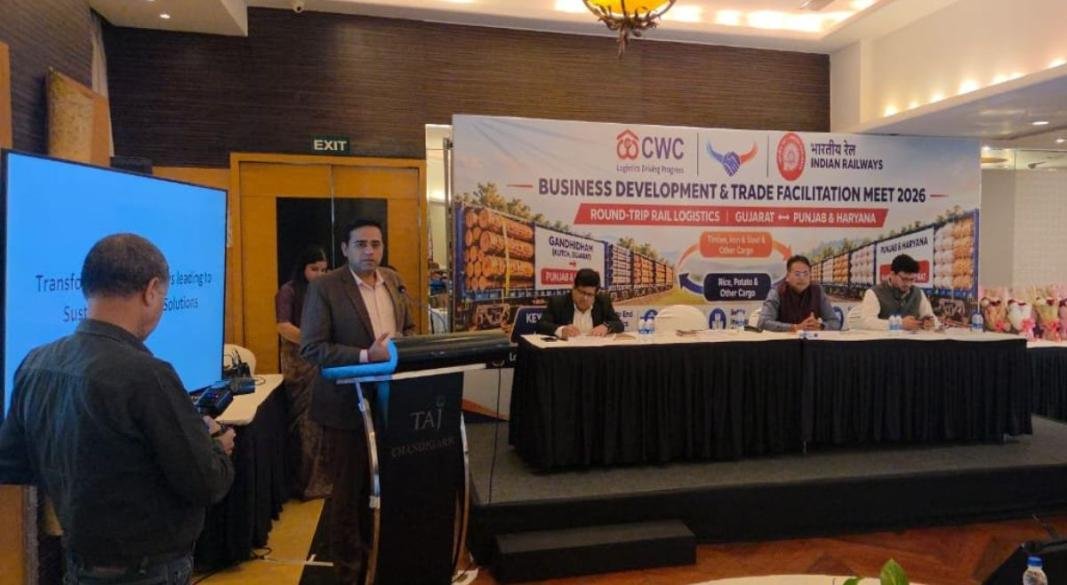
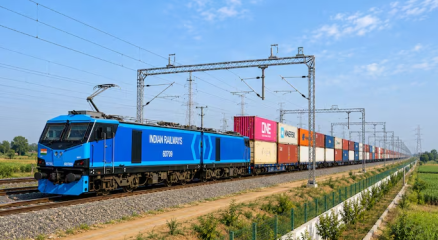
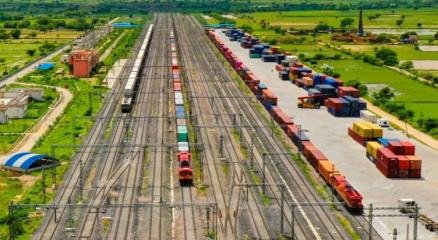
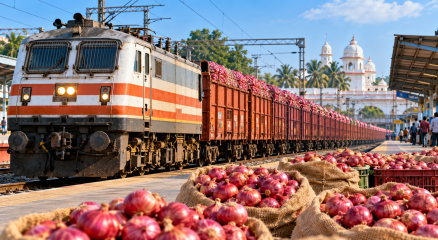
Indian Railways and the Central Warehousing Corporation (CWC) are exploring opportunities to strengthen freight connectivity between Gujarat, Punjab and Haryana through a proposed two-way cargo movement network. The initiative aims to improve wagon utilisation, reduce empty return journeys and create more efficient logistics linkages between northern India’s agricultural markets and Gujarat’s industrial and port infrastructure.
The proposal was discussed at ‘Trade Meet 2026’, jointly organised by the Ahmedabad, Ambala and Firozpur railway divisions in association with CWC in Chandigarh on 20 November 2026. Held under the theme ‘Store Safe. Move Smart. Grow Together’, the meeting brought together farmers, rice millers, traders, industrialists, exporters, transporters and logistics service providers to explore opportunities for strengthening rail-based freight transportation.
A key focus of the discussions was developing complementary cargo flows in both directions. Freight trains transporting rice, potatoes and other agricultural commodities from Punjab and Haryana to Gujarat could carry timber, salt, fertilisers, industrial goods and imported commodities on their return journeys. This approach is expected to improve freight capacity utilisation while making rail transportation more commercially viable.
Data presented during the meeting highlighted substantial cargo potential between the regions. Between April 2022 and March 2024, approximately 33.4 lakh tonnes of iron and steel and 2.2 lakh tonnes of timber and wood products moved from Gandhidham towards Punjab and Haryana. In the opposite direction, around 60.3 lakh tonnes of rice were transported from Punjab and Haryana to Kutch, including 38.7 lakh tonnes originating from Karnal. Additionally, seasonal potato transportation potential from Punjab and Haryana to Mehsana was estimated at 70,000 tonnes.
Ahmedabad Divisional Railway Manager Ved Prakash emphasised the importance of closer coordination between Railways, CWC and the business community to translate these cargo opportunities into sustainable freight services. He also encouraged traders and industrialists to share their cargo volumes, destination requirements and seasonal transportation needs to facilitate customised logistics solutions.
Beyond rail connectivity, the meeting explored opportunities in warehousing, freight terminals, packaging, cargo handling, financing and integrated supply chain services. CWC highlighted its capabilities in scientific storage, pest control, fumigation, cargo handling and warehouse receipt-based financing to support end-to-end logistics requirements.
The proposed initiative also seeks to strengthen connectivity with Gujarat’s major maritime gateways, including Gandhidham, Kandla and Mundra, creating better access for northern India’s agricultural and industrial businesses to domestic and international markets.
While the discussions mark an important step towards developing commercially sustainable freight corridors, converting identified cargo potential into regular rail movements will depend on effective coordination, infrastructure availability and participation from cargo owners. The initiative reflects a broader push towards strengthening multimodal logistics, improving railway freight efficiency and building more integrated regional supply chains.
𝐒𝐭𝐚𝐲 𝐭𝐮𝐧𝐞𝐝 𝐭𝐨 CARGOCONNECT 𝐟𝐨𝐫 𝐥𝐚𝐭𝐞𝐬𝐭 𝐮𝐩𝐝𝐚𝐭𝐞𝐬!
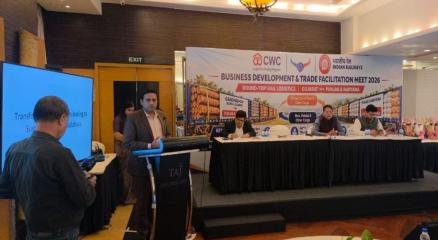
Indian Railways and the Central Warehousing Corporation (CWC) are exploring opportunities to strengthen freight connectivity between Gujarat, Punjab and Haryana through a proposed two-way cargo movement network. The initiative aims to improve wagon utilisation, reduce empty return journeys and create more efficient logistics linkages between northern India’s agricultural markets and Gujarat’s industrial and port infrastructure. The proposal was discussed at ‘Trade Meet 2026’, jointly organised by the Ahmedabad, Ambala and Firozpur railway divisions in association with CWC in Chandigarh on 20 November 2026. Held under the theme ‘Store Safe. Move Smart. Grow Together’, the meeting brought together farmers, rice millers, traders, industrialists, exporters, transporters and logistics service providers to explore opportunities for strengthening rail-based freight transportation. A key focus of the discussions was developing complementary cargo flows in both directions. Freight trains transporting rice, potatoes and other agricultural commodities from Punjab and Haryana to Gujarat could carry timber, salt, fertilisers, industrial goods and imported commodities on their return journeys. This approach is expected to improve freight capacity utilisation while making rail transportation more commercially viable. Data presented during the meeting highlighted substantial cargo potential between the regions. Between April 2022 and March 2024, approximately 33.4 lakh tonnes of iron and steel and 2.2 lakh tonnes of timber and wood products moved from Gandhidham towards Punjab and Haryana. In the opposite direction, around 60.3 lakh tonnes of rice were transported from Punjab and Haryana to Kutch, including 38.7 lakh tonnes originating from Karnal. Additionally, seasonal potato transportation potential from Punjab and Haryana to Mehsana was estimated at 70,000 tonnes. Ahmedabad Divisional Railway Manager Ved Prakash emphasised the importance of closer coordination between Railways, CWC and the business community to translate these cargo opportunities into sustainable freight services. He also encouraged traders and industrialists to share their cargo volumes, destination requirements and seasonal transportation needs to facilitate customised logistics solutions. Beyond rail connectivity, the meeting explored opportunities in warehousing, freight terminals, packaging, cargo handling, financing and integrated supply chain services. CWC highlighted its capabilities in scientific storage, pest control, fumigation, cargo handling and warehouse receipt-based financing to support end-to-end logistics requirements. The proposed initiative also seeks to strengthen connectivity with Gujarat’s major maritime gateways, including Gandhidham, Kandla and Mundra, creating better access for northern India’s agricultural and industrial businesses to domestic and international markets. While the discussions mark an important step towards developing commercially sustainable freight corridors, converting identified cargo potential into regular rail movements will depend on effective coordination, infrastructure availability and participation from cargo owners. The initiative reflects a broader push towards strengthening multimodal logistics, improving railway freight efficiency and building more integrated regional supply chains. 𝐒𝐭𝐚𝐲 𝐭𝐮𝐧𝐞𝐝 𝐭𝐨 CARGOCONNECT 𝐟𝐨𝐫 𝐥𝐚𝐭𝐞𝐬𝐭 𝐮𝐩𝐝𝐚𝐭𝐞𝐬!
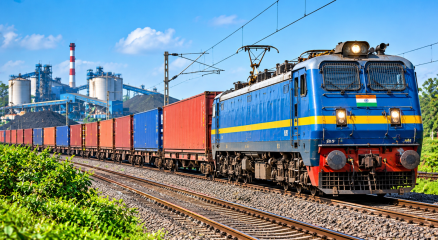
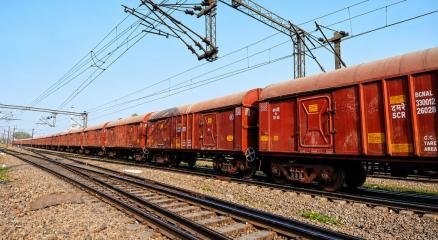
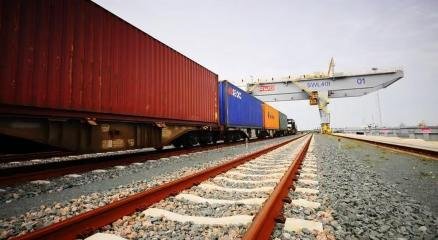
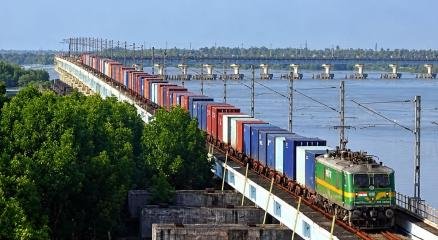
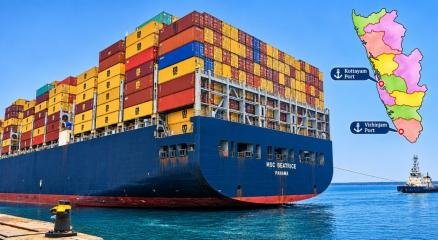
Rail freight activity at the International Container Transshipment Terminal (ICTT) at Vallarpadam is showing signs of recovery, with the commencement of outward cargo loading adding a new dimension to operations that have remained underutilised for years. Bharat Petroleum Corporation Limited (BPCL) has loaded four full rakes of bitumen consignments, creating an opportunity to improve cargo utilisation on the rail corridor. Previously, operations were largely limited to inward container movement, with containers returning empty. Container Corporation of India (CONCOR) has resumed freight services, with at least two rakes a month operating since May. Officials have also reported the receipt of car units by rail for export, while discussions are continuing on establishing regular cargo movements through Cochin. The developments mark an early step towards improving rail freight activity at Vallarpadam, although sustained growth will depend on securing regular cargo commitments and making rail transport commercially competitive. Outward loading opens up return-cargo opportunities The movement of bitumen in four full rakes is significant because it expands the range of cargo that can be carried through the rail link. Outward loading could help operators utilise capacity more effectively and improve the economics of freight services. However, the extent of potential savings or the impact on overall rail volumes has not been quantified. Regular movements will be necessary to establish whether the initial activity can translate into a sustained increase in rail's share of cargo transport. Rail infrastructure awaits fuller utilisation The 8.86-kilometre railway connection links Edappally with Vallarpadam's container terminal, including a 4.62-kilometre bridge across Kochi's backwaters. Rail Vikas Nigam Limited (RVNL) implemented the project, with central funding provided through the Ministry of Shipping. A trial locomotive movement took place in March 2010, ahead of the terminal's inauguration in February 2011. Designed specifically for goods traffic, the line provides a direct connection between the terminal and the wider railway network. Despite this dedicated infrastructure, the corridor has struggled to attract consistent freight volumes. Earlier assessments in 2025 highlighted its underutilisation, with road transport continuing to appeal to shippers because of its flexibility, speed and last-mile delivery capabilities. Domestic freight could widen the cargo base Freight operators are also looking to attract cargo from Kerala's manufacturing clusters, including plywood and furniture businesses around Perumbavoor. Domestic rail services are being offered to several inland markets as operators seek to expand the corridor's commercial reach. For manufacturers, the choice between road and rail depends on the total logistics cost, including factory collection, terminal handling, onward delivery and transit time. Reliable schedules and predictable departures will be important in encouraging businesses to commit cargo to rail. Industry representatives have also pointed to dependable international vessel connectivity as a factor influencing port selection, particularly for exporters seeking an efficient end-to-end logistics solution. MGR IFR service adds to Cochin's connectivity Cochin's maritime connectivity received another boost in September, when DP World's terminal began receiving the MGR IFR service. The fortnightly rotation links Cochin and Nhava Sheva with Fujairah in the UAE, Sohar in Oman and Aden in Yemen. The service operates with MV Marsa Virgo and MV Marsa Zenith, each with a capacity exceeding 500 TEUs. The inaugural call by MV Marsa Virgo involved handling more than 1,000 TEUs. The service adds to the range of shipping connections available through Cochin. Combined with improved inland rail utilisation, dependable maritime services could strengthen the terminal's proposition for exporters and importers. Regular cargo flows will be key The commencement of outward loading is an encouraging operational development for Vallarpadam's rail corridor. It demonstrates the potential to move cargo beyond inward container traffic and opens up opportunities to make better use of return capacity. The next challenge is to turn initial movements into repeat business. Competitive total logistics costs, reliable schedules, straightforward handling arrangements and balanced cargo flows will be critical to improving utilisation of the existing infrastructure. For Vallarpadam, the long-term opportunity lies not simply in having a dedicated rail connection, but in building a dependable freight service that businesses can incorporate into their regular supply chains. Follow CARGOCONNECT for more such updates
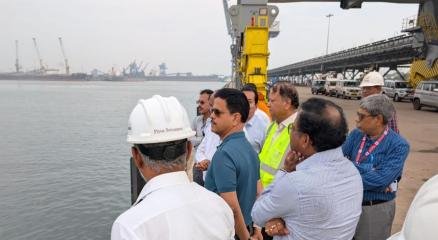
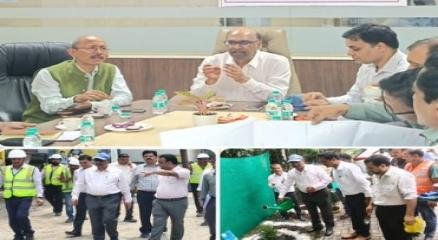
Container Corporation of India (CONCOR) Chairman and Managing Director (CMD) Ajit Kumar Panda visited the Container Freight Station, Dronagiri Rail Terminal (CFS-DRT) in the Mumbai Cluster, as part of the company’s focus on strengthening terminal operations and enhancing rail-linked logistics services. The Dronagiri facility is an important cargo-handling node supporting EXIM and domestic containerised cargo flows in the Mumbai region. CONCOR’s Dronagiri Node, commissioned in March 2003, spans around 59 acres and has an annual handling capacity of approximately 200,000 TEUs. Its catchment extends across Mumbai, Pune, Aurangabad, Vapi, Gujarat and Madhya Pradesh. During the visit, Panda reviewed the terminal’s operations and interacted with the Mumbai Cluster team, with the engagement highlighting the importance of efficient terminal management, customer-focused services and stronger integration of rail-based freight movement within the wider logistics network. The Dronagiri facility also supports warehousing and a broad range of EXIM cargo. Its infrastructure includes dedicated EXIM, domestic and bonded warehousing capacity. CONCOR has also developed capabilities at Dronagiri for handling out-of-gauge (ODC) export and import flat-rack containers, supported by first- and last-mile transportation services connecting the CFS with Jawaharlal Nehru Port terminals. Panda’s visit comes amid CONCOR’s continued emphasis on operational excellence, multimodal connectivity and strengthening logistics infrastructure across key trade gateways. The company has been working to improve rail connectivity, terminal efficiency and customer-centric logistics solutions, supporting more seamless cargo movement across India’s supply chain. The visit underscores the strategic importance of the Mumbai Cluster and Dronagiri Rail Terminal in facilitating efficient containerised trade and reinforcing CONCOR’s role in India’s rail-based logistics ecosystem. 𝐒𝐭𝐚𝐲 𝐓𝐮𝐧𝐞𝐝 𝐭𝐨 CARGOCONNECT 𝐟𝐨𝐫 𝐥𝐚𝐭𝐞𝐬𝐭 𝐮𝐩𝐝𝐚𝐭𝐞𝐬!