Loading...
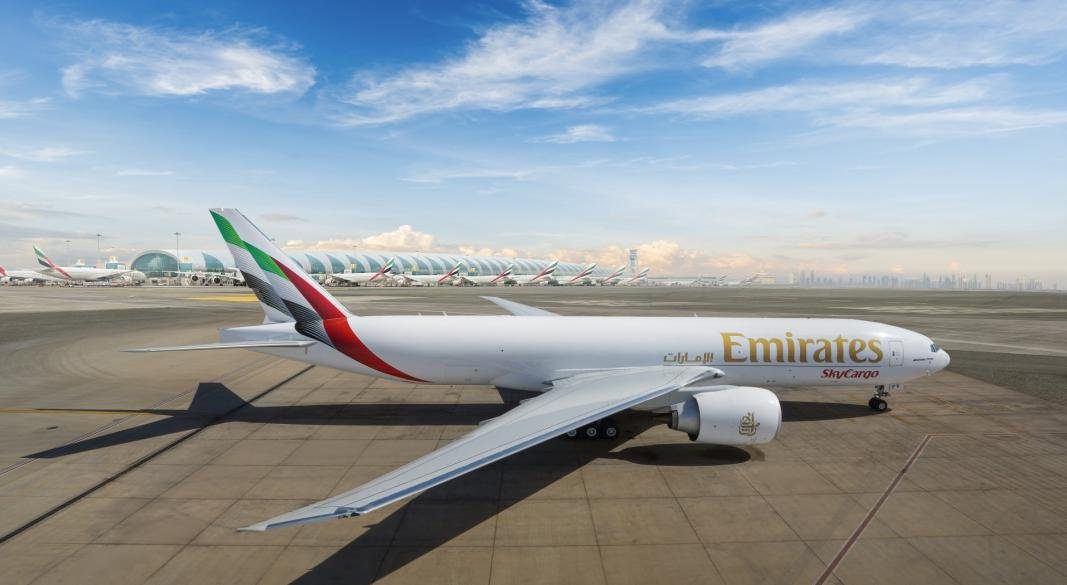
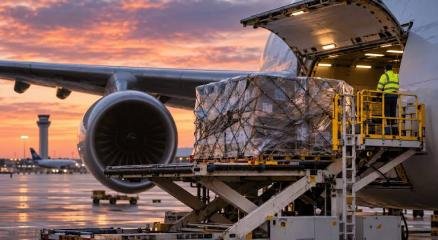
Emirates SkyCargo has launched AI Tech, a dedicated logistics product designed to transport critical Artificial Intelligence (AI) infrastructure safely and on schedule. The offering is tailored for AI server racks, semiconductors, GPUs, capital equipment and other essential hardware, combining priority loading, specialised handling and proactive shipment monitoring through the airline’s command centre in Dubai.
As AI adoption accelerates and computing systems become more sophisticated, transporting technology equipment has grown increasingly complex. Large-scale deployments often involve high-value cargo, compressed timelines and specialised handling requirements. AI Tech aims to address these demands through globally standardised operating procedures, enhanced shipment oversight and proactive customer coordination throughout the transportation journey.
“Behind every AI breakthrough is physical infrastructure that needs to arrive safely and on time. AI Tech is designed to give customers confidence that their critical equipment will move seamlessly across our network, supported by operational oversight and proactive communication,” said Badr Abbas, Divisional Senior Vice President, Emirates SkyCargo.
Abbas added that the airline transported more than 700 tonnes of AI infrastructure across its global network in July alone, with demand continuing to grow. Emirates SkyCargo aims to become the carrier of choice for companies operating across the AI ecosystem.
The product includes dedicated handling procedures to maintain equipment orientation and minimise damage risk, priority loading and scheduling for time-critical deployments, and airport-to-airport shipment visibility with milestone updates monitored through the Dubai command centre. It also provides proactive customer communication and specialist project cargo support for oversized and heavy shipments.
Developed from the airline’s experience transporting AI-related hardware between manufacturing centres and major technology markets, AI Tech is available across Emirates SkyCargo’s global network for most AI-related cargo, including semiconductors, chips and server racks. For highly specialised manufacturing equipment, station capability assessments are conducted in advance to confirm that shipment requirements can be safely accommodated.
The product is supported by Emirates SkyCargo’s fleet and global network. By March 2027, the airline expects to operate 23 dedicated freighters, providing main-deck capacity for tall and dense server racks, which can often weigh more than 3.5 tonnes. The airline also offers cargo capacity on its wide-body passenger aircraft.
With AI Tech, Emirates SkyCargo is positioning its logistics offering around the speed, reliability, visibility and specialised handling requirements of the rapidly expanding AI sector.
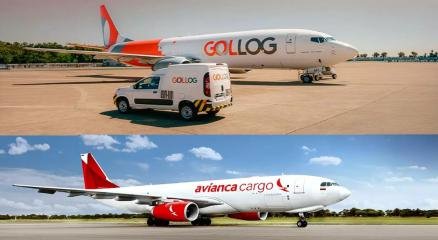
Avianca Cargo has renewed its five-year agreement with IBS Software for its iCargo platform, while GOLLOG will adopt the technology to support its international cargo operations, bringing the two Abra Group airlines onto a common digital platform. Avianca Cargo and GOLLOG are strengthening their digital cargo operations through an expanded partnership with IBS Software, aimed at standardising processes, improving operational efficiency and enhancing connectivity with business partners. Avianca Cargo, which has been using IBS Software's iCargo platform since 2021, has renewed its agreement for another five years. Under the renewed arrangement, the airline will expand its use of iCargo capabilities, including iCargo Enterprise API and iPartner Airline, to strengthen integration with customers, business partners and interline carriers. Meanwhile, GOLLOG, the cargo and logistics division of Brazilian airline GOL, will implement the same capabilities to support its international operations. The adoption of a common technology platform is expected to enable both airlines to standardise key processes, including cargo booking and handling, while delivering a more consistent customer experience across their international networks. The agreement will also provide access to a suite of APIs designed to facilitate integration with customers, suppliers, cargo agents, ground handling companies and other airlines. This is expected to strengthen connectivity across the wider air cargo technology ecosystem and support more coordinated operations. Diogo Elias, chief executive of Avianca Cargo, said the shared platform would improve visibility across the group's international cargo operations. "Working on a common platform allows us to bring greater visibility across the group's international cargo operations. It is another step in our digital transformation journey and in building the tools we need to offer a more consistent and efficient experience to our customers," Elias said. Patricia Bello, director of GOLLOG, said the adoption of iCargo marks an important milestone in the company's digital transformation strategy. She added that strengthening its technology capabilities would help streamline processes, improve connectivity with partners and deliver more agile and consistent services as its international cargo operations grow. Erica Quiroz, AVP, Latin America at IBS Software, said Avianca Cargo's five years of growth on the platform had led to the renewal, while GOLLOG's adoption would extend the partnership. By integrating GOLLOG's international operations with iCargo, IBS Software aims to establish a unified operational system and customer engagement approach across both airlines. The platform provides greater operational visibility and access to real-time data, supporting better-informed decision-making and improved efficiency. The development reflects the growing role of digital integration in air cargo, as airlines increasingly invest in connected technology platforms to streamline operations, improve partner collaboration and enhance the customer experience. Follow CARGOCONNECT for more such updates


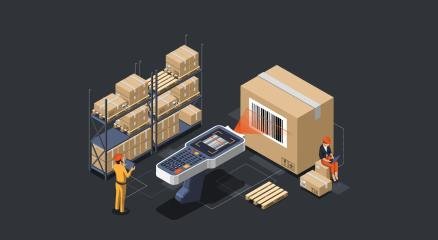
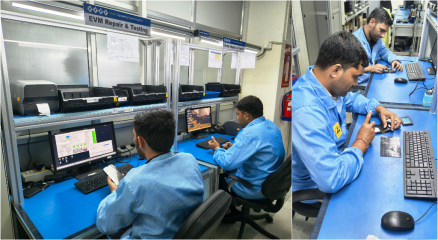
Kenstar has partnered with Unicommerce to strengthen the technology infrastructure underpinning its expanding e-commerce business, integrating order and warehouse management capabilities to improve inventory visibility, operational efficiency and fulfilment across sales channels. The partnership comes as the Indian home appliance brand accelerates its digital commerce growth and expands its reach across India, including emerging consumer markets. Kenstar serves customers through leading e-commerce and quick-commerce platforms, its own brand website, more than 30,000 retail touchpoints and dealers, modern trade and regional retail outlets. Its network also includes over 18 warehouses and fulfilment centres nationwide. To support the growing scale and complexity of its operations, Kenstar has deployed Unicommerce’s flagship Uniware platform, incorporating its Order Management System (OMS) and Warehouse Management System (WMS). The integrated platform will enable the company to manage orders across multiple sales channels through a single system, supported by real-time inventory visibility and improved coordination of warehouse operations. The deployment is expected to streamline order processing, optimise stock utilisation and support more efficient fulfilment as Kenstar expands its online footprint. By bringing order, inventory and warehouse processes together, the partnership aims to establish a scalable operational foundation for higher order volumes and a more consistent customer experience. With a 30-year presence in the Indian market, Kenstar continues to strengthen its portfolio across air coolers, water heaters, small home appliances and washing machines, with a focus on innovative and energy-efficient products. As digital channels become increasingly important to its growth strategy, technology-led integration is expected to help the brand manage operational complexity while maintaining service standards across its expanding customer base. Sunil Jain, CEO of Kenstar, said the partnership would help the company strengthen inventory visibility and fulfilment efficiency as it expands its online presence and reach across India. He emphasised the need for technology infrastructure that can scale alongside the business and support a seamless shopping experience across customer channels. Kapil Makhija, MD & CEO of Unicommerce, said technology would play a critical role in ensuring that operational capabilities keep pace with Kenstar’s growth, particularly as the brand advances its Direct-to-Consumer (D2C) business. Unicommerce will provide the digital infrastructure to support the company’s next phase of expansion. The collaboration reflects a broader operational priority for omnichannel retailers: connecting order management, inventory control and warehouse execution to support growth without compromising fulfilment efficiency or customer experience.

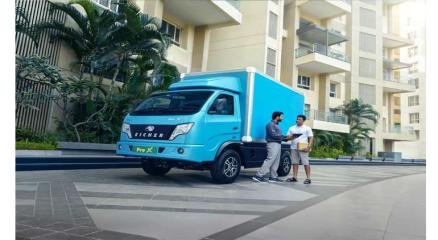
Amazon India is set to introduce up to 1,000 electric trucks from Eicher into its logistics network over the next five years as the e-commerce company accelerates efforts to reduce emissions across its middle-mile and last-mile operations. The deployment will be carried out in partnership with VE Commercial Vehicles (VECV), the joint venture between Eicher Motors and Volvo Group. The companies said the electric trucks will support cargo movement between fulfilment centres, sortation hubs and delivery stations, as well as customer-facing delivery operations. As part of the initial rollout, Amazon plans to induct 50 electric trucks in logistics hubs including Delhi, Manesar and Gurugram. The vehicles will be introduced progressively through Amazon’s transport service partners. The trucks will be available in configurations ranging from 8-foot to 24-foot deck lengths, allowing Amazon to deploy them across varying payload requirements. According to the companies, the vehicles will include customised cargo layouts and support both fast and slow charging options depending on route and operational needs. The move comes as India’s e-commerce and logistics sectors face increasing pressure to adopt lower-emission freight solutions amid tightening sustainability targets and rising fuel costs. Electrification of commercial fleets has gained momentum in urban delivery operations, though adoption in medium-duty and heavy-duty trucking remains at an early stage due to infrastructure and financing challenges. Amazon has been steadily expanding its electric delivery fleet in India as part of its broader climate commitments. The company previously stated that it aimed to deploy 10,000 electric vehicles in the country by 2025 and had already crossed 6,000 EVs across more than 400 cities by 2023. In 2024, Amazon said it had surpassed the 10,000-EV milestone in India ahead of schedule, while also testing long-haul electric freight corridors for intercity transportation. Industry observers view the Eicher partnership as a significant step toward electrifying commercial freight movement in India, particularly in the growing e-commerce logistics segment where fleet utilisation levels are high and predictable delivery routes improve the feasibility of EV deployment. Follow CARGOCONNECT for more such updates.