
Loading...
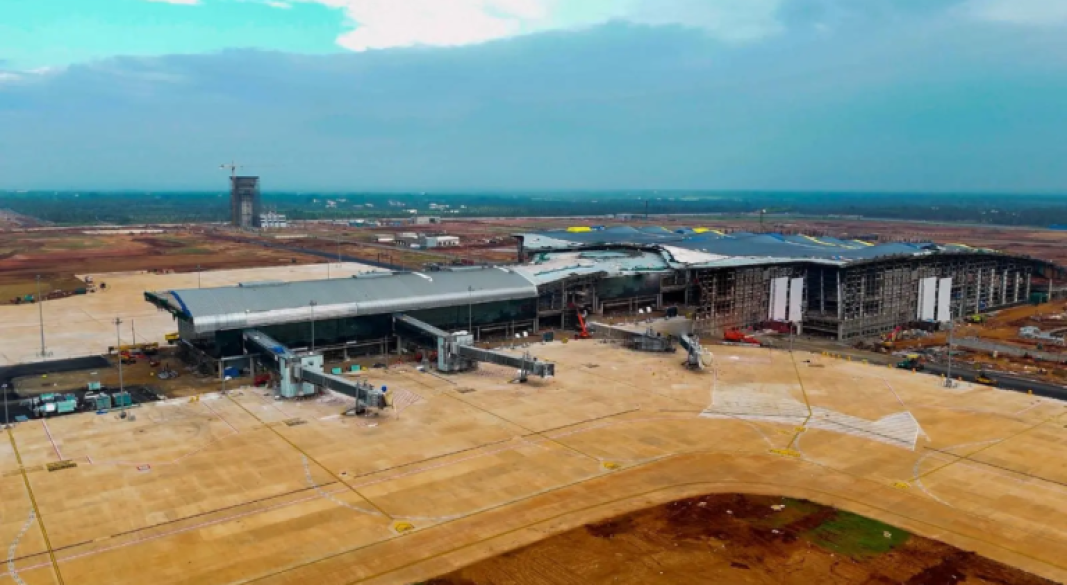
The cargo terminal at the upcoming Alluri Sitarama Raju International Airport in Bhogapuram is expected to become operational between August and September, shortly after commercial flight services begin at the airport, according to project officials. Civil construction of the cargo facility is nearing completion, with warehouse works currently in the final stage.
The Andhra Pradesh government is planning to inaugurate the airport in July. Officials associated with the project said more than 98% of the airport infrastructure has already been completed.
Spread across around 5,000 square metres, the cargo terminal has been designed to handle nearly 25,000 metric tonnes of freight annually. The facility is expected to support the movement of pharmaceuticals, seafood, perishables, textiles, engineering goods, electronics and e-commerce shipments. Industry stakeholders say the terminal will primarily cater to high-value and time-sensitive cargo requiring faster delivery cycles and cold-chain support.
The development is significant for the Visakhapatnam region, which plays a major role in India’s seafood exports. A substantial share of shrimp exports to the United States originates from the region, and exporters have long sought faster air connectivity to reduce transit time for premium seafood and pharmaceutical products.
To improve connectivity to the airport, authorities are accelerating work on road infrastructure, including a dedicated trumpet interchange linking the airport directly with National Highway 16. These road projects are expected to be completed by the end of June to facilitate cargo movement once operations commence.
Andhra Pradesh currently contributes about 5% of India’s exports, with shipments valued at around $21 billion annually across more than 2,100 commodities exported to nearly 194 countries, according to project-related estimates.The airport’s cargo infrastructure is also expected to support industrial investments planned across Andhra Pradesh. Several large-scale projects in and around Visakhapatnam, including proposed data centres, steel manufacturing facilities and green hydrogen projects, are likely to increase demand for rapid transport of specialised machinery, electronic equipment and precision components.
Follow CARGOCONNECT for more such updates.
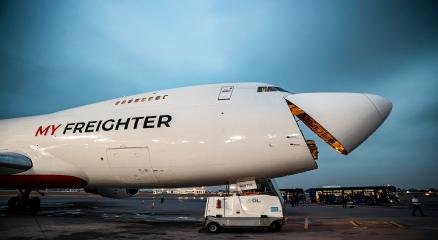
My Freighter has appointed Group Concorde as its Cargo Sales Agent across the United Arab Emirates, the Philippines, Cambodia and Myanmar, marking a strategic move to strengthen its commercial footprint and accelerate growth in key international markets. The partnership is expected to enhance My Freighter’s market presence in regions that play a vital role in global trade and logistics. Through the agreement, Group Concorde will be responsible for cargo sales development, customer engagement, market intelligence and commercial representation for the Uzbekistan-based airline in the four countries. The appointment reflects My Freighter’s continued focus on expanding its international network and improving access to customers across Asia and the Middle East. As global air cargo demand evolves, the airline is investing in partnerships that can help it connect more effectively with freight forwarders, shippers and logistics providers in strategic markets. Group Concorde brings extensive experience in airline representation and cargo sales management. With a growing network spanning Asia-Pacific, South Asia and the Middle East, the company has established itself as a prominent player in the air cargo sales and services sector. Over the years, it has managed cargo sales operations for several leading international airlines, helping carriers strengthen market penetration and improve customer service standards. Industry observers note that the collaboration combines My Freighter’s expanding freighter operations with Group Concorde’s regional expertise and established customer relationships. The arrangement is expected to support capacity utilization, improve market responsiveness and create new business opportunities in sectors such as e-commerce, pharmaceuticals, perishables and general cargo. For My Freighter, the move aligns with its broader growth strategy aimed at increasing connectivity between Central Asia and major global trade corridors. The carrier has steadily expanded its fleet and network in recent years, positioning itself as an emerging player in the international air cargo industry. The airline currently operates cargo services linking Central Asia with Europe, the Middle East and Asia, supporting the growing demand for time-sensitive freight transportation. The partnership also underscores the increasing importance of specialized cargo sales agents in helping airlines navigate competitive markets. By leveraging local market knowledge and customer networks, cargo sales agents enable carriers to expand their reach without establishing a direct commercial presence in every market. As air cargo continues to play a critical role in global supply chains, the collaboration between My Freighter and Group Concorde is expected to strengthen service accessibility and create greater value for customers across the UAE, the Philippines, Cambodia and Myanmar. The agreement further reinforces both companies’ ambitions to expand their influence in fast-growing cargo markets and capitalize on emerging trade opportunities. 𝐒𝐭𝐚𝐲 𝐓𝐮𝐧𝐞𝐝 𝐭𝐨 CARGOCONNECT 𝐟𝐨𝐫 𝐥𝐚𝐭𝐞𝐬𝐭 𝐮𝐩𝐝𝐚𝐭𝐞𝐬!

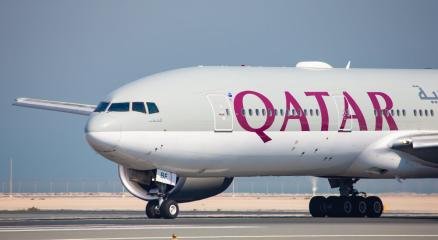

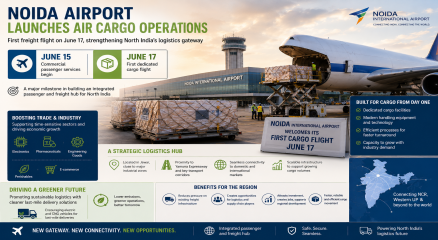
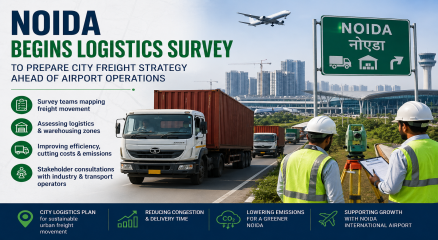
Noida International Airport is set to begin dedicated cargo operations on June 17, marking a significant milestone in the development of North India's newest aviation and logistics hub. The first cargo flight is scheduled to depart two days after the airport commences commercial passenger services on June 15. Airport officials said the launch of cargo services will strengthen the airport's role as a multimodal logistics gateway for the National Capital Region (NCR), western Uttar Pradesh and neighbouring industrial clusters. The airport has been designed to handle both passenger and freight traffic from the start of commercial operations, with cargo expected to become a key growth segment. The initial cargo movement is expected to support industries across electronics, pharmaceuticals, engineering goods, perishables and e-commerce, sectors that rely heavily on time-sensitive transportation. Logistics stakeholders view the airport as an additional capacity source for the region's air freight market, which has traditionally depended on Delhi's Indira Gandhi International Airport. Located in Jewar, the airport is positioned near major industrial and manufacturing zones across Uttar Pradesh, Haryana and Rajasthan. Its proximity to the Yamuna Expressway and upcoming logistics developments is expected to improve cargo connectivity between production centres and international markets. Industry observers believe the addition of a new air cargo gateway could help reduce pressure on existing freight infrastructure in the NCR while creating new opportunities for freight forwarders, express operators and supply chain service providers. The airport's long-term development plans include expanding cargo handling capacity as freight volumes increase. Commercial operations at Noida International Airport will begin on June 15, with domestic passenger services operated by airlines including IndiGo and Akasa Air. Cargo flights are expected to follow shortly thereafter, supporting the airport's ambition to establish itself as an integrated passenger and freight transportation hub. Follow CARGOCONNECT for more such updates.

Freightos has joined the International Air Transport Association’s (IATA) Digitalization Leadership Charter, reinforcing industry efforts to accelerate digital transformation across the global air cargo sector. The move highlights growing momentum behind initiatives aimed at improving connectivity, standardisation and data exchange throughout the air freight ecosystem. The IATA Digitalization Leadership Charter was launched to encourage industry stakeholders to adopt common digital standards and collaborate on modernising cargo operations. The initiative focuses on five core priorities: interoperability and data standards, cybersecurity and digital resilience, paperless cargo processes, innovation and automation, and the responsible adoption of emerging technologies such as artificial intelligence. Central to the charter is the promotion of IATA’s ONE Record standard, designed to facilitate seamless and efficient data sharing across the supply chain. By becoming a signatory, Freightos joins a growing network of airlines, technology providers and logistics stakeholders committed to creating a more connected and efficient cargo ecosystem. The company said the initiative aligns with its long-standing focus on enabling digital freight procurement, booking and payment processes through interoperable platforms that connect carriers, freight forwarders and shippers. Industry leaders view digitalisation as critical to addressing longstanding inefficiencies in air cargo, including fragmented data flows, manual documentation and limited visibility across supply chains. The adoption of shared standards is expected to reduce integration challenges, improve operational efficiency and support faster, more reliable cargo movement. Freightos believes broader industry alignment around digital connectivity can help create a more agile and resilient freight network capable of responding to evolving market demands. IATA has repeatedly emphasised that meaningful digital transformation requires collaboration across the entire cargo community. The association’s charter seeks to establish a common framework for innovation while encouraging organisations to invest in technologies that support transparency, sustainability and operational excellence. Freightos’ participation is expected to contribute to these efforts by leveraging its extensive digital marketplace and booking infrastructure, which already facilitates large-scale interactions between airlines and freight forwarders worldwide. The announcement comes at a time when air cargo stakeholders are increasingly prioritising automation, real-time data exchange and digital documentation to enhance customer experience and improve supply chain performance. As global trade networks continue to evolve, initiatives such as the IATA Digitalization Leadership Charter are likely to play a pivotal role in shaping the future of air freight operations. With Freightos now part of the initiative, industry observers see another significant step toward achieving a fully connected, data-driven and digitally enabled air cargo ecosystem capable of supporting the next generation of global logistics. 𝐒𝐭𝐚𝐲 𝐓𝐮𝐧𝐞𝐝 𝐭𝐨 CARGOCONNECT 𝐟𝐨𝐫 𝐥𝐚𝐭𝐞𝐬𝐭 𝐮𝐩𝐝𝐚𝐭𝐞𝐬!