
Loading...
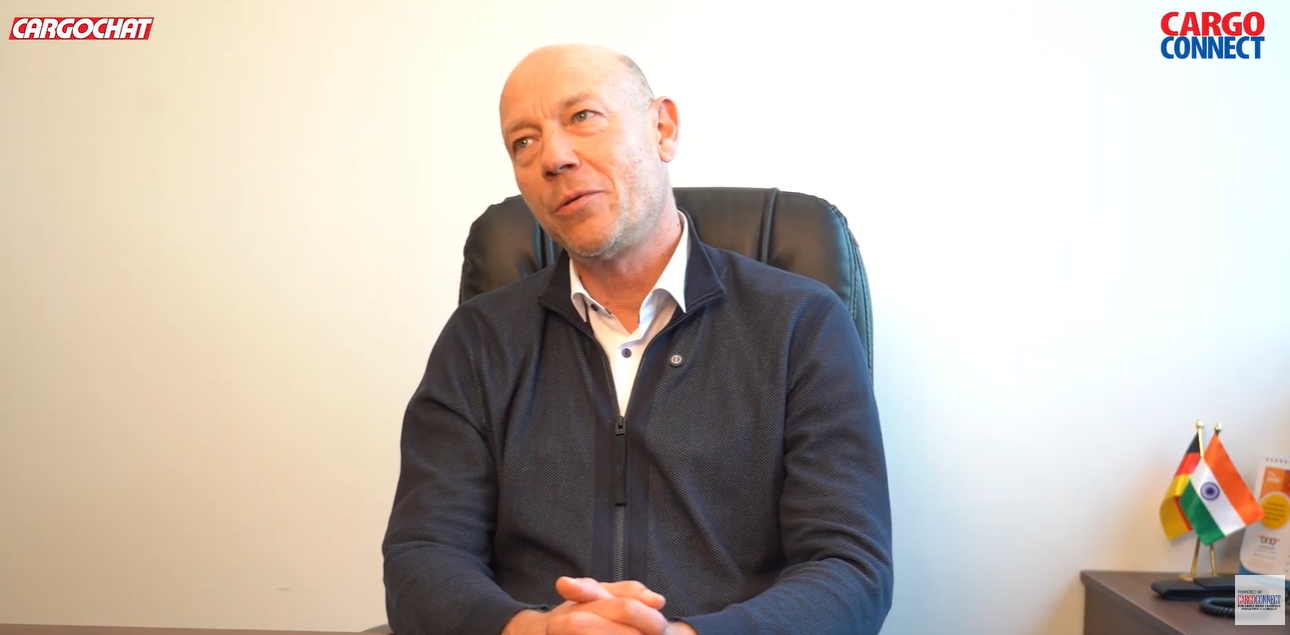
Singapore’s Changi Airport is sharpening its focus on pharmaceuticals and e-commerce shipments to navigate constrained cargo capacity until planned expansion in the 2030s. According to Lim Ching Kiat, Executive Vice President of Air Hub and Cargo Development at Changi Airport Group, current facilities face mounting pressure due to growing regional demand, necessitating strategic tenant and cargo type management.
E-commerce continues to be a key growth driver for air cargo globally, fueled by major players like Shein, Temu, and TikTok Shop. At the same time, Singapore is solidifying its position as Southeast Asia’s preferred pharmaceutical hub, attracting investments from global biopharma giants such as Thermo Fisher, Sanofi, BioNTech, and MSD.
Looking ahead, Changi Airport plans to launch a second logistics park by the 2030s, aiming to increase its annual cargo capacity from 3 million tons to 5.4 million tons. The new free trade zone will further expedite cargo handling and redistribution.
In 2024, Changi Airport reported handling 1.99 million tons of airfreight, a 14.6% rise from 2023, driven by robust cross-border e-commerce demand, improved trade routes with China and the U.S., and recovering electronics exports. Top air cargo markets included China, Australia, the U.S., Hong Kong, and India.
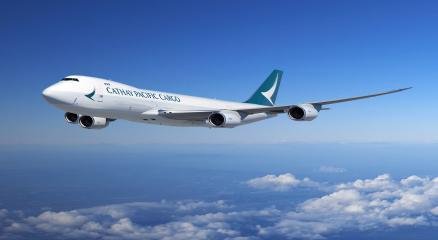
Cathay Cargo is set to increase freighter capacity to the Americas from September 2026 as it prepares for the upcoming air cargo peak season and responds to sustained demand for technology-related shipments across its transpacific network. The additional capacity is aimed at balancing growing cargo volumes with available lift while supporting further demand through the peak period. According to Cathay Cargo, cargo demand remained positive through the summer, driven particularly by shipments of semiconductors and data-centre equipment from Asia to transpacific markets. The carrier also reported rising volumes of lithium batteries moving from Northeast Asia and the Greater Bay Area through its Hong Kong hub. Cargo carried across its network grew by 6% year on year in July, highlighting the continued strength of demand ahead of the traditional peak season. Alongside the additional transpacific capacity, Cathay Cargo is preparing to introduce a leased Airbus A330 freighter in the fourth quarter. The aircraft is being converted from a passenger aircraft in Shanghai and will be operated on Cathay Cargo’s behalf by Air Hong Kong, its wholly owned Cathay Group subsidiary. The aircraft is expected to provide additional capacity to address growing regional demand for general cargo. Cathay Cargo is also placing emphasis on handling specialised shipments safely and efficiently. The carrier said it is working with shippers and freight forwarders to align operational checklists with the requirements of growing volumes of AI chips, server racks and vibration-sensitive wafer steppers, while strengthening safety processes for lithium-ion battery shipments. Beyond aircraft capacity, Cathay Cargo is continuing to develop intermodal connectivity through its Hong Kong hub and the wider Greater Bay Area. The carrier is expanding air, land and sea links, while working towards a connected intermodal smart port supported by a Port Community System designed to provide a single view of shipment tracking. The capacity additions come as Cathay Cargo positions its network to accommodate evolving technology-driven cargo flows and higher volumes during the 2026 peak season. 𝐒𝐭𝐚𝐲 𝐓𝐮𝐧𝐞𝐝 𝐭𝐨 CARGOCONNECT 𝐟𝐨𝐫 𝐥𝐚𝐭𝐞𝐬𝐭 𝐮𝐩𝐝𝐚𝐭𝐞𝐬!
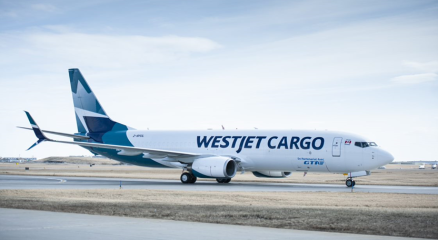
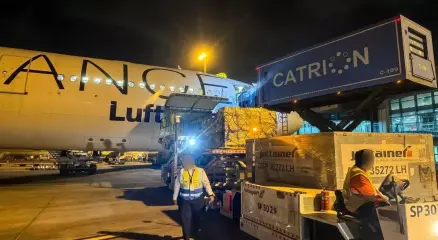
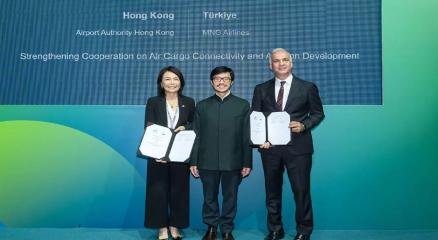

Dubai-based airline flydubai is expanding its cargo business with the launch of dedicated freighter operations, adding three Boeing 737-800 freighters under a wet-lease agreement with SolitAir. The new operation is scheduled to commence on 1 October 2026 from Al Maktoum International Airport (DWC), marking the first phase of the carrier’s dedicated cargo fleet expansion. The three freighters will provide an additional 23,000 kg of payload capacity per flight, complementing cargo carried in the belly holds of flydubai’s existing fleet of 98 Boeing 737 passenger aircraft. The dedicated main-deck capacity is being introduced ahead of the fourth-quarter peak season, while the airline plans to assess passenger-to-freighter conversions from 2029 onwards. Further cargo capacity is also expected as flydubai takes delivery of its planned 30 Boeing 787 Dreamliners. Ghaith Al Ghaith, Chief Executive Officer at flydubai, said: “Dubai has established itself as one of the world's most connected hubs for E-commerce, trade and logistics, and its ambitions under the Dubai Economic Agenda D33 continue to create new opportunities for businesses to reach global markets. The launch of dedicated freighter operations marks an important step in flydubai’s evolution and reflects our commitment to supporting Dubai's vision through enhanced trade connectivity and logistics capabilities. By building on the strength of our network and expanding our cargo offering and list of codeshare and interline partners, we are creating new pathways for businesses to move goods more efficiently, access new markets and contribute to economic growth across the region and beyond.” Based at DWC, flydubai Cargo will benefit from dedicated airside infrastructure and multimodal connectivity through Dubai South. The freighter operation will support scheduled freight services and point-to-point charter operations across a network of more than 125 destinations spanning Africa, Central Asia, the Caucasus, Europe, the GCC, the Middle East, South Asia and Southeast Asia. The dedicated aircraft will also enable specialised handling for pharmaceuticals, perishables, live animals, dangerous goods, express shipments and aerospace components. Initial flights are expected to focus on high-demand regional sectors, with frequencies increasing as capacity develops. The expansion is intended to position flydubai Cargo as a broader logistics provider offering both scheduled freight and ad-hoc charter solutions. 𝐒𝐭𝐚𝐲 𝐓𝐮𝐧𝐞𝐝 𝐭𝐨 CARGOCONNECT 𝐟𝐨𝐫 𝐥𝐚𝐭𝐞𝐬𝐭 𝐮𝐩𝐝𝐚𝐭𝐞𝐬!


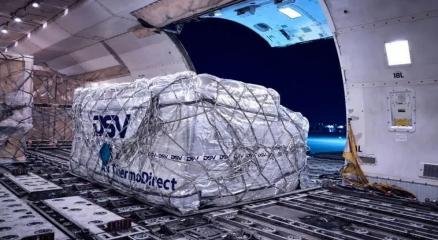
DSV is expanding its Air ThermoDirect temperature-controlled air freight network with a new direct connection between Luxembourg Airport and Shanghai Pudong International Airport (PVG), strengthening its capabilities for pharmaceutical and healthcare logistics. The logistics provider also plans to introduce an additional direct route between Indianapolis International Airport and Shanghai, further extending its Europe-US-Asia cold chain network. The new Luxembourg-Shanghai service will operate with multiple departures using dedicated freighter aircraft. According to DSV, dedicated capacity gives the company greater control over scheduling, routing and cargo handling, helping improve reliability for temperature-sensitive healthcare shipments. The expansion comes amid growing demand for secure, predictable and efficient pharmaceutical logistics worldwide. Shanghai Pudong International Airport is a key gateway for temperature-controlled pharmaceutical cargo and provides an important link between global manufacturers and healthcare markets across Asia. By expanding its operations at PVG, DSV aims to support both inbound and outbound pharmaceutical flows while maintaining consistent temperature-controlled handling throughout the transportation process. “DSV is helping customers improve supply chain efficiency, reduce operating costs, and ensure the integrity of critical healthcare products across one of the world's fastest-growing regions. Through our sustainable reusable thermal packaging program, we are reducing packaging waste and improving the environmental performance of cold chain logistics. This investment represents another important step in building a more resilient, efficient, healthcare supply chain across Asia,” says Kenneth Kallström, EVP, Global Enterprise Vertical Head, Healthcare, DSV. The Shanghai operation is supported by DSV’s partnership with Eastern Air Logistics (EAL), whose specialised ground-handling facilities will support Air ThermoDirect activities in Shanghai. China Eastern Logistics Cold Chain Ltd. will also provide dedicated cold-chain expertise and infrastructure as a ground-handling partner. A key element of the service is DSV’s use of modular thermal packaging solutions. The approach reduces reliance on active containers and conventional passive packaging, providing a more flexible, scalable and cost-efficient model for temperature-controlled air freight while maintaining pharmaceutical handling requirements. The latest expansion follows DSV’s launch earlier this year of “Indy Wings”, a direct air freight connection between Indianapolis and Luxembourg. With the addition of Shanghai connections, Air ThermoDirect is positioned to provide stronger connectivity between major pharmaceutical production, distribution and consumption markets across Europe, North America and Asia. 𝐒𝐭𝐚𝐲 𝐓𝐮𝐧𝐞𝐝 𝐭𝐨 CARGOCONNECT 𝐟𝐨𝐫 𝐥𝐚𝐭𝐞𝐬𝐭 𝐮𝐩𝐝𝐚𝐭𝐞𝐬!