
Loading...
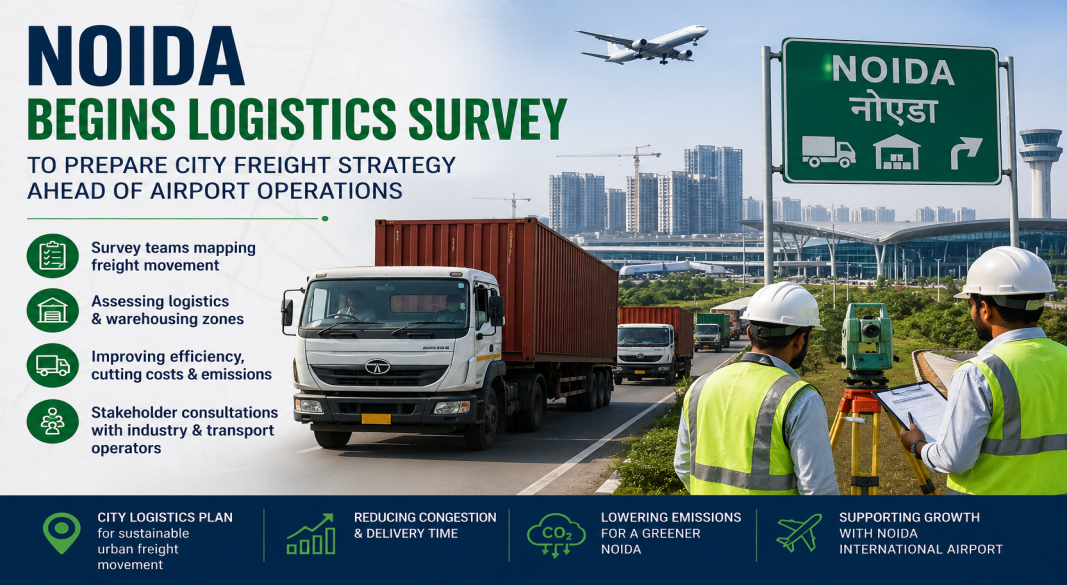
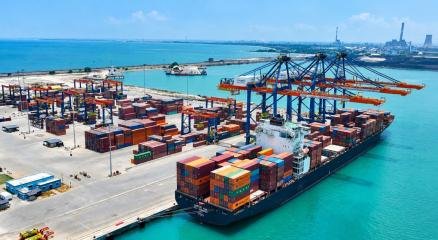
With the upcoming expansion of cargo and aviation activity linked to the Noida International Airport, the Noida Authority has initiated a citywide survey exercise aimed at developing a comprehensive City Logistics Plan (CLP) for the region.
Officials said survey teams have begun collecting data from industrial corridors, transportation routes, logistics facilities and warehousing zones across the city. The findings will form the basis of a long-term strategy intended to improve freight movement, reduce congestion, and support sustainable urban logistics growth.
The City Logistics Plan is being prepared under the framework of the National Logistics Policy (NLP), a flagship initiative of the central government focused on improving supply chain efficiency and reducing logistics costs across India. Noida is among the selected cities identified for implementing the programme.
According to officials, the survey exercise is expected to continue for about a week. Once completed, the collected data will be analysed and compiled into a report that will help shape future logistics infrastructure planning.
Vaibhav Gupta, Senior Manager in the Noida Authority’s Planning Department, said the study will assess existing freight movement patterns and identify opportunities to improve delivery efficiency while lowering transportation-related emissions. He added that the initiative is expected to support smoother cargo operations as economic activity around the upcoming airport gathers momentum.
The project is being coordinated by the Department for Promotion of Industry and Internal Trade (DPIIT) under the Ministry of Commerce and Industry. Consulting firm Ernst & Young (EY) has been appointed to assist with the planning and execution of the study.
As part of the assessment, officials will examine truck traffic volumes, freight corridors, warehousing infrastructure, logistics hubs and parking facilities. The study will also evaluate measures aimed at reducing bottlenecks, improving vehicle movement and encouraging environmentally sustainable freight practices. Feedback from industry representatives, transport operators and other stakeholders will be incorporated into the planning process.
Noida remains one of northern India’s most significant industrial and manufacturing centres, hosting more than 10,000 industrial units across multiple sectors. The city has developed strong clusters in electronics, mobile phone manufacturing, engineering products, electrical equipment, automotive components, garments, packaging materials and IT hardware.
Industry leaders have welcomed the move, saying the city’s logistics ecosystem requires a more coordinated approach. Business representatives believe a structured logistics framework can help improve operational efficiency, lower transportation costs and strengthen industrial competitiveness.
Entrepreneurs have also highlighted persistent challenges related to truck parking. The absence of dedicated parking zones often forces commercial vehicles carrying raw materials to stop along roadsides, contributing to traffic congestion and operational delays.
Another issue raised by industry groups concerns restrictions on truck entry into Delhi during peak hours. These regulations frequently lead to vehicle queues near the Delhi-Noida border, affecting cargo movement toward neighbouring states such as Haryana and Rajasthan. Stakeholders have suggested that authorities explore dedicated freight routes or alternative traffic-management measures to facilitate smoother movement of goods.
The proposed City Logistics Plan is expected to provide a roadmap for addressing these challenges while preparing Noida for future growth as a major logistics and cargo hub in the National Capital Region.

FedEx Europe has launched a digital booking and management portal for temperature-controlled pharmaceutical shipments across 26 European markets, aiming to simplify healthcare logistics and strengthen the management of sensitive medical products ahead of the year-end peak shipping season. Announced on 13 October 2026, the platform provides pharmaceutical manufacturers, biotechnology companies and clinical trial operators with digital access to FedEx® Temp-Assure Advantage, the company's specialised temperature-controlled shipping solution. The portal enables customers to complete onboarding, order pre-conditioned packaging, schedule shipments and manage returns through a streamlined online interface, reducing reliance on traditionally complex and manual processes. The launch comes amid growing demand for specialised logistics services to support biologics, specialty medicines and vaccines, which require stringent temperature management to preserve product efficacy and patient safety. By bringing booking and shipment management into a single digital channel, FedEx aims to give healthcare businesses greater operational control and simplify access to its temperature-sensitive shipping capabilities. Temperature Control and Shipment Integrity FedEx® Temp-Assure Advantage combines qualified packaging, tested at the company's FedEx Packaging Lab, with its integrated European transportation network to help maintain the required temperature conditions throughout transit. The solution supports three temperature ranges: frozen shipments between -25°C and -15°C, refrigerated shipments between 2°C and 8°C, and controlled room-temperature shipments between 15°C and 25°C. Advanced vacuum-insulated packaging and phase-change materials help maintain the specified temperatures for more than 96 hours, supporting the movement of sensitive pharmaceutical products across domestic and intra-European routes. CEIV Pharma-certified facilities and standardised processes further support shipment control, visibility and compliance throughout the transportation journey. These capabilities are particularly relevant to pharmaceutical and life sciences supply chains, where temperature excursions can compromise product quality and lead to costly losses or disruptions. The portal is currently available for domestic and intra-European non-freight shipments in Austria, Belgium, Bulgaria, the Czech Republic, Denmark, Estonia, Finland, France, Germany, Great Britain, Greece, Hungary, Ireland, Italy, Latvia, Lithuania, Luxembourg, the Netherlands, Norway, Poland, Romania, Slovakia, Slovenia, Spain, Sweden and Switzerland. Reusable Packaging Supports Sustainability Alongside temperature control and digital convenience, the service incorporates a reusable packaging model. Containers are collected after use, refurbished and redeployed, helping reduce packaging waste while maintaining performance standards. This approach supports efforts to improve the environmental efficiency of pharmaceutical logistics without compromising the specialised handling requirements of temperature-sensitive products. Commenting on the launch, Toby Hay, managing director international marketing at FedEx Europe, said: “As pharmaceutical supply chains become more global and increasingly focused on high-value, temperature-sensitive therapies, healthcare companies need logistics partners that can combine reliability, compliance and ease of access,” “This new portal represents an important step in simplifying access to specialized temperature-controlled capabilities, helping customers manage critical shipments more efficiently and with greater confidence, particularly as they prepare for the increased demands of the year-end Peak season.” The portal forms part of FedEx's broader digitalisation efforts to make specialised logistics services more accessible and manageable. Its introduction ahead of the year-end shipping peak is intended to help healthcare businesses prepare for higher shipment volumes while maintaining control over critical deliveries. As pharmaceutical supply chains become more specialised and geographically dispersed, digital booking tools, qualified packaging and integrated transportation networks are increasingly important to maintaining reliability. FedEx's latest initiative combines these elements to support temperature-controlled pharmaceutical shipping across Europe, with a focus on operational efficiency, product integrity and patient safety. 𝐒𝐭𝐚𝐲 𝐓𝐮𝐧𝐞𝐝 𝐭𝐨 CARGOCONNECT 𝐟𝐨𝐫 𝐥𝐚𝐭𝐞𝐬𝐭 𝐮𝐩𝐝𝐚𝐭𝐞𝐬!

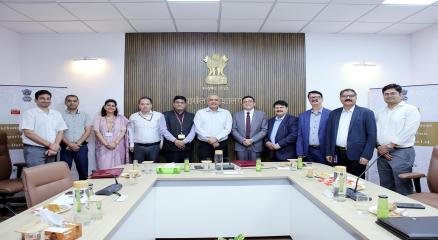

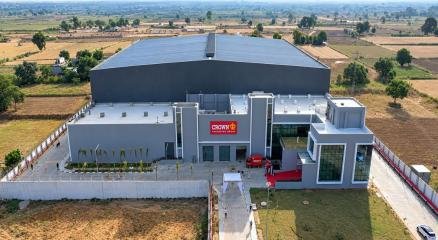
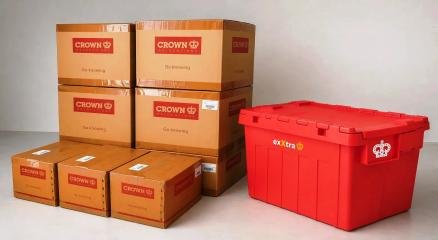
Hong Kong-based Crown Worldwide Group has strengthened its presence in India with the inauguration of a 135,000-sq-ft integrated facility at Siwari in Gurugram, Delhi-NCR. The expansion forms part of the company’s broader India growth strategy, with Crown targeting more than ₹500 crore in annual revenue from the country by 2030, compared with nearly ₹300 crore in FY2024-25. Spread across 7.5 acres, the new facility is among Crown’s largest in India and brings together information management, workspace, relocation, logistics, mobility and fine art services under its integrated ‘One Crown’ approach. The site includes an 82,000-sq-ft warehouse with capacity to accommodate up to 900,000 cartons. The facility is also green-building certified, with 20 per cent of the site dedicated to green coverage. The co-location of multiple business units is designed to enable Crown to offer customers a wider range of services through a single platform while improving operational collaboration. The facility is expected to strengthen the company’s ability to serve corporate customers across Delhi-NCR and North India, including businesses seeking integrated relocation, storage, information management and logistics solutions. “India is central to our future, and we are delighted to support a growing number of India-headquartered multinational companies,” said Jennifer Harvey, Group Chief Executive Officer, Crown Worldwide Group. She added that the company’s investment reflects its commitment to simplifying the process of living, working and doing business across markets. Crown also plans to increase its investment in India. After investing $15 million over the past two years, the company intends to invest an additional $15 million over the next two years, taking its planned investment to $30 million. Its Indian business is currently growing at an estimated 10–12 per cent annually, making the country one of its fastest-growing markets. The company is simultaneously broadening its India proposition beyond its traditional relocation logistics operations. Its strategy includes records management, document digitisation, workplace asset management and information governance, responding to growing demand from global capability centres, hybrid work models and evolving compliance requirements. Crown currently operates 36 warehouses and facilities across India, with owned facilities in Mumbai, Chennai, Bengaluru, Coimbatore and Delhi. The Gurugram expansion follows the opening of a 76,000-sq-ft centre in Bengaluru in September 2025 and a 4.5-acre facility in Coimbatore in May 2026. Globally, Crown generates more than $600 million in annual revenue. 𝐒𝐭𝐚𝐲 𝐓𝐮𝐧𝐞𝐝 𝐭𝐨 CARGOCONNECT 𝐟𝐨𝐫 𝐥𝐚𝐭𝐞𝐬𝐭 𝐮𝐩𝐝𝐚𝐭𝐞𝐬!

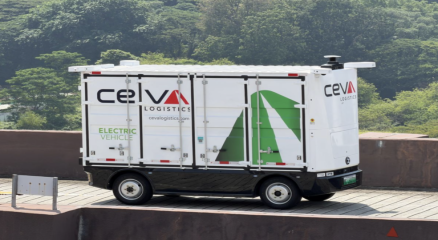

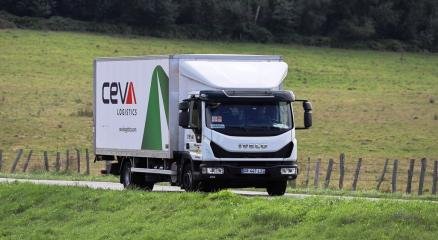
CEVA Logistics has secured the EcoVadis Platinum Medal, the highest distinction awarded by the global business sustainability ratings provider, placing the company among the top 1% of businesses assessed worldwide over the preceding 12 months. CEVA achieved an overall EcoVadis score of 88 out of 100, marking a seven-point improvement over its 2025 Gold Medal score and highlighting the continued advancement of its sustainability performance across the global supply chain. The EcoVadis assessment evaluates companies across four core areas: Environment, Labour & Human Rights, Ethics, and Sustainable Procurement—using an evidence-based methodology covering policies, actions and reported results. The Platinum recognition provides independent validation of CEVA’s progress across these areas. The company’s sustainability strategy is anchored around three pillars: Acting for Planet, Acting for People and Acting for Partners, aligned with the broader sustainability commitments of parent company CMA CGM Group and the United Nations Sustainable Development Goals. CEVA’s strongest performance came in the Environment category, where it scored 95 out of 100, reflecting its focus on decarbonisation across its operations. The company is working towards the CMA CGM Group’s commitment to achieve net-zero emissions by 2050, with initiatives spanning lower-emission transport, more sustainable warehouse operations and its CEVA FORPLANET portfolio of low-carbon transport and circular-economy solutions. The Platinum recognition marks a significant step in CEVA’s sustainability trajectory, while reinforcing its positioning as a supply chain partner focused on measurable ESG performance, decarbonisation and long-term operational sustainability.