
Loading...
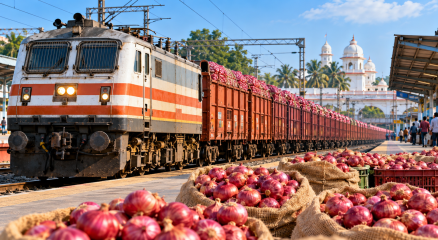
The Government of India has expanded its rail-based onion distribution network in the Northeast, with the first-ever Kanda Express consignment carrying approximately 440 metric tonnes (MT) of buffer-stock onions to Agartala, Tripura. The initiative aims to strengthen market availability, improve regional supply chains and help stabilise prices ahead of the festive season. The Department of Consumer Affairs arranged the movement under the Price Stabilisation Fund (PSF), extending the special rail service to Tripura after earlier consignments were transported to Assam. The consignment was scheduled to reach Agartala by 18 October 2026, providing additional supplies to meet seasonal demand for the essential commodity. Strengthening Last-Mile Distribution Across Tripura The initiative is expected to improve onion availability across seven of Tripura’s eight districts: Dhalai, South Tripura, Khowai, Unakoti, West Tripura, Gomati and Sepahijala. By combining rail-based transportation with road distribution, the government aims to improve the movement of buffer stocks into key consumption centres and strengthen last-mile access. The extension to Agartala forms part of a broader strategy to address regional supply imbalances, particularly in the Northeast, where reliable transportation links are important for ensuring the timely movement of essential commodities. The Kanda Express initiative is designed to supplement existing market supplies and help moderate price fluctuations during periods of increased demand. According to the Department of Consumer Affairs, two Kanda Express rail consignments carrying 840 MT and 452 MT of onions, respectively, along with 44 truck consignments transporting a combined 1,513.46 MT, have supplied buffer onions across the Northeast. The distribution network has covered locations in Assam, Tripura and Nagaland, including Guwahati, Kamrup, Gomati, Dimapur, Kohima, Niuland, Sepahijala and Chumoukedima. Buffer Stocks Support Price Stabilisation The latest rail movement comes as fresh Kharif onion arrivals have contributed to a moderation in wholesale prices. The all-India average mandi price declined from approximately ₹3,600 per quintal in September to around ₹3,300 per quintal in October 2026. Government data also indicated that retail onion prices had fallen by ₹1-₹13 per kg across 211 cities over the preceding two weeks. Calibrated releases from buffer stocks are intended to supplement market supplies, improve availability and reduce undue price volatility. The Department of Consumer Affairs continues to monitor onion prices, market arrivals and supply conditions to determine further releases from the PSF buffer. Additional consignments will be dispatched as required, based on prevailing market conditions and regional demand. The first Kanda Express movement to Tripura highlights the role of rail-led freight distribution in improving access to essential commodities. By expanding the reach of buffer stocks and integrating rail and road transportation, the initiative seeks to strengthen supply resilience and support more stable consumer prices during the festive season. 𝐒𝐭𝐚𝐲 𝐓𝐮𝐧𝐞𝐝 𝐭𝐨 CARGOCONNECT 𝐟𝐨𝐫 𝐥𝐚𝐭𝐞𝐬𝐭 𝐮𝐩𝐝𝐚𝐭𝐞𝐬!

Milwaukee Mitchell International Airport (MKE) has completed a new air cargo centre in partnership with real estate developer Crow Holdings, marking a significant addition to Wisconsin’s freight and logistics infrastructure. The facility will strengthen regional cargo operations and improve access to domestic and international freight markets. Located at the MKE Regional Business Park on the former site of the 440th Airlift Wing, the 337,000-square-foot facility is designed to accommodate up to five Boeing 747-400 aircraft simultaneously. Construction began in February 2025, following years of planning and collaboration between the airport and Crow Holdings. The development is intended to provide manufacturers, distributors and logistics providers with additional air freight capacity and a more direct route to global shipping networks. A key objective of the project is to offer businesses in southeastern Wisconsin an alternative to routing freight through airports in neighbouring Illinois, particularly Chicago-area gateways that can experience congestion, delays and higher operating costs. By expanding cargo infrastructure closer to regional manufacturing and distribution centres, MKE aims to support more predictable freight movements and improve supply chain efficiency. The airport’s location along the Interstate 94 corridor also provides access to trucking networks serving Wisconsin and the wider Midwest. Its existing airfield capabilities, road connectivity and potential for further cargo development could help attract additional cargo operators and strengthen links between air freight and road transport. The project represents an investment of approximately $80 million and forms part of a public-private partnership between Milwaukee Mitchell International Airport and Crow Holdings. Alongside the cargo facility, the broader development includes improvements to adjacent taxiways to support wide-body freighter operations, as well as a new Milwaukee County Highway Maintenance Facility. These infrastructure enhancements are expected to improve accessibility for cargo aircraft and support the region’s transportation requirements. The new centre is also expected to generate recurring revenue for the airport. Projections indicate annual aircraft landing fees of more than $1.3 million, in addition to over $1 million in ground lease rents and fees. The development is expected to create employment opportunities, attract new business and contribute to economic growth across Wisconsin. For the regional logistics industry, the facility provides an opportunity to expand air freight capacity while offering shippers another gateway for moving goods across the United States and international markets. Its long-term contribution will depend on cargo operator participation, freight volumes and the development of supporting logistics services. With the completion of the new air cargo centre, the airport is strengthening its position as an alternative cargo gateway in the Midwest, supporting manufacturers and supply chain operators seeking greater flexibility, connectivity and efficiency in freight transportation. 𝐒𝐭𝐚𝐲 𝐓𝐮𝐧𝐞𝐝 𝐭𝐨 CARGOCONNECT 𝐟𝐨𝐫 𝐥𝐚𝐭𝐞𝐬𝐭 𝐮𝐩𝐝𝐚𝐭𝐞𝐬!
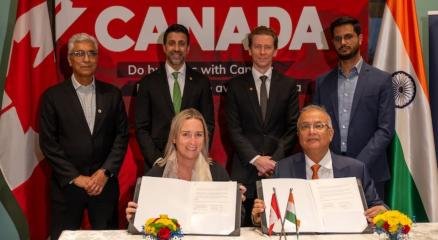
The Port of Montreal and Adani Group have renewed their collaboration agreement to strengthen maritime trade between India and Canada, improve cargo connectivity and create new business opportunities for exporters, importers and logistics providers. The agreement was signed in Mumbai on October 15, 2026, during Team Canada’s trade mission to India, held from October 12 to 17. Captain Sandeep Mehta, representing Adani Group, and Marie-Claude Galarneau, Executive Vice-President and Chief Operating and Transformation Officer of the Montreal Port Authority (MPA), signed the agreement in the presence of Canada’s Minister of International Trade, Maninder Sidhu. The renewed partnership builds on cooperation established in 2018 and prioritises the development of the Mundra-Montreal maritime corridor. Key areas of collaboration include joint business promotion, information sharing, the exchange of port and technological expertise, and improvements in port operations and road-rail connectivity. The organisations will also explore opportunities in vehicle transportation and exchanges between their teams. India ranked as the Port of Montreal’s second-largest trading partner in 2025, with approximately one million tonnes of goods exchanged between the two countries through the port. Exports accounted for around 60% of the trade volume, while imports represented the remaining 40%. Major commodities imported from India include food products, ceramics and plastics, while Montreal facilitates exports to India that include forestry and metal products. To strengthen its market presence, the MPA has appointed Prakash Tulsiani as its representative in India. The appointment is expected to improve engagement with shipping lines, freight forwarders, importers and exporters, helping identify commercial opportunities and promote the port’s services. The Port of Montreal handled 34.3 million tonnes of cargo in 2025, including containerised freight, liquid bulk and dry bulk. Its container throughput reached 1.52 million TEUs, underlining its role as a diversified gateway for international trade and multimodal logistics. The agreement comes amid broader efforts by India and Canada to expand bilateral commercial engagement and diversify international trade partnerships. Both countries are also pursuing a Comprehensive Economic Partnership Agreement, which could create further opportunities for businesses and logistics stakeholders. For supply chain operators, the renewed collaboration offers a framework to explore more efficient cargo movement, share operational best practices and strengthen connections between maritime and inland transport networks. However, the agreement does not announce a new scheduled direct shipping service; actual routing and transit arrangements will continue to depend on carrier networks and cargo requirements. As trade flows evolve, closer cooperation between the Port of Montreal and Adani Group could help businesses assess new market opportunities and improve access to international supply chains. The partnership's long-term impact will depend on commercial participation, reliable transport connections and the growth of cargo volumes between the two countries. 𝐒𝐭𝐚𝐲 𝐓𝐮𝐧𝐞𝐝 𝐭𝐨 CARGOCONNECT 𝐟𝐨𝐫 𝐥𝐚𝐭𝐞𝐬𝐭 𝐮𝐩𝐝𝐚𝐭𝐞𝐬!
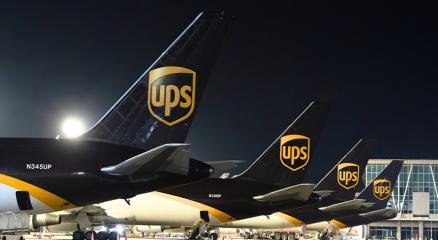
UPS has opened a new international air hub at Clark International Airport in the Philippines, backed by an investment of more than US$80 million. The facility is designed to strengthen global trade connectivity, expand parcel-processing capacity and improve delivery speeds across key international trade lanes. The development forms part of UPS’s broader strategy to reinforce its Asia-Pacific logistics network amid evolving trade patterns and growing demand for reliable, time-sensitive international shipments. UPS Clark Hub Expands Package Processing and Global Connectivity Spanning 30,000 square metres, the new facility is 15 times larger than the previous hub and can process an average of 46,000 packages daily, with a maximum throughput of 15,000 packages per hour. It is equipped to support specialised shipments for healthcare, high-tech and manufacturing customers, including consignments that require time-sensitive or temperature-controlled handling. The hub operates within UPS’s expanding international air network, with 170 weekly flight segments to and from Clark. These services connect businesses across Asia-Pacific, India, Europe and the United States, enabling shipments to reach some international destinations in as little as one business day. According to UPS, the expanded facility will improve services across more than 1,100 global trade lanes. Shipments to and from eastern China and other major Asia-Pacific markets could benefit from delivery times up to two days faster. Connections between several Southeast Asian markets and India are also expected to become faster, alongside improvements to services originating from or destined for the Philippines. Extended collection cut-off times and earlier deliveries are additional benefits for customers. Automation and Temperature-Controlled Handling Technology and specialised infrastructure form a central part of the new hub's operations. The facility incorporates an automated small-package sorting system capable of handling up to 9,000 packages weighing less than three kilograms per hour. This is intended to improve sorting efficiency and support the processing of high shipment volumes. For healthcare and other sensitive cargo, the hub features three refrigeration and freezer units operating across a temperature range of -20°C to 25°C, dedicated re-icing capabilities and UPS Premier radio-frequency identification (RFID) technology. These systems are designed to support priority handling and improve shipment visibility for critical and temperature-sensitive consignments. The facility also incorporates electric ground-service equipment, including cargo tractors, belt loaders, cargo loaders, ground power units and forklifts. Its sustainability certification and building design aligned with Leadership in Energy and Environmental Design (LEED) standards reflect an emphasis on operational efficiency and environmental considerations. Investment Strengthens the Philippines' Logistics Infrastructure The investment has created nearly 600 jobs across operations, security, information technology, maintenance and other functions, with recruitment extending to communities in Pampanga and neighbouring areas. UPS established its first hub at Clark International Airport in 2002, making the new facility a significant expansion of its long-standing presence in the Philippines. Bernard Jiang, president of UPS Asia-Pacific, said the project forms part of a sustained investment strategy to strengthen the company's regional network and provide faster connections in response to growing trade flows. The Clark hub follows other recent UPS investments in Asia-Pacific, including the opening of a major logistics centre in Taiwan, construction of a new hub at Hong Kong International Airport and an expansion at Incheon Airport in South Korea. Together, these developments underline the company's focus on improving regional connectivity, service reliability and supply chain resilience as businesses navigate changing trade routes and increasingly complex logistics requirements. 𝐒𝐭𝐚𝐲 𝐓𝐮𝐧𝐞𝐝 𝐭𝐨 CARGOCONNECT 𝐟𝐨𝐫 𝐥𝐚𝐭𝐞𝐬𝐭 𝐮𝐩𝐝𝐚𝐭𝐞𝐬!
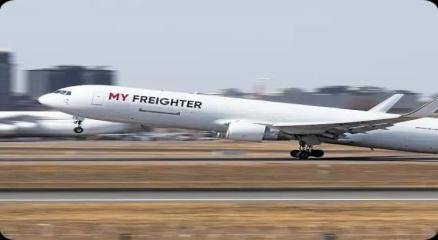
Tashkent-based air cargo carrier My Freighter has secured approval to operate cargo services to the United Kingdom, as it expands its fleet and international network. The carrier has received ACC3 designation from the UK Department for Transport, confirming that its cargo security procedures meet the country's aviation security requirements. The airline expects to commence UK-bound operations soon, with flight schedules to be announced. The approval will enable My Freighter to offer secure and compliant air freight services from Tashkent to the UK, establishing another connection for shippers and freight forwarders in Uzbekistan and neighbouring markets. The development is expected to strengthen cargo connectivity between Central Asia and Europe, while providing businesses with an additional air freight option for international shipments. ACC3 designation is a key regulatory requirement for air carriers transporting cargo or mail from outside the UK into the country. Under the UK's aviation security framework, carriers must obtain this designation before such shipments can be accepted for arrival at UK airports. The approval therefore provides My Freighter with the necessary security clearance to pursue its planned operations in the market. Fleet Expansion Supports Network Growth The UK approval comes as My Freighter continues to expand its dedicated freighter fleet. On 4 October 2026, the airline received its tenth Boeing 767 freighter, registered UK67023, at its Tashkent hub. The aircraft, a Boeing 767-328ER converted freighter, brought the carrier's Boeing 767 fleet to 10 aircraft and its total fleet to 11, including one Boeing 757 freighter. The airline plans to add four freighters during 2026 and is targeting a fleet of 50 aircraft by 2030, according to Business Development Director Mohy Sheneshen. It is also planning to introduce an Airbus A330-200 freighter to support longer-distance routes, with the United States identified as a key potential market. Tashkent Emerging as a Cargo Hub My Freighter is developing its network around Tashkent through a hub-and-spoke operating model, connecting regional cargo flows with international destinations. In August, it launched daily cargo flights from Liège Airport to improve connectivity between Europe and Central Asia. The carrier has also signed interline agreements with Air Canada Cargo and Singapore Airlines Cargo, extending its access to partner networks. Alongside its fleet and route expansion, the airline is developing a dedicated cargo terminal at Tashkent Airport. The facility was expected to begin a soft opening in November or December 2026, supporting its growing operational requirements. My Freighter is also targeting cargo flows across Africa and the Middle East, as well as trade lanes linking Asia and the Commonwealth of Independent States (CIS) with Europe. North and South American markets form part of its broader expansion plans. The UK designation adds another market to the carrier's growth strategy. As My Freighter increases its aircraft capacity, strengthens its hub infrastructure and develops partnerships, the planned UK services could create additional routing options for freight forwarders and businesses moving goods between Central Asia and international markets. 𝐒𝐭𝐚𝐲 𝐓𝐮𝐧𝐞𝐝 𝐭𝐨 CARGOCONNECT 𝐟𝐨𝐫 𝐥𝐚𝐭𝐞𝐬𝐭 𝐮𝐩𝐝𝐚𝐭𝐞𝐬!
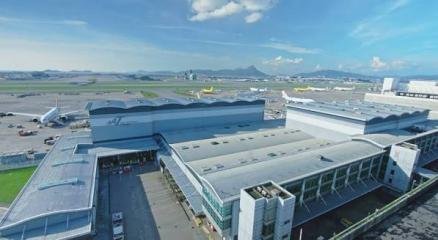
Asia Airfreight Terminal (AAT) has renewed its operating franchise with Airport Authority Hong Kong (AAHK) for a further 15 years, securing its presence at Hong Kong International Airport (HKIA) from 2028 to 2043. The agreement reinforces the cargo terminal operator’s long-term commitment to Hong Kong’s air freight industry, with plans to expand handling capacity to 2 million tonnes. A subsidiary of SATS Ltd and an affiliate of Eastern Option Ltd., AAT has operated at HKIA since 1998. Its services include physical air cargo handling and documentation processing for airlines, supporting the movement of freight through one of the region’s key international aviation gateways. The franchise renewal comes as Hong Kong strengthens its aviation infrastructure and regional transport links. The full commissioning of HKIA’s Three-Runway System is expected to support the airport’s long-term development, while improved multimodal connectivity across the Greater Bay Area offers opportunities to enhance cargo movement and links between air freight and other transport networks. Mike Chew, Chief Executive Officer of AAT, said: “We are honoured to continue our long-standing partnership with Airport Authority Hong Kong. Building on nearly three decades of experience at HKIA, we will continue to invest in enhancing the infrastructure, technology, operational capabilities, including increasing our cargo handling capacity to 2 million tonnes, for long-term development of Hong Kong’s air cargo industry.” The planned capacity increase will be supported by continued investment in infrastructure, technology and operational capabilities, aimed at improving efficiency and meeting evolving requirements across the air cargo supply chain. AAT’s specialised facilities include AAT COOLPORT, which holds IATA CEIV Pharma and CEIV Fresh certifications, alongside World Health Organization Good Distribution Practices (GDP) accreditation for pharmaceutical products. These credentials support the handling of temperature-sensitive pharmaceuticals and fresh produce. AAT’s renewed franchise follows a similar extension secured by Hong Kong Air Cargo Terminals Limited (Hactl), another major cargo terminal operator at HKIA, whose agreement also runs until 2043. Together, the extensions provide long-term operating continuity for the airport’s cargo handling sector as Hong Kong seeks to strengthen its position as an international air freight hub. 𝐒𝐭𝐚𝐲 𝐓𝐮𝐧𝐞𝐝 𝐭𝐨 CARGOCONNECT 𝐟𝐨𝐫 𝐥𝐚𝐭𝐞𝐬𝐭 𝐮𝐩𝐝𝐚𝐭𝐞𝐬!


Liege Airport handled more than one million tonnes of air cargo in the first nine months of 2026, with strong export growth offsetting the impact of new European charges on low-value e-commerce parcels. The Belgian cargo hub processed 1,032,283 tonnes of freight between January and September, marking a 7.3% increase from 961,640 tonnes recorded during the same period in 2025. According to the airport’s latest traffic figures, exports were the principal driver of growth. Outbound cargo volumes rose 18.5% year-on-year to 453,265 tonnes, compared with 382,299 tonnes in the first nine months of last year. The performance enabled the airport to cross the one-million-tonne milestone by the end of September, despite a slowdown in overall activity during the third quarter. During the July-September quarter, Liege Airport handled 334,467 tonnes of freight, marginally below the 334,950 tonnes recorded in the corresponding period of 2025. Aircraft movements declined by 6% to 6,826, compared with 7,261 a year earlier. The airport attributed the reduction in flight activity largely to the introduction of a €3 charge on imported parcels valued below €150, which came into effect on 1 July 2026. Since the measure was introduced, volumes of small parcels have fallen by 42%, affecting part of the airport’s e-commerce business and reducing the number of flights dedicated to this segment. The development highlights the immediate effect of regulatory changes on cross-border e-commerce flows and the air cargo operations that support them. The slowdown in parcel traffic contrasts with the continued expansion of export shipments, demonstrating how different cargo segments are influencing the airport’s overall performance. Despite the third-quarter slowdown, aircraft movements remained broadly stable over the first nine months of 2026. The airport recorded 21,180 movements between January and September, compared with 21,153 during the same period last year. The difference between cargo tonnage growth and aircraft movements suggests that freight volumes have expanded without a corresponding increase in total flight activity. Meanwhile, the strong export performance has helped sustain the airport’s growth amid changing market conditions. Commenting on the results, Laurent Jossart, CEO of Liege Airport, said, “The sluggish growth in the third quarter reflects the immediate impact of the new tax applied to small parcels. But when we look at the results since the beginning of the year, we can see that the airport continues to grow. We recorded stable traffic in terms of the number of movements, passed the million-tonne mark and posted particularly strong growth in exports. These results demonstrate the resilience of our platform and the diversification of our cargo activities.” The nine-month performance underlines the importance of export demand and diversified cargo flows to Liege Airport’s operations. However, the impact of the new parcel charge on e-commerce volumes and flight activity will remain an important factor for the airport as the year progresses. 𝐒𝐭𝐚𝐲 𝐓𝐮𝐧𝐞𝐝 𝐭𝐨 CARGOCONNECT 𝐟𝐨𝐫 𝐥𝐚𝐭𝐞𝐬𝐭 𝐮𝐩𝐝𝐚𝐭𝐞𝐬!
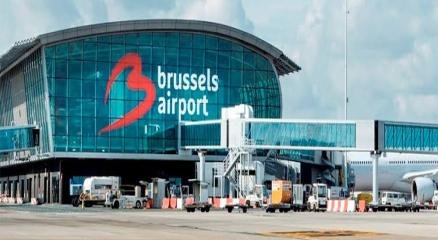
Brussels Airport recorded a 6.8% year-on-year increase in cargo volumes in September 2026, handling 70,257 tonnes of freight as growth in trucked cargo and shipments carried on passenger aircraft supported overall performance. The airport also maintained positive momentum during the first nine months of the year, with cumulative cargo throughput rising 8.1% to more than 627,000 tonnes. The September figures highlight the contribution of road-based cargo movements to the airport’s expanding logistics activity, alongside continued growth in air freight transported on passenger services. Trucked Cargo Drives Monthly Growth Trucked cargo volumes increased by 37.2% compared with September 2025, emerging as the primary driver of the airport’s overall cargo growth. Meanwhile, flown cargo volumes rose by 2.5%, supported largely by an 11.4% increase in freight carried aboard passenger aircraft. However, the airport reported marginal declines in two other segments. Full-freighter cargo volumes decreased by 1.1%, while the integrator segment recorded a 0.2% contraction. The contrasting performance across cargo categories underlines the importance of diversified transport capacity and the integration of road and air networks in supporting freight flows through major European logistics hubs. Asia and the Americas Remain Key Trade Regions Asia, Latin America and North America were the leading regions for imports handled at Brussels Airport in September. On the export side, Asia and Latin America ranked highest, followed by Africa. These trade flows reinforce the airport’s role in connecting European supply chains with major international markets. Brussels Airport also specialises in pharmaceutical products, perishable goods, e-commerce shipments and live-animal transport, supporting cargo segments with specific handling and infrastructure requirements. The airport’s focus on specialised logistics is particularly relevant to pharmaceutical and life sciences supply chains, where temperature-controlled facilities and reliable handling processes are essential. Cargo Growth Continues Through 2026 From January to September 2026, Brussels Airport handled more than 627,000 tonnes of cargo, an 8.1% increase over the corresponding period in 2025. Cargo flight movements also grew by 3.2% in September year on year, indicating an increase in dedicated cargo flight activity despite the slight declines recorded in the full-freighter and integrator volume segments. Overall, the airport has also been strengthening its cargo ecosystem through industry partnerships and infrastructure development. In September, it signed a memorandum of understanding with Hyderabad International Airport to enhance air cargo connectivity between Belgium and India, with particular attention to pharmaceutical and life sciences shipments. Separately, a new 14,000-square-metre logistics facility for Yusen Logistics and Air Promotions Agencies is under development, with completion scheduled for 2027. The combination of rising throughput, stronger road-feeder activity and targeted infrastructure investments positions Brussels Airport to support evolving international freight requirements. 𝐒𝐭𝐚𝐲 𝐓𝐮𝐧𝐞𝐝 𝐭𝐨 CARGOCONNECT 𝐟𝐨𝐫 𝐥𝐚𝐭𝐞𝐬𝐭 𝐮𝐩𝐝𝐚𝐭𝐞𝐬!
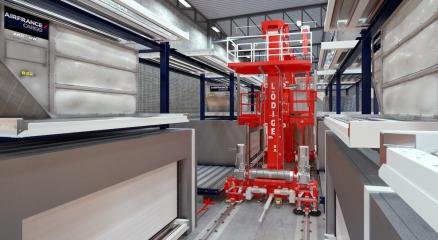
Air France KLM Martinair Cargo has initiated a project to expand and automate its perishables centre at Paris-Charles de Gaulle Airport (CDG), in partnership with Lödige Industries, to increase storage capacity, improve operational efficiency and strengthen its handling capabilities for temperature-sensitive shipments. The project reflects the growing importance of automated infrastructure in maintaining efficient and reliable cold-chain logistics. The dedicated cargo business of the Air France-KLM Group is implementing an elevating transfer vehicle (ETV) system to enable automated, multi-level storage and retrieval of unit load devices (ULDs) and pallets. The solution is designed to maximise the use of available building space while accommodating future growth in cargo volumes. By automating storage and retrieval operations, the system is expected to reduce manual handling, streamline internal cargo movements and improve the utilisation of existing storage capacity. It will also support consistent handling processes within dedicated temperature-controlled areas, which are critical for preserving the quality and integrity of perishable goods throughout their journey through the cargo facility. “Expanding our temperature-controlled cargo capabilities at Paris-Charles de Gaulle is an important step in strengthening our cold-chain operations. The new automated storage solution will enable us to handle growing volumes more efficiently and further enhance the cargo handling flow for temperature-sensitive shipments at CDG,” the project team at Air France KLM Martinair Cargo said. The installation will feature a 10-foot-wide edge ETV serving 58 storage decks, of which 17 will be located within temperature-controlled areas. This configuration will allow the facility to combine high-density storage with dedicated temperature-managed space, supporting the operational requirements of perishable cargo. Lödige Machine Warburg and Lödige Machine Romania are supplying the system, which is scheduled to become operational at the end of September 2027. The installation is expected to provide a scalable foundation for further automation as cargo volumes and cold-chain requirements evolve. Commenting on the project, Björn Ussat, Director Airport Logistic Solutions at Lödige Industries, said: “Cold-chain logistics place particularly high demands on reliability, efficient use of space and consistent handling processes. This project demonstrates how automation can help cargo operators optimise storage capacity and internal material flows while supporting the stringent handling requirements of temperature-sensitive shipments. We are delighted to support Air France KLM Martinair Cargo with an efficient and scalable solution that also provides a solid basis for future expansion of automated storage processes at Paris-Charles de Gaulle,” The investment will reinforce Paris-CDG's role in the group's cargo operations by improving how temperature-sensitive shipments are stored and transferred within the facility. Automated storage systems can help cargo operators manage space constraints, reduce unnecessary handling and establish more predictable internal workflows. For Air France KLM Martinair Cargo, the project forms part of the broader effort to strengthen specialised cargo-handling capabilities as supply chains increasingly demand reliable infrastructure for perishable goods. Efficient cold-chain operations are particularly important for shipments such as fresh produce, flowers and other temperature-sensitive commodities, where handling conditions and transit efficiency can influence product quality. As air cargo facilities face growing pressure to improve throughput without proportionate increases in their physical footprint, automation offers a way to enhance capacity and operational consistency. The Paris-CDG project combines these objectives with dedicated temperature-controlled storage, positioning the facility to accommodate future demand while maintaining the handling standards required for perishables. 𝐒𝐭𝐚𝐲 𝐓𝐮𝐧𝐞𝐝 𝐭𝐨 CARGOCONNECT 𝐟𝐨𝐫 𝐥𝐚𝐭𝐞𝐬𝐭 𝐮𝐩𝐝𝐚𝐭𝐞𝐬!
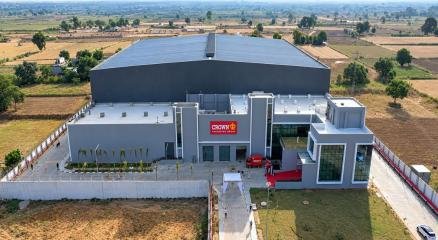
Hong Kong-based Crown Worldwide Group has strengthened its presence in India with the inauguration of a 135,000-sq-ft integrated facility at Siwari in Gurugram, Delhi-NCR. The expansion forms part of the company’s broader India growth strategy, with Crown targeting more than ₹500 crore in annual revenue from the country by 2030, compared with nearly ₹300 crore in FY2024-25. Spread across 7.5 acres, the new facility is among Crown’s largest in India and brings together information management, workspace, relocation, logistics, mobility and fine art services under its integrated ‘One Crown’ approach. The site includes an 82,000-sq-ft warehouse with capacity to accommodate up to 900,000 cartons. The facility is also green-building certified, with 20 per cent of the site dedicated to green coverage. The co-location of multiple business units is designed to enable Crown to offer customers a wider range of services through a single platform while improving operational collaboration. The facility is expected to strengthen the company’s ability to serve corporate customers across Delhi-NCR and North India, including businesses seeking integrated relocation, storage, information management and logistics solutions. “India is central to our future, and we are delighted to support a growing number of India-headquartered multinational companies,” said Jennifer Harvey, Group Chief Executive Officer, Crown Worldwide Group. She added that the company’s investment reflects its commitment to simplifying the process of living, working and doing business across markets. Crown also plans to increase its investment in India. After investing $15 million over the past two years, the company intends to invest an additional $15 million over the next two years, taking its planned investment to $30 million. Its Indian business is currently growing at an estimated 10–12 per cent annually, making the country one of its fastest-growing markets. The company is simultaneously broadening its India proposition beyond its traditional relocation logistics operations. Its strategy includes records management, document digitisation, workplace asset management and information governance, responding to growing demand from global capability centres, hybrid work models and evolving compliance requirements. Crown currently operates 36 warehouses and facilities across India, with owned facilities in Mumbai, Chennai, Bengaluru, Coimbatore and Delhi. The Gurugram expansion follows the opening of a 76,000-sq-ft centre in Bengaluru in September 2025 and a 4.5-acre facility in Coimbatore in May 2026. Globally, Crown generates more than $600 million in annual revenue. 𝐒𝐭𝐚𝐲 𝐓𝐮𝐧𝐞𝐝 𝐭𝐨 CARGOCONNECT 𝐟𝐨𝐫 𝐥𝐚𝐭𝐞𝐬𝐭 𝐮𝐩𝐝𝐚𝐭𝐞𝐬!

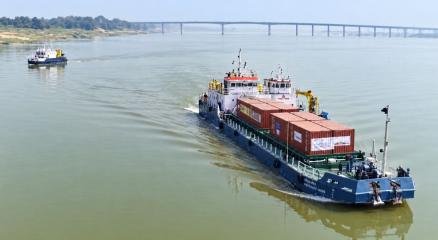
Assam has marked a significant milestone in India’s inland waterways and Northeast logistics landscape, with the first international cargo consignment from Upper Assam to a foreign port since Independence departing from the Bogibeel Terminal in Dibrugarh for Bangladesh. Union Minister for Ports, Shipping and Waterways Sarbananda Sonowal flagged off the vessel DLB Patkai, pushed by the tug Kushal Konwar, carrying 540 metric tonnes of methanol produced by Assam Petro-Chemicals Limited (APCL) at Namrup. The consignment is bound for Pangaon Port in Dhaka, Bangladesh, marking the revival of Dibrugarh’s international river trade after nearly seven decades. The cargo will travel approximately 768 km along the Brahmaputra, designated as National Waterway-2 (NW-2), before entering the Indo-Bangladesh Protocol Route (IBPR) for onward movement to Bangladesh. The overall journey from Bogibeel to Narayanganj is expected to cover around 1,300 km. The landmark movement is being viewed as a test of the Brahmaputra’s potential as a commercially viable freight corridor connecting the Northeast with international markets. The reopening of this route could provide industries in Assam and neighbouring states with an alternative to road-based transportation, while improving access to Bangladesh and other regional markets. The development has been enabled by infrastructure upgrades at Bogibeel and the establishment of customs and immigration facilities at Bogibeel and Dhubri. The Bogibeel passenger and cargo terminal, which became operational in 2024, is expected to play an important role in supporting future cargo movements. The Ministry of Ports, Shipping and Waterways said the initiative is expected to reduce logistics costs, ease pressure on road networks and strengthen regional economic connectivity. Regular methanol shipments to Bangladesh are also planned, indicating that the maiden voyage could evolve into a sustained trade service rather than remain a one-off movement. The revival also reconnects Dibrugarh with its historic role as a river-trade centre. Regular river cargo operations from the town declined after the mid-20th century as trade patterns shifted towards rail and other modes. The latest shipment represents a renewed effort to leverage the Brahmaputra for modern freight movement. Sonowal has also announced a ₹200-crore skill development centre at Bogibeel, expected to train around 50,000 young people from Assam and the Northeast over the next decade for opportunities in the maritime and shipping sectors. A With cargo movement on India’s national waterways rising substantially in recent years, the Dibrugarh-Dhaka shipment adds another dimension to the country’s multimodal logistics strategy. It could strengthen the Northeast’s position as a gateway to eastern and international markets while promoting inland waterways as a cost-efficient and lower-emission freight option. 𝐒𝐭𝐚𝐲 𝐓𝐮𝐧𝐞𝐝 𝐭𝐨 CARGOCONNECT 𝐟𝐨𝐫 𝐥𝐚𝐭𝐞𝐬𝐭 𝐮𝐩𝐝𝐚𝐭𝐞𝐬!
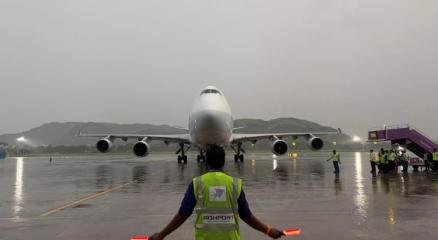
Cargo operations at Navi Mumbai International Airport (NMIA) are facing a series of operational challenges as airlines transition freight services from Mumbai’s Chhatrapati Shivaji Maharaj International Airport (CSMIA). Industry stakeholders have raised concerns over cargo-handling capacity, manpower shortages, equipment availability, delays in customs processes and inadequate coordination, creating uncertainty for carriers ahead of the peak air-freight season. The concerns have intensified following the decision by Malta-based Challenge Group to temporarily suspend its Mumbai cargo operations. The carrier said the current operating environment at NMIA does not yet provide the reliability and certainty required to maintain its services. Challenge Group had shifted its freighter operations to NMIA following the mandatory transition from CSMIA. According to Challenge Group, cargo-handling bottlenecks have affected both inbound and outbound operations. The airline's Chief Commercial Officer Or Zak highlighted constraints involving dollies, cargo availability and warehouse processes. He said a substantial volume of inbound cargo was waiting on dollies, limiting the ability to offload arriving aircraft, while export shipments were at times not ready, incorrectly built or awaiting release. The resulting bottlenecks could leave freighters departing with significantly reduced loads or, in some cases, without cargo. Customs brokers have separately flagged serious delays at the NMIA cargo complex. The Brihanmumbai Customs Brokers’ Association (BCBA) has reported instances of flight-checking delays exceeding 72 hours, along with shortages of operational manpower, loaders, forklifts, trained equipment operators and supervisory personnel. The association has also raised concerns about delays in registration and Permanent Deposit account opening, which can hold up cargo clearance even after shipments are ready for customs processing. Cargo storage has emerged as another concern, with the BCBA reporting instances of import consignments, including heavy and high-value shipments, being exposed to rain. The association has called for better covered storage, stronger cargo-handling procedures, adequate staffing and equipment, and faster resolution of operational grievances. The timing of these challenges is particularly significant as air cargo volumes enter the traditional peak season. Industry bodies and freight forwarders have indicated that the problems are not isolated, pointing to recurring delays in flight checking, cargo handling and account registration since freighter operations began at NMIA. Despite the hurdles, NMIA remains strategically important for Mumbai’s long-term aviation and logistics ecosystem. Several international freighter operators have already operated flights to the airport, while incentives such as landing-fee discounts are being offered to strengthen international cargo connectivity. For NMIA to establish itself as a competitive air cargo hub, industry stakeholders say operational readiness will need to catch up with the airport’s infrastructure capacity, particularly across ground handling, warehousing, customs coordination and cargo-flow management. 𝐒𝐭𝐚𝐲 𝐓𝐮𝐧𝐞𝐝 𝐭𝐨 CARGOCONNECT 𝐟𝐨𝐫 𝐥𝐚𝐭𝐞𝐬𝐭 𝐮𝐩𝐝𝐚𝐭𝐞𝐬!
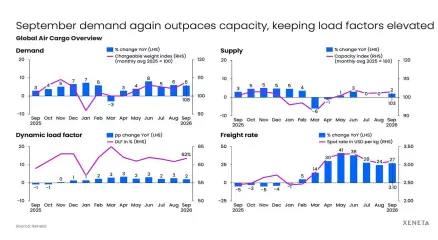
Global air freight demand continued to strengthen in September 2026, prompting shippers to favour shorter-term and more flexible capacity agreements as rising demand, elevated rates and market volatility make long-term commitments increasingly difficult. According to data from Xeneta, global air freight volumes increased 6% year on year in September, following similar growth of 6% in August and 5% in July. Demand growth has outpaced capacity expansion, with global air cargo capacity rising only 2% year on year in September. As a result, Xeneta’s dynamic load factor increased by two percentage points to 62%. The tighter demand-capacity balance has also kept freight rates elevated. Global air cargo spot rates averaged $3.10 per kg in September, 27% higher than a year earlier and 2% above August. Seasonal demand at the end of the third quarter, alongside higher jet fuel costs and geopolitical tensions, contributed to the firmer pricing environment. Against this backdrop, shippers are increasingly avoiding lengthy fixed-rate commitments. Xeneta data shows that 60% of new air freight contracts starting in the third quarter of 2026 were for three months or less, compared with 25% during the same period in 2025 and 47% in the second quarter of 2026. Three-month contracts represented 42% of new agreements, up sharply from 16% a year earlier. In contrast, the proportion of 12-month contracts fell from 40% to 25%, while agreements exceeding one year accounted for just 3%. Niall van de Wouw, Chief Airfreight Officer at Xeneta, said shippers are increasingly looking for “floating mechanisms” that combine a base rate with adjustments reflecting changes in market conditions. “There is a high degree of realism in the way shippers are approaching the market. There remains a lot of instability and that’s making it almost impossible for shippers to make long-term capacity deals without having T&Cs in place to deal with these volatile conditions.” The shift reflects a broader move towards flexibility and transparency in air freight procurement. Shippers are seeking arrangements that can respond to changing capacity, demand and pricing rather than locking them into annual rates that may quickly become misaligned with market conditions. Xeneta expects global air freight demand to grow by around 4% in 2026. However, the company anticipates a relatively subdued peak season, with limited signs of a major fourth-quarter surge so far. 𝐒𝐭𝐚𝐲 𝐓𝐮𝐧𝐞𝐝 𝐭𝐨 CARGOCONNECT 𝐟𝐨𝐫 𝐥𝐚𝐭𝐞𝐬𝐭 𝐮𝐩𝐝𝐚𝐭𝐞𝐬!
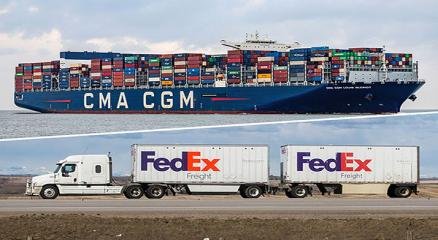
FedEx has completed the sale of its FedEx Supply Chain business to the CMA CGM Group for an enterprise value of US$1.4 billion, marking another major step in the logistics group’s strategy to expand its integrated supply chain capabilities while enabling FedEx to sharpen its focus on core transportation operations. The transaction, completed on October 1, 2026, significantly strengthens CEVA Logistics, CMA CGM’s logistics subsidiary, by nearly tripling its North American contract logistics footprint. FedEx Supply Chain’s operations and workforce will be integrated into CEVA, expanding its capabilities across warehousing, distribution and contract logistics in the region. The acquisition forms part of CMA CGM’s broader strategy to build an integrated, end-to-end logistics platform spanning ocean, air, land and contract logistics. The company has also entered into multi-year commercial agreements with FedEx covering ocean and air freight. Under the arrangement, CMA CGM will become a preferred ocean carrier for FedEx on a non-exclusive basis, while the companies will collaborate on selected air cargo capacity solutions. The air freight partnership is expected to support key strategic routes, including Asia-Europe, with the objective of improving aircraft utilisation and providing greater flexibility for long-haul capacity. The collaboration further strengthens CMA CGM’s position across the air cargo value chain while allowing both companies to leverage complementary global networks. For CMA CGM, the acquisition reinforces its long-term investment in the US market and expands CEVA’s ability to offer customers more comprehensive supply chain solutions. The combined operations are expected to strengthen the company’s presence in North American contract logistics while supporting its ambitions to provide integrated logistics services to global customers. For FedEx, the divestment is aligned with its ongoing portfolio simplification and transformation strategy. FedEx President and CEO Raj Subramaniam said the transaction enables the company to concentrate resources on differentiated capabilities and strengthen its core transportation network and high-value verticals. The transaction was originally announced on July 1, 2026. Its completion represents a significant reshaping of the companies’ logistics strategies, combining CMA CGM’s expanding multimodal logistics platform with FedEx’s global transportation network through long-term commercial cooperation. 𝐒𝐭𝐚𝐲 𝐓𝐮𝐧𝐞𝐝 𝐭𝐨 CARGOCONNECT 𝐟𝐨𝐫 𝐥𝐚𝐭𝐞𝐬𝐭 𝐮𝐩𝐝𝐚𝐭𝐞𝐬!
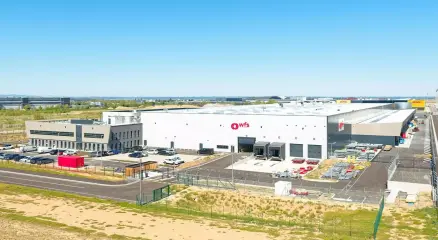
Worldwide Flight Services (WFS), a SATS company, has inaugurated a new air cargo terminal at Lyon-Saint Exupéry Airport in France, strengthening cargo-handling capacity and consolidating its operations at one location within the airport’s CargoPort zone. The Aéroport de Lyon DC1 facility is directly connected to the airport’s airside infrastructure and has been designed to improve cargo flows, operational efficiency and supply chain reliability. The 25,313-square-metre facility, developed by logistics real estate company Prologis with Groupe em2c overseeing design, construction coordination and technical supervision, represents WFS’ second-largest operation in France after Paris Charles de Gaulle. WFS has operated at Lyon Airport since 1971 and will now centralise its local activities at the new terminal, supporting 380 customers in the region. The facility comprises 19,200 square metres of warehouse space across three cargo-handling units, including 4,400 square metres of temperature-controlled cold-storage areas. It also features 36 loading doors, including five dedicated to air freight pallet transfers, enabling smoother movement between landside access, cargo-handling areas and airside operations. The new terminal is particularly positioned to support high-value and temperature-sensitive cargo, including pharmaceuticals, healthcare products, biotechnology shipments and perishables. The development is expected to strengthen Lyon’s role in national and European logistics flows, while supporting more than 300 direct and indirect jobs associated with the facility. Laurent Bernard, Vice-President France at WFS, said: “Aéroport de Lyon DC1 represents a new milestone for WFS in Lyon, where we first commenced operations in 1971. Its design, temperature-controlled areas, and organisation of cargo flows enable us to strengthen our capacity and operational efficiency to handle sensitive and high value goods for our airline and freight forwarder customers. Given Lyon’s strategically important location, industrial base, and high-value economic sectors, this new generation of logistics infrastructure reinforces Lyon’s position in national and European logistics flows and will strengthen the economic attractiveness of the region.” The facility is also targeting a BREEAM ‘Very Good’ rating, with sustainability considerations incorporated into its design. Its roof is solar-ready to accommodate a future photovoltaic installation. The project brings together Aéroports de Lyon, WFS, Prologis and Groupe em2c, creating infrastructure tailored to the evolving requirements of air cargo. 𝐒𝐭𝐚𝐲 𝐓𝐮𝐧𝐞𝐝 𝐭𝐨 CARGOCONNECT 𝐟𝐨𝐫 𝐥𝐚𝐭𝐞𝐬𝐭 𝐮𝐩𝐝𝐚𝐭𝐞𝐬!
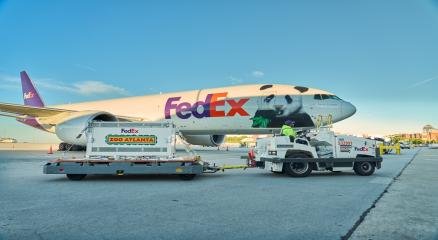
FedEx has completed a specialised international air cargo operation, transporting two giant pandas from Chengdu, China to Atlanta, United States, as part of ongoing global conservation efforts. The mission saw six-year-old male Ping Ping and five-year-old female Fu Shuang travel aboard a dedicated FedEx Boeing 777F, known as the “FedEx Panda Express”, to their new home at Zoo Atlanta. The pandas travelled on a non-stop flight from Chengdu Shuangliu International Airport to Hartsfield-Jackson Atlanta International Airport. According to industry reports, the journey covered approximately 13,000 kilometres and lasted around 16 hours, highlighting the operational precision required to move live and highly sensitive cargo across continents. For the journey, Ping Ping and Fu Shuang were placed in custom-built travel crates and accompanied by animal specialists from Zoo Atlanta. The pandas were the only cargo aboard the aircraft, travelling with fresh bamboo, water and their preferred treats. Before departure, they were also given time to become familiar with their transport enclosures, helping ensure a safe and comfortable journey. The operation extended beyond air transportation. Following the flight, FedEx provided trucking and logistical support in Atlanta to move the pandas from the airport to Zoo Atlanta. The coordinated operation brought together air, ground and logistics capabilities across China and the US, demonstrating the specialised handling, security and precision required for exceptional cargo movements. FedEx also donated the full transportation cost of the mission as part of its corporate social responsibility and environmental conservation efforts. The company has been involved in transporting giant pandas for more than two decades, working with the Chinese government and zoos and conservation institutions worldwide. With the latest mission, FedEx has transported 23 pandas to and from China since 2000. The latest movement follows several previous FedEx Panda Express missions involving the transportation of pandas between China and destinations including the United States, Canada, France and Scotland. These operations have established specialised animal transportation as an important demonstration of the logistics provider’s ability to manage high-priority, sensitive shipments requiring dedicated resources and cross-border coordination. Following their arrival, Ping Ping and Fu Shuang entered quarantine at Zoo Atlanta ahead of their planned public debut later this year. Beyond the symbolic importance of the animals, the mission underscores how specialised air cargo networks can support international conservation, scientific collaboration and wildlife protection by safely connecting institutions across borders. 𝐒𝐭𝐚𝐲 𝐓𝐮𝐧𝐞𝐝 𝐭𝐨 CARGOCONNECT 𝐟𝐨𝐫 𝐥𝐚𝐭𝐞𝐬𝐭 𝐮𝐩𝐝𝐚𝐭𝐞𝐬!

India has taken a landmark step towards establishing itself as a global supplier of green maritime fuel with the foundation stone laid for the country’s first port-based e-methanol production facility at Deendayal Port Authority (DPA) in Kandla, Gujarat. The ₹2,300-crore project is being jointly developed by DPA and Namrup-based Assam Petro-Chemicals Ltd (APCL) and is designed to support the decarbonisation of international shipping. The foundation stone was laid on September 26 by Union Minister for Ports, Shipping and Waterways Sarbananda Sonowal, Gujarat Chief Minister Bhupendra Patel and Assam Chief Minister Himanta Biswa Sarma. The facility will have a total production capacity of 150 tonnes of e-methanol per day. It will use renewable power, water and biogenic carbon dioxide (CO₂) to produce e-methanol, which is intended to be supplied to vessels operating along the Asia-Europe International Trade Corridor, one of the world’s busiest maritime routes. The e-methanol plant will be established through scalable modules in two phases. Phase I will add 50 tonnes per day of production capacity at an investment of ₹1,200 crore and is targeted for completion by January 2027. Phase II, involving a further 100 tonnes per day, will require an investment of ₹1,100 crore and is scheduled for completion by March 2027. Together, the two phases will take the project’s total investment to ₹2,300 crore. The capital contribution between DPA and APCL will be in a 76:24 ratio. DPA’s contribution includes ₹567.32 crore in equity capital, 75 acres of land, desalinated water and renewable energy in the form of green hydrogen. The facility is expected to rank among India’s largest e-methanol production plants and generate more than 3,500 direct and indirect jobs. According to the Ministry of Ports, Shipping and Waterways, the plant is expected to produce green methanol at around US$750 per tonne, compared with a global rate of about US$1,300 per tonne. This cost advantage could strengthen India’s position as a competitive producer and supplier of green fuel for international shipping. Beyond fuel production, the project is expected to stimulate a wider green-energy value chain around Kandla, covering transportation, storage, supply and other ancillary activities associated with green molecule production. It also aligns with India’s broader maritime decarbonisation objectives and its Net Zero emissions target for 2070. The government aims to add 100 ships to the Indian merchant fleet over the next five years and make India one of the world’s top five ship-owning nations by 2047. Therefore, the Kandla facility represents more than a new green-fuel production asset; it marks an effort to integrate port infrastructure, renewable energy and maritime fuel supply into a single ecosystem, potentially positioning Kandla as an emerging green-fuel hub for global shipping. 𝐒𝐭𝐚𝐲 𝐓𝐮𝐧𝐞𝐝 𝐭𝐨 CARGOCONNECT 𝐟𝐨𝐫 𝐥𝐚𝐭𝐞𝐬𝐭 𝐮𝐩𝐝𝐚𝐭𝐞𝐬!
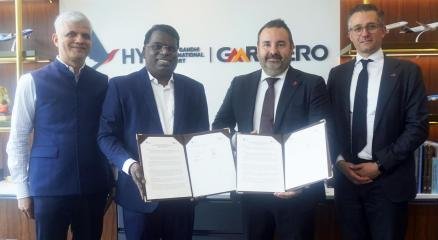
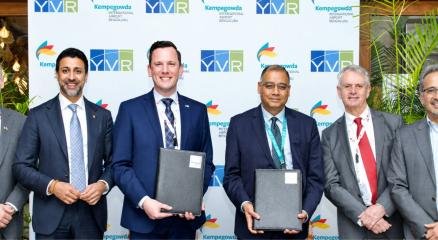
Brussels Airport and Hyderabad International Airport have signed a memorandum of understanding (MoU) to strengthen cooperation in air cargo development and explore opportunities to enhance connectivity between Belgium and India. The partnership will focus particularly on pharmaceutical and life sciences shipments, knowledge sharing and the development of stronger trade links. Under the agreement, the two airports will work together to identify opportunities for stronger air connectivity and develop cargo links between Brussels and Hyderabad. The collaboration will examine market demand, freight flows, route viability, cargo operating practices and stakeholder engagement, with the objective of developing concrete business cases for potential future services. Airlines, freight forwarders and other logistics stakeholders are also expected to be engaged as the initiative progresses. Brussels Airport will contribute its expertise in pharmaceutical logistics, while Hyderabad’s expanding life sciences ecosystem offers significant potential for joint development. Brussels Airport became the first airport globally to achieve CEIV Pharma certification in 2014 and currently provides 45,000 square metres of temperature-controlled storage capacity, the largest concentration of dedicated airport pharma storage facilities in Europe. Arnaud Feist, CEO Brussels Airport, said, “With this MoU, we are taking an important step to bring the ecosystems of Brussels Airport and Hyderabad International Airport closer together. By strengthening cargo flows between our regions, we can support trade and economic growth. As Europe's preferred pharma and life sciences hub, Brussels Airport has built a strong ecosystem and extensive expertise in pharmaceutical logistics. Combined with Hyderabad's leading life sciences ecosystem, this creates valuable opportunities for future cooperation and knowledge exchange." Kadhir Kadhiravan, CEO, GMR Hyderabad International Airport, said, “Hyderabad’s growing economic base and strategic location position it strongly to serve as a gateway for India’s international trade. Our collaboration with Brussels Airport strengthens our ability to connect Hyderabad with the wider European cargo ecosystem and supports our ambition to build a more globally integrated cargo network. By bringing together market expertise, industry partnerships and complementary strengths, we can create new opportunities for businesses in Hyderabad and across the region while strengthening the airport’s role in India’s international trade corridors.” India is the world’s largest supplier of generic medicines, accounting for around 20% of global supply by volume, while Hyderabad is a major life sciences hub spanning pharmaceuticals, vaccines and research and development. The MoU was signed with support from Flanders Investment & Trade (FIT), highlighting strengthening economic ties between Belgium and India. Importantly, there is currently no direct air connection between the two cities. The partnership will therefore explore ways to improve connectivity and support greater cargo flows between the two markets. 𝐒𝐭𝐚𝐲 𝐓𝐮𝐧𝐞𝐝 𝐭𝐨 CARGOCONNECT 𝐟𝐨𝐫 𝐥𝐚𝐭𝐞𝐬𝐭 𝐮𝐩𝐝𝐚𝐭𝐞𝐬!

Cathay Cargo has shifted its Mumbai freighter operations to Navi Mumbai International Airport (NMIA), effective September 21, 2026, strengthening dedicated freighter connectivity from the Mumbai region. The carrier is operating three dedicated freighter flights per week from NMIA, using Boeing 747-400ERF and Boeing 747-8F aircraft. The services provide robust main-deck capacity and nose-door loading capabilities, enabling the handling of oversized, heavy and other specialised cargo. From its Hong Kong hub, Cathay Cargo connects Indian customers with key markets across the Chinese Mainland, Southeast Asia, North America and other international destinations. The relocation is expected to support the growing movement of Indian manufacturing and export cargo by providing direct freighter connectivity to Cathay Cargo’s global network through Hong Kong. The move also strengthens Western India’s access to international cargo markets at a time when freighter operations are shifting towards Navi Mumbai. Cathay Regional Head of Cargo for South Asia, the Middle East, and Africa, Rajesh Menon said, “The move of our Mumbai freighter operations to Navi Mumbai International Airport reinforces our steadfast commitment to the Indian market and its growth trajectory. By combining NMIA's modern infrastructure with our dedicated freighter presence and our ‘We Know How’ expertise, we are providing reliable connectivity and specialist handling for local enterprises, exporters and SMEs. This will also further strengthen connectivity between Western India’s exporters and key global markets through our Hong Kong hub." In addition to its Navi Mumbai International Airport freighter service, Cathay Cargo continues to operate its dedicated freighter network across India, operating five weekly freighter flights from Delhi and Chennai, respectively. Cathay Cargo’s “We Know How” approach is supported by specialist solutions including Cathay Expert for odd-sized, heavy and project cargo; Cathay Pharma for temperature-controlled pharmaceuticals and vaccines; Cathay Fresh for perishables and seafood; Cathay Priority for time-critical commercial shipments; and Cathay Live for specialised live-animal transportation. Its specialist cargo solutions and Hong Kong cargo terminal are supported by IATA CEIV certifications covering Pharma, Fresh, Live Animals and Lithium Batteries. In addition to its freighter network, Cathay Cargo leverages belly-hold capacity on Cathay Pacific passenger services from Mumbai, Delhi, Chennai, Bengaluru and Hyderabad, with 45 passenger flights per week across these five Indian gateways. 𝐒𝐭𝐚𝐲 𝐓𝐮𝐧𝐞𝐝 𝐭𝐨 CARGOCONNECT 𝐟𝐨𝐫 𝐥𝐚𝐭𝐞𝐬𝐭 𝐮𝐩𝐝𝐚𝐭𝐞𝐬!
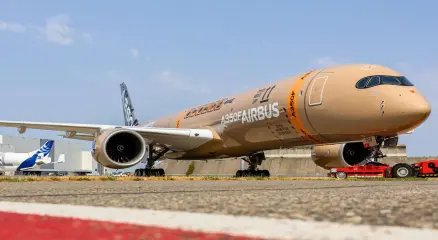
Airbus is set to take a major step in the development of its next-generation freighter, with the A350F scheduled to make its maiden flight on 29 September 2026 from Toulouse, France. The first flight marks a significant milestone for Airbus as it seeks to strengthen its position in the large widebody freighter market. The flight is scheduled for 10:20 a.m. local time in Toulouse and is expected to be broadcast live by Airbus. However, the manufacturer has stated that the event remains subject to operational requirements and weather conditions. The first flight-test aircraft, MSN700, registered F-WXLD, has been undergoing final ground preparations. On 24 September, the aircraft completed two high-speed rejected-takeoff tests at Toulouse, supporting preparations for its transition to flight testing. The A350F is a purpose-built freighter derived from the A350 family. Its configuration combines the forward fuselage of the A350-900 with the rear fuselage and wings of the larger A350-1000, creating a unique aerodynamic profile that requires dedicated flight testing. Airbus plans a certification campaign involving approximately 400 flight hours across two test aircraft. MSN700 will primarily support testing of aerodynamic performance, handling characteristics and the autopilot, while the second aircraft, MSN701, will focus on systems testing, including air-conditioning and fire and smoke evaluations. Airbus has indicated that certification and first customer deliveries remain targeted for 2027. The A350F is designed for a payload of more than 110 tonnes and is intended to address growing demand for efficient, modern large freighters. Its development also comes as the air cargo industry prepares for tighter emissions requirements affecting older-generation freighter designs. With the A350F competing in the emerging new-generation widebody freighter segment alongside Boeing’s 777-8F, its maiden flight will be closely watched by airlines, cargo operators and the wider global air freight industry. 𝐒𝐭𝐚𝐲 𝐓𝐮𝐧𝐞𝐝 𝐭𝐨 CARGOCONNECT 𝐟𝐨𝐫 𝐥𝐚𝐭𝐞𝐬𝐭 𝐮𝐩𝐝𝐚𝐭𝐞𝐬!
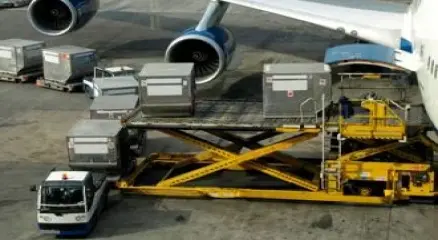
The International Air Transport Association (IATA) has called for stronger, coordinated action across the air cargo supply chain to tackle the growing risks associated with undeclared and mis-declared dangerous goods (DG), stressing that security screening alone cannot provide a complete solution. The call follows discussions among regulators on whether existing aviation security screening processes could serve as a primary defence against dangerous goods entering the air cargo system. IATA said screening remains an important layer of protection, but its primary purpose is to identify security threats such as explosives and weapons rather than the broad range of hazardous materials covered by dangerous goods regulations. According to IATA, around 80% of dangerous goods incidents reported to the association during the first half of 2025 involved undeclared or hidden dangerous goods. Lithium batteries, along with concealed e-cigarettes, aerosols and other hazardous commodities, were among the products frequently identified. IATA Global Head of Cargo Brendan Sullivan said the risk arises when dangerous goods enter the supply chain without being declared or are incorrectly declared. He emphasised that responsibility for identifying and preventing such incidents must extend across the entire cargo ecosystem, beginning as far upstream as possible. IATA's latest white paper, Safety and Security in the Cargo Supply Chain, highlights limitations in relying primarily on existing screening systems. Technologies, certification standards, algorithms and training programmes used for cargo screening have largely been developed around aviation security threats and may not be designed to identify every category of dangerous goods. Certain shipments may also present practical challenges for screening because of their size, density, shape or other characteristics. Instead, IATA is advocating a layered, risk-based and supply-chain-wide approach focused on prevention and early detection. The association has called on governments to strengthen regulatory oversight and enforcement, while manufacturers and online marketplaces should improve product identification, certification and information accuracy. Shippers, freight forwarders and postal operators are encouraged to strengthen training, acceptance procedures and the use of customer and shipment data to identify higher-risk cargo before it reaches airports. Airlines and ground handlers should reinforce checks before loading, while airports should improve coordination and information sharing among cargo stakeholders. IATA's position reinforces the need for dangerous goods safety to be treated as a shared supply chain responsibility rather than a challenge addressed only at the airport. With e-commerce, lithium-battery-powered products and increasingly complex cargo flows reshaping air freight, the association believes prevention and information-sharing upstream must complement security screening to strengthen overall cargo safety and resilience. 𝐒𝐭𝐚𝐲 𝐓𝐮𝐧𝐞𝐝 𝐭𝐨 CARGOCONNECT 𝐟𝐨𝐫 𝐥𝐚𝐭𝐞𝐬𝐭 𝐮𝐩𝐝𝐚𝐭𝐞𝐬!
India’s two largest container gateways, Mundra and Nhava Sheva, are facing mounting congestion as rising cargo volumes, truck driver shortages and rerouted shipments from the Middle East strain operations across the country’s logistics network. Shipping lines and logistics operators are reporting worsening turnaround times at both ports, with vessel delays averaging nearly two and a half days and some unscheduled ships waiting up to five days for berthing. The disruptions are slowing cargo movement, tightening yard space and forcing carriers to make last-minute operational changes. According to industry reports, a shortage of truck drivers has become a major bottleneck for container transfers between terminals and inland transport hubs. The issue has reduced the pace of cargo evacuation from ports, adding pressure on already crowded container yards. Terminal operators have intermittently restricted gate access to control container inflow, while export gate schedules continue to shift frequently. These changes are complicating truck planning and increasing uncertainty for exporters and freight forwarders. The congestion is being intensified by cargo diversions linked to disruptions in the Middle East, particularly around Gulf trade routes. Shipping lines have increasingly redirected transshipment cargo to Indian ports as alternatives to facilities in the Persian Gulf, sharply increasing container volumes in recent weeks. The pressure has begun affecting carrier schedules. Some shipping companies are rerouting vessels between terminals at short notice to avoid yard congestion. Danish shipping giant Maersk recently shifted several sailings from its regular terminal at Nhava Sheva to PSA Mumbai after facing space constraints and a growing container backlog. Industry stakeholders say these sudden terminal changes are creating operational and financial challenges for shippers, including higher handling costs and difficulties coordinating customs clearance and inland transportation. The latest disruption comes at a time when India has been positioning itself as a major global manufacturing and logistics hub. Over the past decade, the country has expanded port capacity, improved freight corridors and modernised customs processes to strengthen supply chain efficiency. However, the current congestion highlights the vulnerability of port infrastructure during periods of sudden trade realignment and geopolitical disruption. Logistics experts warn that prolonged delays could increase freight costs, extend delivery timelines and place additional pressure on exporters already dealing with volatile global shipping conditions. Follow CARGOCONNECT for more such updates.
The diversification process by Apple continues to progress as India becomes one of the centers for manufacturing operations. Based on an analysis by Smart Analytics Global (SAG), the percentage share of Indian manufacturing of iPhones has increased from 14% in 2024 to 23% in 2025 and further to 28% by 2026, whereas China’s share has decreased from 83% to 74% within the same timeframe. As Apple continues to lower its reliance on China, India is all set to emerge as the major assembly hub for 28 percent of all iPhones exported around the world by 2026, compared to just 23 percent in the prior year. This change is due to the company's overall strategy of spreading its manufacturing operations in order to mitigate potential tariff risks and geopolitical risks, in addition to creating a more flexible manufacturing network beyond China. Based on the estimates of Smart Analytics Global (SAG), China's share in global iPhone production dropped from 83% in 2024 to 74% in 2025, while India's share increased from 14% in 2024 to 23% in 2025. Estimates provided by another market research firm, Counterpoint Research, indicate that India's share in global iPhone manufacturing could increase to approximately 26% in 2026 from 23% in 2025. As per SAG, “India will account for the manufacture of 28 percent of iPhones shipped globally in 2026, rising from 23 percent in 2025. This growth will be fueled by the ongoing diversification of Apple outside China and capacity build-up at existing manufacturers in India like Tata Electronics,” said Abhilash Kumar, an analyst at Smart Analytics Global. According to Tarun Pathak, research director at Counterpoint Research, “Apple's manufacturing partners have substantially increased their manufacturing capacities and assembly lines in India. They have also diversified their product portfolio made in India.” He further stated that the increase in manufacturing capacity of Tata Electronics is another factor aiding the growth. Apple has managed to localize production substantially in India through manufacturers like Foxconn and Tata Electronics. The recent takeover of Wistron and Pegatron in India by the Tata Group represents a huge step forward in Apple’s localization efforts in India. At present, India is assembling a larger number of iPhones, even the latest versions, and has become an important source of exports, targeting countries like the US and European nations. Over the past five years, Apple has manufactured iPhones worth almost $70 billion in India using its PLI scheme, where around $51 billion, or almost 73% of all iPhones manufactured, were exported from India. Moreover, iPhones have become the most exported goods from India during the previous financial year. India has become the biggest beneficiary of Apple’s changing supply chain. From initially assembling iPhones on a smaller scale, it has grown to become a manufacturing cluster for iPhones through government incentives, increased manufacturing capabilities, and the growing presence of suppliers. Several of the most important suppliers and manufacturers for Apple are still highly entrenched within China, allowing the country to enjoy an unrivaled capacity and adaptability when it comes to managing mass-scale productions and product shifts. For more such news and updates, visit CARGOCONNECT.
Shadowfax is significantly expanding its quick commerce infrastructure, announcing plans to scale its dark store network from 15 facilities to 100 by FY27. The move underscores the company’s growing focus on hyperlocal deliveries, same-day fulfilment, and direct-to-consumer (D2C) logistics as competition intensifies in India’s fast-evolving quick commerce ecosystem. The Bengaluru-based company plans to add 85 new dark stores over the next fiscal year, targeting metro cities with delivery radiuses of approximately seven kilometres and fulfilment timelines of around 30 minutes. The expansion is expected to support rising demand from vertical quick commerce platforms and D2C brands that increasingly rely on third-party logistics (3PL) partners for rapid deliveries. According to company executives, vertical marketplaces are emerging as a profitable segment because of their dependence on outsourced logistics infrastructure rather than captive fulfilment networks. Shadowfax believes this trend creates a strong opportunity for scalable 3PL-led quick commerce models. The dark store expansion will account for nearly 10% of Shadowfax’s planned capital expenditure of ₹180–190 crore in FY27. The company is simultaneously strengthening its automation and artificial intelligence capabilities to improve operational efficiency. AI-led demand forecasting, automated slotting, and smarter sorting centre operations are expected to reduce overhead costs while accelerating breakeven timelines for new facilities. Shadowfax’s aggressive expansion comes on the back of strong financial performance. The company reported a consolidated net profit of ₹55.8 crore in Q4 FY26, compared to a net loss of ₹9.9 crore during the same period last year. Revenue from operations surged 73.6% year-on-year to ₹1,237 crore, reflecting growing order volumes and increased adoption of quick commerce delivery services. Founded in 2015, Shadowfax has evolved into one of India’s largest logistics and last-mile delivery networks, serving over 2,500 cities and more than 15,000 pincodes. The company currently handles millions of shipments daily through a technology-driven delivery ecosystem that supports e-commerce, grocery, hyperlocal, and D2C brands. Industry analysts believe the dark store expansion reflects a broader shift within India’s logistics sector, where speed, proximity-based fulfilment, and automated operations are becoming central to supply chain competitiveness. As quick commerce adoption accelerates beyond groceries into categories such as fashion, electronics, and personal care, logistics providers like Shadowfax are positioning themselves as critical enablers of ultra-fast retail fulfilment. 𝐒𝐭𝐚𝐲 𝐓𝐮𝐧𝐞𝐝 𝐭𝐨 https://cargoconnect.co.in/ 𝐟𝐨𝐫 𝐥𝐚𝐭𝐞𝐬𝐭 𝐮𝐩𝐝𝐚𝐭𝐞𝐬!
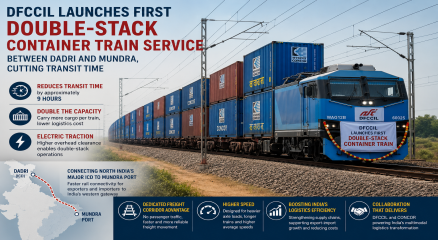
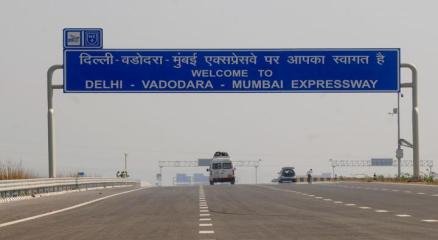
India’s Dedicated Freight Corridors (DFCs) are rapidly reshaping the country’s logistics landscape, with the Western Dedicated Freight Corridor (WDFC) between Dadri and Jawaharlal Nehru Port Authority (JNPA) emerging as a game-changing infrastructure project for supply chains and multimodal freight movement. Designed exclusively for cargo operations, the corridor is significantly reducing transit times, improving reliability, and easing congestion on conventional rail routes. Stretching nearly 1,500 km from Dadri in Uttar Pradesh to JNPA near Mumbai, the corridor forms the backbone of India’s western logistics artery, connecting manufacturing centres, inland container depots, industrial clusters, and ports. With dedicated tracks for freight trains, the network allows uninterrupted cargo movement at higher average speeds, eliminating delays caused by mixed passenger and freight operations. One of the biggest outcomes has been a sharp reduction in transit time. Freight movement between Dadri and JNPA that traditionally took close to 72 hours on congested rail routes is now being completed in nearly half the time, improving turnaround efficiency for exporters, importers, and logistics operators. Industry stakeholders believe the reduction in transit duration will strengthen India’s competitiveness in global trade and support the government’s target of lowering logistics costs as a percentage of GDP. The DFC network has also enabled the operation of longer and heavier freight trains, including double-stack container services on electrified routes. This has increased carrying capacity while lowering per-unit transportation costs. According to sector estimates, rail freight on dedicated corridors is considerably more energy-efficient and environmentally sustainable than road transport, aligning with India’s broader decarbonisation goals. Beyond operational efficiency, the corridors are catalysing the growth of integrated logistics ecosystems. Regions such as Dadri, Greater Noida, and Jewar are witnessing accelerated development of multimodal logistics parks, warehousing zones, and industrial hubs due to their strategic connectivity with both the Eastern and Western DFCs. The emerging “rail-road-air” logistics triangle around the National Capital Region is expected to attract substantial investments in manufacturing and distribution infrastructure. The Dedicated Freight Corridor Corporation of India (DFCCIL) has reported rising freight train volumes on the operational stretches, indicating growing industry adoption. The completion of key links on the western corridor is expected to further enhance throughput and reduce dependency on road transport for long-haul cargo. Analysts say the dedicated rail network could become central to India’s ambition of creating faster, greener, and more resilient supply chains. As India continues investing in additional freight corridors across the country, the success of the Dadri-JNPA route demonstrates how infrastructure modernisation can directly influence trade efficiency, logistics performance, and industrial growth. 𝐒𝐭𝐚𝐲 𝐓𝐮𝐧𝐞𝐝 𝐭𝐨 https://cargoconnect.co.in/ 𝐟𝐨𝐫 𝐥𝐚𝐭𝐞𝐬𝐭 𝐮𝐩𝐝𝐚𝐭𝐞𝐬
In a strategic warehousing move, the South Eastern Coalfields Limited (SECL), the second largest coal-producing subsidiary of Coal India Limited, has signed a Memorandum of Understanding (MoU) with Central Warehousing Corporation (CWC) for collaboration in coal logistics, railway rake provisioning under GPWIS and similar schemes, and integrated transportation services. Guided by the Union Ministry of Coal, SECL is rapidly working to improve India’s energy security and coal logistics infrastructure. The company is taking steps to boost coal evacuation efficiency and ensure a steady fuel supply to essential sectors. This partnership with CWC is a significant move in that direction. The goal of the partnership with CWC is to strengthen SECL’s coal evacuation capabilities by providing reliable and efficient rail logistics solutions to meet the rising demand from the power, steel, cement, and other sectors. The MoU outlines collaboration in various areas, including dedicated railway rake operations, integrated coal transportation solutions, multimodal logistics, first-mile and last-mile connectivity, and the deployment of digital systems for logistics monitoring and operational efficiency. Under the agreed framework, both organizations will explore provisioning and operation of GPWIS and equivalent racks, integrated rail logistics services, and long-term transportation solutions aimed at improving dispatch efficiency and reducing logistical obstacles. The MoU was signed in the presence of Harish Duhan, Chairman-cum-Managing Director of SECL, and Santosh Sinha, Managing Director of CWC. Functional Directors and senior officials from SECL, as well as representatives from CWC, attended the signing ceremony. SECL plays a vital role in meeting the country's growing coal demand. In the current financial year 2026-27, Coal India Limited has already surpassed the 100 million tonne production mark, with SECL contributing more than 26.8 million tonnes. Central Warehousing Corporation (CWC), a Navaratna Central Public Sector Enterprise under the Government of India, is a leader in integrated logistics and warehousing services. It has extensive experience in rail-linked cargo movement and multimodal transportation solutions. For more such news and updates, visit CARGOCONNECT.