Loading...
India’s warehousing and industrial real estate market recorded continued expansion in the first nine months of 2026, with net absorption across the top eight cities increasing 16.2% year on year to 49.5 million sq ft, compared with 42.6 million sq ft in the corresponding period of 2025. Cumulative net absorption between 2021 and 9M 2026 reached 266.5 million sq ft, reflecting sustained occupier demand.
However, growth remains concentrated in a handful of markets, with rental appreciation and vacancy levels varying significantly by city. According to Peush Jain, Managing Director – Commercial Leasing & Advisory, ANAROCK Group, the National Capital Region (NCR), Mumbai Metropolitan Region (MMR) and Pune together accounted for nearly 58% of cumulative absorption across the top eight cities.
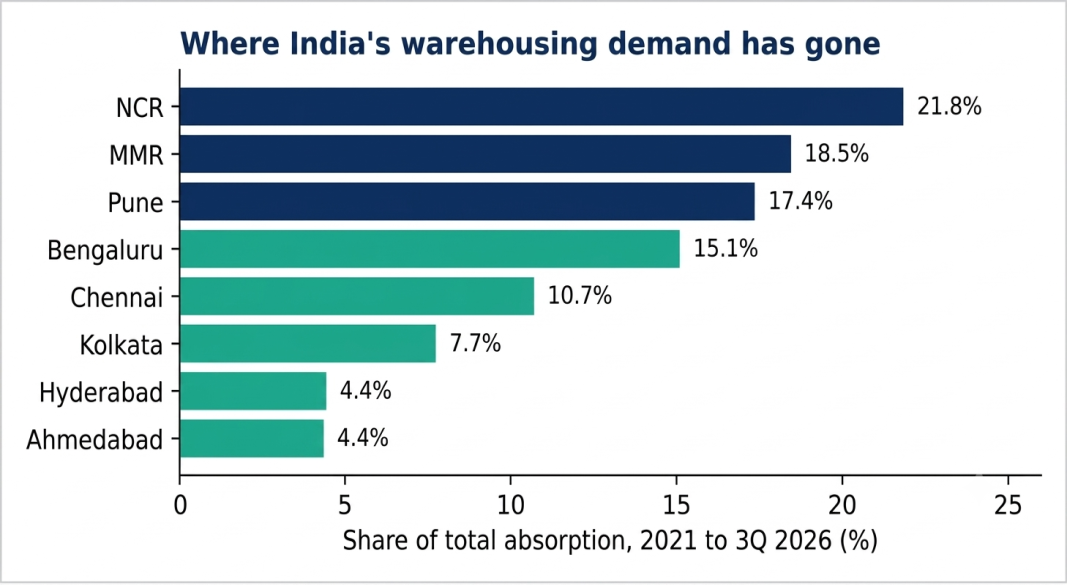
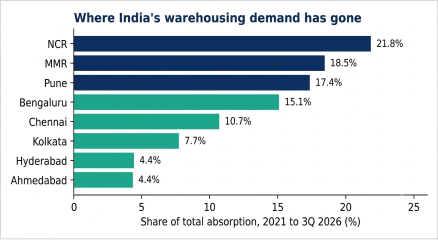
NCR led with a 21.8% share of cumulative absorption, followed by MMR at 18.5% and Pune at 17.4%. Pune has moved ahead of Bengaluru, which accounted for 15.1%. Chennai contributed 10.7%, Kolkata 7.7%, while Hyderabad and Ahmedabad each accounted for 4.4%
NCR Records the Sharpest Rental Appreciation
The average monthly warehousing rent across the top eight cities stood at ₹28.1 per sq ft in Q3 2026, representing a 27% increase since 2021.
NCR recorded the steepest rise, with average monthly rents increasing 49% from ₹22.2 per sq ft in 2021 to ₹33 per sq ft in Q3 2026. The pace of appreciation accelerated in recent years: rents rose 3% between 2021 and 2023, before increasing 44% from 2023 to Q3 2026.
MMR continued to command the highest average rent at ₹43.9 per sq ft per month, more than twice Ahmedabad’s ₹19 per sq ft—the lowest among the eight markets. Hyderabad, MMR and Bengaluru recorded rental increases of 30% or more since 2021. Pune, Chennai and Ahmedabad saw more moderate growth of 17%, 19% and 20%, respectively.
Vacancy Levels Diverge across Markets
The national vacancy rate stood at 7.9% as of 9M 2026, with availability varying across cities.
Pune recorded the lowest vacancy rate at 6.8%, followed by Chennai and Kolkata at 7.1% each, NCR at 7.3% and MMR at 7.6%. Bengaluru reported the highest vacancy at 11.5%, followed by Ahmedabad at 11% and Hyderabad at 9.2%.
The data points to differing market dynamics. Bengaluru’s relatively high vacancy has coexisted with a 30% increase in rents since 2021, while Pune, despite having the tightest market, recorded the slowest rental growth.
Jain said rental performance depends on factors beyond vacancy, including the quality and location of available stock, occupier requirements and the nature of industrial activity in each market.
Sectoral Demand reflects City-Level Specialisation
At the national level, third-party logistics (3PL) accounted for 26% of warehousing demand, followed by manufacturing at 22% and automotive at 10%. Together, 3PL and manufacturing contributed nearly half of total demand.
City-level demand profiles reflect distinct industrial and logistics specialisations. MMR remains strongly logistics-oriented, with 3PL accounting for 40% of its warehousing demand. Pune’s demand is led by manufacturing at 32% and automotive at 22%. The city also accounted for 37% of automotive-sector warehousing absorption across the top eight cities between 2021 and Q3 2026.
In Chennai, electronics contributed 14% of warehousing demand—the highest share for the segment among the eight cities. Hyderabad’s demand is more manufacturing-led, with the sector accounting for 31%, while 3PL contributed 13%, the lowest share among the analysed markets.
Kolkata also has a logistics-oriented profile, with 3PL accounting for 36% of demand. NCR’s demand is more diversified, led by 3PL at 26%, manufacturing at 17% and retail at 13%. In Ahmedabad, 3PL, manufacturing and automotive contributed 28%, 22% and 21%, respectively.
Market Fundamentals to Shape the Next Phase
The findings indicate that India’s warehousing market is expanding, but the benefits are unevenly distributed. NCR stands out for rental appreciation, Pune combines a significant share of absorption with the lowest vacancy, and MMR continues to command a rental premium. Bengaluru, meanwhile, has a comparatively higher level of available space despite substantial rental growth.
Jain said city-level industrial specialisation, logistics requirements, the availability of suitable warehousing stock and the balance between new supply and occupier demand will be key determinants of future performance. These differences, he added, may influence location and cost decisions for occupiers, while developers and investors will need to assess individual market fundamentals rather than rely solely on national demand growth.
As India’s warehousing market enters its next expansionary phase, the composition of industrial demand and availability of suitable space are likely to matter as much as headline absorption growth.
India’s warehousing and industrial real estate market recorded continued expansion in the first nine months of 2026, with net absorption across the top eight cities increasing 16.2% year on year to 49.5 million sq ft, compared with 42.6 million sq ft in the corresponding period of 2025. Cumulative net absorption between 2021 and 9M 2026 reached 266.5 million sq ft, reflecting sustained occupier demand. However, growth remains concentrated in a handful of markets, with rental appreciation and vacancy levels varying significantly by city. According to Peush Jain, Managing Director – Commercial Leasing & Advisory, ANAROCK Group, the National Capital Region (NCR), Mumbai Metropolitan Region (MMR) and Pune together accounted for nearly 58% of cumulative absorption across the top eight cities. NCR led with a 21.8% share of cumulative absorption, followed by MMR at 18.5% and Pune at 17.4%. Pune has moved ahead of Bengaluru, which accounted for 15.1%. Chennai contributed 10.7%, Kolkata 7.7%, while Hyderabad and Ahmedabad each accounted for 4.4% NCR Records the Sharpest Rental Appreciation The average monthly warehousing rent across the top eight cities stood at ₹28.1 per sq ft in Q3 2026, representing a 27% increase since 2021. NCR recorded the steepest rise, with average monthly rents increasing 49% from ₹22.2 per sq ft in 2021 to ₹33 per sq ft in Q3 2026. The pace of appreciation accelerated in recent years: rents rose 3% between 2021 and 2023, before increasing 44% from 2023 to Q3 2026. MMR continued to command the highest average rent at ₹43.9 per sq ft per month, more than twice Ahmedabad’s ₹19 per sq ft—the lowest among the eight markets. Hyderabad, MMR and Bengaluru recorded rental increases of 30% or more since 2021. Pune, Chennai and Ahmedabad saw more moderate growth of 17%, 19% and 20%, respectively. Vacancy Levels Diverge across Markets The national vacancy rate stood at 7.9% as of 9M 2026, with availability varying across cities. Pune recorded the lowest vacancy rate at 6.8%, followed by Chennai and Kolkata at 7.1% each, NCR at 7.3% and MMR at 7.6%. Bengaluru reported the highest vacancy at 11.5%, followed by Ahmedabad at 11% and Hyderabad at 9.2%. The data points to differing market dynamics. Bengaluru’s relatively high vacancy has coexisted with a 30% increase in rents since 2021, while Pune, despite having the tightest market, recorded the slowest rental growth. Jain said rental performance depends on factors beyond vacancy, including the quality and location of available stock, occupier requirements and the nature of industrial activity in each market. Sectoral Demand reflects City-Level Specialisation At the national level, third-party logistics (3PL) accounted for 26% of warehousing demand, followed by manufacturing at 22% and automotive at 10%. Together, 3PL and manufacturing contributed nearly half of total demand. City-level demand profiles reflect distinct industrial and logistics specialisations. MMR remains strongly logistics-oriented, with 3PL accounting for 40% of its warehousing demand. Pune’s demand is led by manufacturing at 32% and automotive at 22%. The city also accounted for 37% of automotive-sector warehousing absorption across the top eight cities between 2021 and Q3 2026. In Chennai, electronics contributed 14% of warehousing demand—the highest share for the segment among the eight cities. Hyderabad’s demand is more manufacturing-led, with the sector accounting for 31%, while 3PL contributed 13%, the lowest share among the analysed markets. Kolkata also has a logistics-oriented profile, with 3PL accounting for 36% of demand. NCR’s demand is more diversified, led by 3PL at 26%, manufacturing at 17% and retail at 13%. In Ahmedabad, 3PL, manufacturing and automotive contributed 28%, 22% and 21%, respectively. Market Fundamentals to Shape the Next Phase The findings indicate that India’s warehousing market is expanding, but the benefits are unevenly distributed. NCR stands out for rental appreciation, Pune combines a significant share of absorption with the lowest vacancy, and MMR continues to command a rental premium. Bengaluru, meanwhile, has a comparatively higher level of available space despite substantial rental growth. Jain said city-level industrial specialisation, logistics requirements, the availability of suitable warehousing stock and the balance between new supply and occupier demand will be key determinants of future performance. These differences, he added, may influence location and cost decisions for occupiers, while developers and investors will need to assess individual market fundamentals rather than rely solely on national demand growth. As India’s warehousing market enters its next expansionary phase, the composition of industrial demand and availability of suitable space are likely to matter as much as headline absorption growth.

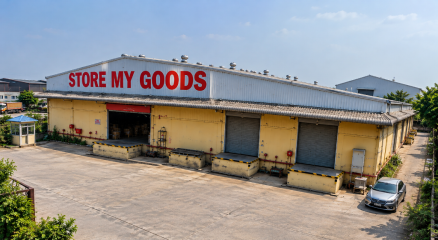
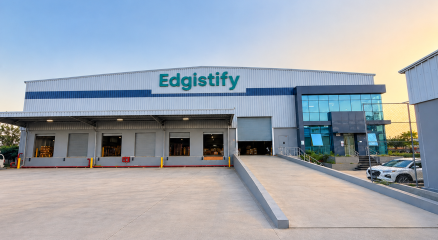
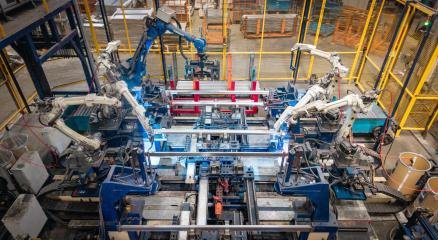
The Storage Solutions business of Godrej Enterprises Group (GEG) will showcase its advanced Mobile Pallet Racking and Shuttle Pallet Racking systems at the Intralogistics & Warehousing Expo 2026, being held from October 15-17 at Chennai Trade Centre. Designed to help businesses maximise warehouse capacity, improve operational efficiency, and optimise space utilisation, these high-density storage solutions address the growing need for smarter warehousing infrastructure as India strengthens its manufacturing and logistics ecosystem. Through its advanced storage and intralogistics solutions, GEG is helping businesses build future-ready supply chains that support industrial growth, supply chain resilience, and economic competitiveness. India's warehousing landscape is undergoing a significant transformation, driven by the continued expansion of manufacturing, e-commerce, retail, and logistics sectors. With warehousing stock projected to reach 850 million sq. ft. by 2030, businesses are increasingly seeking solutions that can help accommodate growing inventory volumes while improving operational efficiency and making better use of existing infrastructure. As land availability becomes constrained and supply chains become more complex, high-density storage systems are emerging as a strategic requirement for businesses seeking to enhance productivity, optimise throughput, and improve inventory management. South India continues to be a key engine of this growth, supported by strong investments across automotive, auto components, engineering, electronics, FMCG, food processing, retail, e-commerce, and third-party logistics sectors. As the region strengthens its position as a manufacturing and logistics hub, demand is increasing for intelligent warehousing solutions that enable businesses to build agile, resilient, and scalable supply chains. Mr. Vikas Choudaha, Business Head, Storage Solutions, Godrej Enterprises Group, said, "As India strengthens its position as a global manufacturing and logistics hub, warehousing infrastructure is becoming a critical enabler of economic growth, supply chain resilience, and industrial competitiveness. The next phase of India's growth will require businesses to do more with existing infrastructure by improving efficiency, productivity, and storage capacity. At Godrej Enterprises Group, we are contributing to this transformation through storage and intralogistics solutions that help businesses maximise warehouse performance and build future-ready operations. By enabling smarter warehousing infrastructure, we are supporting the logistics backbone that powers manufacturing, commerce, and distribution across the country." India's warehousing sector is at an inflection point as businesses look to build more efficient, technology-enabled, and resilient supply chains. Through its Storage Solutions business, Godrej Enterprises Group supports industries across automotive, engineering, FMCG, retail, e-commerce, food processing, and logistics with solutions that improve space utilisation, operational efficiency, and throughput. By enabling smarter warehousing and intralogistics infrastructure, the business continues to contribute to India's manufacturing competitiveness and logistics modernisation journey. With over 70 years of industry expertise and a presence across 40+ countries, the Storage Solutions business of Godrej Enterprises Group delivers end-to-end storage, warehousing, and intralogistics solutions that help businesses build efficient, scalable, and future-ready operations across domestic and international markets. 𝐒𝐭𝐚𝐲 𝐓𝐮𝐧𝐞𝐝 𝐭𝐨 CARGOCONNECT 𝐟𝐨𝐫 𝐥𝐚𝐭𝐞𝐬𝐭 𝐮𝐩𝐝𝐚𝐭𝐞𝐬!


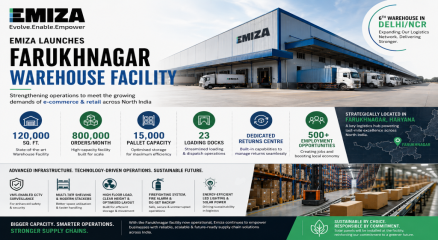

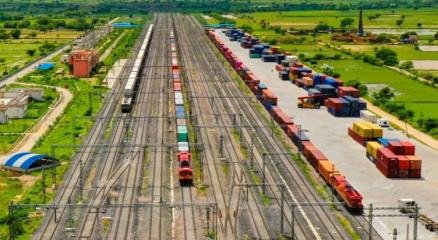
India will require more than 200 next-generation multimodal logistics parks (MMLPs) over the next two decades to handle rising freight volumes, improve cargo movement efficiency and support the country’s long-term manufacturing and trade ambitions, according to a new industry assessment. The report, prepared by the Confederation of Indian Industry (CII) and property consultancy Knight Frank India, estimates that the country will need approximately 215–216 integrated logistics hubs by 2047 as freight demand expands alongside industrial growth, urbanisation and increasing consumption. India’s freight movement is projected to reach nearly 28 billion tonnes by 2047, creating significant pressure on existing transport infrastructure. The report argues that large-scale logistics parks connected to rail, road, ports and industrial corridors will be essential to manage future cargo volumes while reducing dependence on road transport. According to the study, multimodal logistics parks integrated with Dedicated Freight Corridors (DFCs) could reduce door-to-door freight costs by as much as 43% compared with conventional road-based transportation. Such facilities are expected to improve cargo aggregation, lower handling costs, shorten transit times and reduce congestion across major freight routes. The findings come as India accelerates investments in logistics infrastructure under initiatives such as PM Gati Shakti and the National Logistics Policy. Policymakers have identified logistics efficiency as a key factor in improving export competitiveness and attracting manufacturing investments. Over the past decade, infrastructure spending worth nearly $360 billion has helped reduce India’s logistics costs to an estimated 10–10.7% of GDP from around 13–14% previously, according to the report. Despite this progress, industry experts argue that further gains will depend on the development of integrated freight ecosystems capable of supporting multimodal transportation networks. The report highlights inadequate rail connectivity between industrial clusters and freight terminals as one of the major structural challenges facing the sector. Expanding multimodal logistics infrastructure is expected to encourage a larger shift of cargo from roads to railways, which are generally more cost-efficient for long-distance freight movement. The government has already identified 35 multimodal logistics park projects under the Bharatmala programme, although implementation has faced challenges including land acquisition delays, financing constraints and connectivity issues. Several states have recently advanced logistics park projects near key industrial and port locations, reflecting growing recognition of their role in strengthening supply chain networks. Industry stakeholders believe the next phase of logistics development will increasingly focus on integrated infrastructure rather than standalone warehousing assets. Modern logistics parks are expected to combine freight terminals, container depots, warehousing facilities, cold-chain infrastructure and digital cargo management systems within a single networked ecosystem. As India targets higher manufacturing output and export growth over the coming decades, the scale and pace of logistics infrastructure development are expected to become critical determinants of supply chain competitiveness. The report suggests that without substantial expansion of multimodal freight facilities, existing transport networks could face mounting pressure from rising cargo volumes, potentially increasing logistics costs and limiting economic efficiency. Follow CARGOCONNECT for more such updates.