
Loading...
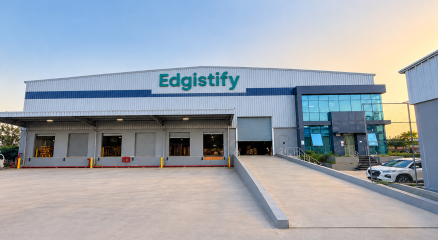
Edgistify has expanded its fulfilment network in the Gurugram region with the addition of a 68,000 sq ft warehouse at IndoSpace’s logistics park in Luhari, Haryana. The facility marks the company’s third high-grade warehouse in the region, with both new and existing customers already shipping orders from the site. The expansion comes ahead of the festive season, when consumer brands face heightened order volumes and tighter fulfilment timelines. With its two existing Gurugram facilities operating at full capacity, Edgistify is positioning the Luhari warehouse to provide additional storage and fulfilment capacity, enabling brands to consolidate inventory rather than distribute it across multiple logistics partners during demand peaks. The company’s operations are designed to accommodate order surges of up to 2.5 times normal volumes, supporting brands as they navigate seasonal demand fluctuations across multiple sales channels. The new facility will serve direct-to-consumer websites, online marketplaces, quick-commerce platforms and modern trade through a common inventory pool. This integrated approach is particularly relevant as quick-commerce platforms increasingly require brands to fulfil smaller business-to-business consignments more frequently and within fixed delivery slots. Such requirements make inventory proximity and efficient dock operations increasingly important for timely dispatch and truck turnaround. “Our brands have grown faster than our existing space could keep up with, and the festive season is when that pinch shows most,” said Umang Shukla, Co-founder and CEO, Edgistify. He added that the company selected IndoSpace for its warehouse infrastructure, while the Luhari facility would operate under the same team as its existing sites, providing customers with additional capacity within a familiar network. On the technology front, Edgistify will continue to accommodate different warehouse management requirements. Brands using their own warehouse management systems can retain them while Edgistify manages on-ground operations. Those without an existing system can use EdgeOS, the company’s in-house platform, which integrates with their existing storefronts, marketplaces and enterprise resource planning (ERP) systems. The company has also sought to simplify expansion for existing customers, allowing them to move inventory to Luhari without undergoing a fresh vendor onboarding process. By adding capacity in a key logistics market ahead of the festive peak, Edgistify aims to address growing fulfilment requirements while supporting multi-channel distribution and the faster replenishment cycles associated with quick commerce.
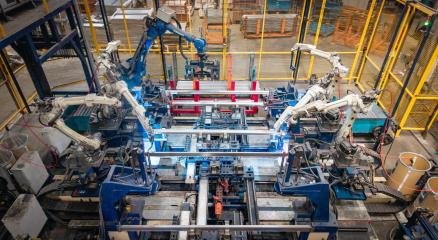
The Storage Solutions business of Godrej Enterprises Group (GEG) will showcase its advanced Mobile Pallet Racking and Shuttle Pallet Racking systems at the Intralogistics & Warehousing Expo 2026, being held from October 15-17 at Chennai Trade Centre. Designed to help businesses maximise warehouse capacity, improve operational efficiency, and optimise space utilisation, these high-density storage solutions address the growing need for smarter warehousing infrastructure as India strengthens its manufacturing and logistics ecosystem. Through its advanced storage and intralogistics solutions, GEG is helping businesses build future-ready supply chains that support industrial growth, supply chain resilience, and economic competitiveness. India's warehousing landscape is undergoing a significant transformation, driven by the continued expansion of manufacturing, e-commerce, retail, and logistics sectors. With warehousing stock projected to reach 850 million sq. ft. by 2030, businesses are increasingly seeking solutions that can help accommodate growing inventory volumes while improving operational efficiency and making better use of existing infrastructure. As land availability becomes constrained and supply chains become more complex, high-density storage systems are emerging as a strategic requirement for businesses seeking to enhance productivity, optimise throughput, and improve inventory management. South India continues to be a key engine of this growth, supported by strong investments across automotive, auto components, engineering, electronics, FMCG, food processing, retail, e-commerce, and third-party logistics sectors. As the region strengthens its position as a manufacturing and logistics hub, demand is increasing for intelligent warehousing solutions that enable businesses to build agile, resilient, and scalable supply chains. Mr. Vikas Choudaha, Business Head, Storage Solutions, Godrej Enterprises Group, said, "As India strengthens its position as a global manufacturing and logistics hub, warehousing infrastructure is becoming a critical enabler of economic growth, supply chain resilience, and industrial competitiveness. The next phase of India's growth will require businesses to do more with existing infrastructure by improving efficiency, productivity, and storage capacity. At Godrej Enterprises Group, we are contributing to this transformation through storage and intralogistics solutions that help businesses maximise warehouse performance and build future-ready operations. By enabling smarter warehousing infrastructure, we are supporting the logistics backbone that powers manufacturing, commerce, and distribution across the country." India's warehousing sector is at an inflection point as businesses look to build more efficient, technology-enabled, and resilient supply chains. Through its Storage Solutions business, Godrej Enterprises Group supports industries across automotive, engineering, FMCG, retail, e-commerce, food processing, and logistics with solutions that improve space utilisation, operational efficiency, and throughput. By enabling smarter warehousing and intralogistics infrastructure, the business continues to contribute to India's manufacturing competitiveness and logistics modernisation journey. With over 70 years of industry expertise and a presence across 40+ countries, the Storage Solutions business of Godrej Enterprises Group delivers end-to-end storage, warehousing, and intralogistics solutions that help businesses build efficient, scalable, and future-ready operations across domestic and international markets. 𝐒𝐭𝐚𝐲 𝐓𝐮𝐧𝐞𝐝 𝐭𝐨 CARGOCONNECT 𝐟𝐨𝐫 𝐥𝐚𝐭𝐞𝐬𝐭 𝐮𝐩𝐝𝐚𝐭𝐞𝐬!
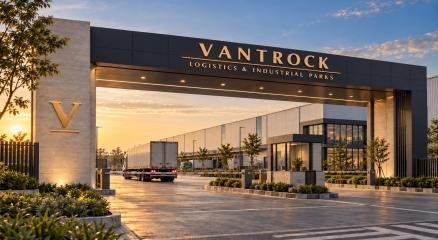
Anshul Singhal, a real estate veteran with over two decades of experience in building institutional platforms, has launched Vantrock Real Assets Pvt Ltd (VRAPL), an operator-led real assets platform initially focused on warehousing, industrial and logistics parks. Headquartered in Mumbai, the company plans to develop approximately 11.5 million sq ft of real-estate, representing an estimated gross development value (GDV) of ₹4,200 crore (approximately US$434 million) upon completion. The first phase will cover around 3 million sq. ft., with an estimated GDV of ₹1,100 crore (approximately US$113 million) across the National Capital Region (NCR), Bengaluru and Pune. Construction is scheduled to begin in 2027, with the first rental income targeted from 2028 onwards. Land for these projects is at advanced stages of negotiation, documentation and/or regulatory approvals. The remaining 8.5 million sq ft is planned across the same markets, alongside the Mumbai Metropolitan Region (MMR), with projects expected to be operationalised in phases over the next 12–18 months. AN INFILL-FIRST APPROACH TO WAREHOUSING Vantrock’s strategy centres on strategic infill locations within established industrial and logistics corridors, where demand for quality warehousing is strong but suitable supply is constrained. The company is targeting land parcels of approximately 15–60 acres, with development potential ranging from 0.4 million to 1.5 million sq. ft. Its proposed portfolio spans big-box and build-to-suit facilities, multi-storey warehouses, last-mile distribution, dark stores, self-storage, cold chain, industrial plots, workforce accommodation and mixed-use developments where offices or retail complement warehousing. “We are going the other way by acquiring the infill land that is left inside proven corridors, and the Grade-B sheds already standing there, refurbished to Grade-A standards,” said Singhal, Founder and CEO, Vantrock. He added that while assembling such locations can be slower and more challenging, they offer greater value to customers by keeping facilities closer to their business operations. REFURBISHMENT AS AN ALTERNATIVE TO NEW CONSTRUCTION A distinctive element of the platform is its plan to acquire existing Grade-B warehouses, either outright or through joint ventures, and upgrade them to Grade-A standards. Vantrock expects its in-house development team to complete these refurbishments within six to 12 months—less than half the time required for a new build and at a lower cost than developing from scratch. The model is intended to provide occupiers with modern facilities closer to demand while increasing the supply of quality warehousing and logistics infrastructure within established urban markets, without requiring cities to invest in additional land. The company expects individual projects to move from land to revenue within 18–24 months of construction commencement. Funding is envisaged through a combination of equity, construction debt and, where appropriate, forward funding from institutional buyers. Joint ventures, joint development arrangements and long-term leasehold structures with landowners and capital partners will also form part of its approach. SAFETY, COMPLIANCE AND INSTITUTIONAL STANDARDS Shailesh V Haribhakti, Chairman of the Board, Vantrock, highlighted the need to improve safety and compliance across India’s existing warehousing stock, particularly in areas such as fire protection, structural integrity, lighting and ventilation. “Bringing that stock to standard is as much a governance task as a real estate one,” Haribhakti said, adding that maintaining global standards across both site operations and board-level oversight would be central to the platform’s growth. ADDRESSING A WIDENING GRADE-A SUPPLY GAP Vantrock’s market selection is informed by a market study and investment thesis prepared by CBRE, which identified high-value warehousing corridors near Tier-I cities. According to CBRE Research, India faces an estimated 117 million sq. ft. shortfall in Grade-A warehousing supply between 2026 and 2031, as demand from third-party logistics providers, e-commerce companies and manufacturing occupiers outpaces quality supply across key corridors. Rami Kaushal, Managing Director – Consulting & Valuation, CBRE India, described the market as being at an inflection point, with the gap between demand and quality supply expected to widen through the end of the decade. Beyond its initial warehousing and industrial focus, Vantrock plans to explore global capability centres (GCCs), suburban office campuses, strata offices, data centres and infrastructure assets as distinct strategies in subsequent phases. The platform’s proposition rests on bringing institutional-grade development and operating standards into established logistics markets—combining new construction with refurbishment to address the shortage of quality space closer to India’s major demand centres.
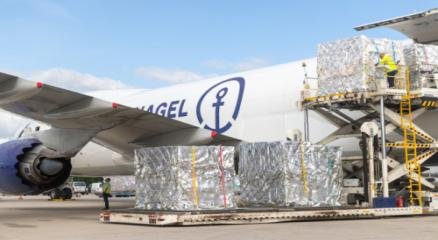
Kuehne+Nagel has expanded its global Cool Corridor network by introducing four new temperature-controlled trade routes, reinforcing its capabilities in transporting sensitive pharmaceutical and healthcare products across key international markets. The latest expansion is aimed at meeting the growing demand for reliable cold chain logistics while ensuring product integrity throughout transit. The newly added Cool Corridors connect Belgium with Singapore, Belgium with Chicago, Belgium with Lima, and Singapore with Sydney, significantly enhancing the company's healthcare logistics network. These dedicated lanes are designed to maintain strict temperature conditions, minimise handling risks, and improve shipment visibility for life sciences and healthcare customers. With the addition of these routes, Kuehne+Nagel continues to strengthen its specialised HealthChain portfolio, which supports the transport of pharmaceuticals, vaccines, biologics and other temperature-sensitive medical products. The Cool Corridor programme combines validated processes, certified infrastructure and advanced monitoring technologies to safeguard cargo quality from origin to destination. The logistics provider noted that the expansion reflects increasing demand from pharmaceutical manufacturers seeking resilient and compliant supply chain solutions amid the continued growth of global healthcare trade. By creating dedicated cold chain lanes, the company aims to reduce transit variability, enhance operational consistency and ensure regulatory compliance across international shipments. The initiative also leverages strategic partnerships with airlines, ground handling agents and logistics facilities that meet stringent healthcare quality standards. These collaborations enable seamless end-to-end temperature management while providing customers with greater transparency through digital shipment monitoring and proactive risk management. “Healthcare customers are looking for ways to maintain product quality while improving efficiency and sustainability across their supply chains. Cool Corridors provide greater control across the shipment journey, helping protect temperature-sensitive products. With more confidence in shipment conditions, customers can use lighter passive packaging, creating opportunities to reduce logistics costs and transport emissions without compromising product integrity,” says Dorothee Becher, VP Global Air Logistics Healthcare at Kuehne+Nagel. The network expansion underscores the company's broader strategy of investing in healthcare logistics infrastructure globally. In recent months, Kuehne+Nagel has also expanded its healthcare footprint through temperature-controlled facilities in major pharmaceutical hubs, further strengthening its ability to support evolving customer requirements. As pharmaceutical supply chains become increasingly global and complex, demand for specialised cold chain logistics continues to rise. By extending its Cool Corridor network, Kuehne+Nagel is positioning itself to offer enhanced reliability, regulatory compliance and end-to-end visibility for temperature-sensitive healthcare shipments, supporting the industry's need for secure and efficient logistics solutions. 𝐒𝐭𝐚𝐲 𝐓𝐮𝐧𝐞𝐝 𝐭𝐨 CARGOCONNECT 𝐟𝐨𝐫 𝐥𝐚𝐭𝐞𝐬𝐭 𝐮𝐩𝐝𝐚𝐭𝐞𝐬!
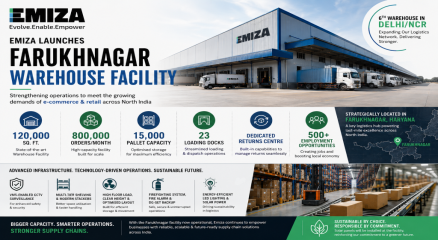
Emiza, one of India's leading Third-Party Logistics (3PL) providers, has strengthened its warehousing and fulfilment network with the launch of a new logistics facility in Farukhnagar, Haryana. The expansion comes amid rising demand from the e-commerce, retail and consumer sectors for faster, scalable and technology-driven supply chain solutions across northern India. The newly operational facility spans 120,000 sq ft and marks Emiza's sixth warehouse in the Delhi-NCR region, taking the company's overall warehousing footprint to more than 60 million cubic feet across 11+ cities and 11+ states. Strategically located in one of North India's key logistics hubs, the warehouse offers a pallet capacity of 15,000, features 23 loading docks, and is designed to process up to 800,000 orders per month. The facility will also function as a dedicated returns processing centre, enabling partner brands to efficiently manage reverse logistics operations while improving inventory visibility and customer experience. Commenting on the development, Ajay Rao, Founder & CEO, Emiza, said: “The Farukhnagar warehouse is a milestone in Emiza’s journey to redefine how logistics infrastructure supports modern businesses. Beyond its physical scale, it reflects a vision of agility, resilience, and forward-thinking design, where operations can quickly adapt to changing market needs. This facility enables us to respond faster to client demands, integrate advanced systems for seamless supply chain management, and set a benchmark for future expansion.” Built to support high-volume operations, the facility incorporates VMS-enabled CCTV surveillance, multi-tier shelving systems, modern stackers, balanced ventilation, and advanced warehouse management infrastructure. Its high floor load-bearing capacity, optimised clear height, and dedicated loading and unloading bays are designed to improve storage efficiency and accelerate cargo movement. Jitendra Kumar, Co-founder, Emiza stated, “The Farukhnagar facility has been built with a strong focus on operational efficiency and smooth movement of goods. From the layout of the warehouse to the equipment installed, every element is designed to support faster handling, accurate storage and timely dispatch.” The facility also integrates comprehensive safety measures, including advanced firefighting and alarm systems, DG-set power backup, and energy-efficient LED lighting to ensure uninterrupted operations and compliance with industry standards. In line with Emiza's sustainability roadmap, solar panels will be installed at the warehouse, replicating initiatives already implemented at the company's KSquare facility. Beyond operational expansion, the project is expected to generate more than 500 employment opportunities, contributing to regional economic growth and strengthening Farukhnagar's position as a prominent logistics destination. With the addition of the Farukhnagar warehouse, Emiza continues to deepen its presence across strategic logistics corridors, enhancing its ability to deliver reliable, scalable and future-ready supply chain solutions for India's rapidly evolving commerce ecosystem.
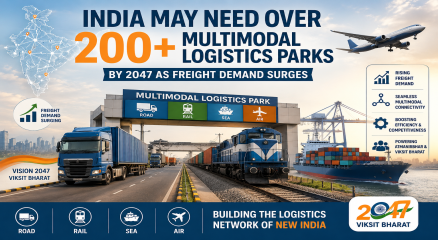
India will require more than 200 next-generation multimodal logistics parks (MMLPs) over the next two decades to handle rising freight volumes, improve cargo movement efficiency and support the country’s long-term manufacturing and trade ambitions, according to a new industry assessment. The report, prepared by the Confederation of Indian Industry (CII) and property consultancy Knight Frank India, estimates that the country will need approximately 215–216 integrated logistics hubs by 2047 as freight demand expands alongside industrial growth, urbanisation and increasing consumption. India’s freight movement is projected to reach nearly 28 billion tonnes by 2047, creating significant pressure on existing transport infrastructure. The report argues that large-scale logistics parks connected to rail, road, ports and industrial corridors will be essential to manage future cargo volumes while reducing dependence on road transport. According to the study, multimodal logistics parks integrated with Dedicated Freight Corridors (DFCs) could reduce door-to-door freight costs by as much as 43% compared with conventional road-based transportation. Such facilities are expected to improve cargo aggregation, lower handling costs, shorten transit times and reduce congestion across major freight routes. The findings come as India accelerates investments in logistics infrastructure under initiatives such as PM Gati Shakti and the National Logistics Policy. Policymakers have identified logistics efficiency as a key factor in improving export competitiveness and attracting manufacturing investments. Over the past decade, infrastructure spending worth nearly $360 billion has helped reduce India’s logistics costs to an estimated 10–10.7% of GDP from around 13–14% previously, according to the report. Despite this progress, industry experts argue that further gains will depend on the development of integrated freight ecosystems capable of supporting multimodal transportation networks. The report highlights inadequate rail connectivity between industrial clusters and freight terminals as one of the major structural challenges facing the sector. Expanding multimodal logistics infrastructure is expected to encourage a larger shift of cargo from roads to railways, which are generally more cost-efficient for long-distance freight movement. The government has already identified 35 multimodal logistics park projects under the Bharatmala programme, although implementation has faced challenges including land acquisition delays, financing constraints and connectivity issues. Several states have recently advanced logistics park projects near key industrial and port locations, reflecting growing recognition of their role in strengthening supply chain networks. Industry stakeholders believe the next phase of logistics development will increasingly focus on integrated infrastructure rather than standalone warehousing assets. Modern logistics parks are expected to combine freight terminals, container depots, warehousing facilities, cold-chain infrastructure and digital cargo management systems within a single networked ecosystem. As India targets higher manufacturing output and export growth over the coming decades, the scale and pace of logistics infrastructure development are expected to become critical determinants of supply chain competitiveness. The report suggests that without substantial expansion of multimodal freight facilities, existing transport networks could face mounting pressure from rising cargo volumes, potentially increasing logistics costs and limiting economic efficiency. Follow CARGOCONNECT for more such updates.

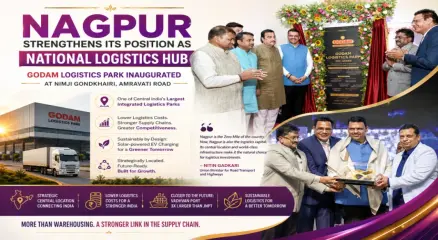
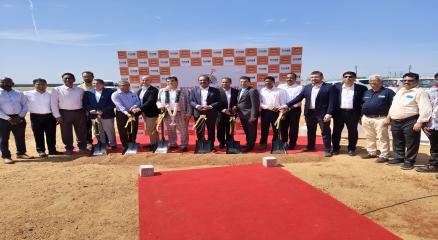
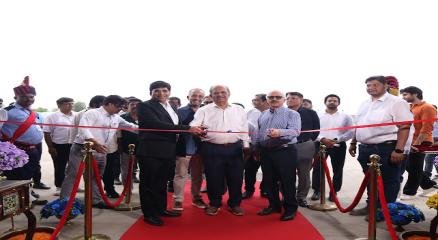
Nagpur has taken a significant step toward strengthening its position in India’s logistics and supply chain ecosystem with the inauguration of the Godam Logistics Park at Nimji Gondkhairi on Amravati Road. The project, inaugurated by Maharashtra Chief Minister Devendra Fadnavis and Union Minister Nitin Gadkari is being positioned as one of Central India’s largest integrated logistics facilities. The launch comes at a time when Nagpur is increasingly being recognised as a strategic logistics destination due to its central geographic location and expanding infrastructure network. Industry stakeholders believe the development will accelerate warehousing investments, multimodal connectivity, and supply chain efficiencies across Maharashtra and neighbouring states. Speaking at the inauguration, Nitin Gadkari highlighted Nagpur’s strategic advantage, noting that the city lies almost equidistant from major commercial centres such as Delhi, Mumbai, Chennai, and Kolkata. According to him, this positioning makes Nagpur an ideal base for companies looking to establish pan-India distribution and logistics operations. He also emphasized that large-scale logistics infrastructure projects can play a key role in reducing overall transportation and warehousing costs for businesses. India’s logistics cost is currently higher than China and several European economies. Gadkari cited findings from a joint study by premier institutions including IIM Bangalore, IIT Chennai, and IIT Kanpur, which suggested that ongoing infrastructure improvements have already contributed to a reduction in logistics costs by nearly 6%. He added that the expansion of national highways and improvements in fuel efficiency are gradually making Indian logistics more globally competitive. The Union Minister also advocated for the integration of sustainable mobility infrastructure within logistics parks. He recommended the installation of solar-powered fast electric vehicle charging stations at the Godam Logistics Park to support cleaner transportation solutions and improve long-term operational efficiency. Meanwhile, CM Fadnavis reiterated the Maharashtra government’s commitment to transforming the state into a logistics powerhouse through a newly introduced mega logistics policy aligned with the Centre’s PM Gati Shakti initiative. He noted that investor interest in logistics infrastructure across the state has increased considerably, particularly in Nagpur, which is rapidly emerging as a preferred destination for warehousing and distribution facilities. The Chief Minister also pointed to the upcoming Vadhvan Port project in Maharashtra’s Konkan region, expected to be substantially larger than Jawaharlal Nehru Port, as a major development that could further strengthen Nagpur’s connectivity and cargo movement potential in the coming years. Directors of Godam Logistics comprising Mahavir Jain, KK Gupta, and Rajan Agarwal described the new facility as more than a conventional warehousing cluster, underlining its role in enabling integrated supply chain operations, industrial growth, and future-ready logistics services. With rising infrastructure investments, supportive policy measures, and improving multimodal connectivity, Nagpur is steadily cementing its role as a critical logistics gateway for Central India. 𝐒𝐭𝐚𝐲 𝐓𝐮𝐧𝐞𝐝 𝐭𝐨 https://cargoconnect.co.in/ 𝐟𝐨𝐫 𝐥𝐚𝐭𝐞𝐬𝐭 𝐮𝐩𝐝𝐚𝐭𝐞𝐬!
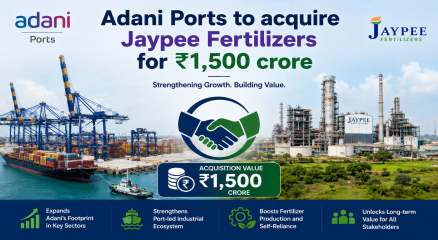
Adani Ports and Special Economic Zone Ltd (APSEZ) has agreed to acquire Jaypee Fertilizers & Industries Ltd (JFIL) from Jaiprakash Associates Ltd (JAL) for ₹1,500 crore, strengthening its presence in India’s logistics and industrial infrastructure sector. The transaction forms part of the insolvency resolution plan approved for JAL by the National Company Law Tribunal (NCLT). Through the acquisition, APSEZ will gain indirect control of Kanpur Fertilizers and Chemicals Ltd (KFCL), which owns nearly 243 acres of industrial and commercial land in Kanpur. The company plans to use the site for logistics and warehousing development as it expands its multimodal logistics network across the country. The move reflects APSEZ’s broader strategy of increasing its inland logistics capabilities beyond port operations. The company has been expanding its presence in warehousing, rail-linked freight infrastructure and cargo handling to create integrated supply chain services. Industry analysts note that private port operators are increasingly investing in logistics assets to secure cargo volumes and improve end-to-end transportation offerings. The acquisition will be completed through a cash transaction under the implementation framework of the approved JAL resolution plan. The NCLT approved the plan in March 2026, and the order was later upheld by the National Company Law Appellate Tribunal (NCLAT). The latest deal adds to APSEZ’s series of infrastructure acquisitions in recent years, including investments in ports, logistics parks and storage assets aimed at strengthening its integrated transport network across India. Follow CARGOCONNECT for more such updates
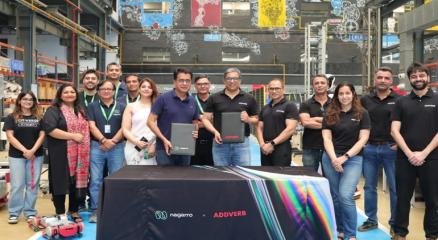
Nagarro, a well-known digital engineering leader, and Addverb, a global leader in robotics and warehouse automation solutions, have formed a strategic partnership to drive innovation in robotics and digital automation. This collaboration, marked by a Memorandum of Understanding (MoU), is set to transform industrial automation by creating advanced robotic solutions and digital twin technologies that cater to markets around the world. The alliance brings together Nagarro's strengths in software engineering, digital integration, and intelligent technologies with Addverb's expertise in robotics hardware and warehouse automation systems. By combining these capabilities, the two companies aim to design integrated solutions that effectively link digital intelligence with physical automation processes. As part of this collaboration, both companies will engage in co-developing solutions, including joint intellectual property creation and knowledge-sharing programs. They also plan to establish advanced robotics experience centers and innovation spaces that support experimentation and promote faster adoption of new technologies. Sangeet Kumar, CEO and Co-founder of Addverb, emphasized that the future of automation lies in connected ecosystems where software and robotics work in harmony. He said that Addverb is evolving from providing standalone hardware to delivering comprehensive, intelligent automation systems that meet the changing needs of supply chains. Furthermore, he highlighted that this partnership with Nagarro will help reinforce this vision by enabling the development of flexible, scalable, and future-proof automation solutions. The collaboration will also explore opportunities in various sectors, including warehousing, manufacturing, and broader supply chain operations. Both companies plan to enhance their global presence through coordinated marketing efforts and mutual referrals. Narro will concentrate on software integration, digital platforms, and intelligent technologies, while Addverb will focus on hardware implementation, automation infrastructure, and lifecycle support services. Ganesh Sahai, CTO of Nagarro, pointed out that many automation efforts are confined to isolated applications, but this partnership aims to integrate software systems, robotics, and operational workflows seamlessly. He noted that such integrated solutions can enhance execution speed, increase operational efficiency, and improve predictability for businesses. This collaboration also showcases Nagarro's increasing focus on AI-driven engineering solutions that connect digital ecosystems with physical operations, helping enterprises achieve faster growth and improved reliability and performance. For more such news and updates, visit CARGOCONNECT.
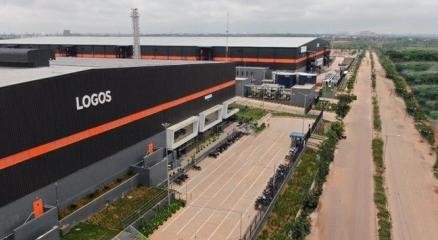
In a significant move to solidify its dominance in India’s southern logistics corridor, Amazon India has finalized a long-term lease for a sprawling 278,000-square-foot warehouse in Bengaluru. The deal, which comes amid a nationwide surge in e-commerce infrastructure spending, highlights the tech giant's commitment to optimizing its last-mile delivery capabilities in one of the country’s most congested but lucrative metropolitan areas. The facility, located in the burgeoning Nelamangala industrial corridor, was secured at a monthly rent of approximately Rs 73 lakh (Rs 7.3 million). Industry data suggests the pricing stands at roughly Rs 26.25 per square foot, a figure that reflects the premium now commanded by Grade-A warehousing in peripheral urban zones. The nine-year agreement, registered in early April 2026, includes a 5% annual rental escalation and a substantial security deposit of over Rs 4.37 crore. To facilitate a smooth transition, the lease provided a 75-day rent-free period, with formal payments having commenced on March 15. This expansion isn't just about square footage; it’s about specialized logistics. The warehouse is designed for high-volume transit, featuring: Specialized Parking: 25 dedicated truck bays and 150 bike slots to support the "army" of delivery personnel required for rapid fulfillment. Optimized Reach: Situated in the Sompura Hobli region, the site offers seamless access to major highways, bypassing much of the city’s core traffic to reach the northern and western consumption hubs more efficiently. This deal is part of a much larger puzzle for Amazon in India. Over the last year, the company has been aggressively locking down Grade-A stock across the country—from a massive 5.5-lakh-sq-ft facility in West Bengal to premium office renewals in Mumbai’s Vikhroli. By prioritizing large-format, institutional-grade assets, Amazon is following a broader market trend where institutional capital is increasingly replacing fragmented, unorganized storage. With Bengaluru’s warehousing stock expected to cross 80 million square feet this year, the city remains the primary operational base for e-commerce giants looking to balance massive inventory with the rising consumer demand for same-day deliveries. Real estate observers note that Bengaluru’s peripheral growth corridors are seeing unprecedented demand. As quick-commerce and 3PL (Third-Party Logistics) players compete for the same limited pool of high-quality space, the entry of major players like Amazon into 9-year commitments signals that the industrial real estate cycle is nowhere near its peak. For landlords, these high-spec assets continue to be a resilient income stream in an otherwise volatile commercial market.. For more such news and updates, visit CARGOCONNECT.
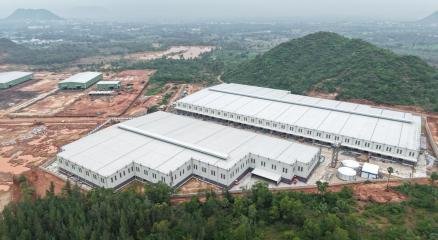
TVS Industrial & Logistics Parks (TVS ILP) has signed a Memorandum of Understanding (MoU) for a 10-acre logistics park development in Siliguri, marking a strategic expansion of its footprint across East India and strengthening its presence in one of the region’s key emerging logistics hubs. Positioned as the gateway to Northeast India, Siliguri offers strong multimodal connectivity and serves as a vital transit link connecting domestic markets with neighbouring countries including Nepal, Bhutan and Bangladesh. The proposed development is expected to support regional supply chain efficiency while accelerating the shift towards organised Grade A warehousing infrastructure in the region. The MoU was signed in the presence of senior representatives from TVS ILP and Ram Niwas Group, reinforcing collaborative efforts to strengthen logistics infrastructure across West Bengal. The development comes amid rising demand from sectors such as e-commerce, FMCG, pharmaceuticals and regional distribution networks, which continue to expand operations across Eastern and Northeastern India. Commenting on the development, Dr Ramnath Subramaniam, Joint Managing Director, TVS ILP stated, “West Bengal is an important market for industrial and logistics growth, supported by its strategic location and strong regional connectivity. Siliguri plays a critical role as a gateway to Northeast India and neighbouring international markets, making it a highly relevant logistics hub. With sectors such as e-commerce, FMCG, pharma and regional distribution networks expanding their footprint, we see strong demand for organised, Grade A warehousing in this region.” The Siliguri project also marks TVS ILP’s second major investment in West Bengal and forms part of the company’s broader nationwide expansion strategy across high-potential industrial and logistics corridors. With a growing pipeline of developments across emerging markets, the company continues to strengthen its position in India’s evolving warehousing and industrial infrastructure landscape.
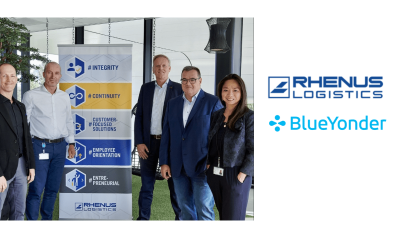
Rhenus Warehousing Solutions has deepened its collaboration with Blue Yonder to drive the global standardisation of its IT systems, reinforcing its digital transformation strategy. As a leading warehousing and fulfilment service provider with operations across 180 sites in 20 countries, Rhenus aims to establish a uniform and efficient IT framework to enhance customer experience worldwide. The partnership will see Rhenus implement Blue Yonder Warehouse Management on a global scale. This interoperable and configurable solution is designed to meet specific customer requirements efficiently while optimising resource allocation across different regions. By enabling in-house configuration of warehouse management modules, Rhenus will reduce its dependence on new software developments, ensuring a more agile and cost-effective operation. Ronny Sassen, Chief Executive Officer of Rhenus Warehousing Solutions, highlighted the significance of the collaboration: "With the global expansion of Blue Yonder, we are creating a robust and flexible foundation for the future of our warehouse management. This not only strengthens our competitiveness but also enables us to respond to the individual needs of our customers worldwide." Beyond system implementation, the partnership will also establish a Blue Yonder competence centre, focused on developing preconfigured modules tailored for various industries. This initiative aims to streamline the implementation process, facilitating the global roll-out of Blue Yonder’s warehouse management solutions and enhancing supply chain efficiencies. Markus Sandbrink, Chief Information Officer of the Rhenus Group, emphasised the long-term strategic benefits: "With Blue Yonder, we are building an IT infrastructure that optimises our global business processes while ensuring the security and performance of our systems. By harmonising this infrastructure, we are strengthening cooperation between all our sites and offering our business partners a reliable basis for their core business." Echoing this sentiment, Nafe Hagen, General Manager, Global Logistics Service Provider and Edge Technologies at Blue Yonder, stated: "Expanding our relationship with Rhenus to include warehousing is an important step in jointly developing innovative and scalable supply chain solutions. Our technology will support Rhenus' security and performance needs as they look to deploy our solutions globally." The initial phase of the collaboration has already demonstrated the potential of a standardised and flexible warehouse management solution. As Rhenus continues its global expansion, the strengthened partnership with Blue Yonder underscores its commitment to digital transformation and operational excellence.
Emiza has inaugurated its 27th multi-client fulfilment centre, its 110,000-square-foot facility in Farrukhnagar, Haryana, enhancing its capacity to meet the growing demands of the e-commerce and retail sectors, mainly the Northern India region. This is its fifth warehouse in the Delhi/NCR region. With this, the company expands its total warehousing footprint to over 50 lakh cubic feet across 14 cities and 13 states. Over the last two years, Emiza's warehousing space has grown by 150 percent, indicating that the firm is strategically scaling its operations to meet the changing demands of India's logistics ecosystem," this release states. The Farrukhnagar facility aims to cater to up to 18 lakh D2C orders every month, thereby greatly enhancing Emiza's logistics delivery speed, reliability, and efficiency. Located in a strategic logistics hub, the warehouse facilitates efficient last-mile services and timely order fulfilment for businesses located in the region. The expansion is also expected to create more than 300 jobs, adding to the company's contribution to local employment. Emiza has generated 2,500 jobs across its network so far and is investing Rs 12 crore in the adoption of cutting-edge technology such as robotics, machine learning, and blockchain to increase operational efficiency and enhance customer experiences. Ajay Rao, Founder of Emiza, said, "Our new facility at Farrukhnagar is more than just an expansion; it is a critical step toward strengthening our ability to meet the surging demand from the e-commerce and retail sectors across North India. With cutting-edge technology and the capacity to handle 1.8 lakh orders per month, this facility will be designed to deliver faster, more reliable, and highly efficient logistics solutions to our clients. This facility will also fulfill bulk shipments to quick commerce regional distribution centers (DCs) on behalf of our brands." According to Jitendra Kumar, Co-founder of Emiza: "The new facility is a result of our long-term vision to scale up without compromising on safety or sustainability. With automation-driven processes and related sustainability initiatives, we are offering smarter, more efficient, and eco-friendlier logistics solutions to our partners. The warehouse also presents new opportunities for the communities we serve, driving both operational and local economic growth." The multi-tier long-span shelving racks have more than 17,000 pallet positions with a storage capacity of over 900,000 cubic feet. Equipped with 20 dock levellers, FM2 flooring, and a conveyor system to ease the flow of materials. To ensure high standards of safety, critical systems including hydrants, sprinklers, electrical dock doors, and 24x7 CCTV surveillance are in place

iWare Supplychain Services, a part of the Inter India Group, is accelerating its operations with notable infrastructure expansions to strengthen India’s logistics network. The company recently added a 47,000-sq-ft warehouse in Kutch, Gujarat, to serve its client Adani Wilmar Ltd. Additionally, a new Clearing and Forwarding (C&F) facility is being established in Kota, Rajasthan, to enhance its service reach across northern India. To further support its fleet operations, iWare has launched a state-of-the-art consumer fuel pump and truck workshop on Samakhiyali, Kutch, optimising fuel management and vehicle maintenance. The developments position iWare as significant contributor to India’s logistics modernisation efforts. A cornerstone of iWare logistics operations is its integration with Indian Railways’ BCN (Break Cargo Network) rake logistics services. The company operates over 100 BCN rakes annually, transporting approximately 220,000 metric tonnes of goods each year. This collaboration allows iWare to offer cost-effective solutions for the long-distance movement of bulk goods while reducing road congestion and emissions, supporting the government’s vision for multimodal transportation. To complement its rail operations, iWare extensive road fleet incudes 500 company-owned trucks and access to an additional 10,000 vehicles through partnerships. The company offers flexible transport solutions, such as Full Truck Load (FTL), Half Truck Load (HTL), and containerised options, catering to diverse business needs. In line with India’s push for green logistics, iWare has integrated several eco-friendly initiatives across its operations. These include the use of energy-efficient warehouse systems, optimised transportation routes, and the adoption of CNG-powered trucks. By reducing its carbon footprint, iWare is actively contributing to the logistics sector’s sustainability goals while meeting client demands for environmentally responsible practices. “Our expansions and sustainable practices reflect our commitment to creating a modern, efficient logistics ecosystem in India,” said Mr Krishna Tanwar, Group Promoter and Managing Director of Inter India Group. “We aim to support national goals by aligning our operations with policies that prioritise efficiency, connectivity, and environmental responsibility.” Beyond infrastructure, iWare is addressing regional connectivity gaps by extending its services to Tier II and Tier III cities. This initiative enables small and medium-sized enterprises (SMEs) in underserved regions to access reliable logistics solutions, empowering them to scale operations and compete more effectively in the market. This move supports the government’s objective of fostering inclusive economic development across India. Through strategic investments in infrastructure and technology, iWare is streamlining cargo handling and improving multimodal transport efficiency. These advancements are helping businesses reduce transit times and optimise supply chain costs, meeting the growing demands of a dynamic and competitive logistics sector.
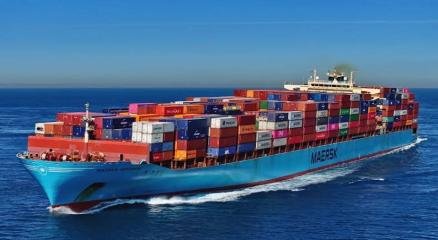
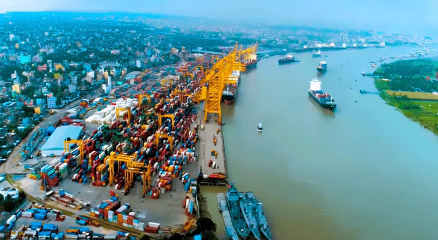
India’s two largest container gateways, Mundra and Nhava Sheva, are facing mounting congestion as rising cargo volumes, truck driver shortages and rerouted shipments from the Middle East strain operations across the country’s logistics network. Shipping lines and logistics operators are reporting worsening turnaround times at both ports, with vessel delays averaging nearly two and a half days and some unscheduled ships waiting up to five days for berthing. The disruptions are slowing cargo movement, tightening yard space and forcing carriers to make last-minute operational changes. According to industry reports, a shortage of truck drivers has become a major bottleneck for container transfers between terminals and inland transport hubs. The issue has reduced the pace of cargo evacuation from ports, adding pressure on already crowded container yards. Terminal operators have intermittently restricted gate access to control container inflow, while export gate schedules continue to shift frequently. These changes are complicating truck planning and increasing uncertainty for exporters and freight forwarders. The congestion is being intensified by cargo diversions linked to disruptions in the Middle East, particularly around Gulf trade routes. Shipping lines have increasingly redirected transshipment cargo to Indian ports as alternatives to facilities in the Persian Gulf, sharply increasing container volumes in recent weeks. The pressure has begun affecting carrier schedules. Some shipping companies are rerouting vessels between terminals at short notice to avoid yard congestion. Danish shipping giant Maersk recently shifted several sailings from its regular terminal at Nhava Sheva to PSA Mumbai after facing space constraints and a growing container backlog. Industry stakeholders say these sudden terminal changes are creating operational and financial challenges for shippers, including higher handling costs and difficulties coordinating customs clearance and inland transportation. The latest disruption comes at a time when India has been positioning itself as a major global manufacturing and logistics hub. Over the past decade, the country has expanded port capacity, improved freight corridors and modernised customs processes to strengthen supply chain efficiency. However, the current congestion highlights the vulnerability of port infrastructure during periods of sudden trade realignment and geopolitical disruption. Logistics experts warn that prolonged delays could increase freight costs, extend delivery timelines and place additional pressure on exporters already dealing with volatile global shipping conditions. Follow CARGOCONNECT for more such updates.
The diversification process by Apple continues to progress as India becomes one of the centers for manufacturing operations. Based on an analysis by Smart Analytics Global (SAG), the percentage share of Indian manufacturing of iPhones has increased from 14% in 2024 to 23% in 2025 and further to 28% by 2026, whereas China’s share has decreased from 83% to 74% within the same timeframe. As Apple continues to lower its reliance on China, India is all set to emerge as the major assembly hub for 28 percent of all iPhones exported around the world by 2026, compared to just 23 percent in the prior year. This change is due to the company's overall strategy of spreading its manufacturing operations in order to mitigate potential tariff risks and geopolitical risks, in addition to creating a more flexible manufacturing network beyond China. Based on the estimates of Smart Analytics Global (SAG), China's share in global iPhone production dropped from 83% in 2024 to 74% in 2025, while India's share increased from 14% in 2024 to 23% in 2025. Estimates provided by another market research firm, Counterpoint Research, indicate that India's share in global iPhone manufacturing could increase to approximately 26% in 2026 from 23% in 2025. As per SAG, “India will account for the manufacture of 28 percent of iPhones shipped globally in 2026, rising from 23 percent in 2025. This growth will be fueled by the ongoing diversification of Apple outside China and capacity build-up at existing manufacturers in India like Tata Electronics,” said Abhilash Kumar, an analyst at Smart Analytics Global. According to Tarun Pathak, research director at Counterpoint Research, “Apple's manufacturing partners have substantially increased their manufacturing capacities and assembly lines in India. They have also diversified their product portfolio made in India.” He further stated that the increase in manufacturing capacity of Tata Electronics is another factor aiding the growth. Apple has managed to localize production substantially in India through manufacturers like Foxconn and Tata Electronics. The recent takeover of Wistron and Pegatron in India by the Tata Group represents a huge step forward in Apple’s localization efforts in India. At present, India is assembling a larger number of iPhones, even the latest versions, and has become an important source of exports, targeting countries like the US and European nations. Over the past five years, Apple has manufactured iPhones worth almost $70 billion in India using its PLI scheme, where around $51 billion, or almost 73% of all iPhones manufactured, were exported from India. Moreover, iPhones have become the most exported goods from India during the previous financial year. India has become the biggest beneficiary of Apple’s changing supply chain. From initially assembling iPhones on a smaller scale, it has grown to become a manufacturing cluster for iPhones through government incentives, increased manufacturing capabilities, and the growing presence of suppliers. Several of the most important suppliers and manufacturers for Apple are still highly entrenched within China, allowing the country to enjoy an unrivaled capacity and adaptability when it comes to managing mass-scale productions and product shifts. For more such news and updates, visit CARGOCONNECT.
Shadowfax is significantly expanding its quick commerce infrastructure, announcing plans to scale its dark store network from 15 facilities to 100 by FY27. The move underscores the company’s growing focus on hyperlocal deliveries, same-day fulfilment, and direct-to-consumer (D2C) logistics as competition intensifies in India’s fast-evolving quick commerce ecosystem. The Bengaluru-based company plans to add 85 new dark stores over the next fiscal year, targeting metro cities with delivery radiuses of approximately seven kilometres and fulfilment timelines of around 30 minutes. The expansion is expected to support rising demand from vertical quick commerce platforms and D2C brands that increasingly rely on third-party logistics (3PL) partners for rapid deliveries. According to company executives, vertical marketplaces are emerging as a profitable segment because of their dependence on outsourced logistics infrastructure rather than captive fulfilment networks. Shadowfax believes this trend creates a strong opportunity for scalable 3PL-led quick commerce models. The dark store expansion will account for nearly 10% of Shadowfax’s planned capital expenditure of ₹180–190 crore in FY27. The company is simultaneously strengthening its automation and artificial intelligence capabilities to improve operational efficiency. AI-led demand forecasting, automated slotting, and smarter sorting centre operations are expected to reduce overhead costs while accelerating breakeven timelines for new facilities. Shadowfax’s aggressive expansion comes on the back of strong financial performance. The company reported a consolidated net profit of ₹55.8 crore in Q4 FY26, compared to a net loss of ₹9.9 crore during the same period last year. Revenue from operations surged 73.6% year-on-year to ₹1,237 crore, reflecting growing order volumes and increased adoption of quick commerce delivery services. Founded in 2015, Shadowfax has evolved into one of India’s largest logistics and last-mile delivery networks, serving over 2,500 cities and more than 15,000 pincodes. The company currently handles millions of shipments daily through a technology-driven delivery ecosystem that supports e-commerce, grocery, hyperlocal, and D2C brands. Industry analysts believe the dark store expansion reflects a broader shift within India’s logistics sector, where speed, proximity-based fulfilment, and automated operations are becoming central to supply chain competitiveness. As quick commerce adoption accelerates beyond groceries into categories such as fashion, electronics, and personal care, logistics providers like Shadowfax are positioning themselves as critical enablers of ultra-fast retail fulfilment. 𝐒𝐭𝐚𝐲 𝐓𝐮𝐧𝐞𝐝 𝐭𝐨 https://cargoconnect.co.in/ 𝐟𝐨𝐫 𝐥𝐚𝐭𝐞𝐬𝐭 𝐮𝐩𝐝𝐚𝐭𝐞𝐬!
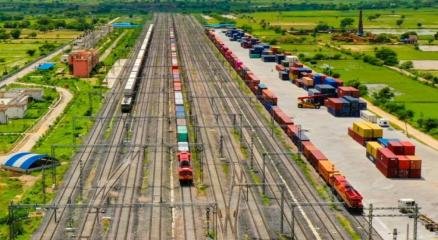
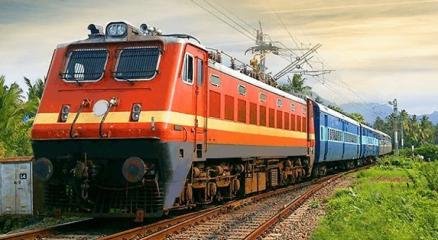
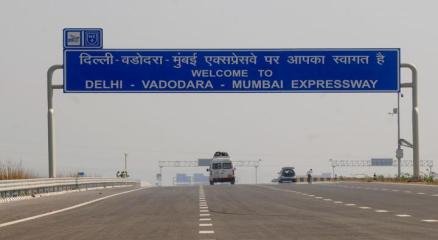
India’s Dedicated Freight Corridors (DFCs) are rapidly reshaping the country’s logistics landscape, with the Western Dedicated Freight Corridor (WDFC) between Dadri and Jawaharlal Nehru Port Authority (JNPA) emerging as a game-changing infrastructure project for supply chains and multimodal freight movement. Designed exclusively for cargo operations, the corridor is significantly reducing transit times, improving reliability, and easing congestion on conventional rail routes. Stretching nearly 1,500 km from Dadri in Uttar Pradesh to JNPA near Mumbai, the corridor forms the backbone of India’s western logistics artery, connecting manufacturing centres, inland container depots, industrial clusters, and ports. With dedicated tracks for freight trains, the network allows uninterrupted cargo movement at higher average speeds, eliminating delays caused by mixed passenger and freight operations. One of the biggest outcomes has been a sharp reduction in transit time. Freight movement between Dadri and JNPA that traditionally took close to 72 hours on congested rail routes is now being completed in nearly half the time, improving turnaround efficiency for exporters, importers, and logistics operators. Industry stakeholders believe the reduction in transit duration will strengthen India’s competitiveness in global trade and support the government’s target of lowering logistics costs as a percentage of GDP. The DFC network has also enabled the operation of longer and heavier freight trains, including double-stack container services on electrified routes. This has increased carrying capacity while lowering per-unit transportation costs. According to sector estimates, rail freight on dedicated corridors is considerably more energy-efficient and environmentally sustainable than road transport, aligning with India’s broader decarbonisation goals. Beyond operational efficiency, the corridors are catalysing the growth of integrated logistics ecosystems. Regions such as Dadri, Greater Noida, and Jewar are witnessing accelerated development of multimodal logistics parks, warehousing zones, and industrial hubs due to their strategic connectivity with both the Eastern and Western DFCs. The emerging “rail-road-air” logistics triangle around the National Capital Region is expected to attract substantial investments in manufacturing and distribution infrastructure. The Dedicated Freight Corridor Corporation of India (DFCCIL) has reported rising freight train volumes on the operational stretches, indicating growing industry adoption. The completion of key links on the western corridor is expected to further enhance throughput and reduce dependency on road transport for long-haul cargo. Analysts say the dedicated rail network could become central to India’s ambition of creating faster, greener, and more resilient supply chains. As India continues investing in additional freight corridors across the country, the success of the Dadri-JNPA route demonstrates how infrastructure modernisation can directly influence trade efficiency, logistics performance, and industrial growth. 𝐒𝐭𝐚𝐲 𝐓𝐮𝐧𝐞𝐝 𝐭𝐨 https://cargoconnect.co.in/ 𝐟𝐨𝐫 𝐥𝐚𝐭𝐞𝐬𝐭 𝐮𝐩𝐝𝐚𝐭𝐞𝐬
In a strategic warehousing move, the South Eastern Coalfields Limited (SECL), the second largest coal-producing subsidiary of Coal India Limited, has signed a Memorandum of Understanding (MoU) with Central Warehousing Corporation (CWC) for collaboration in coal logistics, railway rake provisioning under GPWIS and similar schemes, and integrated transportation services. Guided by the Union Ministry of Coal, SECL is rapidly working to improve India’s energy security and coal logistics infrastructure. The company is taking steps to boost coal evacuation efficiency and ensure a steady fuel supply to essential sectors. This partnership with CWC is a significant move in that direction. The goal of the partnership with CWC is to strengthen SECL’s coal evacuation capabilities by providing reliable and efficient rail logistics solutions to meet the rising demand from the power, steel, cement, and other sectors. The MoU outlines collaboration in various areas, including dedicated railway rake operations, integrated coal transportation solutions, multimodal logistics, first-mile and last-mile connectivity, and the deployment of digital systems for logistics monitoring and operational efficiency. Under the agreed framework, both organizations will explore provisioning and operation of GPWIS and equivalent racks, integrated rail logistics services, and long-term transportation solutions aimed at improving dispatch efficiency and reducing logistical obstacles. The MoU was signed in the presence of Harish Duhan, Chairman-cum-Managing Director of SECL, and Santosh Sinha, Managing Director of CWC. Functional Directors and senior officials from SECL, as well as representatives from CWC, attended the signing ceremony. SECL plays a vital role in meeting the country's growing coal demand. In the current financial year 2026-27, Coal India Limited has already surpassed the 100 million tonne production mark, with SECL contributing more than 26.8 million tonnes. Central Warehousing Corporation (CWC), a Navaratna Central Public Sector Enterprise under the Government of India, is a leader in integrated logistics and warehousing services. It has extensive experience in rail-linked cargo movement and multimodal transportation solutions. For more such news and updates, visit CARGOCONNECT.