Loading...
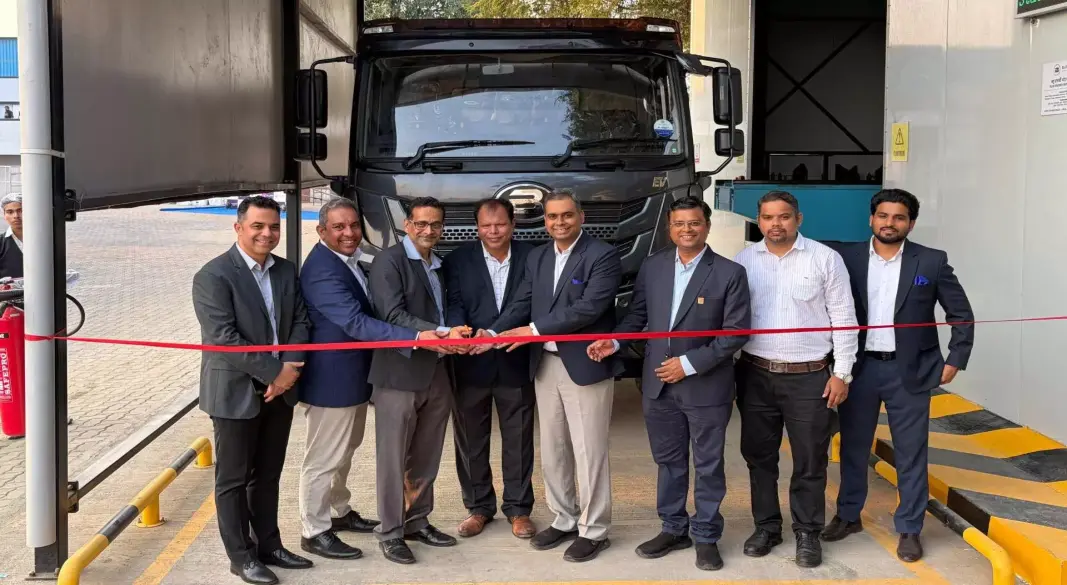
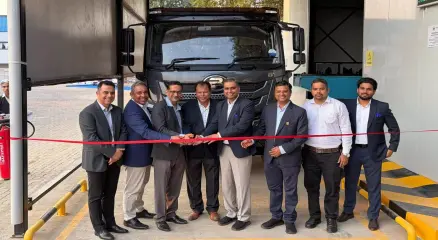
The new facility enables battery replacement in under five minutes, extends the Mumbai–Pune Electric Freight Corridor and combines heavy-duty truck swapping with public EV charging. Blue Energy Motors (BEM), in partnership with Hindustan Petroleum Corporation Limited (HPCL), has operationalised Bhiwandi's first battery-swapping station for electric heavy-duty trucks, strengthening energy infrastructure for electric freight movement across the Mumbai–Pune corridor.
Announced on 26 October, the facility marks a milestone in the strategic partnership between the two companies, established in January 2026. Located in Bhiwandi, a major logistics and warehousing hub in the Mumbai Metropolitan Region, the station extends the Mumbai–Pune Electric Freight Corridor launched by Blue Energy Motors in October 2025.
The facility enables battery swapping for BEM's electric heavy-duty trucks in less than five minutes, helping reduce vehicle downtime and improve fleet utilisation. Rather than waiting for a depleted battery to recharge, operators can replace it with a charged battery and return the vehicle to service.
Battery swapping targets freight downtime
Battery-swapping infrastructure addresses a key operational requirement for electric heavy-duty trucks, where vehicle utilisation and delivery schedules are closely linked to the time needed for energy replenishment. For fleet operators, faster battery replacement can reduce interruptions during freight operations and help vehicles spend more time on the road. The commercial impact will depend on factors such as station availability, fleet volumes, operating schedules and the cost of using the service. By adding Bhiwandi to the corridor's energy infrastructure, BEM and HPCL aim to strengthen the operational case for electric trucks on a major freight route connecting Mumbai and Pune.
Public EV charging adds to the facility
Beyond battery swapping for heavy-duty trucks, the facility includes a public electric vehicle charging station serving two-wheelers, four-wheelers and commercial vehicles. The combination creates a multi-segment EV energy hub within HPCL's existing retail network, extending the facility's role beyond commercial freight. It also illustrates how established fuel retail infrastructure can support the transition towards electric mobility by accommodating different vehicle categories. For Bhiwandi, where extensive warehousing and distribution activity generates substantial freight movement, additional EV energy infrastructure could support wider adoption of lower-emission transport options.
Mumbai–Pune corridor gets additional infrastructure
Blue Energy Motors launched its Mumbai–Pune Electric Freight Corridor in October 2025 as part of its efforts to promote electric heavy-duty trucking. The new Bhiwandi station adds to the infrastructure needed to support reliable vehicle operations along the route. The development follows the January 2026 strategic partnership between BEM and HPCL, bringing together the truck manufacturer's electric freight operations and the oil marketing company's established retail network.
Anand Mimani, CEO – EV and New Energy Business at Blue Energy Motors, said the partnership would help build the energy infrastructure required to make electric freight practical and scalable in India. He identified Bhiwandi's freight and logistics activity as an important market for the company and said it plans to expand its network of battery-swapping and charging facilities across key markets.
BEM expands its green trucking operations
Blue Energy Motors manufactures electric and liquefied natural gas (LNG)-powered heavy-duty trucks. According to the company, more than 1,400 of its green heavy-duty trucks are operating across key freight routes in India. The company also reports that its trucks have collectively covered more than 150 million green kilometres, helping avoid over 44,000 tonnes of carbon dioxide emissions.
HPCL, a Maharatna central public sector enterprise under the Ministry of Petroleum and Natural Gas, is expanding its alternative-energy infrastructure alongside its conventional fuel retail operations. Under its HP e-Charge brand, HPCL reports operating more than 5,800 EV charging stations and over 150 battery-swapping stations across India. The Bhiwandi facility adds heavy-duty electric freight support to this wider network by combining rapid battery replacement with public charging access.
Scaling infrastructure will be key to electric freight adoption
The launch highlights the importance of energy infrastructure in supporting the electrification of India's road freight sector. While electric heavy-duty trucks offer an alternative to conventional diesel-powered transport, commercial adoption also depends on reliable energy access, operational uptime and competitive overall costs.
For BEM and HPCL, the next challenge will be to expand the network across important freight markets and establish services that meet fleet operators' operational requirements. The Bhiwandi station is an additional step towards strengthening the Mumbai–Pune Electric Freight Corridor. Its wider significance will depend on how effectively battery swapping and charging infrastructure can support regular commercial operations and wider adoption of electric freight vehicles.
Follow CARGOCONNECT for more such updates
The new facility enables battery replacement in under five minutes, extends the Mumbai–Pune Electric Freight Corridor and combines heavy-duty truck swapping with public EV charging. Blue Energy Motors (BEM), in partnership with Hindustan Petroleum Corporation Limited (HPCL), has operationalised Bhiwandi's first battery-swapping station for electric heavy-duty trucks, strengthening energy infrastructure for electric freight movement across the Mumbai–Pune corridor. Announced on 26 October, the facility marks a milestone in the strategic partnership between the two companies, established in January 2026. Located in Bhiwandi, a major logistics and warehousing hub in the Mumbai Metropolitan Region, the station extends the Mumbai–Pune Electric Freight Corridor launched by Blue Energy Motors in October 2025. The facility enables battery swapping for BEM's electric heavy-duty trucks in less than five minutes, helping reduce vehicle downtime and improve fleet utilisation. Rather than waiting for a depleted battery to recharge, operators can replace it with a charged battery and return the vehicle to service. Battery swapping targets freight downtime Battery-swapping infrastructure addresses a key operational requirement for electric heavy-duty trucks, where vehicle utilisation and delivery schedules are closely linked to the time needed for energy replenishment. For fleet operators, faster battery replacement can reduce interruptions during freight operations and help vehicles spend more time on the road. The commercial impact will depend on factors such as station availability, fleet volumes, operating schedules and the cost of using the service. By adding Bhiwandi to the corridor's energy infrastructure, BEM and HPCL aim to strengthen the operational case for electric trucks on a major freight route connecting Mumbai and Pune. Public EV charging adds to the facility Beyond battery swapping for heavy-duty trucks, the facility includes a public electric vehicle charging station serving two-wheelers, four-wheelers and commercial vehicles. The combination creates a multi-segment EV energy hub within HPCL's existing retail network, extending the facility's role beyond commercial freight. It also illustrates how established fuel retail infrastructure can support the transition towards electric mobility by accommodating different vehicle categories. For Bhiwandi, where extensive warehousing and distribution activity generates substantial freight movement, additional EV energy infrastructure could support wider adoption of lower-emission transport options. Mumbai–Pune corridor gets additional infrastructure Blue Energy Motors launched its Mumbai–Pune Electric Freight Corridor in October 2025 as part of its efforts to promote electric heavy-duty trucking. The new Bhiwandi station adds to the infrastructure needed to support reliable vehicle operations along the route. The development follows the January 2026 strategic partnership between BEM and HPCL, bringing together the truck manufacturer's electric freight operations and the oil marketing company's established retail network. Anand Mimani, CEO – EV and New Energy Business at Blue Energy Motors, said the partnership would help build the energy infrastructure required to make electric freight practical and scalable in India. He identified Bhiwandi's freight and logistics activity as an important market for the company and said it plans to expand its network of battery-swapping and charging facilities across key markets. BEM expands its green trucking operations Blue Energy Motors manufactures electric and liquefied natural gas (LNG)-powered heavy-duty trucks. According to the company, more than 1,400 of its green heavy-duty trucks are operating across key freight routes in India. The company also reports that its trucks have collectively covered more than 150 million green kilometres, helping avoid over 44,000 tonnes of carbon dioxide emissions. HPCL, a Maharatna central public sector enterprise under the Ministry of Petroleum and Natural Gas, is expanding its alternative-energy infrastructure alongside its conventional fuel retail operations. Under its HP e-Charge brand, HPCL reports operating more than 5,800 EV charging stations and over 150 battery-swapping stations across India. The Bhiwandi facility adds heavy-duty electric freight support to this wider network by combining rapid battery replacement with public charging access. Scaling infrastructure will be key to electric freight adoption The launch highlights the importance of energy infrastructure in supporting the electrification of India's road freight sector. While electric heavy-duty trucks offer an alternative to conventional diesel-powered transport, commercial adoption also depends on reliable energy access, operational uptime and competitive overall costs. For BEM and HPCL, the next challenge will be to expand the network across important freight markets and establish services that meet fleet operators' operational requirements. The Bhiwandi station is an additional step towards strengthening the Mumbai–Pune Electric Freight Corridor. Its wider significance will depend on how effectively battery swapping and charging infrastructure can support regular commercial operations and wider adoption of electric freight vehicles. Follow CARGOCONNECT for more such updates
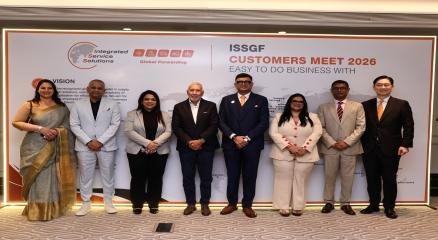
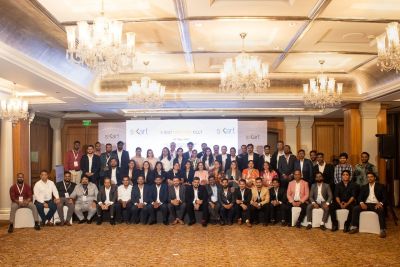
ISS Global Forwarding (ISSGF) marked eight years of operations in India with the ISSGF Customers Meet 2026, bringing together customers, partners, industry stakeholders, major buyers and national media for an evening centred on relationships, business engagement and the company’s next phase of growth. Held on September 11, 2026, at the Fairmont in Andheri, Mumbai, under the theme “Moving Forward Together,” the exclusive customer event provided a platform to reflect on ISSGF’s rapid evolution over the past eight years while outlining its strategic outlook for an increasingly dynamic global logistics and trade environment. The gathering underscored the relationships built around trust, collaboration and shared success, while creating opportunities for meaningful conversations and networking among customers, partners and industry stakeholders. More importantly, it offered a window into how ISSGF is positioning itself for the next stage of its development as a global logistics and freight-forwarding partner. Addressing the media on the occasion, Enver Moretti, Group CEO, ISSGF, reflected on the company’s eight-year journey and its ambition to further strengthen its position as a global forwarding partner. His perspective also highlighted the growing significance of India within ISSGF’s international network and its broader growth strategy, reinforcing the country’s role in the company’s evolving global footprint. Magesh Ganesan, Chief Commercial Officer, ISSGF, focused on the company’s customer relationships and the opportunities emerging across the global logistics landscape. His perspective reinforced ISSGF’s continued emphasis on creating customer value, strengthening partnerships and building long-term relationships as supply chains become increasingly interconnected and dynamic. From a financial and business outlook perspective, Melvin Chang, Group CFO, ISSGF, outlined the organisation’s approach towards sustainable growth as it continues to expand its global footprint and capabilities. His remarks reflected the importance of balancing international expansion with a disciplined and sustainable approach to building the business. Representing ISSGF’s India operations, Rahul Bhowmick, Country Manager & Chief Operating Officer – India, highlighted the company’s presence and growth in the Indian market and the opportunities emerging from the country’s rapidly evolving logistics and trade ecosystem. With India assuming greater importance in global supply chains, the market presents significant potential for forwarding and logistics providers with the capabilities to support increasingly complex trade flows. Together, the leadership perspectives highlighted a common strategic direction: strengthening customer relationships, expanding global capabilities, leveraging the opportunities emerging from India, and building a more resilient and sustainable forwarding business. As ISSGF enters its ninth year, the Customers Meet 2026 served not only as a celebration of the company’s journey so far, but also as a marker of its ambitions ahead. With “Moving Forward Together” as its central theme, the event reflected a growth agenda rooted in collaboration, customer trust and the evolving opportunities presented by India and the global logistics landscape.
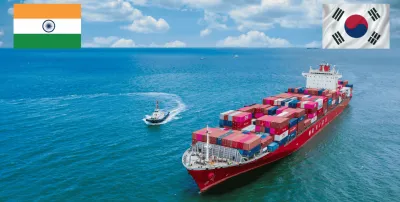
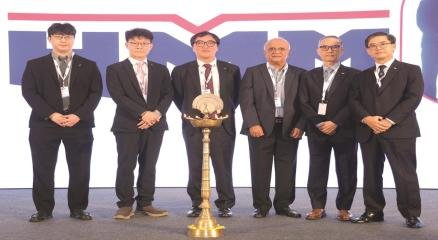
The Indian government’s ambitious push to boost the domestic shipbuilding industry, announced in the Union Budget, is already drawing international interest, with South Korea stepping forward to collaborate on key initiatives. The Korea Marine Equipment Association (KOMEA), a Seoul-based non-profit under South Korea’s Ministry of Industry, Trade and Energy, has offered its support to Indian shipyards for joint vessel design and construction, modernisation of shipyard production facilities, and technology transfer to enhance manufacturing processes, according to multiple sources. KOMEA, which represents major Korean shipbuilding and ship repair enterprises—including HD Hyundai Heavy Industries, Hanwa Ocean (formerly Daewoo Shipbuilding and Marine Engineering), and Samsung Heavy Industries—has formally pledged to provide highly qualified specialists for on-site education and training. The association also aims to develop joint educational programs, supply industrial equipment for modernising Indian shipyards, facilitate technology transfer, and support the localisation of marine equipment and spare parts. Founded in 1980, KOMEA has been instrumental in promoting South Korean marine equipment manufacturers globally and currently has a membership base of 304 entities involved in shipbuilding, design, and repair. The association operates in eight countries, including China, Japan, Singapore, the United States, Greece, Saudi Arabia, Brazil, and Russia. With plans to expand its footprint in India, KOMEA sees the country as a strategic partner in advancing shipbuilding capabilities under a bilateral cooperation framework. “Building strong cooperative relationships between South Korean entities and Indian shipyards could significantly contribute to the growth of the shipbuilding industry in both nations,” a KOMEA official stated. “With over four decades of experience, KOMEA and its members can provide effective solutions to challenges in the shipbuilding sector within a short timeframe.” The Union Budget, presented by Finance Minister Nirmala Sitharaman, earmarked ₹25,000 crore for the Maritime Development Fund (MDF) and introduced a revamped shipbuilding financial assistance policy to counter cost disadvantages. Additional measures include credit incentives for shipbreaking at Indian yards to promote a circular economy and granting infrastructure status to large ships above a specified size. The government also announced plans to develop shipbuilding clusters with enhanced infrastructure, skilling initiatives, and technological advancements to strengthen the industry’s ecosystem. A significant boost for shipbuilders came with the extension of the exemption from Basic Customs Duty (BCD) on raw materials, components, consumables, and parts used in ship manufacturing. This exemption, originally set to expire, will now be extended for another ten years from April 1, 2025. Ahead of the budget announcement, high-level delegations from the Ministry of Ports, Shipping, and Waterways, along with representatives from the private shipbuilding sector, visited leading shipyards in South Korea and Japan. These visits were aimed at forging partnerships and leveraging global expertise to strengthen India’s shipbuilding industry. With South Korea now expressing formal interest in collaboration, the stage is set for India to accelerate its shipbuilding ambitions and emerge as a formidable player in the global maritime sector. Source: ET Infra