
Loading...
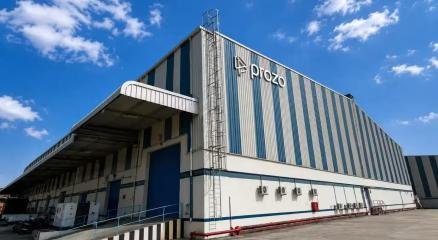
Prozo, recorded 50% Year-on-Year (YoY) growth in FY26 compared with FY25, extending its Compound Annual Growth Rate (CAGR) to 62% since 2022. The company’s logistics business has scaled to more than ₹125 crore in annual recurring revenue (ARR), while its multi-client fulfilment network has expanded to over 1.5 million sq ft across India. The company also reported eight consecutive quarters of EBITDA positivity and four consecutive quarters of profit before tax (PBT) positivity, reflecting its continued focus on scaling operations alongside financial discipline. Serving brands across FMCG, apparel, beauty and personal care, home and kitchen, industrial products and other consumer categories, Prozo addresses the growing complexity of omnichannel supply chains. As businesses expand across Direct-to-Consumer (D2C), marketplaces, general trade, modern trade and emerging commerce channels, managing distributed inventory, multiple fulfilment locations and varying service-level commitments has become increasingly demanding. To address these requirements, Prozo operates through a combination of Third-Party Logistics (3PL) and Fourth-Party Logistics (4PL) models. Under its 3PL model, the company leases facilities, invests in infrastructure and directly manages warehouse operations. Its 4PL model works with regional warehouse and logistics operators, with Prozo providing technology, operational oversight and Control Tower capabilities. Depending on client requirements, the model can also accommodate existing technology systems. The full-stack supply chain solutions provider serving omnichannel brands currently operates more than 10 4PL fulfilment centres covering over 2 lakh sq ft Brands including Traya, Plix and SolarSquare use the network to access fulfilment capabilities across markets. Over the next three years, the company aims to build a network of more than 1,000 warehouses by combining its 3PL and 4PL footprint, with a particular focus on extending coverage into tier II and III markets. The model is designed to give brands wider geographic reach without requiring them to independently establish and manage extensive warehouse networks. Technology underpins the company’s distributed operating model. ProWMS supports warehouse and fulfilment execution, while ProShip manages transportation workflows across D2C, B2B and other freight movements. The platform integrates with leading marketplaces, order management system (OMS) platforms and enterprise applications, including Unicommerce, EasyEcom, Vinculum and SAP, consolidating operational information across channels and partners. Above these execution systems, Prozo’s Control Tower provides end-to-end visibility, service-level agreement (SLA) governance, exception management and operational oversight across locations, sales channels and logistics partners. This layer becomes particularly important as demand patterns shift, inventory is spread across multiple locations and fulfilment commitments differ across marketplaces, D2C and traditional retail channels. Dr Ashvini Jakhar, Founder and CEO of Prozo, said the company had evolved from a warehousing business into an integrated supply chain platform spanning fulfilment, logistics and technology. He highlighted the need for brands to combine access to distributed infrastructure with network-wide visibility and operational control as they expand across geographies and sales channels. Prozo’s next phase of growth will focus on expanding its physical network, strengthening execution technology and deepening its Control Tower capabilities. By combining distributed fulfilment infrastructure with integrated digital oversight, the company aims to help brands enter new markets, manage increasing operational complexity and maintain greater flexibility and control as their businesses scale.
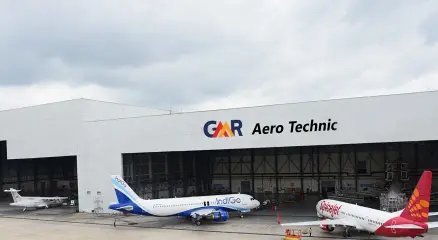
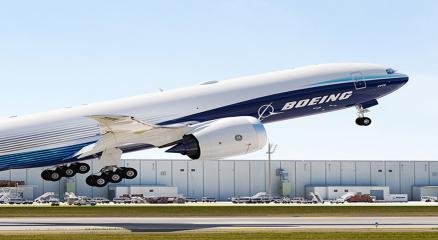
GMR Aero Technic (GAT) has signed a memorandum of understanding (MoU) with France-based UUDS Aero to develop advanced aircraft cabin interiors capabilities in India, with plans to establish an Integrated Cabin Excellence Centre at GAT’s Hyderabad facility. The partnership will bring together GMR Aero Technic’s maintenance, repair and overhaul (MRO) infrastructure and operational capabilities with UUDS Aero’s expertise in cabin interior design, engineering, certification and production. The proposed centre will focus on a comprehensive range of services, spanning cabin design and modification to certification, repair, retrofit, refurbishment, manufacturing and installation. The collaboration aims to provide airlines and aircraft operators with integrated cabin interior solutions, while expanding the scope of specialised aviation services available through India’s growing MRO ecosystem. UUDS Aero brings European design and production credentials to the partnership, holding EASA Part 21J Design Organisation Approval (DOA) and Part 21G Production Organisation Approval (POA). Combined with GMR Aero Technic’s established MRO capabilities, these competencies are expected to support the development of end-to-end cabin solutions for customers in India and international markets. Ashok Gopinath, President and Accountable Manager, GMR Aero Technic, described the agreement as an important milestone in strengthening the company’s aircraft cabin interior capabilities. “The partnership would combine UUDS Aero’s design and certification expertise with GMR Aero Technic’s MRO strengths to deliver integrated cabin solutions across domestic and international markets,” he said. Ashane Gunaratne, Group Chief Technology Officer and Managing Director – Middle East, UUDS Aero, said the collaboration reflected the company’s long-term commitment to the Indian aviation market. “The complementary technical capabilities of both organisations across cabin design, engineering, certification, manufacturing and MRO, with a shared focus on innovation, stronger technical capabilities and sustainable growth,” he highlighted. The proposed Integrated Cabin Excellence Centre marks a step towards broadening GMR Aero Technic’s specialised service portfolio and deepening technical collaboration with an international aerospace partner. Its development is intended to strengthen the availability of integrated aircraft cabin interior capabilities in India, serving the evolving requirements of airlines and aircraft operators.

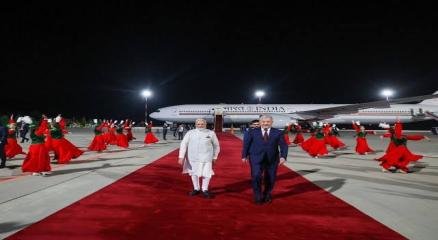
Logistics and supply chain resilience have emerged as key economic themes at the BRICS Summit 2026 in New Delhi, with India using its chairship to push discussions around more resilient and predictable trade infrastructure among member countries. The two-day summit opened in New Delhi this weekend, bringing supply chains and trade logistics into sharper focus as part of the broader economic discussions among BRICS members. The emphasis reflects the growing importance of logistics infrastructure in supporting trade and maintaining the reliability of cross-border supply networks. The issue was already highlighted a day before the formal summit sessions began, at the BRICS Business Forum on Friday, where the push for stronger trade and logistics systems was laid out. Logistics gains strategic importance For BRICS economies, the ability to move goods efficiently across borders is closely linked to the expansion and reliability of trade. Supply chain disruptions can affect the movement of goods, increase uncertainty for businesses and make trade flows less predictable. Against this backdrop, the focus in New Delhi has been on creating conditions that can make trade infrastructure more resilient. India's approach under its BRICS chairship has placed predictability alongside resilience, signalling the importance of infrastructure and logistics networks that can support sustained trade between member economies. The emphasis also reflects the changing role of logistics in the global economy. Once viewed primarily as an operational component of trade, logistics infrastructure is increasingly becoming part of wider economic and strategic discussions, particularly as businesses and governments seek greater resilience in international supply chains. Trade infrastructure in focus The focus on trade logistics at the summit comes as BRICS economies continue to look at ways of strengthening economic cooperation. Efficient infrastructure, dependable trade corridors and predictable movement of goods are fundamental to making greater intra-BRICS trade possible. For India, the discussion is particularly relevant as it continues to position logistics infrastructure as an important element of its wider trade and economic agenda. The BRICS chairship provides a platform to bring these issues into discussions involving major emerging economies. The discussions in New Delhi therefore put logistics closer to the centre of the BRICS economic conversation. Rather than being treated simply as a supporting function for trade, supply chains are increasingly being considered an important part of economic resilience and international cooperation. As the summit proceedings continue, the focus on resilient and predictable trade infrastructure highlights the role that logistics can play in shaping the future of economic engagement among BRICS countries. Follow CARGOCONNECT for more such news
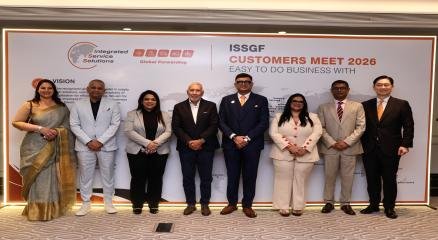
ISS Global Forwarding (ISSGF) marked eight years of operations in India with the ISSGF Customers Meet 2026, bringing together customers, partners, industry stakeholders, major buyers and national media for an evening centred on relationships, business engagement and the company’s next phase of growth. Held on September 11, 2026, at the Fairmont in Andheri, Mumbai, under the theme “Moving Forward Together,” the exclusive customer event provided a platform to reflect on ISSGF’s rapid evolution over the past eight years while outlining its strategic outlook for an increasingly dynamic global logistics and trade environment. The gathering underscored the relationships built around trust, collaboration and shared success, while creating opportunities for meaningful conversations and networking among customers, partners and industry stakeholders. More importantly, it offered a window into how ISSGF is positioning itself for the next stage of its development as a global logistics and freight-forwarding partner. Addressing the media on the occasion, Enver Moretti, Group CEO, ISSGF, reflected on the company’s eight-year journey and its ambition to further strengthen its position as a global forwarding partner. His perspective also highlighted the growing significance of India within ISSGF’s international network and its broader growth strategy, reinforcing the country’s role in the company’s evolving global footprint. Magesh Ganesan, Chief Commercial Officer, ISSGF, focused on the company’s customer relationships and the opportunities emerging across the global logistics landscape. His perspective reinforced ISSGF’s continued emphasis on creating customer value, strengthening partnerships and building long-term relationships as supply chains become increasingly interconnected and dynamic. From a financial and business outlook perspective, Melvin Chang, Group CFO, ISSGF, outlined the organisation’s approach towards sustainable growth as it continues to expand its global footprint and capabilities. His remarks reflected the importance of balancing international expansion with a disciplined and sustainable approach to building the business. Representing ISSGF’s India operations, Rahul Bhowmick, Country Manager & Chief Operating Officer – India, highlighted the company’s presence and growth in the Indian market and the opportunities emerging from the country’s rapidly evolving logistics and trade ecosystem. With India assuming greater importance in global supply chains, the market presents significant potential for forwarding and logistics providers with the capabilities to support increasingly complex trade flows. Together, the leadership perspectives highlighted a common strategic direction: strengthening customer relationships, expanding global capabilities, leveraging the opportunities emerging from India, and building a more resilient and sustainable forwarding business. As ISSGF enters its ninth year, the Customers Meet 2026 served not only as a celebration of the company’s journey so far, but also as a marker of its ambitions ahead. With “Moving Forward Together” as its central theme, the event reflected a growth agenda rooted in collaboration, customer trust and the evolving opportunities presented by India and the global logistics landscape.

Singapore Airlines is set to strengthen its presence at Munich Airport with the addition of three new weekly services from the 2026 winter schedule, increasing total flights between Munich and Singapore from seven to ten per week. The expanded schedule will introduce evening departures on Mondays, Wednesdays and Fridays, complementing the airline’s existing daily daytime operations and offering enhanced overnight connectivity between Europe and Asia-Pacific markets. The move is expected to improve onward connections through Singapore to major destinations including Bangkok, Bali, Jakarta, Ho Chi Minh City, Australia and New Zealand, while also enhancing schedule flexibility for both business and leisure travellers. As part of its joint venture partnership with the Lufthansa Group under the Star Alliance framework, Singapore Airlines and Lufthansa Group carriers will collectively offer 17 weekly services between Munich and Singapore. Commenting on the development, Oliver Dersch said the expansion reinforces Munich’s position as a premium European aviation hub while providing passengers with greater connectivity across the Asia-Pacific region. With the revised winter schedule, Singapore Airlines will operate a combined 24 weekly direct flights connecting Frankfurt and Munich with Singapore, further deepening its footprint in the German market and supporting growing long-haul travel demand between Europe and Asia.
SAL (Saudi Logistics Services) has signed a conditional agreement to acquire 100% shares of Aviapartner Liège from Aviapartner Belgium NV and Aviapartner Holding NV, marking a strategic step in the Saudi logistics company’s international expansion ambitions. The proposed acquisition, valued at an enterprise value of EUR 28 million, will provide SAL with an operational foothold at Liège Airport, one of Europe’s key air cargo gateways. The transaction remains subject to customary regulatory approvals and closing conditions. The move is expected to strengthen SAL’s cargo handling and logistics capabilities beyond the Kingdom while expanding connectivity across global trade corridors. By integrating Aviapartner Liège’s operations into its network, the company aims to enhance operational efficiency, deepen airline and customer partnerships, and reinforce its international logistics platform. Commenting on the development, Omar Hariri said the acquisition represents a strategic milestone in SAL’s global growth journey and reflects the company’s ambition to build an integrated logistics ecosystem aligned with Saudi Arabia’s National Transport and Logistics Strategy and Vision 2030 objectives. The acquisition is also expected to support revenue diversification and operational integration while positioning SAL as an increasingly significant player in the international cargo and logistics landscape.

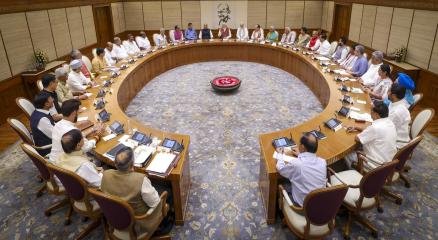
The Union Cabinet, chaired by Prime Minister Narendra Modi, has approved the Emergency Credit Line Guarantee Scheme (ECLGS) 5.0. The scheme aims to provide credit guarantee coverage of 100% for MSMEs and 90% for non-MSMEs, as well as the airline sector, to Member Lending Institutions (MLIs) by National Credit Guarantee Trustee Company Limited (NCGTC) for the amount in default under the additional credit facility extended to the eligible borrowers to tide over any short-term liquidity mismatches in view of the West Asia Crisis. The total outlay of the scheme is expected to be ₹18,100 crore, and it is expected to generate additional credit flows worth ₹2.25 lakh crore. The scheme is open to MSMEs, non-MSMEs with existing working capital limits, and scheduled passenger airlines that have outstanding credit facilities as of March 31, 2026, as long as their loan accounts are not overdue. Under the scheme, the government will provide 100% coverage to MSMEs and 90% to non-MSMEs and airlines for loans they take for additional credit up to 20% of the peak working capital utilised during the fourth quarter of 2025-26, capped at Rs. 100 crore. For airlines, the loans can be for up to 100% of their peak working capital, but this is capped at ₹1,500 crore per borrower, subject to satisfying certain specific conditions. However, the scheme would apply to all loans sanctioned during the period from the date of issue of these guidelines by NCGTC up to 31 March 2027, and the maximum period of guarantee cover shall be co-terminus with the tenor of the loan. The scheme aims to enable businesses to tide over the challenges arising from the West Asia conflict. Additionally, this is expected to help businesses maintain their operations, protect jobs, and sustain supply chains. Overall, the proposed credit guarantee scheme is a major step to help businesses, particularly MSMEs and the airline sector, to ensure their additional working capital needs are catered to by the banks & financial institutions. By providing timely liquidity, the scheme will sustain the businesses and prevent job losses. It will also promote uninterrupted domestic production and maintain the resilience of the ecosystem. Follow CARGOCONNECT for more news & updates!
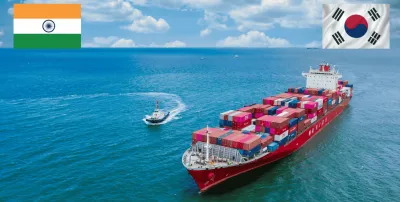
The Indian government’s ambitious push to boost the domestic shipbuilding industry, announced in the Union Budget, is already drawing international interest, with South Korea stepping forward to collaborate on key initiatives. The Korea Marine Equipment Association (KOMEA), a Seoul-based non-profit under South Korea’s Ministry of Industry, Trade and Energy, has offered its support to Indian shipyards for joint vessel design and construction, modernisation of shipyard production facilities, and technology transfer to enhance manufacturing processes, according to multiple sources. KOMEA, which represents major Korean shipbuilding and ship repair enterprises—including HD Hyundai Heavy Industries, Hanwa Ocean (formerly Daewoo Shipbuilding and Marine Engineering), and Samsung Heavy Industries—has formally pledged to provide highly qualified specialists for on-site education and training. The association also aims to develop joint educational programs, supply industrial equipment for modernising Indian shipyards, facilitate technology transfer, and support the localisation of marine equipment and spare parts. Founded in 1980, KOMEA has been instrumental in promoting South Korean marine equipment manufacturers globally and currently has a membership base of 304 entities involved in shipbuilding, design, and repair. The association operates in eight countries, including China, Japan, Singapore, the United States, Greece, Saudi Arabia, Brazil, and Russia. With plans to expand its footprint in India, KOMEA sees the country as a strategic partner in advancing shipbuilding capabilities under a bilateral cooperation framework. “Building strong cooperative relationships between South Korean entities and Indian shipyards could significantly contribute to the growth of the shipbuilding industry in both nations,” a KOMEA official stated. “With over four decades of experience, KOMEA and its members can provide effective solutions to challenges in the shipbuilding sector within a short timeframe.” The Union Budget, presented by Finance Minister Nirmala Sitharaman, earmarked ₹25,000 crore for the Maritime Development Fund (MDF) and introduced a revamped shipbuilding financial assistance policy to counter cost disadvantages. Additional measures include credit incentives for shipbreaking at Indian yards to promote a circular economy and granting infrastructure status to large ships above a specified size. The government also announced plans to develop shipbuilding clusters with enhanced infrastructure, skilling initiatives, and technological advancements to strengthen the industry’s ecosystem. A significant boost for shipbuilders came with the extension of the exemption from Basic Customs Duty (BCD) on raw materials, components, consumables, and parts used in ship manufacturing. This exemption, originally set to expire, will now be extended for another ten years from April 1, 2025. Ahead of the budget announcement, high-level delegations from the Ministry of Ports, Shipping, and Waterways, along with representatives from the private shipbuilding sector, visited leading shipyards in South Korea and Japan. These visits were aimed at forging partnerships and leveraging global expertise to strengthen India’s shipbuilding industry. With South Korea now expressing formal interest in collaboration, the stage is set for India to accelerate its shipbuilding ambitions and emerge as a formidable player in the global maritime sector. Source: ET Infra
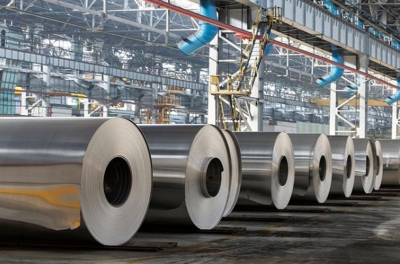
Tata Steel has become the first Indian company to develop pipes specifically designed for transporting hydrogen, marking a major milestone in the country's transition to clean energy. The company’s hydrogen-compliant API X65 pipes were processed at its Khopoli plant using steel produced at its Kalinganagar facility, meeting all critical requirements for safe and efficient hydrogen transportation. By managing the entire production chain—from designing and manufacturing hot-rolled steel to fabricating the pipes—Tata Steel has reinforced its expertise in building essential energy infrastructure. This achievement builds on its 2024 milestone when it became the first Indian steel manufacturer to produce hot-rolled steel for gaseous hydrogen transportation. The hydrogen qualification tests for these newly developed pipes were conducted at RINA-CSM S.p.A in Italy, a globally recognised agency for hydrogen-related testing and certification. The pipes have successfully undergone tests for transporting 100 percent pure gaseous hydrogen at high pressures of up to 100 bar, positioning Tata Steel as a key player in supporting the evolving hydrogen economy. Prabhat Kumar, Vice-President - Marketing & Sales (Flat Products) at Tata Steel, underscored the company’s commitment to innovation in steel manufacturing. "Tata Steel has always been at the forefront of developing advanced steel grades. The successful testing of these ERW pipes highlights our ability to support the energy sector. We are proud to contribute to India’s National Hydrogen Mission, which is a key part of the country’s clean energy transition," he said. He further added that Tata Steel is well-positioned to meet both domestic and global demand for specialised steel pipes used in hydrogen transportation. India’s National Hydrogen Mission aims to produce at least 5 million metric tonnes (MMT) of Green Hydrogen annually by 2030, with the potential to reach 10 MMT per annum to meet export demands. Achieving this ambitious target requires substantial investment in hydrogen generation and transportation infrastructure, including the development of hydrogen-compatible steel pipelines. With the demand for hydrogen-compliant steel expected to rise from 2026-27, industry projections indicate a total requirement of 350,000 tonnes of specialised steel over the next five to seven years. While multiple methods exist for transporting hydrogen, steel pipelines remain one of the most cost-effective solutions for large-scale distribution, ensuring efficiency and safety in India's evolving clean energy landscape.
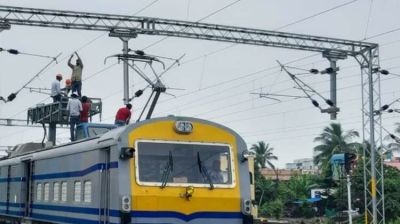
The South East Central Railway (SECR) has reached a significant milestone in its electrification drive, marking a major step toward energy-efficient and environmentally sustainable railway operations. As part of its commitment to modernising infrastructure and reducing carbon emissions, SECR has successfully completed the electrification of 6,900.93 track kilometers (TKM) to date. Established on April 1, 2003, SECR has consistently prioritised sustainable rail operations, accelerating electrification efforts across its key divisions—Bilaspur, Raipur, and Nagpur. The electrification journey in the zone dates back to January 19, 1970, when work commenced on the Jharsuguda-Raigarh section. Notably, SECR became the first zone in Indian Railways to implement the advanced 2x25 kV AT-AEC-BEC overhead traction system, which was commissioned on December 14, 2024, in the Bhanupratappur–Antagarh section. The commissioning of the first 3-phase electric locomotive twin EF-12K in Bhilai on November 26, 2023, further underscored the railway’s commitment to adopting cutting-edge technology. Electrification has significantly reduced SECR's reliance on fossil fuels, with electrical energy consumption in 2023-24 reaching 1,859.19 million units. This shift has enhanced operational efficiency while lowering carbon footprints. Additionally, the newly electrified corridors have boosted freight movement, particularly for coal, iron, and other key commodities, strengthening industrial supply chains and contributing to economic growth. SECR is also focusing on integrating renewable energy sources as part of its long-term sustainability strategy. In a momentous initiative celebrating 100 years of electric rail travel in India, a special 3-phase electric locomotive service will operate on February 3, 2025, along the Bhanupratappur-Antagarh section in Chhattisgarh. SECR’s electrification efforts align with Indian Railways' broader mission to achieve ‘zero carbon emissions,’ paving the way for an environmentally responsible and energy-efficient rail network. Source: TOI
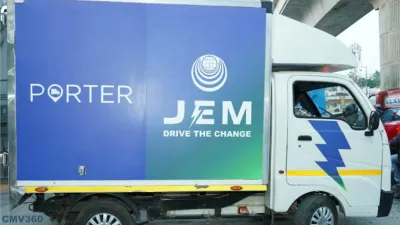
Jupiter Electric Mobility has announced a strategic partnership with Porter to accelerate the transition to electric vehicles (EVs) in the logistics sector. This collaboration centres on Jupiter’s Udaan programme, which supports small entrepreneurs and drivers in adopting electric commercial vehicles. Through the initiative, participants will gain access to professional training, EV resources, and comprehensive business support via Jupiter’s dealership network. Under the partnership, drivers and small business owners purchasing Jupiter’s electric commercial vehicle, the Tez, will receive mentorship to scale their operations efficiently. Porter will play a vital role in onboarding these drivers, ensuring their integration into the burgeoning electric logistics ecosystem. Together, the companies aim to address economic barriers to EV adoption while fostering sustainability within the sector. Tanuj Khandelwal, Vice President at Porter, emphasised that the alliance aligns with their mission to empower logistics professionals and contribute to a greener future. Similarly, Jupiter Electric Mobility, a subsidiary of Jupiter Wagons Ltd, highlighted that the programme is designed to enhance drivers’ earnings and promote eco-conscious operations. Porter’s extensive network, comprising over 7.5 lakh drivers across 22 cities, will enable the widespread rollout of the Udaan programme. This partnership represents a pivotal step toward integrating EVs into India’s logistics framework, demonstrating that environmental sustainability and economic growth can coexist. As India increasingly turns to sustainable practices to combat carbon emissions, this collaboration exemplifies how cross-industry partnerships can accelerate green mobility solutions. Jupiter and Porter’s efforts could inspire a broader shift in the logistics industry, making eco-friendly operations the norm rather than the exception.
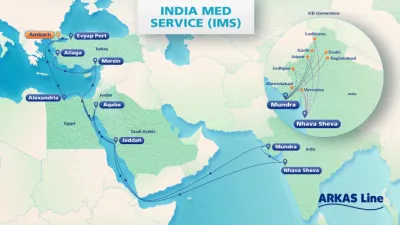
Arkas Line is expanding its international service network as part of its 2025 growth strategy. Building on its recent Red Sea expansion, the company is launching the "India Med Service (IMS)," its first direct route connecting India to the Mediterranean. From February 10, 2025, the IMS will send four vessels with a capacity of 2,500-2,800 TEU. By June 2025, the service will run weekly with five vessels. The route will cover major ports, such as Ambarli, Nhava Sheva, Mundra, and Alexandria. Customers will also benefit from rail connectivity at India's Mundra and Nhava Sheva ports to transport cargo to inland trade centers. Furthermore, Arkas Line is restructuring its Mediterranean operations by integrating its current GPS, EMS, and SEM routes into a streamlined "Blue Med Service (BMS)." This integrated service will improve efficiency in its Mediterranean network while increasing the company's coverage to 72 ports in 27 countries through 33 service routes. About its commitment to further global growth, Arkas Line CEO Can Atalay said, "With the launch of IMS and the strengthened BMS, we are firmly committed to offering efficient solutions that cater to evolving customer needs and consolidate our presence in key markets.

In an initiative to support the Micro, Small, and Medium Enterprise (MSME) sector, sKart Express, a leading technology-driven logistics service provider, has announced the launch of the SKart Express digital sales portal designed to simplify and streamline access to a wide range of services tailored for MSMEs. sKart Express has strategically designed offerings to provide customised solutions tailored to the unique needs of MSMEs. It utilises a combination of owned, leased, and franchised assets. It offers a comprehensive suite of services, including commercial, express, cross-border, and reverse logistics, across the B2B, B2C, and social commerce sectors. Key Features of the SKart Express portal: Comprehensive Services: The sKart platform integrates a diverse array of service providers, delivering many delivery options through an advanced synergy of technology, data analytics, cultural insight, and operational excellence. This integration ensures that sKart offers exceptional, reliable service that gives customers trust and satisfaction. User-friendly interface: the sKart Global Express Digital Sales Portal is designed to make navigation a breeze for MSMEs, ensuring a seamless onboarding and usage experience. This feature aims to make MSMEs feel at ease and comfortable while using the platform. sKart tailored packages are designed to meet MSMEs' diverse needs and budgets, providing cost-effective solutions that instill financial confidence. This emphasis on cost-effectiveness is intended to make MSMEs feel financially secure when using sKart services. Accessibility: Cloud-based software allows businesses and individuals to access it anytime and anywhere, promoting operational efficiency 365 days a year and 24/7. This stress on cloud-based accessibility is meant to make MSMEs feel empowered and in control of their operations. Yashpal Sharma, MD of Skyways Group, said: "MSMEs are the backbone of our economy, yet they often face challenges in accessing essential services and resources. sKart Global Express is our solution to bridge this gap, providing an integrated platform where businesses can find everything they need to succeed. This launch marks a step forward in our mission to empower MSMEs through innovation and technology." The platform is live and open to MSMEs across the country. Businesses can visit https://booking.skart-express.com/register to sign up and start leveraging the power of sKart Global Express today.
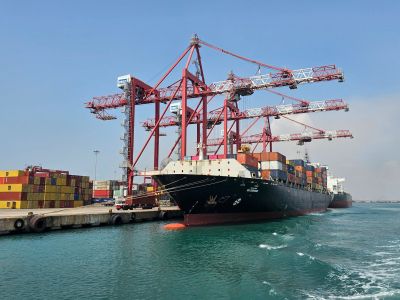
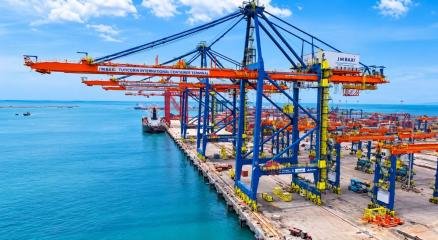
Tamil Nadu’s V O Chidambaranar Port, a leading maritime gateway, is steering towards a green future with investments worth ₹41,860 crore to position itself as India’s Green Hydrogen-Ammonia Hub. The ambitious initiative was unveiled as the Port also announced significant strides in cargo handling, underlining its strategic importance to South India’s logistics landscape. Having handled 29.70 million tonnes of cargo and 5.62 lakh TEUs (Twenty-foot Equivalent Units) of containers up to December 19, 2024, the Port has recorded an overall growth of 1.87% in cargo and 6.74% in container handling. Port Chairperson Susanta Kumar Purohit emphasised the strategic advantages of V O Chidambaranar, highlighting its position near the East-West International sea route, efficient turnaround times for container ships, and seamless connectivity via road and rail. He stated, "VOC Port is poised to emerge as the gateway port of South India, driving regional and national growth through forward-looking investments and capacity-building initiatives." As part of its green energy mission, the Port has allocated 501 acres of land to four companies for developing Green Hydrogen-Ammonia manufacturing and storage facilities. The pilot project demonstrating green hydrogen production, storage, and power generation using fuel cells is on track for completion by January 2025. Additionally, a pilot bunkering project will showcase capabilities for green hydrogen refuelling and bunkering operations. In line with its capacity augmentation plans, VOC Port is widening its entrance channel from 152.40 metres to 230 metres to accommodate larger vessels. It has also announced the construction of a 440-metre-long Berth 10 at a cost of ₹80 crore for bulk cargo ships and new infrastructure to handle smaller vessels by mid-2025. The transformative vision of V O Chidambaranar Port underscores its pivotal role in advancing India’s green energy transition and cementing its place as a logistics powerhouse in the region.
In a significant stride toward sustainable development in India's logistics and warehousing sector, the International Finance Corporation (IFC) has invested $75 million (INR 6,300 million) in NDR InvIT’s Sustainability-Linked Bond (SLB). Sponsored by NDR Warehousing Private Limited, this marks the first SLB issuance by a warehousing Infrastructure Investment Trust (InvIT) in India and sets a national precedent for sustainable investments. The funding will support NDR InvIT’s expansion, focusing on modernising infrastructure and achieving sustainable milestones, such as IFC’s EDGE Certification, aimed at reducing greenhouse gas emissions and water consumption. The initiative aligns with India's growing warehousing demand, driven by the rise of e-commerce and manufacturing, with warehouse space projected to grow from 300 million square feet in FY23 to 500 million square feet by 2030. Amrutesh Reddy, Director of NDR InvIT Managers, emphasised the pioneering nature of the initiative, stating, “This partnership with IFC underscores our commitment to innovation, sustainability, and economic growth in India’s logistics sector. By adopting global standards and resource-efficient operations, we aim to meet growing warehousing demand and contribute to India’s climate goals.” IFC’s Regional Director for South Asia, Imad Fakhoury, added, “This initiative will enhance market competitiveness, attract global capital, and bolster India’s logistics infrastructure while addressing climate objectives. Through green solutions, we are shaping a resilient and sustainable future for India’s supply chain.” In addition to financial investment, IFC will offer technical support for achieving environmental and social governance targets, such as gender-inclusive practices through the India Gender Collaborative. This investment positions India’s warehousing sector as a global leader in sustainable logistics.
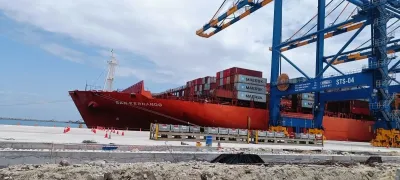
The Vizhinjam International Port was formally inaugurated after a successful five-month trial period with great fanfare and celebration last week for full-fledged commercial operation. This port's first phase has been completed due to effective team effort among Vizhinjam International Seaport Ltd, Adani Vizhinjam Port Private Ltd, and agencies like IIT Madras. All agreed procedures have been finalised and the work may begin operations. "Wednesday, an independent engineer is going to issue a provisional completion certificate for the first phase of construction after examining it," said the Minister. The remaining minor work could be done in three months without hindering the continued operations. The formal commissioning was carried out as per the supplementary concession agreement signed recently between the state government and Adani Ports. In its trial run, the port performed remarkably well by successfully handling 70 cargo ships, including ultra-large mother ships, and handling a total of 147,000 containers. By averaging one vessel every alternate day, the port confirmed its readiness to emerge as a major player in the handling of export-import (exim) containers. Vasavan underscored that "the port's operations will transform Kerala's international trade and drive substantive economic growth for the state."

US-based private equity giant Blackstone Group has acquired 5 million sq ft of operational and leased warehousing assets from LOGOS India for over ₹1,725 crore, reinforcing its dominance in India’s logistics and supply chain sector. The assets, located in Chennai and Luhari, Haryana, boast an impressive occupancy rate exceeding 95% and yield approximately ₹125 crore in annual rent, according to sources cited by The Economic Times. This strategic acquisition highlights Blackstone’s commitment to expanding its footprint in India’s logistics market, which has seen robust growth driven by demand for Grade-A assets managed by institutional players. The Chennai assets are in prominent industrial corridors such as Irungattukottai-Poonamallee-Sriperumbudur (IPS) and Oragadam-Maraimalai Nagar (OMM). Following this deal, Blackstone is now the largest owner of logistics assets in India, with a portfolio spanning 55 million sq ft in under four years. These assets provide secured rental cash flows and cater to a diverse tenant base across sectors including third-party logistics, automotive, renewable electronics, and ecommerce. Key tenants include industry leaders such as Mahindra Logistics, Delhivery, HealthKart, Kuehne + Nagel, and Iron Mountain. LOGOS India, a prominent player in the Indian logistics sector, has monetized nearly 5 million sq ft of its 5.5 million sq ft operational portfolio. The company is simultaneously developing an additional 5 million sq ft of warehousing assets across key cities, reflecting the sector’s ongoing evolution. This transaction underscores the surging investor interest in India's logistics and warehousing market, supported by growing ecommerce penetration and supply chain modernization. Source: The Economic Times
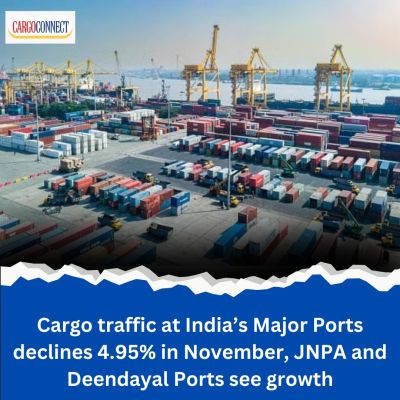
Cargo traffic at India's major ports declined by 4.95% during the month of November to total 67.53 million tonnes. The figure is less than what was recorded for the same month last year when the traffic had stood at 71.05 million tonnes, as per the data released by the Indian Ports Association (IPA). Among the 12 major ports controlled by the central government, two were exceptions- Jawaharlal Nehru Port Authority (JNPA) and Deendayal Port. Both the ports registered growth figures. JNPA, which is the country's largest container port, witnessed a huge growth of 12.34% in cargo traffic. Deendayal Port also managed to clock a good year-on-year growth of 10.10%. Still, however, during this period, a majority of other ports faced heavy declines. Mormugao port, for example, declined drastically in this period and had an aggregate decline measured at 29.64%. New Mangalore port was seen to have followed with a decline but considered relatively minor in terms of cargo volume handled with its decline estimated at 19%. Moreover, other main ports in the regions, including Chennai, Visakhapatnam, and Mumbai, experienced traffic declines that were experienced during November when measured against the same month in previous years. India's major ports, which include a number of key locations such as Deendayal, formerly Kandla, along with Mumbai, JNPA, Mormugao, New Mangalore, Cochin, Chennai, Kamarajar, also known as Ennore, VO Chidambarnar, Visakhapatnam, Paradip, and Kolkata, which includes Haldia, are critical in handling much of the country's maritime trade activities. The overall decline that has been seen in cargo traffic is indicative of wider economic trends and reflects a number of challenges that are currently faced within the logistics sector.
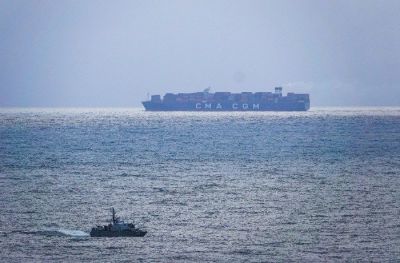
CMA CGM have moved to the front rank of major carriers in reverting to the traditional - and considerably shorter - Suez Canal route that most vessels deserted at the end of 2023 due to the Red Sea crisis. The Marseille-based carrier's Indamex service between West India and North America – arguably the most sought-after network by exporters on the trade lane – is set to resume operating on its full port rotation via the Suez, which will include calls to Jeddah, Saudi Arabia, and Damietta, Egypt, in both directions, as well as Tanger Med, Morocco, on the westbound leg. The Indamex service schedules, CMA CGM will reroute its Indian Subcontinent-US east coast Indamex service via Suez from mid-November. The liner analyst said it expected the revised Suez routing to begin with the 9,700 TEU CMA CGM Pellas, scheduled to depart Pakistan's Port Qasim on 13 November. However, the latest AIS reading of the vessel confirms that it is still en route to Port Qasim and seems likely only to arrive on the day it is due to leave. Whatever, diversion of the service via the Red Sea and through the Suez Canal will reduce the round-trip voyage time of the service by seven days – from 12 to 11 weeks – and also reduce the requirement of one vessel less on the loop, again from 12 to 11. According to Alphaliner, for instance, both the Indamex and BEX2 services only run with CMA CGM tonnage. However the eeSea liner database reports that Cosco, OOCL and Evergreen are minor vessel providers on these services. While the Indamex service does not call the Lebanon port directly it is likely to emerge as a transhipment point for Lebanese cargo via Damietta in Egypt.
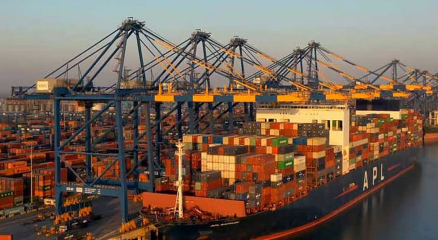
India’s two largest container gateways, Mundra and Nhava Sheva, are facing mounting congestion as rising cargo volumes, truck driver shortages and rerouted shipments from the Middle East strain operations across the country’s logistics network. Shipping lines and logistics operators are reporting worsening turnaround times at both ports, with vessel delays averaging nearly two and a half days and some unscheduled ships waiting up to five days for berthing. The disruptions are slowing cargo movement, tightening yard space and forcing carriers to make last-minute operational changes. According to industry reports, a shortage of truck drivers has become a major bottleneck for container transfers between terminals and inland transport hubs. The issue has reduced the pace of cargo evacuation from ports, adding pressure on already crowded container yards. Terminal operators have intermittently restricted gate access to control container inflow, while export gate schedules continue to shift frequently. These changes are complicating truck planning and increasing uncertainty for exporters and freight forwarders. The congestion is being intensified by cargo diversions linked to disruptions in the Middle East, particularly around Gulf trade routes. Shipping lines have increasingly redirected transshipment cargo to Indian ports as alternatives to facilities in the Persian Gulf, sharply increasing container volumes in recent weeks. The pressure has begun affecting carrier schedules. Some shipping companies are rerouting vessels between terminals at short notice to avoid yard congestion. Danish shipping giant Maersk recently shifted several sailings from its regular terminal at Nhava Sheva to PSA Mumbai after facing space constraints and a growing container backlog. Industry stakeholders say these sudden terminal changes are creating operational and financial challenges for shippers, including higher handling costs and difficulties coordinating customs clearance and inland transportation. The latest disruption comes at a time when India has been positioning itself as a major global manufacturing and logistics hub. Over the past decade, the country has expanded port capacity, improved freight corridors and modernised customs processes to strengthen supply chain efficiency. However, the current congestion highlights the vulnerability of port infrastructure during periods of sudden trade realignment and geopolitical disruption. Logistics experts warn that prolonged delays could increase freight costs, extend delivery timelines and place additional pressure on exporters already dealing with volatile global shipping conditions. Follow CARGOCONNECT for more such updates.
The diversification process by Apple continues to progress as India becomes one of the centers for manufacturing operations. Based on an analysis by Smart Analytics Global (SAG), the percentage share of Indian manufacturing of iPhones has increased from 14% in 2024 to 23% in 2025 and further to 28% by 2026, whereas China’s share has decreased from 83% to 74% within the same timeframe. As Apple continues to lower its reliance on China, India is all set to emerge as the major assembly hub for 28 percent of all iPhones exported around the world by 2026, compared to just 23 percent in the prior year. This change is due to the company's overall strategy of spreading its manufacturing operations in order to mitigate potential tariff risks and geopolitical risks, in addition to creating a more flexible manufacturing network beyond China. Based on the estimates of Smart Analytics Global (SAG), China's share in global iPhone production dropped from 83% in 2024 to 74% in 2025, while India's share increased from 14% in 2024 to 23% in 2025. Estimates provided by another market research firm, Counterpoint Research, indicate that India's share in global iPhone manufacturing could increase to approximately 26% in 2026 from 23% in 2025. As per SAG, “India will account for the manufacture of 28 percent of iPhones shipped globally in 2026, rising from 23 percent in 2025. This growth will be fueled by the ongoing diversification of Apple outside China and capacity build-up at existing manufacturers in India like Tata Electronics,” said Abhilash Kumar, an analyst at Smart Analytics Global. According to Tarun Pathak, research director at Counterpoint Research, “Apple's manufacturing partners have substantially increased their manufacturing capacities and assembly lines in India. They have also diversified their product portfolio made in India.” He further stated that the increase in manufacturing capacity of Tata Electronics is another factor aiding the growth. Apple has managed to localize production substantially in India through manufacturers like Foxconn and Tata Electronics. The recent takeover of Wistron and Pegatron in India by the Tata Group represents a huge step forward in Apple’s localization efforts in India. At present, India is assembling a larger number of iPhones, even the latest versions, and has become an important source of exports, targeting countries like the US and European nations. Over the past five years, Apple has manufactured iPhones worth almost $70 billion in India using its PLI scheme, where around $51 billion, or almost 73% of all iPhones manufactured, were exported from India. Moreover, iPhones have become the most exported goods from India during the previous financial year. India has become the biggest beneficiary of Apple’s changing supply chain. From initially assembling iPhones on a smaller scale, it has grown to become a manufacturing cluster for iPhones through government incentives, increased manufacturing capabilities, and the growing presence of suppliers. Several of the most important suppliers and manufacturers for Apple are still highly entrenched within China, allowing the country to enjoy an unrivaled capacity and adaptability when it comes to managing mass-scale productions and product shifts. For more such news and updates, visit CARGOCONNECT.
Shadowfax is significantly expanding its quick commerce infrastructure, announcing plans to scale its dark store network from 15 facilities to 100 by FY27. The move underscores the company’s growing focus on hyperlocal deliveries, same-day fulfilment, and direct-to-consumer (D2C) logistics as competition intensifies in India’s fast-evolving quick commerce ecosystem. The Bengaluru-based company plans to add 85 new dark stores over the next fiscal year, targeting metro cities with delivery radiuses of approximately seven kilometres and fulfilment timelines of around 30 minutes. The expansion is expected to support rising demand from vertical quick commerce platforms and D2C brands that increasingly rely on third-party logistics (3PL) partners for rapid deliveries. According to company executives, vertical marketplaces are emerging as a profitable segment because of their dependence on outsourced logistics infrastructure rather than captive fulfilment networks. Shadowfax believes this trend creates a strong opportunity for scalable 3PL-led quick commerce models. The dark store expansion will account for nearly 10% of Shadowfax’s planned capital expenditure of ₹180–190 crore in FY27. The company is simultaneously strengthening its automation and artificial intelligence capabilities to improve operational efficiency. AI-led demand forecasting, automated slotting, and smarter sorting centre operations are expected to reduce overhead costs while accelerating breakeven timelines for new facilities. Shadowfax’s aggressive expansion comes on the back of strong financial performance. The company reported a consolidated net profit of ₹55.8 crore in Q4 FY26, compared to a net loss of ₹9.9 crore during the same period last year. Revenue from operations surged 73.6% year-on-year to ₹1,237 crore, reflecting growing order volumes and increased adoption of quick commerce delivery services. Founded in 2015, Shadowfax has evolved into one of India’s largest logistics and last-mile delivery networks, serving over 2,500 cities and more than 15,000 pincodes. The company currently handles millions of shipments daily through a technology-driven delivery ecosystem that supports e-commerce, grocery, hyperlocal, and D2C brands. Industry analysts believe the dark store expansion reflects a broader shift within India’s logistics sector, where speed, proximity-based fulfilment, and automated operations are becoming central to supply chain competitiveness. As quick commerce adoption accelerates beyond groceries into categories such as fashion, electronics, and personal care, logistics providers like Shadowfax are positioning themselves as critical enablers of ultra-fast retail fulfilment. 𝐒𝐭𝐚𝐲 𝐓𝐮𝐧𝐞𝐝 𝐭𝐨 https://cargoconnect.co.in/ 𝐟𝐨𝐫 𝐥𝐚𝐭𝐞𝐬𝐭 𝐮𝐩𝐝𝐚𝐭𝐞𝐬!
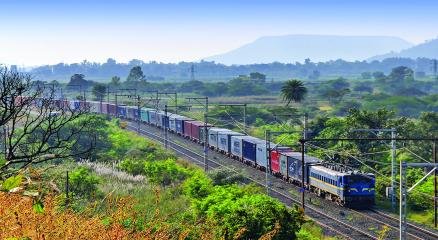
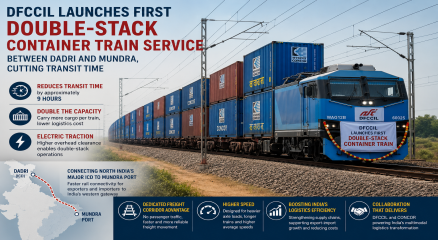
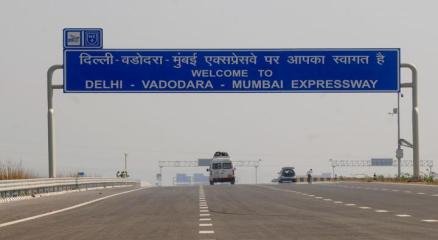
India’s Dedicated Freight Corridors (DFCs) are rapidly reshaping the country’s logistics landscape, with the Western Dedicated Freight Corridor (WDFC) between Dadri and Jawaharlal Nehru Port Authority (JNPA) emerging as a game-changing infrastructure project for supply chains and multimodal freight movement. Designed exclusively for cargo operations, the corridor is significantly reducing transit times, improving reliability, and easing congestion on conventional rail routes. Stretching nearly 1,500 km from Dadri in Uttar Pradesh to JNPA near Mumbai, the corridor forms the backbone of India’s western logistics artery, connecting manufacturing centres, inland container depots, industrial clusters, and ports. With dedicated tracks for freight trains, the network allows uninterrupted cargo movement at higher average speeds, eliminating delays caused by mixed passenger and freight operations. One of the biggest outcomes has been a sharp reduction in transit time. Freight movement between Dadri and JNPA that traditionally took close to 72 hours on congested rail routes is now being completed in nearly half the time, improving turnaround efficiency for exporters, importers, and logistics operators. Industry stakeholders believe the reduction in transit duration will strengthen India’s competitiveness in global trade and support the government’s target of lowering logistics costs as a percentage of GDP. The DFC network has also enabled the operation of longer and heavier freight trains, including double-stack container services on electrified routes. This has increased carrying capacity while lowering per-unit transportation costs. According to sector estimates, rail freight on dedicated corridors is considerably more energy-efficient and environmentally sustainable than road transport, aligning with India’s broader decarbonisation goals. Beyond operational efficiency, the corridors are catalysing the growth of integrated logistics ecosystems. Regions such as Dadri, Greater Noida, and Jewar are witnessing accelerated development of multimodal logistics parks, warehousing zones, and industrial hubs due to their strategic connectivity with both the Eastern and Western DFCs. The emerging “rail-road-air” logistics triangle around the National Capital Region is expected to attract substantial investments in manufacturing and distribution infrastructure. The Dedicated Freight Corridor Corporation of India (DFCCIL) has reported rising freight train volumes on the operational stretches, indicating growing industry adoption. The completion of key links on the western corridor is expected to further enhance throughput and reduce dependency on road transport for long-haul cargo. Analysts say the dedicated rail network could become central to India’s ambition of creating faster, greener, and more resilient supply chains. As India continues investing in additional freight corridors across the country, the success of the Dadri-JNPA route demonstrates how infrastructure modernisation can directly influence trade efficiency, logistics performance, and industrial growth. 𝐒𝐭𝐚𝐲 𝐓𝐮𝐧𝐞𝐝 𝐭𝐨 https://cargoconnect.co.in/ 𝐟𝐨𝐫 𝐥𝐚𝐭𝐞𝐬𝐭 𝐮𝐩𝐝𝐚𝐭𝐞𝐬
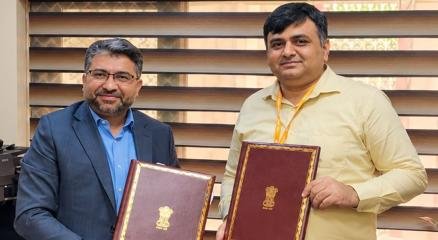
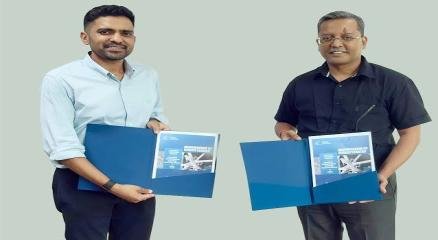
In a strategic warehousing move, the South Eastern Coalfields Limited (SECL), the second largest coal-producing subsidiary of Coal India Limited, has signed a Memorandum of Understanding (MoU) with Central Warehousing Corporation (CWC) for collaboration in coal logistics, railway rake provisioning under GPWIS and similar schemes, and integrated transportation services. Guided by the Union Ministry of Coal, SECL is rapidly working to improve India’s energy security and coal logistics infrastructure. The company is taking steps to boost coal evacuation efficiency and ensure a steady fuel supply to essential sectors. This partnership with CWC is a significant move in that direction. The goal of the partnership with CWC is to strengthen SECL’s coal evacuation capabilities by providing reliable and efficient rail logistics solutions to meet the rising demand from the power, steel, cement, and other sectors. The MoU outlines collaboration in various areas, including dedicated railway rake operations, integrated coal transportation solutions, multimodal logistics, first-mile and last-mile connectivity, and the deployment of digital systems for logistics monitoring and operational efficiency. Under the agreed framework, both organizations will explore provisioning and operation of GPWIS and equivalent racks, integrated rail logistics services, and long-term transportation solutions aimed at improving dispatch efficiency and reducing logistical obstacles. The MoU was signed in the presence of Harish Duhan, Chairman-cum-Managing Director of SECL, and Santosh Sinha, Managing Director of CWC. Functional Directors and senior officials from SECL, as well as representatives from CWC, attended the signing ceremony. SECL plays a vital role in meeting the country's growing coal demand. In the current financial year 2026-27, Coal India Limited has already surpassed the 100 million tonne production mark, with SECL contributing more than 26.8 million tonnes. Central Warehousing Corporation (CWC), a Navaratna Central Public Sector Enterprise under the Government of India, is a leader in integrated logistics and warehousing services. It has extensive experience in rail-linked cargo movement and multimodal transportation solutions. For more such news and updates, visit CARGOCONNECT.