
Loading...
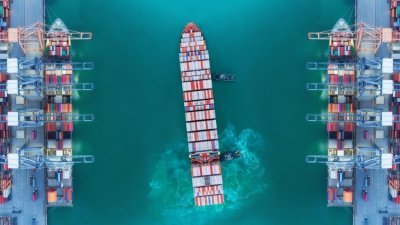
Hapag-Lloyd and Singapore-based Ocean Network Express (ONE) have completed integration onto the TradeLens platform—a neutral, third-party platform launched by IBM and AP Moller - Maersk to help modernise the world's supply chain ecosystems—run on IBM Cloud and IBM Blockchain.
It’s been almost two years since the two carriers first announced plans to participate in the network, a joint initiative from IBM and Maersk. With their motives finally coming to fruition, it will help ensure a more timely and consistent view of logistics data for their containerised freight around the world.
"TradeLens technology holds great potential to help enable the digitisation of supply chain processes and documentation handling," said Rolf Habben Jansen, CEO of Hapag-Lloyd. "Our customers will clearly benefit from increased transparency, accuracy, speed and efficiency in their supply chains - leading to reduced cost."
"We believe TradeLens can bring together all parties in the supply chain to the digital ecosystem where customers can get seamless, transparent and secure sharing of shipping milestones and trade documents. With its open standards and open governance, it can benefit our customers and the entire industry to drive for digitalisation and automation," said Jeremy Nixon, CEO of Ocean Network Express.
Following the completion of multiple pilot projects as well as the integration, Hapag-Lloyd and ONE, the world's fifth and sixth largest carriers respectively, are now working to help their clients and business partners across all major geographies benefit from TradeLens' ability to increase efficiency and improve access to information. They join foundation carriers AP Moller - Maersk, CMA CGM and MSC Mediterranean Shipping Company (MSC) which have already completed their pilots and integration, along side five other carriers inputting shipping data into the TradeLens platform.
Additionally, TradeLens continues to rapidly on-board new organisations from across the shipping industry, recently adding shippers and importers including Van den Ban Tires which use the platform to address back office inefficiencies and improve the visibility of cargo.
Recently, KLog.co also became the first freight forwarder in Latin America to join TradeLens to improve efficiency, decrease operational costs and advance KLog.co's goal of opening up international trade to all companies in the region, no matter the size of the business.
"A huge barrier to global trade has long been the inability for customers to securely share crucial information regarding the status of goods in an easily accessible and transparent way," said Mike White, CEO, GTD Solution Inc and Head of TradeLens. "By addressing this problem, the TradeLens ecosystem has grown rapidly, and the onboarding of Hapag-Lloyd and ONE along with their customers helps extend the value of TradeLens across the entire TradeLens ecosystem, enabling connectivity to two-thirds of global containerised freight for all customers and other permissioned parties through a single platform. All participants benefit from reduced manual processes, while also streamlining processes from automation and improved forecasting."
The TradeLens ecosystem now includes more than 300 organisations – encompassing ten ocean carriers and data from more than 600 ports and terminals. TradeLens has already processed 42 million container shipments, nearly 2.2 billion events and some 20 million documents. In total, five of the top six global shipping carriers are now integrated onto the platform contributing to the digitisation of documentation and automated workflows.
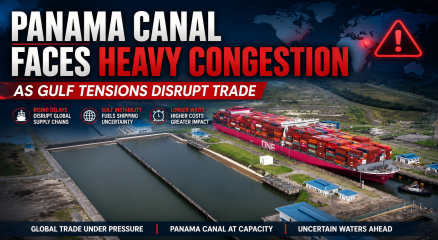
The Panama Canal is operating near full capacity as global shipping patterns shift in response to ongoing disruptions in the Strait of Hormuz, placing fresh pressure on one of the world’s most critical maritime trade routes. Traffic through the canal has risen sharply in recent weeks, driven largely by increased shipments of crude oil, liquefied natural gas (LNG) and refined fuels from the United States to Asian markets. According to shipping association BIMCO, average daily vessel transits through the canal have climbed 8% year-on-year to around 38 ships a day, close to the canal’s operational limit of 36 to 40 transits. The increase follows growing instability around the Strait of Hormuz, a key energy chokepoint that handles a significant share of global oil and gas exports. Reduced shipping activity in the Gulf region and security concerns along Middle East trade routes have forced buyers to seek alternative energy supplies, particularly from the US Gulf Coast. The rerouting of cargoes has significantly increased demand for Panama Canal transit slots, especially among tanker operators. Canal authorities and shipping analysts say waiting times for vessels have increased by nearly 50% compared with last year, with average delays reaching close to two days. Auction prices for last-minute transit slots have also surged as operators compete for limited passage capacity. Container vessels, LPG carriers, oil tankers and dry bulk ships continue to account for the majority of canal traffic. However, energy carriers have emerged as the primary source of growth this year as trade flows adjust to geopolitical disruptions in West Asia. Shipping executives say the congestion reflects a broader restructuring of global supply chains, with cargoes increasingly moving along longer and less conventional routes. Some crude shipments that would normally move through the Gulf are now being redirected through the Atlantic Basin and across Panama toward Asia. The renewed strain on the Panama Canal also raises concerns over future capacity management. The waterway only recently recovered from severe drought conditions that forced transit restrictions during 2023 and 2024. Industry observers warn that another period of low rainfall or El Niño-related weather disruptions could tighten capacity further if elevated shipping demand continues. Analysts say the latest developments underline the growing vulnerability of global trade to disruptions at major maritime chokepoints, where geopolitical tensions in one region can quickly reshape shipping flows and logistics costs worldwide. Follow CARGOCONNECT for more such updates
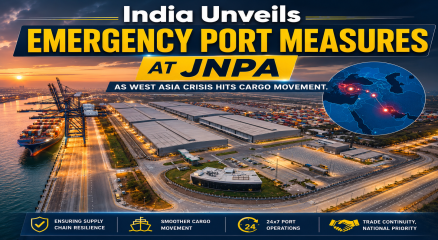

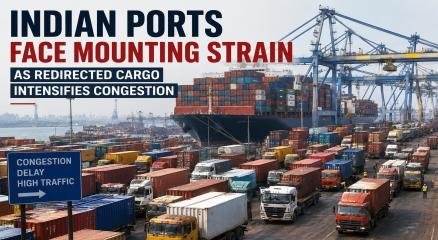
India’s two largest container gateways, Mundra and Nhava Sheva, are facing mounting congestion as rising cargo volumes, truck driver shortages and rerouted shipments from the Middle East strain operations across the country’s logistics network. Shipping lines and logistics operators are reporting worsening turnaround times at both ports, with vessel delays averaging nearly two and a half days and some unscheduled ships waiting up to five days for berthing. The disruptions are slowing cargo movement, tightening yard space and forcing carriers to make last-minute operational changes. According to industry reports, a shortage of truck drivers has become a major bottleneck for container transfers between terminals and inland transport hubs. The issue has reduced the pace of cargo evacuation from ports, adding pressure on already crowded container yards. Terminal operators have intermittently restricted gate access to control container inflow, while export gate schedules continue to shift frequently. These changes are complicating truck planning and increasing uncertainty for exporters and freight forwarders. The congestion is being intensified by cargo diversions linked to disruptions in the Middle East, particularly around Gulf trade routes. Shipping lines have increasingly redirected transshipment cargo to Indian ports as alternatives to facilities in the Persian Gulf, sharply increasing container volumes in recent weeks. The pressure has begun affecting carrier schedules. Some shipping companies are rerouting vessels between terminals at short notice to avoid yard congestion. Danish shipping giant Maersk recently shifted several sailings from its regular terminal at Nhava Sheva to PSA Mumbai after facing space constraints and a growing container backlog. Industry stakeholders say these sudden terminal changes are creating operational and financial challenges for shippers, including higher handling costs and difficulties coordinating customs clearance and inland transportation. The latest disruption comes at a time when India has been positioning itself as a major global manufacturing and logistics hub. Over the past decade, the country has expanded port capacity, improved freight corridors and modernised customs processes to strengthen supply chain efficiency. However, the current congestion highlights the vulnerability of port infrastructure during periods of sudden trade realignment and geopolitical disruption. Logistics experts warn that prolonged delays could increase freight costs, extend delivery timelines and place additional pressure on exporters already dealing with volatile global shipping conditions. Follow CARGOCONNECT for more such updates.

The Centre is intensifying efforts to develop the Brahmaputra River into a major inland logistics and transport corridor, with a renewed focus on cargo movement, multimodal connectivity and sustainable river infrastructure across the Northeast. Speaking at the High Powered Review Board meeting of the Brahmaputra Board in Guwahati, Union Minister for Ports, Shipping and Waterways Sarbananda Sonowal said the government is positioning the Brahmaputra as a key economic asset capable of supporting regional trade, connectivity and logistics growth. The government’s strategy centres on expanding inland water transport infrastructure along National Waterway-2 (NW-2), which connects Assam and the Northeast to Kolkata and Haldia ports through the Indo-Bangladesh Protocol Route. Officials view the corridor as a cost-effective and environmentally efficient alternative to road and rail transport for bulk and containerised cargo movement. According to the ministry, projects worth nearly ₹751 crore have already been completed in Assam, including terminals at Pandu, Dhubri and Jogighopa, along with floating jetties and upgraded shore facilities. Additional projects valued at more than ₹1,100 crore are currently under execution, covering fairway development, ship repair infrastructure, tourist jetties and a Regional Centre of Excellence in Dibrugarh. The Centre is also planning a future investment pipeline of around ₹4,800 crore for the Northeast waterways sector. Proposed developments include community jetties, cargo vessels, dredgers, cruise terminals and supporting customs and immigration infrastructure at strategic river ports. The projects are aimed at improving last-mile connectivity, reducing logistics costs and expanding cargo handling capacity in riverine regions. The Brahmaputra Board is simultaneously being restructured into a technology-driven river basin management institution, with greater use of GIS mapping, LiDAR surveys and digital monitoring systems for flood management, erosion control and navigability planning. Government officials said inland waterways are expected to play a larger role in India’s freight ecosystem as the country seeks greener logistics solutions and improved multimodal connectivity. Cargo movement on national waterways has reportedly increased from 18 million metric tonnes in 2014 to over 218 million metric tonnes in 2025-26. The Northeast has emerged as a priority region for inland waterway development under the Centre’s broader maritime and logistics expansion strategy. Recent initiatives in the region include new cargo and immigration facilities, river navigation infrastructure and plans for urban water transport systems in Assam.