
Loading...
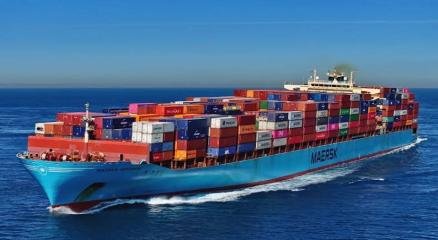
A.P. Moller-Maersk expects to restore all its shipping services through the Suez Canal by March 2027, according to the Suez Canal Authority (SCA). The outlook signals a potential step towards normalising global container shipping routes as the Danish shipping group continues to revise its vessel schedules and gradually increases its use of the strategic waterway. The timeline emerged during a video conference on 20 October between SCA Chairman and Managing Director Admiral Ossama Rabiee and senior Maersk executives, including Chief Operating Officer Rabab Boulos. The discussions focused on accelerating the return of the carrier’s services to the canal and strengthening cooperation between the two organisations. However, March 2027 remains an expected target rather than a confirmed deadline for individual services. According to the SCA, Maersk-affiliated vessels completed 276 transits through the Suez Canal between January and September 2026, compared with 146 during the corresponding period in 2025. The combined net tonnage increased to 23.3 million tonnes from seven million tonnes, indicating a significant rise in the group’s canal activity. Boulos acknowledged the progress made in restoring services through cooperation with the authority and expressed the expectation that all Maersk services would return by March 2027. She also identified the Suez Canal as the group’s preferred option, reflecting its strategic importance to international shipping networks. Maersk Vice President of Operations Ahmed Hassan said the company was continuing to update its sailing schedules to enable additional services to transit through the canal in the coming months. Hani El-Nady, the group’s representative for the Middle East and North Africa, added that Maersk was working to accelerate the return of its remaining services. The Suez Canal provides a direct maritime connection between the Red Sea and the Mediterranean, serving as a critical link for trade between Asia and Europe. Its use can reduce voyage distances and sailing times compared with routing vessels around the Cape of Good Hope at the southern tip of Africa. SCA Chairman Rabiee highlighted the canal’s economic advantages, particularly for large container ships, noting that geopolitical developments and their impact on fuel prices and freight rates have reinforced the importance of efficient shipping routes. A broader return by Maersk could help reduce voyage durations, improve vessel utilisation and release capacity currently tied up in longer voyages. These changes could also influence container shipping costs, although the eventual impact on freight rates will depend on market demand, available capacity and operating conditions. Despite the positive outlook, the pace of Maersk’s return will depend on conditions in the Red Sea region. The SCA has not announced confirmed return dates for every service, and Maersk continues to review its navigation plans. Both parties agreed to maintain discussions to strengthen cooperation and facilitate the restoration of services. The anticipated return by March 2027 will therefore be an important development to watch for global supply chains, particularly businesses relying on Asia-Europe trade routes. 𝐒𝐭𝐚𝐲 𝐓𝐮𝐧𝐞𝐝 𝐭𝐨 CARGOCONNECT 𝐟𝐨𝐫 𝐥𝐚𝐭𝐞𝐬𝐭 𝐮𝐩𝐝𝐚𝐭𝐞𝐬!
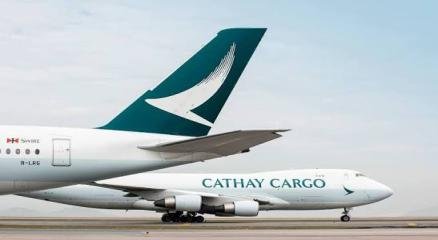
Cathay Cargo recorded a 14.2% year-on-year increase in cargo tonnage in September 2026, transporting 154,041 tonnes of freight as resilient demand from mainland China and Southeast Asia supported its performance. The Hong Kong-based carrier’s latest traffic figures indicate continued momentum in air freight ahead of the traditional year-end peak season. According to the Cathay Group’s September traffic report, available freight tonne kilometres (AFTKs), a measure of cargo capacity, increased by 5.3% year on year to approximately 1.344 billion. Revenue freight tonne kilometres (RFTKs), which measure freight carried over distance, rose by 8.6% to approximately 792 million. The cargo load factor improved by 1.8 percentage points to 58.9%, reflecting growth in freight traffic relative to available capacity. Cathay Cargo also operated 1,367 freighter flight sectors during the month, an increase of 4.8% compared with September 2025. For the January-September 2026 period, Cathay Cargo handled 1.324 million tonnes of freight, representing an 8.9% increase over the corresponding period last year. Available freight capacity grew by 3.3%, while revenue freight tonne kilometres increased by 4.7%. The cumulative cargo load factor reached 58.9%, up 0.8 percentage points year on year. The figures highlight sustained cargo demand, with tonnage growth outpacing the expansion in available freight capacity during both September and the first nine months of the year. Cathay’s Chief Customer and Commercial Officer, Lavinia Lau, said demand remained resilient across mainland China and Southeast Asia. The carrier’s specialist cargo solutions also contributed to performance, with Cathay Priority maintaining momentum through time-critical shipments from Southeast Asia. Meanwhile, continued semiconductor flows supported demand for Cathay Expert, its specialised cargo offering. Cathay expects cargo demand to strengthen further as the industry approaches the traditional year-end peak season. The outlook is supported by anticipated market demand during the final quarter, when seasonal shipping requirements can increase pressure on air freight capacity and network operations. The latest performance reinforces the importance of Hong Kong as an international air cargo hub, connecting manufacturing and export markets across Asia with global destinations. For freight forwarders and shippers, sustained demand for semiconductor and time-sensitive shipments will make reliable capacity, specialised handling and predictable transit times important considerations in the coming months. 𝐒𝐭𝐚𝐲 𝐓𝐮𝐧𝐞𝐝 𝐭𝐨 CARGOCONNECT 𝐟𝐨𝐫 𝐥𝐚𝐭𝐞𝐬𝐭 𝐮𝐩𝐝𝐚𝐭𝐞𝐬!
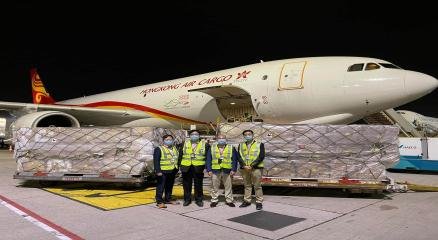
Hong Kong International Airport (HKIA) recorded a 6.3% year-on-year increase in cargo throughput in September 2026, handling approximately 433,000 tonnes of freight as a sharp rise in transshipments and stronger import volumes supported its recovery. The growth followed year-on-year declines in July and August, highlighting renewed momentum at one of the world’s major air cargo hubs. According to provisional traffic statistics released by Airport Authority Hong Kong (AAHK), transshipment volumes surged 26.9% year-on-year, while imports increased 9.2%. Southeast Asia and the Chinese mainland were the principal contributors to the expansion, offsetting weaker cargo flows on European trade lanes. Inbound freight recorded stronger growth than outbound shipments during the month. Unloaded cargo rose 14.6% year-on-year to approximately 126,000 tonnes, while loaded cargo increased 3.2% to around 306,000 tonnes. Cargo-related flight movements also climbed 3.9% to 6,515, compared with 6,270 in September 2025. The decline in European cargo volumes was attributed partly to the European Union’s removal of the customs duty exemption for low-value consignments in July 2026. The policy change has affected the movement of low-value e-commerce shipments into Europe, creating additional pressure on relevant trade flows. Despite fluctuations in monthly performance, HKIA maintained positive growth over the longer term. During January–September 2026, the airport handled approximately 3.78 million tonnes of cargo, marking a 3.1% increase compared with the corresponding period last year. For the financial year beginning in April, throughput reached 2.576 million tonnes, up 3% year-on-year. On a rolling 12-month basis, cargo volumes increased 3.3% to 5.18 million tonnes, while cargo flight movements rose 2.1% to 79,715. The September performance underscores the importance of intra-Asian trade and transshipment activity in sustaining Hong Kong’s air freight network. With stronger cargo flows from mainland China and Southeast Asia compensating for softness in Europe, HKIA’s latest figures reflect shifting trade patterns across the global air cargo market. 𝐒𝐭𝐚𝐲 𝐓𝐮𝐧𝐞𝐝 𝐭𝐨 CARGOCONNECT 𝐟𝐨𝐫 𝐥𝐚𝐭𝐞𝐬𝐭 𝐮𝐩𝐝𝐚𝐭𝐞𝐬!

Global container freight rates have surged 130% since February 2026, as renewed tensions in the Middle East disrupt shipping routes and increase uncertainty across international trade. The sharp rise in ocean freight costs comes even as India’s container-based export-import trade continues to record strong growth, according to a report by financial services firm Jefferies. According to the report, global container freight rates have climbed from approximately US$2,000–2,500 in February to around US$4,000–4,500 in October 2026. The increase reverses the downward trend witnessed through much of 2025 and early 2026, when an improved demand-supply balance helped ease shipping costs following elevated rates in 2024. The latest surge highlights the vulnerability of global supply chains to geopolitical developments and changes in maritime operations. Higher freight rates can put additional pressure on exporters, importers, freight forwarders and manufacturers by increasing transportation costs and complicating shipment planning. Jefferies identified the potential return of shipping lines to the Suez Canal as a key factor to monitor. Any change in vessel routing could influence transit times, available shipping capacity and freight pricing, depending on security conditions and operational decisions. Despite the rise in global freight rates, India’s containerisable export-import trade recorded a 23% year-on-year increase in value in September 2026. Exports grew 22%, while imports increased 23%, according to the report. Exports to the United States rose 48% year-on-year during the month. However, shipments to the United Arab Emirates and Saudi Arabia declined by 12–15%, reflecting differing trade trends across key markets. India’s port performance was also mixed. Cargo volumes at major ports increased 13% year-on-year in September, while non-major ports registered a 1% decline. Among non-major ports, Gujarat recorded 3% growth, while ports in Maharashtra and Tamil Nadu reported increases of 6–7%. Ports along the eastern coast experienced a sharper decline in volumes. With geopolitical uncertainty continuing to influence maritime operations, developments in West Asia and the possible return of shipping lines to the Suez Canal will remain important indicators for global freight markets. Changes in routing and shipping capacity could shape transportation costs in the coming months, making freight-rate volatility a critical consideration for businesses managing international supply chains. 𝐒𝐭𝐚𝐲 𝐓𝐮𝐧𝐞𝐝 𝐭𝐨 CARGOCONNECT 𝐟𝐨𝐫 𝐥𝐚𝐭𝐞𝐬𝐭 𝐮𝐩𝐝𝐚𝐭𝐞𝐬!
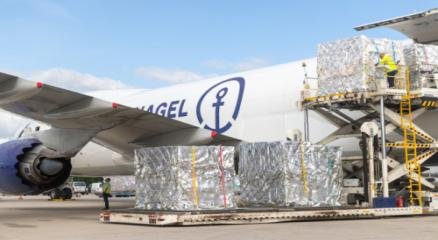
Kuehne+Nagel has expanded its global Cool Corridor network by introducing four new temperature-controlled trade routes, reinforcing its capabilities in transporting sensitive pharmaceutical and healthcare products across key international markets. The latest expansion is aimed at meeting the growing demand for reliable cold chain logistics while ensuring product integrity throughout transit. The newly added Cool Corridors connect Belgium with Singapore, Belgium with Chicago, Belgium with Lima, and Singapore with Sydney, significantly enhancing the company's healthcare logistics network. These dedicated lanes are designed to maintain strict temperature conditions, minimise handling risks, and improve shipment visibility for life sciences and healthcare customers. With the addition of these routes, Kuehne+Nagel continues to strengthen its specialised HealthChain portfolio, which supports the transport of pharmaceuticals, vaccines, biologics and other temperature-sensitive medical products. The Cool Corridor programme combines validated processes, certified infrastructure and advanced monitoring technologies to safeguard cargo quality from origin to destination. The logistics provider noted that the expansion reflects increasing demand from pharmaceutical manufacturers seeking resilient and compliant supply chain solutions amid the continued growth of global healthcare trade. By creating dedicated cold chain lanes, the company aims to reduce transit variability, enhance operational consistency and ensure regulatory compliance across international shipments. The initiative also leverages strategic partnerships with airlines, ground handling agents and logistics facilities that meet stringent healthcare quality standards. These collaborations enable seamless end-to-end temperature management while providing customers with greater transparency through digital shipment monitoring and proactive risk management. “Healthcare customers are looking for ways to maintain product quality while improving efficiency and sustainability across their supply chains. Cool Corridors provide greater control across the shipment journey, helping protect temperature-sensitive products. With more confidence in shipment conditions, customers can use lighter passive packaging, creating opportunities to reduce logistics costs and transport emissions without compromising product integrity,” says Dorothee Becher, VP Global Air Logistics Healthcare at Kuehne+Nagel. The network expansion underscores the company's broader strategy of investing in healthcare logistics infrastructure globally. In recent months, Kuehne+Nagel has also expanded its healthcare footprint through temperature-controlled facilities in major pharmaceutical hubs, further strengthening its ability to support evolving customer requirements. As pharmaceutical supply chains become increasingly global and complex, demand for specialised cold chain logistics continues to rise. By extending its Cool Corridor network, Kuehne+Nagel is positioning itself to offer enhanced reliability, regulatory compliance and end-to-end visibility for temperature-sensitive healthcare shipments, supporting the industry's need for secure and efficient logistics solutions. 𝐒𝐭𝐚𝐲 𝐓𝐮𝐧𝐞𝐝 𝐭𝐨 CARGOCONNECT 𝐟𝐨𝐫 𝐥𝐚𝐭𝐞𝐬𝐭 𝐮𝐩𝐝𝐚𝐭𝐞𝐬!

The International Maritime Organization (IMO) has strongly condemned the latest attacks on commercial vessels in the Red Sea, describing them as "indefensible" and warning that the renewed violence poses a serious threat to global trade, seafarer safety and already fragile supply chains. In a statement issued by IMO Secretary-General Arsenio Dominguez, the UN maritime agency expressed grave concern over the resurgence of attacks targeting international shipping in one of the world's busiest maritime corridors. The Red Sea serves as a vital gateway connecting Europe and Asia through the Suez Canal, carrying a significant share of global containerised cargo, energy shipments and manufactured goods. Dominguez stressed that the attacks not only endanger the lives of seafarers but also jeopardise the security of international shipping, threaten the marine environment and undermine the stability of global supply chains. He reiterated that freedom of navigation must be protected and called on all parties to uphold international law while avoiding actions that could further escalate regional tensions. The IMO also renewed its appeal for intensified diplomatic efforts to restore stability in the region. The organisation emphasised that seafarers, who play a critical role in facilitating global trade, should never become victims of geopolitical conflicts. According to the IMO, safeguarding maritime transport is essential to maintaining the uninterrupted movement of food, fuel, raw materials and consumer goods across international markets. The latest incidents have revived concerns across the shipping and logistics industry, which had already endured prolonged disruptions following earlier attacks in the Red Sea. Many shipping lines had previously diverted vessels around the Cape of Good Hope to minimise security risks, resulting in longer transit times, increased fuel consumption, vessel capacity constraints and higher freight costs. Those diversions also affected inventory planning and supply chain resilience for manufacturers and retailers worldwide. The IMO noted that confirmed attacks on merchant shipping in recent years have demonstrated the vulnerability of global maritime trade to regional conflicts. Industry stakeholders fear that renewed hostilities could once again trigger route diversions, increase insurance premiums and create fresh uncertainty for international logistics networks if security conditions continue to deteriorate. Reaffirming the organisation's commitment to maritime safety and security, Dominguez urged the international community to work collectively towards ensuring safe passage for commercial vessels and protecting the global maritime transport system that underpins international commerce. 𝐒𝐭𝐚𝐲 𝐓𝐮𝐧𝐞𝐝 𝐭𝐨 CARGOCONNECT 𝐟𝐨𝐫 𝐥𝐚𝐭𝐞𝐬𝐭 𝐮𝐩𝐝𝐚𝐭𝐞𝐬!

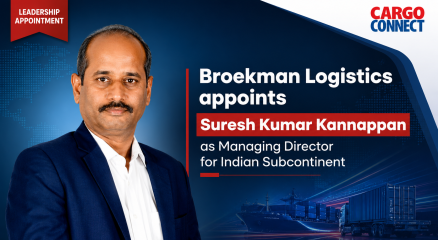
Broekman Logistics has appointed Suresh Kumar Kannappan as the Managing Director for the Indian Subcontinent, reinforcing its commitment to expanding its presence in one of the world's fastest-growing logistics markets. The strategic leadership appointment comes as the company aims to accelerate regional growth, strengthen customer relationships and enhance its service capabilities across India and neighbouring markets. Kannappan brings extensive experience spanning contract logistics, freight forwarding, commercial strategy, business development and integrated supply chain management. Over the course of his career, he has held senior leadership positions with leading global organisations, successfully driving business transformation, operational excellence and customer-centric growth initiatives. Before joining Broekman Logistics, Kannappan served as Vice President – New Product Development at SATS, Singapore, where he led product innovation and strategic collaborations across the aviation and logistics sectors. His experience in developing innovative logistics solutions and building strategic partnerships is expected to play a key role in supporting Broekman Logistics' long-term growth ambitions in the region. In his new role, Kannappan will work closely with the company's leadership team in India to strengthen Broekman Logistics' market position while delivering enhanced value to customers and business partners. His priorities will include expanding the company's regional footprint, driving sustainable business growth and further improving operational efficiency across its supply chain solutions portfolio. The appointment reflects Broekman Logistics' continued focus on the Indian subcontinent, a market witnessing rapid expansion in manufacturing, infrastructure development, cross-border trade and multimodal logistics. As businesses increasingly seek resilient, technology-enabled and integrated supply chain solutions, the company is positioning itself to capitalise on emerging opportunities through experienced leadership and customer-focused services. Welcoming Kannappan to the organisation, Broekman Logistics expressed confidence that his industry expertise and strategic vision would support the company's next phase of regional growth. The company also highlighted the strength of its local teams, noting that their combined capabilities would help deliver innovative logistics solutions while strengthening long-term customer partnerships. Headquartered in Rotterdam, the Netherlands, Broekman Logistics provides end-to-end logistics services, including freight forwarding, contract logistics, transportation, warehousing, distribution and breakbulk terminal operations. With operations across Europe and Asia, the company serves customers in sectors such as industrials, machinery and chemicals. 𝐒𝐭𝐚𝐲 𝐓𝐮𝐧𝐞𝐝 𝐭𝐨 CARGOCONNECT 𝐟𝐨𝐫 𝐥𝐚𝐭𝐞𝐬𝐭 𝐮𝐩𝐝𝐚𝐭𝐞𝐬!

Aramex has appointed Veena Bhogaonkar as its new Managing Director for India, reinforcing the company's long-term commitment to one of the world's fastest-growing logistics markets. The leadership appointment comes as Aramex accelerates its growth strategy in India, focusing on operational excellence, customer-centric services, and technology-led supply chain solutions. Bhogaonkar brings more than a decade of leadership experience spanning logistics, supply chain management and business transformation. Before joining Aramex, she held senior leadership positions at UPS and IBM, where she led initiatives in operational excellence, network optimisation and digital transformation. Her experience in driving business growth and managing complex supply chain operations is expected to play a key role in strengthening Aramex's presence across India. An MBA graduate from California State University, Los Angeles, Bhogaonkar is recognised for her strategic vision, customer-first approach and people-centric leadership. In her new role, she will oversee Aramex's India operations while spearheading business expansion, enhancing service capabilities and broadening the company's multi-product supply chain offerings to meet the evolving needs of customers across industries. Commenting on her appointment, Bhogaonkar said that India represents one of the most dynamic logistics markets globally, offering significant opportunities as customer expectations continue to evolve. She expressed confidence in working closely with Aramex's teams to strengthen operations, enhance customer experience and support the company's next phase of sustainable growth in the country. The appointment also reflects Aramex's continued focus on fostering leadership diversity and promoting women into senior executive roles. As India's logistics ecosystem undergoes rapid transformation through digitalisation, e-commerce growth and increasing demand for integrated supply chain solutions, experienced leadership will be critical in helping organisations adapt to changing market dynamics. Aramex has been steadily expanding its investments in India by strengthening its logistics network, technology capabilities and workforce. The company aims to help businesses navigate increasingly complex supply chains through faster, smarter and more efficient logistics solutions. Headquartered in the UAE, Aramex operates in more than 600 cities across over 70 countries with a workforce exceeding 16,000 employees, offering integrated express, freight forwarding, logistics and supply chain services worldwide. 𝐒𝐭𝐚𝐲 𝐓𝐮𝐧𝐞𝐝 𝐭𝐨 CARGOCONNECT 𝐟𝐨𝐫 𝐥𝐚𝐭𝐞𝐬𝐭 𝐮𝐩𝐝𝐚𝐭𝐞𝐬!

C.H. Robinson has announced the acquisition of DeSpir Logistics, a North America-based specialist in secure transportation and cargo escort services, marking a strategic move to strengthen its presence in the high-value and mission-critical freight segment. The deal, valued at approximately $75 million in cash is expected to enhance the company’s ability to serve customers requiring advanced security, compliance, and operational precision across complex supply chains. The acquisition comes at a time when cargo theft, supply chain disruptions, and increasing regulatory requirements are driving demand for specialized logistics solutions. DeSpir Logistics has built a strong reputation for transporting high-value, temperature-sensitive, and time-critical shipments across North America, serving industries such as healthcare, life sciences, aerospace, data centers, and premium retail. By integrating DeSpir’s expertise into its operations, C.H. Robinson aims to expand its portfolio of premium logistics services. The acquisition will provide access to a highly vetted carrier network focused on security-sensitive freight movements, supported by specialized driver certifications, stringent compliance protocols, and continuous monitoring systems. These capabilities are increasingly important for customers shipping pharmaceuticals, critical infrastructure equipment, and other high-risk cargo. A key advantage of the transaction is the addition of DeSpir’s advanced shipment monitoring technologies. The company’s platform offers enhanced visibility into freight movements, including real-time tracking of temperature conditions and cargo integrity. Combined with C.H. Robinson’s growing investment in AI-driven supply chain solutions, the acquisition is expected to deliver greater operational control, predictive insights, and risk mitigation for customers handling sensitive freight. Industry analysts view the deal as part of C.H. Robinson’s broader strategy to pursue targeted acquisitions that strengthen specialized service offerings while creating long-term value for customers and shareholders. DeSpir generated approximately $62 million in revenue during fiscal year 2025, and the acquisition is expected to be modestly accretive to C.H. Robinson’s earnings in 2026. The transaction has been financed through existing cash reserves and has already been completed. As supply chains become increasingly complex and security risks continue to evolve, the integration of DeSpir’s high-security logistics expertise positions C.H. Robinson to capitalize on growing demand for specialized transportation services. The move reinforces the company’s commitment to delivering secure, technology-enabled logistics solutions for some of the most critical freight movements in North America. 𝐒𝐭𝐚𝐲 𝐓𝐮𝐧𝐞𝐝 𝐭𝐨 CARGOCONNECT 𝐟𝐨𝐫 𝐥𝐚𝐭𝐞𝐬𝐭 𝐮𝐩𝐝𝐚𝐭𝐞𝐬!
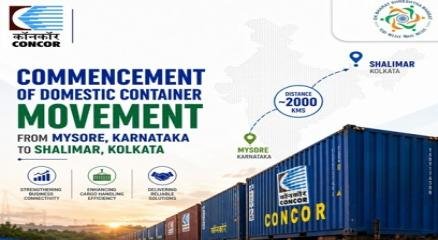
Container Corporation of India Ltd. (CONCOR) has marked a significant milestone in India’s logistics landscape with the launch of its first domestic container movement from Mysuru, Karnataka, to Kolkata, West Bengal. The initiative establishes a new rail-based freight corridor aimed at enhancing multimodal connectivity between southern and eastern India while offering businesses a more efficient and cost-effective transportation alternative. The inaugural movement was flagged off from CONCOR’s Multi Modal Logistics Park (MMLP) at Kadakola, Mysuru, during the first week of June. The maiden service comprised 80 domestic 20-foot containers destined for Shalimar in Kolkata, creating a direct logistics link between two important economic regions of the country. The launch underscores CONCOR’s continued focus on expanding its integrated logistics network and strengthening rail-led cargo transportation. By introducing this service, the company aims to provide manufacturers, traders, and exporters in and around Mysuru with improved access to markets in eastern India while reducing dependence on long-haul road transport. Industry stakeholders believe the new corridor will play a pivotal role in streamlining cargo movement for a wide range of commodities, including agricultural products, processed foods, engineering goods, and other manufactured items originating from Karnataka’s industrial and agricultural hinterland. The service is expected to offer greater reliability, lower transportation costs, and enhanced operational efficiency for shippers. The development also aligns with India’s broader objective of increasing the share of rail in freight transportation and promoting multimodal logistics solutions. Rail-based container movement not only supports cost optimization but also contributes to sustainability goals by reducing road congestion and lowering carbon emissions associated with long-distance cargo movement. For Mysuru, the service further strengthens the strategic importance of the Kadakola MMLP, which has emerged as a growing logistics hub in southern India. Improved connectivity to eastern markets is expected to create new opportunities for regional industries, facilitate smoother supply chain operations, and support economic growth across the region. The new service represents another step in CONCOR’s efforts to build an integrated nationwide logistics ecosystem. As supply chains become increasingly focused on efficiency, resilience, and sustainability, the Mysuru–Kolkata corridor is expected to provide businesses with a dependable freight solution while reinforcing India’s evolving multimodal logistics infrastructure. With the successful commencement of this service, CONCOR continues to expand its domestic container network, supporting seamless cargo movement and strengthening the country’s supply chain connectivity from production centers to consumption markets. 𝐒𝐭𝐚𝐲 𝐓𝐮𝐧𝐞𝐝 𝐭𝐨 CARGOCONNECT 𝐟𝐨𝐫 𝐥𝐚𝐭𝐞𝐬𝐭 𝐮𝐩𝐝𝐚𝐭𝐞𝐬!

Department of Posts (DoP) and Flipkart signed an agreement to strengthen last-mile parcel delivery services across the country, in a move aimed at boosting India’s fast-growing e-commerce logistics ecosystem. The partnership is expected to enhance logistics connectivity, improve delivery efficiency, and expand service network in remote and underserved regions. Signed in New Delhi, the agreement enables India Post to manage last-mile deliveries for Flipkart shipments nationwide by leveraging its extensive postal infrastructure. With a network of more than 1.6 lakh post offices, India Post remains one of the country’s most far-reaching logistics networks, especially in rural and semi-urban markets where private logistics penetration is often limited. The collaboration comes at a time when India’s e-commerce sector is witnessing rapid growth beyond metropolitan cities. As online shopping demand rises in Tier II, Tier III, and rural markets, efficient and reliable last-mile logistics has emerged as a critical competitive differentiator for e-commerce companies. Through this partnership, Flipkart aims to improve delivery speed, expand geographic reach, and strengthen customer experience across diverse regions. According to the official announcement, the services under the agreement will include delivery of prepaid and cash-on-delivery (COD) parcels, OTP-based delivery authentication, and real-time shipment tracking. The integration of technology platforms between the two organisations is expected to streamline parcel movement, improve transparency, and reduce operational delays. Industry observers view the agreement as a strategic move that aligns with the broader transformation of India Post from a traditional mail service provider into a modern logistics and parcel delivery player. The partnership is also expected to improve utilisation of India Post’s logistics infrastructure and strengthen its growing parcel business amid increasing competition in the e-commerce delivery ecosystem. For Flipkart, access to India Post’s unmatched delivery footprint could significantly enhance reach in geographically challenging locations, including remote villages and difficult terrain where conventional logistics operations often face constraints. This expanded access may also support faster order fulfilment and help improve customer retention in emerging consumption markets. The agreement further highlights a growing trend of collaboration between public infrastructure networks and private e-commerce companies to strengthen India’s supply chain ecosystem. Similar partnerships in recent years have demonstrated the increasing role of India Post in supporting digital commerce growth, particularly in regions where logistics accessibility remains a challenge. As India’s e-commerce market continues to scale, industry stakeholders believe such collaborations will play a crucial role in building a more inclusive, technology-enabled, and resilient logistics network capable of serving consumers across every corner of the country. 𝐒𝐭𝐚𝐲 𝐓𝐮𝐧𝐞𝐝 𝐭𝐨 https://cargoconnect.co.in/ 𝐟𝐨𝐫 𝐥𝐚𝐭𝐞𝐬𝐭 𝐮𝐩𝐝𝐚𝐭𝐞𝐬!
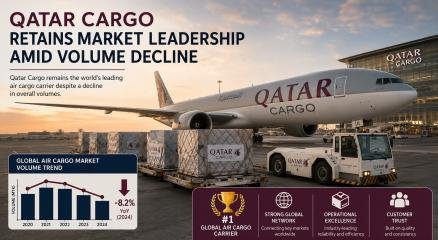
Qatar Airways Cargo has retained its position as the world’s leading air cargo carrier despite a decline in freight volumes and revenues during the latest financial year, underscoring the resilience of its global network and diversified cargo strategy. The carrier’s performance reflects the broader challenges facing the airfreight industry, including geopolitical disruptions, softening demand, and volatile operating conditions. According to the airline’s latest financial results, cargo revenues fell by 9.6% year-on-year to approximately $4.45 billion for the financial year ending March 2026. Freight volumes also declined as escalating tensions in the Middle East disrupted regional airspace and impacted trade flows during the closing months of the fiscal period. Despite the downturn, Qatar Airways Cargo maintained its leadership position in the global air cargo market, supported by its expansive international footprint and strong operational connectivity through Hamad International Airport in Doha. The airline transported around 1.43 million metric tonnes of freight during the year, accounting for an estimated 12% share of the global air cargo market. Industry analysts note that the carrier’s continued dominance is tied to long-term investments in fleet modernization, specialized cargo solutions, and digital transformation initiatives. Qatar Airways Cargo has steadily expanded its portfolio of premium logistics products targeting pharmaceuticals, perishables, e-commerce, aerospace, and semiconductor shipments—segments that continue to generate demand despite broader market volatility. The airline has also strengthened its operational capabilities through investments in dedicated cargo infrastructure and specialized handling facilities. Its Doha hub remains one of the most strategically positioned gateways linking Asia, Europe, Africa, and the Americas, enabling the carrier to maintain schedule reliability and transit efficiency even during periods of disruption. The broader air cargo sector, however, continues to face uncertainty. Rising fuel prices, ongoing geopolitical instability, and shifts in global trade patterns are placing pressure on yields across the industry. Several airlines have reported softer freight demand in 2026 as capacity growth outpaces market expansion. The airline appears focused on sustaining long-term growth through network expansion and specialised logistics services. The company has continued to invest in temperature-controlled facilities, live-animal transport, and high-value cargo handling solutions while deepening partnerships with freight forwarders and logistics providers. The latest results reinforce Qatar Airways Cargo’s ability to navigate cyclical market pressures while preserving its competitive edge in a rapidly evolving global airfreight landscape. As supply chains continue to adapt to geopolitical and economic shifts, the carrier’s scale, connectivity, and specialised service offerings are expected to remain key differentiators in the international cargo market. 𝐒𝐭𝐚𝐲 𝐓𝐮𝐧𝐞𝐝 𝐭𝐨 https://cargoconnect.co.in/ 𝐟𝐨𝐫 𝐥𝐚𝐭𝐞𝐬𝐭 𝐮𝐩𝐝𝐚𝐭𝐞𝐬!
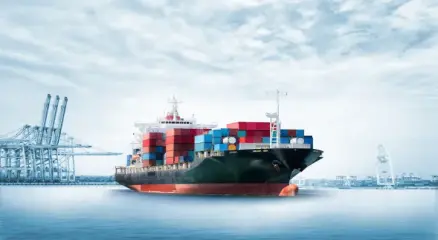
India’s maritime regulator, the Directorate General of Shipping (DG Shipping), has barred 366 foreign-flagged vessels from employing Indian seafarers following multiple cases of crew abandonment, unpaid wages, and welfare violations. The move is being viewed as one of the strongest enforcement actions taken by Indian authorities to safeguard the interests of Indian maritime workers and strengthen accountability in global shipping operations. According to DG Shipping, the affected vessels were involved in serious breaches such as non-payment of salaries, denial of compensation in cases involving death or missing crew members, failure to arrange repatriation, and exposing seafarers to inhumane working conditions. The regulator classified 278 ships as “restricted” and 88 vessels as “blacklisted,” prohibiting Recruitment and Placement Service Licence (RPSL) agencies from deploying Indian crew on these ships with immediate effect. The directive also requires all RPSL agencies to submit details of Indian seafarers currently serving on these vessels within 14 days. The regulator stated that the action was necessary due to repeated violations of international maritime conventions and Indian seafarer welfare regulations. India is among the world’s largest suppliers of maritime manpower, with thousands of Indian officers and ratings serving on foreign-going vessels across global trade routes. However, rising cases of abandonment have increasingly exposed vulnerabilities in international shipping oversight. Industry reports indicate that Indian seafarers accounted for the highest number of abandoned crew members globally in 2025, with over 1,100 Indians stranded aboard vessels due to financial disputes, sanctions-related disruptions, or shipowner insolvencies. The crackdown also comes at a time when global shipping is facing mounting operational and geopolitical pressures, including disruptions in major maritime corridors and the growing use of “flags of convenience” by shipowners seeking lower regulatory scrutiny. Labour organisations and maritime unions have repeatedly called for stronger protections for seafarers, particularly in cases where shipowners evade wage obligations or abandon vessels in foreign ports. For India’s supply chain and logistics ecosystem, the development signals a stronger compliance-driven approach in maritime employment practices. Analysts believe the decision could improve confidence among Indian seafarers while compelling foreign ship operators and recruitment agencies to adopt stricter labour and welfare standards. At the same time, the move reinforces India’s growing role in shaping global maritime governance and responsible shipping practices. 𝐒𝐭𝐚𝐲 𝐓𝐮𝐧𝐞𝐝 𝐭𝐨 https://cargoconnect.co.in/ 𝐟𝐨𝐫 𝐥𝐚𝐭𝐞𝐬𝐭 𝐮𝐩𝐝𝐚𝐭𝐞𝐬!
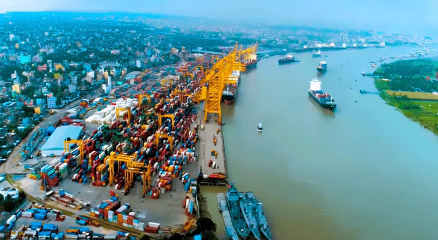
India’s two largest container gateways, Mundra and Nhava Sheva, are facing mounting congestion as rising cargo volumes, truck driver shortages and rerouted shipments from the Middle East strain operations across the country’s logistics network. Shipping lines and logistics operators are reporting worsening turnaround times at both ports, with vessel delays averaging nearly two and a half days and some unscheduled ships waiting up to five days for berthing. The disruptions are slowing cargo movement, tightening yard space and forcing carriers to make last-minute operational changes. According to industry reports, a shortage of truck drivers has become a major bottleneck for container transfers between terminals and inland transport hubs. The issue has reduced the pace of cargo evacuation from ports, adding pressure on already crowded container yards. Terminal operators have intermittently restricted gate access to control container inflow, while export gate schedules continue to shift frequently. These changes are complicating truck planning and increasing uncertainty for exporters and freight forwarders. The congestion is being intensified by cargo diversions linked to disruptions in the Middle East, particularly around Gulf trade routes. Shipping lines have increasingly redirected transshipment cargo to Indian ports as alternatives to facilities in the Persian Gulf, sharply increasing container volumes in recent weeks. The pressure has begun affecting carrier schedules. Some shipping companies are rerouting vessels between terminals at short notice to avoid yard congestion. Danish shipping giant Maersk recently shifted several sailings from its regular terminal at Nhava Sheva to PSA Mumbai after facing space constraints and a growing container backlog. Industry stakeholders say these sudden terminal changes are creating operational and financial challenges for shippers, including higher handling costs and difficulties coordinating customs clearance and inland transportation. The latest disruption comes at a time when India has been positioning itself as a major global manufacturing and logistics hub. Over the past decade, the country has expanded port capacity, improved freight corridors and modernised customs processes to strengthen supply chain efficiency. However, the current congestion highlights the vulnerability of port infrastructure during periods of sudden trade realignment and geopolitical disruption. Logistics experts warn that prolonged delays could increase freight costs, extend delivery timelines and place additional pressure on exporters already dealing with volatile global shipping conditions. Follow CARGOCONNECT for more such updates.
The diversification process by Apple continues to progress as India becomes one of the centers for manufacturing operations. Based on an analysis by Smart Analytics Global (SAG), the percentage share of Indian manufacturing of iPhones has increased from 14% in 2024 to 23% in 2025 and further to 28% by 2026, whereas China’s share has decreased from 83% to 74% within the same timeframe. As Apple continues to lower its reliance on China, India is all set to emerge as the major assembly hub for 28 percent of all iPhones exported around the world by 2026, compared to just 23 percent in the prior year. This change is due to the company's overall strategy of spreading its manufacturing operations in order to mitigate potential tariff risks and geopolitical risks, in addition to creating a more flexible manufacturing network beyond China. Based on the estimates of Smart Analytics Global (SAG), China's share in global iPhone production dropped from 83% in 2024 to 74% in 2025, while India's share increased from 14% in 2024 to 23% in 2025. Estimates provided by another market research firm, Counterpoint Research, indicate that India's share in global iPhone manufacturing could increase to approximately 26% in 2026 from 23% in 2025. As per SAG, “India will account for the manufacture of 28 percent of iPhones shipped globally in 2026, rising from 23 percent in 2025. This growth will be fueled by the ongoing diversification of Apple outside China and capacity build-up at existing manufacturers in India like Tata Electronics,” said Abhilash Kumar, an analyst at Smart Analytics Global. According to Tarun Pathak, research director at Counterpoint Research, “Apple's manufacturing partners have substantially increased their manufacturing capacities and assembly lines in India. They have also diversified their product portfolio made in India.” He further stated that the increase in manufacturing capacity of Tata Electronics is another factor aiding the growth. Apple has managed to localize production substantially in India through manufacturers like Foxconn and Tata Electronics. The recent takeover of Wistron and Pegatron in India by the Tata Group represents a huge step forward in Apple’s localization efforts in India. At present, India is assembling a larger number of iPhones, even the latest versions, and has become an important source of exports, targeting countries like the US and European nations. Over the past five years, Apple has manufactured iPhones worth almost $70 billion in India using its PLI scheme, where around $51 billion, or almost 73% of all iPhones manufactured, were exported from India. Moreover, iPhones have become the most exported goods from India during the previous financial year. India has become the biggest beneficiary of Apple’s changing supply chain. From initially assembling iPhones on a smaller scale, it has grown to become a manufacturing cluster for iPhones through government incentives, increased manufacturing capabilities, and the growing presence of suppliers. Several of the most important suppliers and manufacturers for Apple are still highly entrenched within China, allowing the country to enjoy an unrivaled capacity and adaptability when it comes to managing mass-scale productions and product shifts. For more such news and updates, visit CARGOCONNECT.
Shadowfax is significantly expanding its quick commerce infrastructure, announcing plans to scale its dark store network from 15 facilities to 100 by FY27. The move underscores the company’s growing focus on hyperlocal deliveries, same-day fulfilment, and direct-to-consumer (D2C) logistics as competition intensifies in India’s fast-evolving quick commerce ecosystem. The Bengaluru-based company plans to add 85 new dark stores over the next fiscal year, targeting metro cities with delivery radiuses of approximately seven kilometres and fulfilment timelines of around 30 minutes. The expansion is expected to support rising demand from vertical quick commerce platforms and D2C brands that increasingly rely on third-party logistics (3PL) partners for rapid deliveries. According to company executives, vertical marketplaces are emerging as a profitable segment because of their dependence on outsourced logistics infrastructure rather than captive fulfilment networks. Shadowfax believes this trend creates a strong opportunity for scalable 3PL-led quick commerce models. The dark store expansion will account for nearly 10% of Shadowfax’s planned capital expenditure of ₹180–190 crore in FY27. The company is simultaneously strengthening its automation and artificial intelligence capabilities to improve operational efficiency. AI-led demand forecasting, automated slotting, and smarter sorting centre operations are expected to reduce overhead costs while accelerating breakeven timelines for new facilities. Shadowfax’s aggressive expansion comes on the back of strong financial performance. The company reported a consolidated net profit of ₹55.8 crore in Q4 FY26, compared to a net loss of ₹9.9 crore during the same period last year. Revenue from operations surged 73.6% year-on-year to ₹1,237 crore, reflecting growing order volumes and increased adoption of quick commerce delivery services. Founded in 2015, Shadowfax has evolved into one of India’s largest logistics and last-mile delivery networks, serving over 2,500 cities and more than 15,000 pincodes. The company currently handles millions of shipments daily through a technology-driven delivery ecosystem that supports e-commerce, grocery, hyperlocal, and D2C brands. Industry analysts believe the dark store expansion reflects a broader shift within India’s logistics sector, where speed, proximity-based fulfilment, and automated operations are becoming central to supply chain competitiveness. As quick commerce adoption accelerates beyond groceries into categories such as fashion, electronics, and personal care, logistics providers like Shadowfax are positioning themselves as critical enablers of ultra-fast retail fulfilment. 𝐒𝐭𝐚𝐲 𝐓𝐮𝐧𝐞𝐝 𝐭𝐨 https://cargoconnect.co.in/ 𝐟𝐨𝐫 𝐥𝐚𝐭𝐞𝐬𝐭 𝐮𝐩𝐝𝐚𝐭𝐞𝐬!
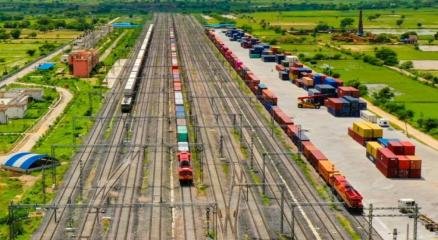
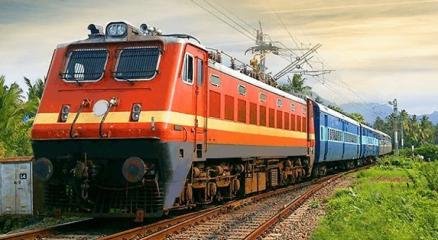
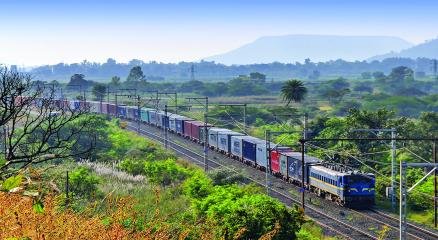
India’s Dedicated Freight Corridors (DFCs) are rapidly reshaping the country’s logistics landscape, with the Western Dedicated Freight Corridor (WDFC) between Dadri and Jawaharlal Nehru Port Authority (JNPA) emerging as a game-changing infrastructure project for supply chains and multimodal freight movement. Designed exclusively for cargo operations, the corridor is significantly reducing transit times, improving reliability, and easing congestion on conventional rail routes. Stretching nearly 1,500 km from Dadri in Uttar Pradesh to JNPA near Mumbai, the corridor forms the backbone of India’s western logistics artery, connecting manufacturing centres, inland container depots, industrial clusters, and ports. With dedicated tracks for freight trains, the network allows uninterrupted cargo movement at higher average speeds, eliminating delays caused by mixed passenger and freight operations. One of the biggest outcomes has been a sharp reduction in transit time. Freight movement between Dadri and JNPA that traditionally took close to 72 hours on congested rail routes is now being completed in nearly half the time, improving turnaround efficiency for exporters, importers, and logistics operators. Industry stakeholders believe the reduction in transit duration will strengthen India’s competitiveness in global trade and support the government’s target of lowering logistics costs as a percentage of GDP. The DFC network has also enabled the operation of longer and heavier freight trains, including double-stack container services on electrified routes. This has increased carrying capacity while lowering per-unit transportation costs. According to sector estimates, rail freight on dedicated corridors is considerably more energy-efficient and environmentally sustainable than road transport, aligning with India’s broader decarbonisation goals. Beyond operational efficiency, the corridors are catalysing the growth of integrated logistics ecosystems. Regions such as Dadri, Greater Noida, and Jewar are witnessing accelerated development of multimodal logistics parks, warehousing zones, and industrial hubs due to their strategic connectivity with both the Eastern and Western DFCs. The emerging “rail-road-air” logistics triangle around the National Capital Region is expected to attract substantial investments in manufacturing and distribution infrastructure. The Dedicated Freight Corridor Corporation of India (DFCCIL) has reported rising freight train volumes on the operational stretches, indicating growing industry adoption. The completion of key links on the western corridor is expected to further enhance throughput and reduce dependency on road transport for long-haul cargo. Analysts say the dedicated rail network could become central to India’s ambition of creating faster, greener, and more resilient supply chains. As India continues investing in additional freight corridors across the country, the success of the Dadri-JNPA route demonstrates how infrastructure modernisation can directly influence trade efficiency, logistics performance, and industrial growth. 𝐒𝐭𝐚𝐲 𝐓𝐮𝐧𝐞𝐝 𝐭𝐨 https://cargoconnect.co.in/ 𝐟𝐨𝐫 𝐥𝐚𝐭𝐞𝐬𝐭 𝐮𝐩𝐝𝐚𝐭𝐞𝐬
In a strategic warehousing move, the South Eastern Coalfields Limited (SECL), the second largest coal-producing subsidiary of Coal India Limited, has signed a Memorandum of Understanding (MoU) with Central Warehousing Corporation (CWC) for collaboration in coal logistics, railway rake provisioning under GPWIS and similar schemes, and integrated transportation services. Guided by the Union Ministry of Coal, SECL is rapidly working to improve India’s energy security and coal logistics infrastructure. The company is taking steps to boost coal evacuation efficiency and ensure a steady fuel supply to essential sectors. This partnership with CWC is a significant move in that direction. The goal of the partnership with CWC is to strengthen SECL’s coal evacuation capabilities by providing reliable and efficient rail logistics solutions to meet the rising demand from the power, steel, cement, and other sectors. The MoU outlines collaboration in various areas, including dedicated railway rake operations, integrated coal transportation solutions, multimodal logistics, first-mile and last-mile connectivity, and the deployment of digital systems for logistics monitoring and operational efficiency. Under the agreed framework, both organizations will explore provisioning and operation of GPWIS and equivalent racks, integrated rail logistics services, and long-term transportation solutions aimed at improving dispatch efficiency and reducing logistical obstacles. The MoU was signed in the presence of Harish Duhan, Chairman-cum-Managing Director of SECL, and Santosh Sinha, Managing Director of CWC. Functional Directors and senior officials from SECL, as well as representatives from CWC, attended the signing ceremony. SECL plays a vital role in meeting the country's growing coal demand. In the current financial year 2026-27, Coal India Limited has already surpassed the 100 million tonne production mark, with SECL contributing more than 26.8 million tonnes. Central Warehousing Corporation (CWC), a Navaratna Central Public Sector Enterprise under the Government of India, is a leader in integrated logistics and warehousing services. It has extensive experience in rail-linked cargo movement and multimodal transportation solutions. For more such news and updates, visit CARGOCONNECT.