
Loading...
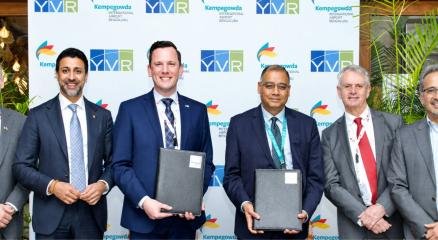
Bengaluru–Vancouver sister airport agreement focuses on cargo development, technology collaboration and the potential for future direct flights. Kempegowda International Airport Bengaluru (BLR) and Vancouver International Airport (YVR) have signed a sister airport agreement aimed at strengthening cooperation in air cargo, digital innovation and airport operations, while supporting efforts to improve air connectivity between southern India and western Canada. The agreement establishes a framework for collaboration between Bangalore International Airport Limited (BIAL), which operates Bengaluru Airport, and Vancouver International Airport. The announcement was marked at Bengaluru Airport’s Terminal 2 in the presence of Canada’s Minister of International Trade, Maninder Sidhu. The partnership covers seven areas of cooperation, including technology-driven operational improvements, innovation, cargo development and the exchange of expertise in sustainable airport operations and terminal performance management. Cargo Cooperation at the Centre of the Partnership: Improving cargo movement between Canada and southern India is a key objective of the agreement. Closer collaboration could help the airports explore opportunities to support freight demand from technology and other industries, while examining operational processes and customer requirements. Both airports have established cargo operations. Bengaluru handled 520,985 tonnes of cargo in calendar year 2025, registering 5% growth year on year. Vancouver processed approximately 365,000 tonnes over the same period, up 7.4%. Although these figures reflect total airport cargo volumes rather than traffic between the two cities, they demonstrate the scale of the logistics operations that underpin the partnership. The agreement provides a platform for further engagement on cargo-related opportunities. Its commercial impact will depend on specific initiatives, available airline capacity, handling arrangements and the development of viable transport connections. Digital Technology and Operational Innovation: Digital innovation is another major component of the partnership. The airports intend to explore opportunities for joint technology development and testing, drawing on operational experience and emerging digital solutions. Vancouver's digital twin technology offers a potential reference point for this collaboration. Developed to support airport planning and operations, the platform combines historical data, sensor inputs and real-time information in two-dimensional and three-dimensional visualisations. Vancouver agreed with Unity in March 2023 to commercialise the platform for the wider aviation industry. Its applications include simulation, planning, training and operational analysis. The Bengaluru–Vancouver agreement creates an opportunity to exchange knowledge in this area, although no specific digital twin deployment at Bengaluru Airport has been announced as part of the partnership. Direct Air Connectivity Remains a Longer-Term Goal: The airports have also identified direct air connectivity between Bengaluru and Vancouver as an objective. However, the sister airport agreement does not confirm a new flight service, and no airline, launch date or operating schedule has been announced. Introducing a direct route would require an airline to evaluate demand, aircraft availability, operating costs and commercial viability before committing to a service. The regulatory framework already provides scope for future development. In November 2022, Canada and India expanded their bilateral air transport agreement, allowing designated airlines to operate unlimited flights between the two countries, replacing the previous limit of 35 weekly flights for each country. Bengaluru was among the Indian cities accessible to Canadian carriers under the arrangement, while Vancouver was among the Canadian gateways available to Indian airlines. All-cargo flight rights were already unrestricted. These provisions provide regulatory flexibility but do not guarantee that a direct passenger or cargo service between Bengaluru and Vancouver will be launched. A Framework for Practical Cooperation: The agreement brings together two established international gateways with opportunities to exchange expertise in cargo operations, digital technology and sustainable airport management. For the logistics and aviation sectors, the next indicators of progress will be the announcement of concrete cargo initiatives, joint technology projects, operational trials and any future airline commitments. While the agreement establishes a basis for closer cooperation, its long-term significance will depend on how the proposed collaboration develops into measurable operational improvements and commercially viable services. Follow CARGOCONNECT for more such updates

Skyways Air Services has received special recognition from Emirates SkyCargo for its continued support and partnership across key trade lanes. The recognition acknowledges Skyways’ performance, service quality, and longstanding partnership with the carrier, highlighting its contribution to strengthening forwarder–airline cooperation in the air cargo sector. The award was presented by Badr Abbas, Divisional Senior Vice President, Emirates SkyCargo, in the presence of senior Emirates SkyCargo executives from India and the wider West Asia and Indian Ocean region. Yashpal Sharma, Chairman & Managing Director, Skyways Air Services, received the recognition, alongside Rohit Sehgal, Director, Skyways Air Services. Rohit Sehgal said the recognition reflects Skyways’ focus on reliability, customer service and strategic partnerships in air cargo. Skyways said the recognition further supports its efforts to strengthen relationships with global carriers and enhance capacity, connectivity and service levels for customers. Follow CARGOCONNECT for more such updates

LOT Polish Airlines is expanding its Southeast Asia network with new direct services from Warsaw to Bangkok and Hanoi, adding belly cargo capacity and new routing options between Southeast Asia and Europe. The Warsaw–Bangkok service will begin on October 7, 2026, while the Warsaw–Hanoi route is scheduled to launch on March 31, 2027. The new services will provide additional options for moving cargo between Thailand, Vietnam, Poland and other European destinations through LOT’s Warsaw hub. The routes will strengthen connectivity with two of Southeast Asia’s key manufacturing, export and logistics markets. Cargo originating in Bangkok and Hanoi will be able to connect through Warsaw to destinations across LOT’s European network, while Europe-originating shipments will gain additional options for reaching Thailand and Vietnam. Michał Grochowski, Head of Cargo, LOT Polish Airlines, said the new connections would create opportunities for cargo customers and freight forwarders. “From a cargo perspective, these routes will open new opportunities for our customers by connecting two important Asian markets directly with Warsaw and our wider European network. Together with Group Concorde, we look forward to developing these markets and delivering reliable, competitive and customer-focused cargo solutions to the freight forwarding community.” Group Concorde will support LOT Cargo’s commercial development in Thailand and Vietnam as its Cargo General Sales and Service Agent (GSSA) in both markets. The company will support sales and customer activities through its local teams and relationships with freight forwarders and logistics partners. Prithviraj Chug, Chief Executive Officer, Group Concorde, said the company would focus on converting the additional connectivity into sustainable cargo growth for LOT. “Our focus at Group Concorde will be to translate this additional connectivity into sustainable cargo growth for LOT. With our local teams, market knowledge and close relationships with the forwarding community, we are committed to making Bangkok and Hanoi strong additions to LOT Cargo’s network and further strengthening the cargo bridge between Southeast Asia and Europe.” The addition of Bangkok and Hanoi will expand LOT Cargo’s Asia–Europe network, giving freight forwarders additional capacity, connectivity and routing flexibility through Warsaw. LOT Cargo and Group Concorde will work with customers and industry partners ahead of both launches to develop the markets and support the introduction of the new services. Follow CARGOCONNECT for more such updates

Lufthansa Cargo has signed an agreement to acquire 100% of LUG aircargo handling GmbH, strengthening its cargo handling infrastructure in Germany and creating additional capacity to support future growth. The agreement was signed on September 7, 2026, as Lufthansa Cargo looks to build a stronger foundation for sustainable and profitable growth. The acquisition is part of the company’s broader growth strategy and is expected to enhance its flexibility, efficiency and competitiveness in an increasingly volatile air cargo market. Through the planned acquisition, Lufthansa Cargo will gain immediately available additional handling capacity in Germany. The move will complement its existing ground handling infrastructure, which is currently being modernised under the LCCevo programme, backed by an investment of around €600 million. According to Lufthansa Cargo, the acquisition will not lead to changes for customers of either company. LUG aircargo handling will continue to operate independently in the market, retaining its established structures and customer relationships following the transaction. LUG aircargo handling, part of the Dettmer Group, has more than 60 years of experience in air cargo handling and employs around 400 people. The company operates approximately 50,000 square metres of covered warehouse space in Germany, along with another 18,000 square metres of office and infrastructure space, and serves major international airlines. Commenting on the agreement, Frank Bauer, Chief Operating Officer, Lufthansa Cargo, said the company is making targeted investments in its German infrastructure to become more flexible, efficient and resilient for customers while supporting profitable growth. The Dettmer Group has also welcomed the planned transaction, stating that LUG is well positioned for further growth under Lufthansa Cargo’s ownership. The acquisition's completion remains subject to the necessary antitrust and regulatory approvals. Follow CARGOCONNECT for more such updates

Andhra Pradesh Chief Minister N. Chandrababu Naidu has announced that Prime Minister Narendra Modi will inaugurate the Bhogapuram International Airport on August 1, describing the project as a transformative milestone for the economic development of North Andhra. According to the Chief Minister, the airport is expected to unlock new opportunities for the region by enhancing connectivity, attracting investments, and improving socio-economic conditions. He said the project would stimulate tourism, industrial growth, and commercial activity, positioning North Andhra as a key economic hub. Naidu noted that the airport project was originally initiated during the Telugu Desam Party (TDP) government in 2014 and was subsequently fast-tracked under the current NDA coalition government, leading to its completion within two years. The state government plans to hold the inauguration on a grand scale to mark the significance of the project. Ahead of the event, the Chief Minister chaired a high-level review meeting to assess preparations for the inauguration and ensure smooth execution of the programme. Highlighting the airport's long-term significance, Naidu said Bhogapuram International Airport would serve as a catalyst for the development of the Visakhapatnam Economic Region, driving investments and generating employment. Drawing a comparison with Hyderabad's Rajiv Gandhi International Airport at Shamshabad, he said the new airport is expected to bring similar transformational growth to North Andhra by strengthening regional connectivity and accelerating economic development. Follow CARGOCONNECT for more such news

The Yamuna Expressway Industrial Development Authority (YEIDA) is planning a new industrial corridor between Noida International Airport’s cargo terminal and the proposed multimodal logistics hub at Tappal-Bajna. The proposed corridor will connect YEIDA’s Phase I and Phase II development areas, creating an integrated network for manufacturing, warehousing and cargo transportation along the Yamuna Expressway. By linking the airport’s cargo infrastructure with the Tappal-Bajna Multimodal Logistics Park, the project is expected to improve road-air connectivity, facilitate faster freight movement and strengthen access to domestic and international markets. The logistics park is envisaged as an integrated facility equipped with warehousing and cargo-handling infrastructure. Its connectivity with Noida International Airport is also expected to attract logistics companies, manufacturers, and other industrial investments to the region. The project could further strengthen the Dadri–Greater Noida–Jewar belt as a major multimodal logistics cluster, supported by airport, expressway and dedicated freight-corridor connectivity. Follow CARGOCONNECT for more such news

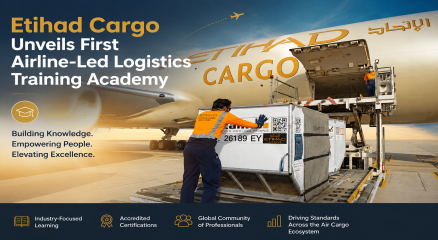
Etihad Cargo, the cargo and logistics division of Etihad Airways, has introduced the Excellence Hub, describing it as the airline industry's first dedicated logistics training academy established by an airline. The initiative has been launched to strengthen knowledge sharing, professional development, and operational excellence across the global air cargo ecosystem. The new platform has been designed to bring greater consistency to operational practices throughout Etihad Cargo's worldwide partner network. By standardising learning and best practices, the Excellence Hub aims to maintain uniform service quality, reinforce safety and regulatory compliance, and improve risk management across every stage of cargo operations. The academy is also expected to strengthen collaboration among partners while supporting the carrier's commitment to reliable and customer-focused services. Developed for Etihad Cargo employees, representatives, partners, customers, and logistics professionals around the world, the academy offers an extensive learning framework covering operational procedures, service standards, product knowledge, safety practices, and compliance requirements aligned with international aviation regulations. The platform also includes industry-recognised certification programmes created in collaboration with accredited educational institutions. The Excellence Hub features a wide range of learning formats, including introductory courses, expert-led masterclasses, educational podcasts, and executive programmes such as a miniMBA. Participants receive accredited certifications after successfully completing their respective learning tracks. To keep users engaged, the academy incorporates interactive elements such as leaderboards, reward points, and LinkedIn achievement badges that recognise individual progress. In addition, university students are being offered complimentary access, enabling aspiring professionals to gain industry exposure and become part of a global learning community. Supporting continuous learning is an AI-powered system that delivers personalised recommendations, monitors learner performance, and provides real-time insights throughout the training journey. With a mobile-friendly interface, the platform ensures that users can access educational content anytime and from virtually anywhere, making professional development more flexible and accessible. Commenting on the launch, Stanislas Brun, Chief Cargo Officer at Etihad Airways, said the Excellence Hub represents a major milestone for the air cargo sector. He noted that bringing operational expertise, accredited education, and industry knowledge together on a single platform will help enhance professional capabilities and elevate service standards across the global logistics network. Dr Nadia Al Bastaki, Chief People and Corporate Affairs Officer at Etihad Airways, emphasised that investing in people remains a core priority for the airline. She said the Excellence Hub reflects that commitment by creating accessible learning opportunities for both newcomers and experienced professionals. According to her, the initiative will contribute to higher operational efficiency, stronger customer service, and the continued development of talent within the global air cargo industry. Additionally, Etihad Cargo has expanded its digital customer platform with five additional languages and a series of new online shipment management tools designed to improve accessibility, visibility and customer self service. The logistics arm of Etihad Airways announced that its website is now available in Japanese, German, Spanish, Chinese and Arabic, enabling customers and partners to access services and manage shipments in their preferred language across key international markets. The latest updates form part of the carrier’s digital strategy to simplify customer interactions and improve the end to end cargo experience through enhanced connectivity and shipment visibility.
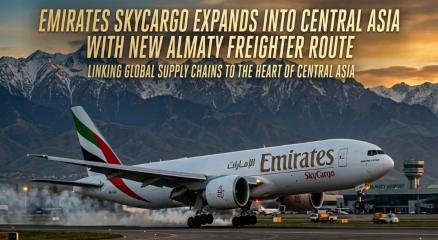
Emirates SkyCargo has officially launched a new weekly freighter service to Almaty, marking the carrier’s inaugural maindeck destination in Central Asia. Operating every Tuesday using a Boeing 777 freighter, the new route introduces more than 100 tonnes of weekly cargo capacity to the region. This scheduled service is specifically designed to facilitate the transport of high-demand commodities, including machinery, electronics, perishables, and diverse consumer products, establishing a vital trade link to a rapidly evolving marketplace. Highlighting the strategic value of the launch, Badr Abbas, Divisional Senior Vice President of Emirates SkyCargo, stated that the Almaty route underscores the carrier's commitment to global trade facilitation. He noted that Central Asia is experiencing dynamic economic growth, and the new connection will unlock fresh international opportunities for local businesses while giving global clients direct access to a strategic hub. Abbas added that this expansion directly aligns with the company's long-term commercial goals and the broader D33 Dubai Economic Agenda to solidify Dubai’s position as a premier logistics hub. The arrival in Kazakhstan follows closely on the heels of the airline's network expansion into North America, which included a new freighter service to Toronto earlier this spring. By integrating Almaty into its route map, Emirates SkyCargo aims to streamline regional supply chains, offering businesses in and around the city an efficient gateway to scale their international import and export operations via high-capacity widebody aircraft. To support this aggressive network growth, the cargo division is actively scaling its fleet capacity. The airline has integrated four new Boeing 777 freighters into its operations since March 2026, with an additional six aircraft scheduled for delivery before the end of the year, bringing the dedicated freighter fleet to 21 planes. This maindeck capacity is further complemented by the extensive bellyhold network available across Emirates’ global passenger fleet operating worldwide. To read more such news and updates, visit CARGOCONNECT.

New Delhi, 6 June 2026: Air Cargo Forum India (ACFI) today officially launched the ACFI Innovatopia Awards 2026 during a Press Conference held at the DIAL Auditorium, New Udaan Bhawan, New Delhi. The event witnessed enthusiastic participation from industry leaders, aviation and logistics stakeholders, innovation experts, and members of the media fraternity. The ACFI Innovatopia Awards 2026 have been instituted as a flagship industry recognition platform to celebrate and reward outstanding achievements in innovation, technology adoption, operational excellence, customer-centricity, safety, security, sustainability, and business transformation across the aviation and air cargo ecosystem. Addressing the gathering, the President– Mr Sanjiv Edward, the Vice President– Mr Ramesh Mamidala, and the Chairman of the Task Pillar on Knowledge, Innovation, and Research of ACFI, Mr Keku Gazder, together emphasized that innovation has emerged as the cornerstone for building a future-ready, resilient, efficient, and globally competitive aviation and logistics sector. After successfully completing the first two editions, in its third year, these Awards aim to encourage organizations and professionals to develop and implement innovative solutions that enhance service delivery, optimize operational performance, strengthen safety standards, improve sustainability outcomes, and create greater value for customers and stakeholders. Speaking on the occasion, ACFI leadership stated that the rapidly evolving air cargo and aviation landscape demands continuous innovation and collaboration to meet emerging challenges and capitalize on new opportunities. The Innovatopia Awards will serve as a benchmark for excellence and a catalyst for promoting industry-wide adoption of best practices and transformational initiatives. Nominations are now open under the following categories: Innovatopia Award for Enhanced Customer Experience Innovatopia Award in Competitiveness Innovatopia Award in Air Cargo Safety & Security Innovatopia Award in Digitization Innovatopia Award in Sustainability & Go Green Efforts The Awards are open to organizations, institutions, start-ups, professionals, and industry stakeholders who have demonstrated measurable impact through innovative initiatives and excellence in their respective domains. The last date for submission of nominations is 30th June 2026. Interested participants are encouraged to submit their entries and showcase innovations that are contributing to the advancement of India's aviation and air cargo industry. ACFI expressed its sincere appreciation to the media fraternity for their continued support in promoting industry development initiatives and reaffirmed its commitment to fostering innovation, knowledge-sharing, collaboration, skill development, and sustainable growth across the aviation and logistics ecosystem. The winners of the ACFI Innovatopia Awards 2026 will be felicitated during the prestigious ACFI World Conclave 2026, scheduled to be held in August 2026, bringing together senior policymakers, industry leaders, global experts, and stakeholders from across the air cargo and logistics value chain. About Air Cargo Forum India (ACFI) Air Cargo Forum India (ACFI) is the premier national association representing stakeholders across the aviation and air cargo logistics value chain, including airports, cargo terminal operators, airlines, freight forwarders, customs brokers, express operators, technology providers, and allied service organizations. ACFI works closely with government agencies and industry stakeholders to promote policy advocacy, innovation, skill development, capacity building, and sustainable growth for strengthening India's position as a global logistics and aviation hub. Media Contact Air Cargo Forum India (ACFI) Email: ACFISecretariat@acfi.in Website: www.acfi.in
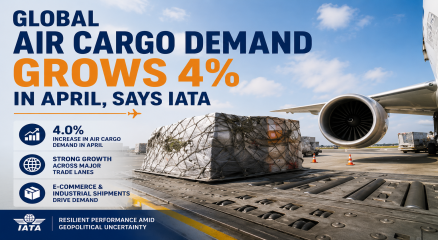
Air cargo demand increased by 4% in April 2026 compared to last year, as trade by air kept supply chains moving amid disruptions. Total demand, measured in cargo tonne-kilometers (CTK), rose by 4.0% compared to April 2025 levels for international operations. However, capacity, measured in available cargo tonne-kilometers (ACTK), fell by 0.4% compared to April 2025 and by 0.9% for international operations. “Air cargo demand grew 4% year-on-year in April, driven by strong Asia-linked trade flows. But this positive news masks a more complex operating environment. Severe disruption at major Gulf hubs due to the war in the Middle East continued to reshape trade routes and constrain capacity on key corridors. With dedicated freighters carrying much of the growth, air cargo is once again keeping supply chains moving amid trade disruptions. The coming months will test how well the sector can absorb continued geopolitical uncertainty and elevated operating costs,” said Willie Walsh, IATA’s Director General. He added that dedicated freighters are carrying much of the growth, helping air cargo keep supply chains moving amid trade disruptions. "The coming months will test how well the sector can absorb ongoing geopolitical uncertainty and high operating costs," he noted. Global trade fell by 2.1% month-on-month in March, following four consecutive months of growth, showing the vulnerability of trade to geopolitical shocks. Jet fuel prices spiked in April, rising 121.1% year-on-year, alongside a 77.7% increase in crude oil prices. Regionally, Asia-Pacific airlines experienced a 10.5% year-on-year growth in air cargo demand in April, the highest rise among all regions. Capacity increased by 5.3% year-on-year. Middle Eastern carriers were the hardest hit, facing an 18.2% year-on-year drop in air cargo demand in April, the weakest performance among all regions. Capacity declined by 22.9% year-on-year. For more such news and updates, visit CARGOCONNECT.
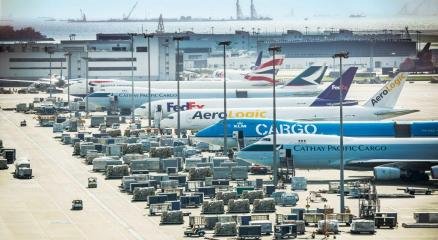
Global air cargo rates have begun to stabilise after weeks of sharp increases triggered by geopolitical tensions in the Middle East, offering cautious relief to shippers and logistics providers navigating volatile supply chains. According to recent market data from the TAC Index, the overall Baltic Air Freight Index (BAI00) declined by 4.9% in the week ending May 18, signaling the first notable easing in freight prices since conflict-related disruptions tightened global air cargo capacity earlier this year. Despite the weekly correction, rates remain significantly elevated compared to last year, underlining the fragile balance between supply and demand in the air freight sector. The softening trend has been largely attributed to a decline in jet fuel prices during early May. Fuel costs, which account for a substantial share of airline operating expenses, had surged amid fears of prolonged disruption around major Gulf transit corridors. However, easing oil prices and improving market sentiment have reduced immediate pressure on carriers and shippers alike. Freight rates from major Asian export hubs, including Hong Kong, Shanghai, India and South Korea, registered week-on-week declines. Outbound Hong Kong rates fell 2.4%, while Shanghai slipped 1.7%. India-origin air freight rates also eased after experiencing some of the steepest increases during the height of the disruption. Nevertheless, pricing on many trade lanes remains well above year-ago levels due to ongoing capacity constraints and rerouting challenges. Industry analysts note that the recent moderation does not necessarily indicate a return to pre-crisis stability. Earlier this year, Middle East airspace disruptions forced carriers to reroute flights, cut frequencies and absorb higher fuel burn, leading to severe capacity shortages across Asia-Europe and India-Europe corridors. In some cases, spot rates doubled within weeks as demand outpaced available lift. The easing of rates is also being supported by gradual network adjustments and the return of limited capacity into the market. Airlines have started introducing alternative routings and additional freighter services to stabilize operations, although backlogs continue to affect several global gateways. Market observers believe air cargo demand will remain resilient through the second half of 2026, particularly for high-value and time-sensitive shipments such as electronics, pharmaceuticals and e-commerce goods. However, uncertainty surrounding fuel markets, geopolitical risks and supply chain disruptions could continue to drive periodic volatility in freight pricing. For logistics providers and shippers, the latest decline in air freight rates may offer temporary cost relief, but the broader market remains highly sensitive to global economic and geopolitical developments. 𝐒𝐭𝐚𝐲 𝐓𝐮𝐧𝐞𝐝 𝐭𝐨 https://cargoconnect.co.in/ 𝐟𝐨𝐫 𝐥𝐚𝐭𝐞𝐬𝐭 𝐮𝐩𝐝𝐚𝐭𝐞𝐬!
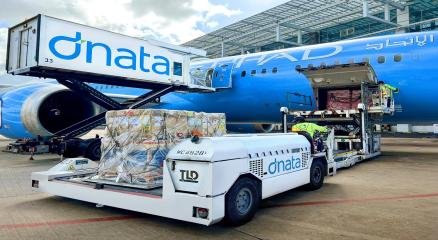
Global air and travel services provider dnata has expanded its long-standing partnership with Lödige Industries to enhance cargo handling operations at Singapore Changi Airport, reinforcing its commitment to operational efficiency and long-term infrastructure reliability. Under the renewed agreement, Lödige Industries will continue maintaining and upgrading multiple cargo handling systems across dnata’s facilities at Singapore Changi Airport. The scope of work includes the Automatic Cargo Handling System (ACHS), Pallet Cargo Handling System (PCHS), as well as mechanical systems supporting dnata’s cool chain and perishables operations. A key highlight of the collaboration is the continued support for the first material handling system installed by Lödige in Asia in 1979. The system, which has been operational for more than four decades, is now undergoing upgrades aimed at improving long-term performance and supporting rising cargo volumes in Singapore’s fast-growing airfreight market. The partnership reflects dnata’s broader strategy to modernise cargo infrastructure while ensuring uninterrupted service reliability. Singapore remains one of dnata’s most significant cargo hubs globally, with the company’s Changi facilities capable of handling approximately 550,000 tonnes of cargo annually. Industry observers note that investments in automated cargo systems and predictive maintenance are becoming increasingly critical as airports and ground handlers face pressure to improve turnaround efficiency, reduce downtime and support temperature-sensitive cargo flows. The Singapore operation is particularly important for pharmaceutical, perishables and e-commerce shipments moving through Southeast Asia. Lödige Industries has previously supported dnata through several infrastructure enhancement projects at Changi Airport, including upgrades to perishables handling facilities and the implementation of elevating transfer vehicle systems. Beyond Singapore, the two companies have also collaborated on cargo terminal developments and system upgrades in Sydney, Melbourne, Brisbane, London Heathrow and Amsterdam Schiphol airports. The renewed agreement underscores a growing trend in the air cargo sector where operators are prioritising lifecycle extension and technology upgrades over complete system replacement. By modernising existing infrastructure while maintaining operational continuity, dnata aims to strengthen service resilience and prepare for future cargo demand growth across Asia-Pacific. 𝐒𝐭𝐚𝐲 𝐓𝐮𝐧𝐞𝐝 𝐭𝐨 https://cargoconnect.co.in/ 𝐟𝐨𝐫 𝐥𝐚𝐭𝐞𝐬𝐭 𝐮𝐩𝐝𝐚𝐭𝐞𝐬!
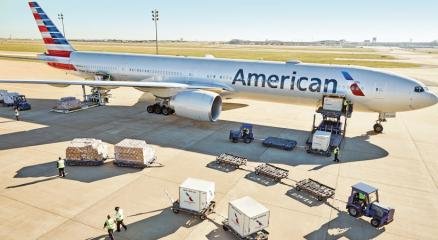
CargoWise and American Airlines Cargo have announced a new digital integration that will allow freight forwarders to book cargo capacity directly through the CargoWise platform, taking another step toward automation and efficiency in global air cargo operations. The collaboration enables customers using CargoWise to access American Airlines Cargo’s booking services through a streamlined electronic interface, reducing the need for manual communication and improving speed and accuracy across shipment management processes. The integration is expected to simplify air freight bookings for forwarders managing high shipment volumes while enhancing visibility and operational efficiency throughout the supply chain. By connecting its global network to CargoWise, American Airlines Cargo is expanding digital accessibility for freight forwarders and logistics providers worldwide. Users of the platform can now search schedules, make bookings, and manage shipments within a single workflow, eliminating repetitive data entry and minimising processing delays. The move aligns with the wider air cargo industry trend toward digital transformation and greater adoption of integrated logistics platforms. As demand for real-time shipment visibility and seamless booking capabilities increases, airlines are investing in technologies that support faster, more transparent cargo operations. CargoWise, developed by WiseTech Global, is widely used by freight forwarders and logistics companies to manage international supply chain operations. The platform connects logistics providers, customs authorities, carriers, and warehouses through a unified digital ecosystem. By integrating with CargoWise, American Airlines Cargo gains access to a broad network of freight forwarding customers seeking more automated cargo booking options. American Airlines Cargo transports cargo daily between major cities in the United States, Europe, Canada, Mexico, the Caribbean, Latin America and Asia. Offering a variety of products and handling capabilities across its domestic and international network, the airline supports shipments from life-saving pharmaceuticals to perishables and ecommerce on the world’s largest passenger network, including temperature-controlled capabilities available in more than 180 markets. “Our seamless integration with CargoWise brings that network directly into customers’ workflows, reducing complexity and making it easier to access capacity and do business with American Airlines Cargo worldwide,” said Roger Samways, Vice President Commercial for American Airlines Cargo. Jorre Cobelens, Vice President – Logistics Data, AI and Connectivity, WiseTech Global, noted, “American Airlines Cargo is one of the pioneers leading the way to remove manual processes as the supply chain moves toward the greater efficiency, accuracy and agility of straight through processing and we are excited to support their digital strategies. Importantly, the direct data connection supports IATA’s ONE Record standard for data sharing.” Industry observers note that airline partnerships with digital logistics platforms are becoming increasingly important as air cargo stakeholders seek greater efficiency, data accuracy, and scalability. Automated booking solutions can help reduce errors associated with manual processes while enabling quicker decision-making in time-sensitive supply chains. As digital adoption accelerates across the supply chain sector, such partnerships are expected to play a key role in shaping the future of air cargo operations. 𝐒𝐭𝐚𝐲 𝐓𝐮𝐧𝐞𝐝 𝐭𝐨 https://cargoconnect.co.in/ 𝐟𝐨𝐫 𝐥𝐚𝐭𝐞𝐬𝐭 𝐮𝐩𝐝𝐚𝐭𝐞𝐬!

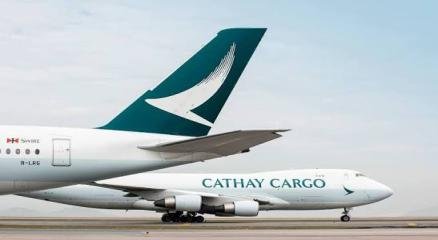
There is certainly a spike in the demand for biologics, vaccines, other life-saving drugs, and precision medicines, and they have increasingly become central to the ever-evolving healthcare system. Delivering these across different regions is vital to mankind and requires precision and speed that define the ultimate prerequisites for high-value essentials. With the unique “geographical superpower” of Hong Kong, i.e., the access to half the world’s population within five hours flying time, Cathay Cargo is further bolstering the aviation gateway for the GBA and even the international market by incorporating Cathay Fresh and Cathay Pharma through its Cold Chain Logistics expertise. One of the critical pieces of this strategy is the Air Land Fresh Lane, developed in collaboration with Airport Authority Hong Kong. The system allows creating a clear and efficient intermodal pathway, which facilitates the transportation of inbound goods shipped via Hong Kong to the customs-controlled facilities of the mainland using the same air waybill. The importance of this move is considerable. Traditionally, temperature-sensitive pharmaceutical cargo transported to the Greater Bay Area was prone to re-documentation, delayed customs processing, and cargo re-classification. This resulted in higher risks of exposure to non-optimized temperatures. With Cathay Cargo, it will be possible to avoid such disruptions due to the continuous refrigerated handling from the moment the cargo is discharged from the airplane to its ground transportation. The logistics structure includes temperature-controlled dollies for airport ground movements, GPS-tracked temperature-controlled vehicles, thermal loggers, and chain of custody management by one person in an effort to reduce the risks of temperature excursions while in transit. Besides transport, Cathay Cargo's pharma solution package is being touted as a model to be adopted by others within the region for handling pharma cargo in its regulated form. The facility at the Hong Kong International Airport that is used for pharma handling has been certified by the IATA CEIV Pharma Certification Standards. The facility utilizes near real-time monitoring protocols via the use of its Ultra Track program, thus making it possible to undertake proactive actions when thermal drift or any other irregularities occur while moving and handling. This, alongside an extensive network of over 70 approved drug handling facilities worldwide, ensures continuous supply chains that are becoming decentralized and multi-destination. The coincidence is that this is taking place at the same period as the growth of biotech capabilities of the Greater Bay Area. The areas of Shenzhen, Guangzhou, and Macau are becoming one of the world’s leading biotech centers in Asia due to investments made in biologics manufacture and therapeutics. For more such news and updates, follow CARGOCONNECT.
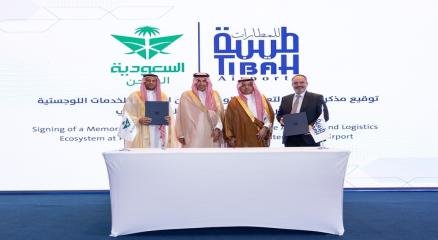
Saudia Cargo has signed a Memorandum of Understanding (MoU) with Tibah Airports Operation Company to strengthen air cargo and logistics operations at Prince Mohammad Bin Abdulaziz International Airport, marking another step in Saudi Arabia’s broader logistics expansion strategy. The agreement was signed during the 20th Steering Committee Meeting for the Activation of the National Aviation Sector Strategy and is aimed at improving cargo handling capabilities, enhancing supply chain efficiency, and supporting export growth from the Madinah region. Under the partnership, both organisations will collaborate on a range of logistics initiatives in coordination with government and regulatory bodies. The cooperation will include workshops, consultation sessions, and knowledge-sharing programmes designed to improve operational processes and identify new business opportunities within the Kingdom’s rapidly growing logistics sector. The agreement combines Saudia Cargo’s international air freight expertise with Madinah Airport’s strategic geographic position, creating opportunities to strengthen regional and international cargo connectivity. The initiative also aligns with Saudi Arabia’s Vision 2030 programme, which seeks to diversify the economy and position the Kingdom as a leading global logistics hub. As part of the MoU, Saudia Cargo will introduce preferential freight rates aimed at stimulating cargo volumes and export activity from Madinah. In return, Tibah Airports Operation Company will provide incentive programmes to support Saudia Cargo’s operational growth at the airport. The two parties will also focus on enhancing operational performance and customer experience through specialised training initiatives, regular strategic meetings, and the exchange of expertise and operational resources. The collaboration is expected to support the development of innovative logistics solutions tailored to the needs of the air cargo sector in Madinah. Industry observers view the partnership as a strategic move to improve cargo flows and increase the competitiveness of air freight services in western Saudi Arabia. By expanding logistics capabilities at Madinah Airport, the agreement is expected to strengthen the region’s role in international trade while supporting growing demand for efficient air cargo services across the Middle East. The latest MoU further reinforces Saudia Cargo’s ongoing efforts to expand its logistics footprint and enhance Saudi Arabia’s position within global supply chains. 𝐒𝐭𝐚𝐲 𝐓𝐮𝐧𝐞𝐝 𝐭𝐨 https://cargoconnect.co.in/ 𝐟𝐨𝐫 𝐥𝐚𝐭𝐞𝐬𝐭 𝐮𝐩𝐝𝐚𝐭𝐞𝐬!
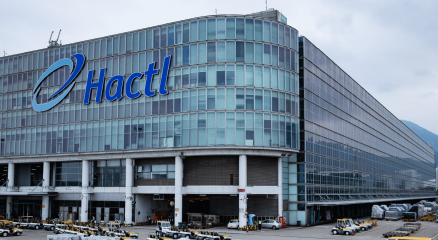
Hong Kong Air Cargo Terminals Limited (Hactl) is intensifying its sustainability and cargo safety initiatives as global supply chains increasingly demand greener, more resilient and technology-enabled logistics infrastructure. According to Hactl’s annual Sustainability Report 2025, the company’s latest investments in intelligent cargo screening, autonomous electric vehicles and sustainable terminal operations signal a broader transformation of air cargo handling from a traditional warehouse function into a critical supply chain resilience strategy. At the centre of Hactl’s latest move is the Phase 2 rollout of its intelligent cargo thermal detection system at SuperTerminal 1 in Hong Kong. The enhanced system now scans cargo during acceptance as well as prior to aircraft loading, creating what the company calls a “double layer” of protection against high-risk shipments such as lithium batteries. The technology combines thermal imaging, artificial intelligence, data analytics and fluid mechanics to detect abnormal temperatures in real time and trigger alerts before incidents escalate. For global supply chains, the implications are significant. Lithium battery shipments continue to rise sharply due to booming electric vehicle, electronics and e-commerce sectors. However, battery-related fires remain one of the biggest operational risks in air freight logistics. By investing in predictive monitoring and dedicated storage infrastructure, Hactl aims to reduce disruption risks across the cargo chain while improving reliability for airlines, freight forwarders and shippers. Hactl’s sustainability strategy extends well beyond cargo safety. Under its Green Terminal Programme, the company has committed to reducing Scope 1 and Scope 2 greenhouse gas emissions by more than 50 percent by 2030 against a 2018 baseline. The company has already deployed renewable diesel initiatives, energy-efficient lighting systems, digitalisation projects and terminal-wide waste reduction programmes as part of its decarbonisation roadmap. Automation is also emerging as a major pillar of Hactl’s supply chain strategy. The company recently introduced Autonomous Electric Tractors (AETs) for ramp operations at Hong Kong International Airport. The vehicles, equipped with LiDAR sensors, HD cameras and AI-powered navigation systems, are designed to improve operational efficiency while reducing emissions and labour dependency in airport logistics. Industry analysts note that sustainability in air cargo is no longer limited to carbon reduction alone. Supply chains today require terminals that can simultaneously deliver operational continuity, cargo integrity, digital visibility and regulatory compliance. Hactl’s integrated approach reflects this shift, particularly as pharmaceutical cargo, perishables, lithium batteries and cross-border e-commerce place greater pressure on air logistics infrastructure. The company’s long-term strategy aligns with Hong Kong’s broader ambition to reinforce its position as a leading global air cargo hub amid intensifying regional competition. Investments in multimodal logistics connectivity, automation and green infrastructure are expected to strengthen Hong Kong’s role in Asia-Pacific supply chains over the coming decade. As supply chains become increasingly time-sensitive and sustainability-driven, Hactl’s latest initiatives highlight how cargo terminal operators are evolving into strategic enablers of secure, resilient and environmentally responsible global trade. 𝐕𝐢𝐬𝐢𝐭 𝐨𝐮𝐫 𝐰𝐞𝐛𝐬𝐢𝐭𝐞: https://cargoconnect.co.in/ for latest news!
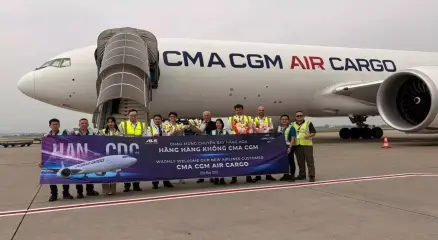
CMA CGM Group has launched a new Paris–Hanoi freighter service, reinforcing the growing strategic importance of Vietnam in global manufacturing and supply chain networks. The dedicated Boeing 777F operation connects Paris Charles de Gaulle Airport with Hanoi’s Noi Bai International Airport, with a return routing via Navoiy, Uzbekistan, enhancing cargo connectivity between Southeast Asia and Europe. The inaugural flight departed on May 9, marking another step in CMA CGM Air Cargo’s long-haul expansion strategy as shippers increasingly diversify sourcing and production activities beyond China. Vietnam has emerged as a critical export hub for electronics, textiles, footwear, industrial machinery and e-commerce products, driving sustained air cargo demand on Europe-bound trade lanes. The new service is expected to provide supply chain planners and freight forwarders with additional capacity and greater schedule reliability at a time when manufacturers are seeking resilient and multimodal logistics solutions. Industry analysts note that Vietnam’s role in global supply chains has accelerated due to continued foreign direct investment, expanding manufacturing clusters and the rapid growth of cross-border e-commerce. By integrating Hanoi into its freighter network, CMA CGM is also strengthening its end-to-end logistics strategy, combining ocean shipping, air freight and inland transport services under a unified supply chain offering. The move aligns with the group’s broader ambition to become a fully integrated logistics player capable of offering agile transport solutions for high-value and time-sensitive cargo. The routing through Navoiy further highlights the increasing importance of Central Asia as a transit and technical hub connecting Europe and Asia. The Uzbekistan stopover enables operational flexibility while supporting wider regional cargo connectivity. The deployment of the Boeing 777F on the route underscores CMA CGM Air Cargo’s focus on long-range, high-capacity freighter operations. The aircraft is widely used in global air cargo networks for transporting high-volume industrial shipments, electronics and e-commerce cargo efficiently across intercontinental trade lanes. As supply chains continue shifting toward Southeast Asia, the launch of the Paris–Hanoi service positions CMA CGM to capture growing trade flows between European consumption markets and Vietnam’s export-driven manufacturing economy. The added freighter capacity is likely to benefit exporters, logistics providers and multinational manufacturers seeking faster and more resilient cargo connectivity between Asia and Europe. 𝐕𝐢𝐬𝐢𝐭: https://cargoconnect.co.in/ for latest news!

Emirates SkyCargo strengthened its position in the global air freight market during fiscal year 2025-26, supported by strategic freighter additions, network expansion, and resilient cargo demand across key trade lanes. The cargo division emerged as a major contributor to the Emirates Group’s record financial performance, reflecting the growing importance of air cargo in global supply chains. The Emirates Group reported a record profit before tax of AED 24.4 billion (US$6.6 billion) for FY2025-26, while revenues rose 3% year-on-year to AED 150.5 billion. Emirates airline alone generated AED 130.9 billion in revenue and retained its position as the world’s most profitable airline. Cargo operations played a significant role in this growth trajectory. Emirates SkyCargo transported approximately 2.4 million tonnes of cargo during the fiscal year and generated AED 16.2 billion in revenue, according to regional business reports. The carrier benefited from additional freighter capacity introduced over the past year as it responded to sustained e-commerce demand, pharmaceutical shipments, perishables trade, and manufacturing recovery across Asia, Europe, and the Middle East. The airline continued investing heavily in fleet and logistics infrastructure to strengthen its cargo capabilities. Emirates Group invested AED 17.9 billion (US$4.9 billion) during FY2025-26 in aircraft, equipment, technology, and facilities to support long-term growth plans. Industry analysts note that the addition of Boeing 777 freighters and leased cargo aircraft enabled Emirates SkyCargo to improve schedule flexibility and capacity deployment across high-demand international routes. The expansion comes at a time when global air cargo markets are stabilising after several years of disruption. Rising cross-border e-commerce volumes and increasing demand for time-sensitive shipments continue to support premium air freight services. Emirates SkyCargo has also expanded specialised logistics offerings for pharmaceuticals, dangerous goods, and temperature-sensitive cargo, reinforcing Dubai’s role as a global logistics hub. Despite geopolitical tensions and operational disruptions in the final month of the financial year, Emirates maintained strong cargo and passenger demand. Group Chairman and Chief Executive Sheikh Ahmed bin Saeed Al Maktoum highlighted the resilience of the company’s business model and its continued investments in innovation, people, and infrastructure. With additional freighters expected to join its fleet over the next few years, Emirates SkyCargo is positioning itself for further expansion as global supply chains increasingly prioritise speed, reliability, and network connectivity.
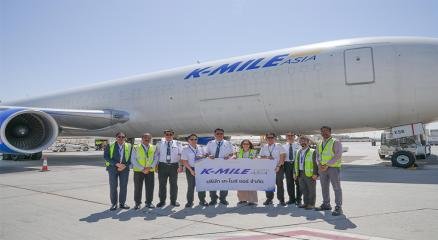
Abu Dhabi Airport has strengthened its position in the global air cargo market with the launch of direct freighter services by Thailand-based carrier K-Mile Air, creating the first dedicated air cargo connection between Abu Dhabi and northern Thailand. The new service, which commenced on May 4, will operate five weekly Boeing 767 freighter flights linking Zayed International Airport (AUH) with Chiang Mai International Airport and Mae Fah Luang Chiang Rai International Airport. The partnership significantly expands Abu Dhabi’s growing freight network, increasing the emirate’s direct freighter connectivity to 36 destinations worldwide. Industry observers view the move as another milestone in Abu Dhabi’s strategy to establish itself as a leading multimodal logistics and cargo hub connecting Asia, the Middle East, Europe, and Africa. The launch comes amid robust cargo growth across Abu Dhabi Airports’ network. According to recent operational data, overall cargo traffic at the airport operator increased from 1,878 tonnes per day at the beginning of the year to 2,216 tonnes per day during the latest reporting period, marking an 18% rise. Dedicated freighter cargo volumes recorded even sharper growth, surging 119% from 389 tonnes to 851 tonnes daily. Freighter operations now account for 38% of Abu Dhabi Airports’ total cargo throughput, supported by a 42% increase in daily freighter movements. Wide-body freighter operations have also expanded by approximately 55%, reflecting rising long-haul cargo demand and increasing utilisation of Abu Dhabi’s aviation infrastructure. Ahmed Juma Al Shamisi, CEO of Abu Dhabi Airports, said the addition of K-Mile Air demonstrates the emirate’s ability to scale cargo operations despite global supply chain volatility. He noted that both Zayed International Airport and Al Ain International Airport are playing an increasingly important role in regional logistics and international trade connectivity. The expansion aligns with Abu Dhabi’s broader economic diversification strategy and complements ongoing investments in logistics infrastructure, free zones, and industrial corridors such as KEZAD. Analysts believe stronger air cargo connectivity with Southeast Asia could enhance trade flows in electronics, perishables, automotive parts, and e-commerce shipments. In the first quarter of 2026, Abu Dhabi Airports handled 171,794 tonnes of cargo, up 4.2% year-on-year, while dedicated freighter cargo at Zayed International Airport rose 11.4% to 58,128 tonnes. Al Ain International Airport also reported a sharp 45.9% increase in cargo volumes, underlining Abu Dhabi’s emergence as a diversified logistics gateway in the Gulf region.
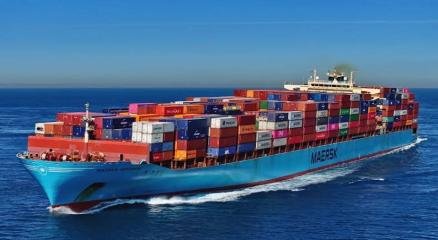
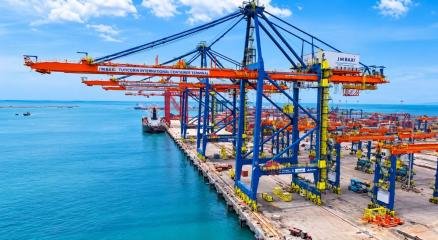
India’s two largest container gateways, Mundra and Nhava Sheva, are facing mounting congestion as rising cargo volumes, truck driver shortages and rerouted shipments from the Middle East strain operations across the country’s logistics network. Shipping lines and logistics operators are reporting worsening turnaround times at both ports, with vessel delays averaging nearly two and a half days and some unscheduled ships waiting up to five days for berthing. The disruptions are slowing cargo movement, tightening yard space and forcing carriers to make last-minute operational changes. According to industry reports, a shortage of truck drivers has become a major bottleneck for container transfers between terminals and inland transport hubs. The issue has reduced the pace of cargo evacuation from ports, adding pressure on already crowded container yards. Terminal operators have intermittently restricted gate access to control container inflow, while export gate schedules continue to shift frequently. These changes are complicating truck planning and increasing uncertainty for exporters and freight forwarders. The congestion is being intensified by cargo diversions linked to disruptions in the Middle East, particularly around Gulf trade routes. Shipping lines have increasingly redirected transshipment cargo to Indian ports as alternatives to facilities in the Persian Gulf, sharply increasing container volumes in recent weeks. The pressure has begun affecting carrier schedules. Some shipping companies are rerouting vessels between terminals at short notice to avoid yard congestion. Danish shipping giant Maersk recently shifted several sailings from its regular terminal at Nhava Sheva to PSA Mumbai after facing space constraints and a growing container backlog. Industry stakeholders say these sudden terminal changes are creating operational and financial challenges for shippers, including higher handling costs and difficulties coordinating customs clearance and inland transportation. The latest disruption comes at a time when India has been positioning itself as a major global manufacturing and logistics hub. Over the past decade, the country has expanded port capacity, improved freight corridors and modernised customs processes to strengthen supply chain efficiency. However, the current congestion highlights the vulnerability of port infrastructure during periods of sudden trade realignment and geopolitical disruption. Logistics experts warn that prolonged delays could increase freight costs, extend delivery timelines and place additional pressure on exporters already dealing with volatile global shipping conditions. Follow CARGOCONNECT for more such updates.
The diversification process by Apple continues to progress as India becomes one of the centers for manufacturing operations. Based on an analysis by Smart Analytics Global (SAG), the percentage share of Indian manufacturing of iPhones has increased from 14% in 2024 to 23% in 2025 and further to 28% by 2026, whereas China’s share has decreased from 83% to 74% within the same timeframe. As Apple continues to lower its reliance on China, India is all set to emerge as the major assembly hub for 28 percent of all iPhones exported around the world by 2026, compared to just 23 percent in the prior year. This change is due to the company's overall strategy of spreading its manufacturing operations in order to mitigate potential tariff risks and geopolitical risks, in addition to creating a more flexible manufacturing network beyond China. Based on the estimates of Smart Analytics Global (SAG), China's share in global iPhone production dropped from 83% in 2024 to 74% in 2025, while India's share increased from 14% in 2024 to 23% in 2025. Estimates provided by another market research firm, Counterpoint Research, indicate that India's share in global iPhone manufacturing could increase to approximately 26% in 2026 from 23% in 2025. As per SAG, “India will account for the manufacture of 28 percent of iPhones shipped globally in 2026, rising from 23 percent in 2025. This growth will be fueled by the ongoing diversification of Apple outside China and capacity build-up at existing manufacturers in India like Tata Electronics,” said Abhilash Kumar, an analyst at Smart Analytics Global. According to Tarun Pathak, research director at Counterpoint Research, “Apple's manufacturing partners have substantially increased their manufacturing capacities and assembly lines in India. They have also diversified their product portfolio made in India.” He further stated that the increase in manufacturing capacity of Tata Electronics is another factor aiding the growth. Apple has managed to localize production substantially in India through manufacturers like Foxconn and Tata Electronics. The recent takeover of Wistron and Pegatron in India by the Tata Group represents a huge step forward in Apple’s localization efforts in India. At present, India is assembling a larger number of iPhones, even the latest versions, and has become an important source of exports, targeting countries like the US and European nations. Over the past five years, Apple has manufactured iPhones worth almost $70 billion in India using its PLI scheme, where around $51 billion, or almost 73% of all iPhones manufactured, were exported from India. Moreover, iPhones have become the most exported goods from India during the previous financial year. India has become the biggest beneficiary of Apple’s changing supply chain. From initially assembling iPhones on a smaller scale, it has grown to become a manufacturing cluster for iPhones through government incentives, increased manufacturing capabilities, and the growing presence of suppliers. Several of the most important suppliers and manufacturers for Apple are still highly entrenched within China, allowing the country to enjoy an unrivaled capacity and adaptability when it comes to managing mass-scale productions and product shifts. For more such news and updates, visit CARGOCONNECT.
Shadowfax is significantly expanding its quick commerce infrastructure, announcing plans to scale its dark store network from 15 facilities to 100 by FY27. The move underscores the company’s growing focus on hyperlocal deliveries, same-day fulfilment, and direct-to-consumer (D2C) logistics as competition intensifies in India’s fast-evolving quick commerce ecosystem. The Bengaluru-based company plans to add 85 new dark stores over the next fiscal year, targeting metro cities with delivery radiuses of approximately seven kilometres and fulfilment timelines of around 30 minutes. The expansion is expected to support rising demand from vertical quick commerce platforms and D2C brands that increasingly rely on third-party logistics (3PL) partners for rapid deliveries. According to company executives, vertical marketplaces are emerging as a profitable segment because of their dependence on outsourced logistics infrastructure rather than captive fulfilment networks. Shadowfax believes this trend creates a strong opportunity for scalable 3PL-led quick commerce models. The dark store expansion will account for nearly 10% of Shadowfax’s planned capital expenditure of ₹180–190 crore in FY27. The company is simultaneously strengthening its automation and artificial intelligence capabilities to improve operational efficiency. AI-led demand forecasting, automated slotting, and smarter sorting centre operations are expected to reduce overhead costs while accelerating breakeven timelines for new facilities. Shadowfax’s aggressive expansion comes on the back of strong financial performance. The company reported a consolidated net profit of ₹55.8 crore in Q4 FY26, compared to a net loss of ₹9.9 crore during the same period last year. Revenue from operations surged 73.6% year-on-year to ₹1,237 crore, reflecting growing order volumes and increased adoption of quick commerce delivery services. Founded in 2015, Shadowfax has evolved into one of India’s largest logistics and last-mile delivery networks, serving over 2,500 cities and more than 15,000 pincodes. The company currently handles millions of shipments daily through a technology-driven delivery ecosystem that supports e-commerce, grocery, hyperlocal, and D2C brands. Industry analysts believe the dark store expansion reflects a broader shift within India’s logistics sector, where speed, proximity-based fulfilment, and automated operations are becoming central to supply chain competitiveness. As quick commerce adoption accelerates beyond groceries into categories such as fashion, electronics, and personal care, logistics providers like Shadowfax are positioning themselves as critical enablers of ultra-fast retail fulfilment. 𝐒𝐭𝐚𝐲 𝐓𝐮𝐧𝐞𝐝 𝐭𝐨 https://cargoconnect.co.in/ 𝐟𝐨𝐫 𝐥𝐚𝐭𝐞𝐬𝐭 𝐮𝐩𝐝𝐚𝐭𝐞𝐬!
India’s Dedicated Freight Corridors (DFCs) are rapidly reshaping the country’s logistics landscape, with the Western Dedicated Freight Corridor (WDFC) between Dadri and Jawaharlal Nehru Port Authority (JNPA) emerging as a game-changing infrastructure project for supply chains and multimodal freight movement. Designed exclusively for cargo operations, the corridor is significantly reducing transit times, improving reliability, and easing congestion on conventional rail routes. Stretching nearly 1,500 km from Dadri in Uttar Pradesh to JNPA near Mumbai, the corridor forms the backbone of India’s western logistics artery, connecting manufacturing centres, inland container depots, industrial clusters, and ports. With dedicated tracks for freight trains, the network allows uninterrupted cargo movement at higher average speeds, eliminating delays caused by mixed passenger and freight operations. One of the biggest outcomes has been a sharp reduction in transit time. Freight movement between Dadri and JNPA that traditionally took close to 72 hours on congested rail routes is now being completed in nearly half the time, improving turnaround efficiency for exporters, importers, and logistics operators. Industry stakeholders believe the reduction in transit duration will strengthen India’s competitiveness in global trade and support the government’s target of lowering logistics costs as a percentage of GDP. The DFC network has also enabled the operation of longer and heavier freight trains, including double-stack container services on electrified routes. This has increased carrying capacity while lowering per-unit transportation costs. According to sector estimates, rail freight on dedicated corridors is considerably more energy-efficient and environmentally sustainable than road transport, aligning with India’s broader decarbonisation goals. Beyond operational efficiency, the corridors are catalysing the growth of integrated logistics ecosystems. Regions such as Dadri, Greater Noida, and Jewar are witnessing accelerated development of multimodal logistics parks, warehousing zones, and industrial hubs due to their strategic connectivity with both the Eastern and Western DFCs. The emerging “rail-road-air” logistics triangle around the National Capital Region is expected to attract substantial investments in manufacturing and distribution infrastructure. The Dedicated Freight Corridor Corporation of India (DFCCIL) has reported rising freight train volumes on the operational stretches, indicating growing industry adoption. The completion of key links on the western corridor is expected to further enhance throughput and reduce dependency on road transport for long-haul cargo. Analysts say the dedicated rail network could become central to India’s ambition of creating faster, greener, and more resilient supply chains. As India continues investing in additional freight corridors across the country, the success of the Dadri-JNPA route demonstrates how infrastructure modernisation can directly influence trade efficiency, logistics performance, and industrial growth. 𝐒𝐭𝐚𝐲 𝐓𝐮𝐧𝐞𝐝 𝐭𝐨 https://cargoconnect.co.in/ 𝐟𝐨𝐫 𝐥𝐚𝐭𝐞𝐬𝐭 𝐮𝐩𝐝𝐚𝐭𝐞𝐬
In a strategic warehousing move, the South Eastern Coalfields Limited (SECL), the second largest coal-producing subsidiary of Coal India Limited, has signed a Memorandum of Understanding (MoU) with Central Warehousing Corporation (CWC) for collaboration in coal logistics, railway rake provisioning under GPWIS and similar schemes, and integrated transportation services. Guided by the Union Ministry of Coal, SECL is rapidly working to improve India’s energy security and coal logistics infrastructure. The company is taking steps to boost coal evacuation efficiency and ensure a steady fuel supply to essential sectors. This partnership with CWC is a significant move in that direction. The goal of the partnership with CWC is to strengthen SECL’s coal evacuation capabilities by providing reliable and efficient rail logistics solutions to meet the rising demand from the power, steel, cement, and other sectors. The MoU outlines collaboration in various areas, including dedicated railway rake operations, integrated coal transportation solutions, multimodal logistics, first-mile and last-mile connectivity, and the deployment of digital systems for logistics monitoring and operational efficiency. Under the agreed framework, both organizations will explore provisioning and operation of GPWIS and equivalent racks, integrated rail logistics services, and long-term transportation solutions aimed at improving dispatch efficiency and reducing logistical obstacles. The MoU was signed in the presence of Harish Duhan, Chairman-cum-Managing Director of SECL, and Santosh Sinha, Managing Director of CWC. Functional Directors and senior officials from SECL, as well as representatives from CWC, attended the signing ceremony. SECL plays a vital role in meeting the country's growing coal demand. In the current financial year 2026-27, Coal India Limited has already surpassed the 100 million tonne production mark, with SECL contributing more than 26.8 million tonnes. Central Warehousing Corporation (CWC), a Navaratna Central Public Sector Enterprise under the Government of India, is a leader in integrated logistics and warehousing services. It has extensive experience in rail-linked cargo movement and multimodal transportation solutions. For more such news and updates, visit CARGOCONNECT.