
Loading...
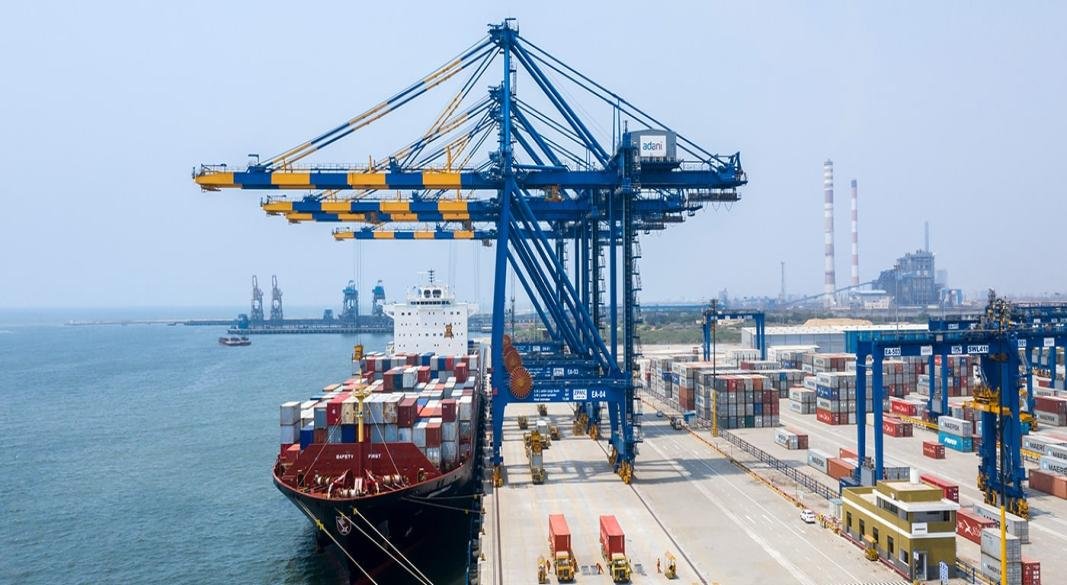
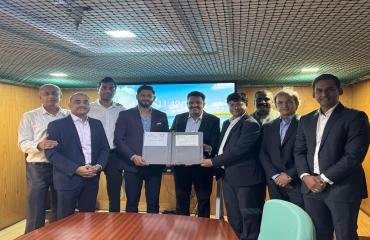
Kamarajar Port Limited hosted a delegation from Abu Dhabi Ports Group to discuss potential cooperation in port operations, terminal development, and maritime logistics infrastructure, as India and the UAE continue to deepen trade and shipping ties.
The visit focused on identifying opportunities for collaboration in future berth development projects, operational efficiency, technology integration, and sustainable port management practices. Officials from both sides also reviewed strategies to strengthen cargo handling capabilities and improve connectivity across regional supply chains.
The engagement reflects growing maritime cooperation between India and the UAE, particularly as both countries expand investments in shipping infrastructure, logistics corridors, and energy-linked trade networks. Recent bilateral agreements between the two nations have included shipping, energy security, defence, and port development initiatives aimed at improving long-term trade resilience.
Kamarajar Port, located near Chennai, is one of India’s major ports for automobile exports, dry bulk cargo, containers, and energy shipments. Industry analysts say collaboration with international port operators could help accelerate modernization efforts, improve terminal productivity, and support rising cargo volumes linked to India’s manufacturing and export sectors.
During the discussions, both parties emphasized the importance of smart port technologies, sustainability frameworks, and operational standardization in meeting evolving global shipping demands. The dialogue also included knowledge-sharing on digital systems, logistics optimization, and next-generation maritime infrastructure planning.
The meeting comes at a time when global maritime operators are increasingly focusing on supply chain resilience, port connectivity, and diversified trade routes amid continuing geopolitical and shipping disruptions across major sea lanes.
Follow CARGOCONNECT for more such updates.
Kamarajar Port Limited hosted a delegation from Abu Dhabi Ports Group to discuss potential cooperation in port operations, terminal development, and maritime logistics infrastructure, as India and the UAE continue to deepen trade and shipping ties. The visit focused on identifying opportunities for collaboration in future berth development projects, operational efficiency, technology integration, and sustainable port management practices. Officials from both sides also reviewed strategies to strengthen cargo handling capabilities and improve connectivity across regional supply chains. The engagement reflects growing maritime cooperation between India and the UAE, particularly as both countries expand investments in shipping infrastructure, logistics corridors, and energy-linked trade networks. Recent bilateral agreements between the two nations have included shipping, energy security, defence, and port development initiatives aimed at improving long-term trade resilience. Kamarajar Port, located near Chennai, is one of India’s major ports for automobile exports, dry bulk cargo, containers, and energy shipments. Industry analysts say collaboration with international port operators could help accelerate modernization efforts, improve terminal productivity, and support rising cargo volumes linked to India’s manufacturing and export sectors. During the discussions, both parties emphasized the importance of smart port technologies, sustainability frameworks, and operational standardization in meeting evolving global shipping demands. The dialogue also included knowledge-sharing on digital systems, logistics optimization, and next-generation maritime infrastructure planning. The meeting comes at a time when global maritime operators are increasingly focusing on supply chain resilience, port connectivity, and diversified trade routes amid continuing geopolitical and shipping disruptions across major sea lanes. Follow CARGOCONNECT for more such updates.

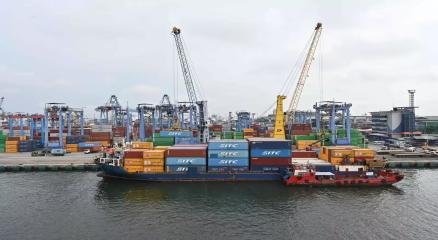
India’s Mormugao Port Authority has introduced a series of contingency measures aimed at safeguarding cargo movement and reducing disruption to exporters as geopolitical tensions in West Asia continue to strain global maritime trade routes. The steps come amid growing instability around the Strait of Hormuz, a critical shipping corridor for crude oil, LNG, LPG, fertilizers and container cargo moving between India and Gulf nations. Under the new measures, the port authority will prioritise berthing for vessels carrying essential commodities, including energy cargoes and fertilizers, subject to recommendations from the concerned ministries. Port users, shipping lines, stevedores and exporters have also been directed to complete documentation and pre-arrival formalities in advance to avoid operational delays. In a separate move intended to ease financial pressure on exporters, the port authority has discontinued the earlier reimbursement-based concession mechanism for cargo bound for West Asia. Exporters eligible for waivers or concessions will now receive those benefits directly at the billing stage instead of paying full charges upfront and waiting for refunds later. The measures were communicated through consecutive trade notices issued within a span of five days, reflecting coordinated efforts by the Ministry of Ports, Shipping and Waterways and port authorities to maintain supply chain continuity amid heightened regional uncertainty. Industry stakeholders have raised concerns over shipping delays, rising insurance costs and route disruptions linked to the evolving security situation in the Gulf region. The Strait of Hormuz handles a significant share of global seaborne oil and LNG trade, making any disruption a major risk for energy-importing economies such as India. To strengthen operational coordination, the port has also designated a nodal officer to address issues faced by exporters, terminal operators and shipping lines impacted by the crisis. The latest actions by Mormugao Port underline the increasing focus among Indian ports and logistics operators on supply chain resilience as geopolitical tensions continue to affect global shipping networks. Follow CARGOCONNECT for more such updates.


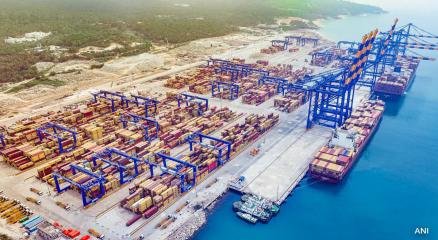
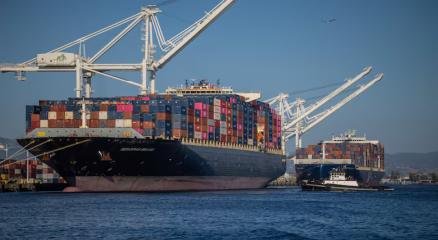
India’s Vizhinjam International Seaport has handled one of the world’s largest container vessels, MSC MICOL, marking a significant milestone for the country’s ambitions to emerge as a major transshipment hub on global East-West trade routes. The ultra-large container vessel, measuring nearly 400 metres in length and carrying more than 24,000 TEUs, arrived at the Kerala-based deepwater port from Singapore and is scheduled to continue onward to Tema, Ghana, after completing transshipment operations. The vessel call highlights Vizhinjam’s ability to accommodate next-generation mega-ships that typically operate between Asia, Europe and Africa. MSC MICOL belongs to the latest class of ultra-large container vessels (ULCVs), designed to maximise economies of scale on long-haul international shipping routes. Handling vessels of this size requires deep natural drafts, high-capacity quay cranes, advanced yard systems and precise marine coordination — infrastructure that only a limited number of ports globally currently possess. The vessel’s arrival is being viewed as an operational validation for Vizhinjam, which officially commenced commercial operations in 2025 under the management of Adani Ports and SEZ Ltd. The port was specifically developed to capture transshipment cargo that has traditionally been routed through regional hubs such as Colombo, Singapore and Port Klang. Industry observers say repeated calls by ultra-large vessels are critical for establishing the port’s long-term credibility with global shipping lines. Mainline operators increasingly prefer ports capable of handling larger ships efficiently while maintaining tight turnaround schedules on high-volume trade lanes. The MSC MICOL call also provides operational insights for the port’s planned expansion phases. Terminal operators are expected to use data from handling the vessel — including berth management, crane productivity and yard movement efficiency — to shape future infrastructure development as container ships continue to grow in size. The vessel’s routing from Singapore to West Africa via Vizhinjam also reflects the port’s emerging role in connecting Indian cargo flows with African markets. Logistics analysts believe the port could reduce dependence on foreign transshipment hubs for Indian exporters and improve transit efficiency for cargo moving between South Asia, Africa and Europe. India has been seeking to expand domestic transshipment capacity as part of broader efforts to reduce logistics costs and retain cargo volumes currently handled outside the country. The development of deepwater ports capable of servicing ULCVs is considered central to that strategy. Follow CARGOCONNECT for more such updates.