
Loading...
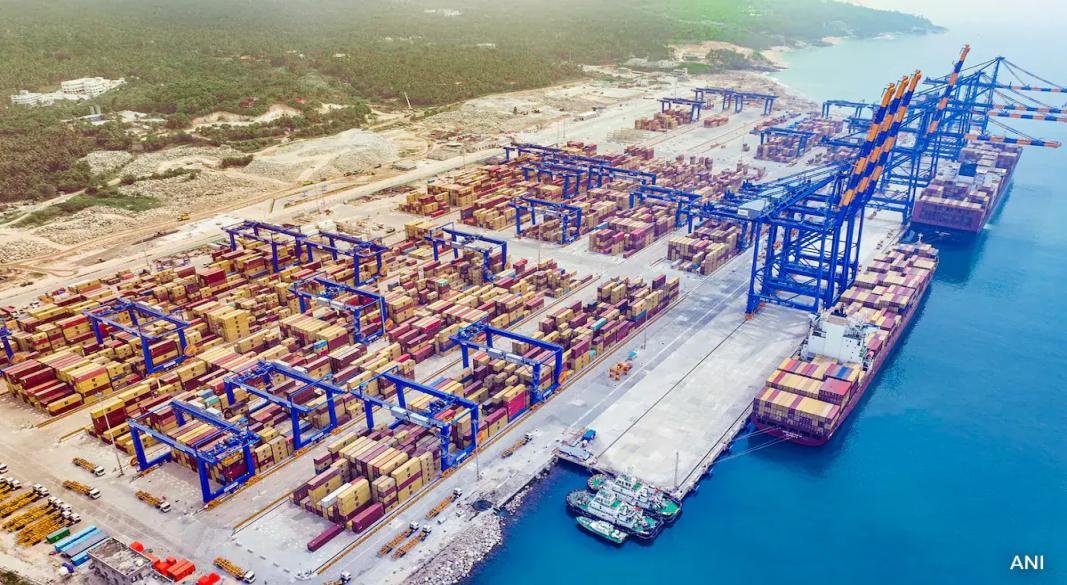
India’s Vizhinjam International Seaport has handled one of the world’s largest container vessels, MSC MICOL, marking a significant milestone for the country’s ambitions to emerge as a major transshipment hub on global East-West trade routes.
The ultra-large container vessel, measuring nearly 400 metres in length and carrying more than 24,000 TEUs, arrived at the Kerala-based deepwater port from Singapore and is scheduled to continue onward to Tema, Ghana, after completing transshipment operations. The vessel call highlights Vizhinjam’s ability to accommodate next-generation mega-ships that typically operate between Asia, Europe and Africa.
MSC MICOL belongs to the latest class of ultra-large container vessels (ULCVs), designed to maximise economies of scale on long-haul international shipping routes. Handling vessels of this size requires deep natural drafts, high-capacity quay cranes, advanced yard systems and precise marine coordination — infrastructure that only a limited number of ports globally currently possess.
The vessel’s arrival is being viewed as an operational validation for Vizhinjam, which officially commenced commercial operations in 2025 under the management of Adani Ports and SEZ Ltd. The port was specifically developed to capture transshipment cargo that has traditionally been routed through regional hubs such as Colombo, Singapore and Port Klang.
Industry observers say repeated calls by ultra-large vessels are critical for establishing the port’s long-term credibility with global shipping lines. Mainline operators increasingly prefer ports capable of handling larger ships efficiently while maintaining tight turnaround schedules on high-volume trade lanes.
The MSC MICOL call also provides operational insights for the port’s planned expansion phases. Terminal operators are expected to use data from handling the vessel — including berth management, crane productivity and yard movement efficiency — to shape future infrastructure development as container ships continue to grow in size.
The vessel’s routing from Singapore to West Africa via Vizhinjam also reflects the port’s emerging role in connecting Indian cargo flows with African markets. Logistics analysts believe the port could reduce dependence on foreign transshipment hubs for Indian exporters and improve transit efficiency for cargo moving between South Asia, Africa and Europe.
India has been seeking to expand domestic transshipment capacity as part of broader efforts to reduce logistics costs and retain cargo volumes currently handled outside the country. The development of deepwater ports capable of servicing ULCVs is considered central to that strategy.
Follow CARGOCONNECT for more such updates.
India’s Vizhinjam International Seaport has handled one of the world’s largest container vessels, MSC MICOL, marking a significant milestone for the country’s ambitions to emerge as a major transshipment hub on global East-West trade routes. The ultra-large container vessel, measuring nearly 400 metres in length and carrying more than 24,000 TEUs, arrived at the Kerala-based deepwater port from Singapore and is scheduled to continue onward to Tema, Ghana, after completing transshipment operations. The vessel call highlights Vizhinjam’s ability to accommodate next-generation mega-ships that typically operate between Asia, Europe and Africa. MSC MICOL belongs to the latest class of ultra-large container vessels (ULCVs), designed to maximise economies of scale on long-haul international shipping routes. Handling vessels of this size requires deep natural drafts, high-capacity quay cranes, advanced yard systems and precise marine coordination — infrastructure that only a limited number of ports globally currently possess. The vessel’s arrival is being viewed as an operational validation for Vizhinjam, which officially commenced commercial operations in 2025 under the management of Adani Ports and SEZ Ltd. The port was specifically developed to capture transshipment cargo that has traditionally been routed through regional hubs such as Colombo, Singapore and Port Klang. Industry observers say repeated calls by ultra-large vessels are critical for establishing the port’s long-term credibility with global shipping lines. Mainline operators increasingly prefer ports capable of handling larger ships efficiently while maintaining tight turnaround schedules on high-volume trade lanes. The MSC MICOL call also provides operational insights for the port’s planned expansion phases. Terminal operators are expected to use data from handling the vessel — including berth management, crane productivity and yard movement efficiency — to shape future infrastructure development as container ships continue to grow in size. The vessel’s routing from Singapore to West Africa via Vizhinjam also reflects the port’s emerging role in connecting Indian cargo flows with African markets. Logistics analysts believe the port could reduce dependence on foreign transshipment hubs for Indian exporters and improve transit efficiency for cargo moving between South Asia, Africa and Europe. India has been seeking to expand domestic transshipment capacity as part of broader efforts to reduce logistics costs and retain cargo volumes currently handled outside the country. The development of deepwater ports capable of servicing ULCVs is considered central to that strategy. Follow CARGOCONNECT for more such updates.
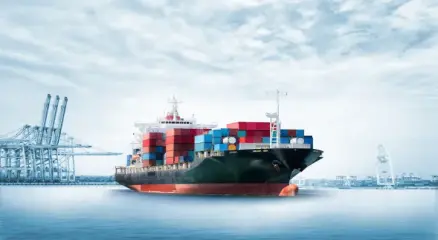
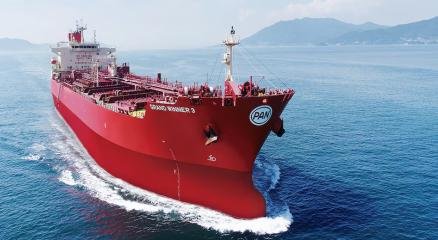
Pan Ocean has strengthened its push into the global crude tanker market with an order for four Very Large Crude Carriers (VLCCs), further accelerating the South Korean shipping company’s diversification beyond its traditional dry bulk operations. The Pan Ocean disclosed in a stock exchange filing that it plans to invest KRW 783.4 billion (approximately US$525 million) in the quartet of supertankers, translating to an estimated US$131 million per vessel. Deliveries are scheduled for the second half of 2030. While the shipyard involved in the contract has not yet been disclosed, the latest order marks another significant milestone in Pan Ocean’s growing tanker strategy after decades of operating primarily as a dry bulk shipping heavyweight. The company, controlled by the Harim Group, currently operates a fleet of more than 100 vessels, with dry bulk activities still accounting for nearly 60% of its overall business operations. However, the carrier has rapidly expanded its presence in crude transportation through a combination of newbuilding investments and fleet acquisitions. Earlier this year, Pan Ocean agreed to acquire 10 VLCCs operated by SK Shipping in a transaction valued at nearly US$700 million, substantially increasing its tanker market exposure. The company had also placed an order in 2025 for two VLCC newbuildings at HD Hyundai Heavy Industries, with deliveries expected in 2027, while additionally entering the VLCC newbuilding segment through a vessel order at Qingdao Beihai Shipbuilding. The latest investment underscores the continued attractiveness of the crude tanker segment for global shipowners amid evolving energy trade flows and long-term fleet diversification strategies.
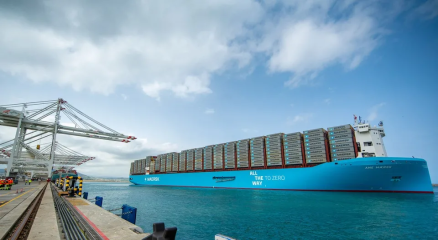

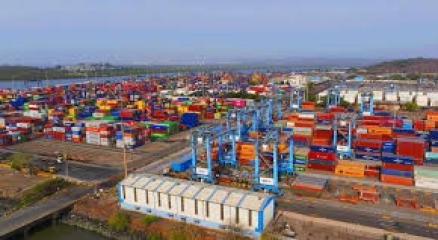
PSA Mumbai, the country’s largest container terminal located at Jawaharlal Nehru Port Authority (JNPA), has expanded its infrastructure with the inauguration of new Super Panamax Quay Cranes to improve cargo handling efficiency and boost port capacity. The inauguration ceremony was attended by PSA International Regional CEO Vincent Ng, PSA Mumbai Executive Director Ashwin Arvind and other dignitaries. The newly added cranes will enhance the operational capabilities of Bharat Mumbai Container Terminals Pvt. Ltd. (BMCTPL), helping increase container handling capacity, reduce vessel turnaround and strengthen logistics operations. Officials said the development highlights the growing collaboration between JNPA and PSA India in modernizing port infrastructure and establishing JNPA as one of India’s leading maritime gateways for global trade and commerce JNPA Inaugurates Advanced Cranes At India’s Largest Container Terminal PSA Mumbai, the country’s largest container terminal located at Jawaharlal Nehru Port Authority (JNPA), has expanded its infrastructure with the inauguration of new Super Panamax Quay Cranes to improve cargo handling efficiency and boost port capacity. The inauguration ceremony was attended by PSA International Regional CEO Vincent Ng, PSA Mumbai Executive Director Ashwin Arvind and other dignitaries. The newly added cranes will enhance the operational capabilities of Bharat Mumbai Container Terminals Pvt. Ltd. (BMCTPL), helping increase container handling capacity, reduce vessel turnaround and strengthen logistics operations. Officials said the development highlights the growing collaboration between JNPA and PSA India in modernizing port infrastructure and establishing JNPA as one of India’s leading maritime gateways for global trade and commerce. Follow CARGOCONNECT for more such updates.