
Loading...
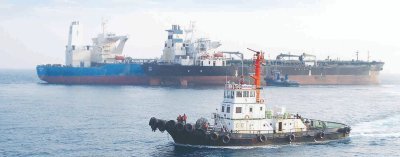
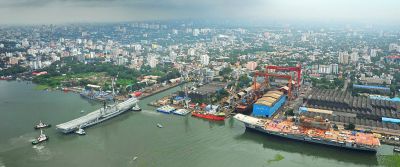
The Syama Prasad Mookerjee Port, Kolkata (SMPK), and the Haldia Dock Complex have experienced a notable downturn in cargo handling during the first half of the fiscal year 2024, reporting an 8.7% decline in combined cargo volumes. In stark contrast, 12 major ports across India collectively achieved a 5% increase in cargo handling during the same period.
Key to this decline is the substantial drop in coking coal volumes, which constitutes a major portion of the cargo for these ports. In the April-September 2024 period, coking coal handling plummeted by 33% compared to the previous fiscal year. SMPK handled 28.54 million tonnes (MT) of cargo in this timeframe, a decrease from 31.26 MT last year. The Kolkata Dock System (KDS) was hit particularly hard, with a significant 15.18% drop in tonnage, falling from 8.38 MT to 7.11 MT. Meanwhile, the Haldia Dock Complex recorded a 6.34% decline, with volumes dropping from 22.88 MT to 21.42 MT.
Notably, apart from SMPK, only Mormugao port in Goa recorded a cargo handling decrease of 5.67%. Conversely, the 12 major ports together processed 413.74 MT of cargo in the first half of FY24, up from 393.9 MT during the same period last year.
The primary factor contributing to SMPK's cargo decline is the diversion of coking coal shipments to nearby ports such as Paradip and the Adani-owned Dhamra, which offer deeper drafts. For instance, coking coal handling at SMPK dropped to 6.86 MT in H1FY24 from 10.22 MT in H1FY23, while Paradip's volumes increased by 1 MT to 8.4 MT.
The ongoing spike in seaborne bulk cargo rates, driven by geopolitical tensions in the Red Sea, has further exacerbated the situation. Importers have increasingly avoided anchorages like Sandheads, leading to decreased traffic. The limited draft at Haldia restricts larger vessels, significantly increasing logistics costs and limiting economies of scale for importers. SMPK officials remain hopeful that coking coal volumes will rebound with the onset of fair weather in October, potentially stabilizing operations.
Source: The Statesman

India has taken a significant step towards strengthening its maritime infrastructure and shipbuilding ecosystem with the signing of a landmark tripartite Memorandum of Understanding (MoU) for the development of the country’s first mega greenfield shipyard at Thoothukudi in Tamil Nadu. The project is expected to become a strategic catalyst for India’s ambitions under the Maritime Amrit Kaal Vision 2047. The agreement has been signed between HD Korea Shipbuilding & Offshore Engineering (HD KSOE), National Shipbuilding & Heavy Industries Park Tamil Nadu Limited (NSHIP-TN), and Sagarmala Finance Corporation Limited (SMFCL). The proposed facility will have an envisaged annual capacity of 2.5 million Gross Tonnage (GT), positioning it among the largest shipbuilding facilities in the country. Located in the strategically important port city of Thoothukudi, the mega shipyard is expected to significantly enhance India’s domestic shipbuilding capacity while reducing dependence on foreign shipyards for commercial and strategic vessel construction. Industry observers believe the project will strengthen India’s competitiveness in global maritime trade and logistics while supporting the government’s broader vision of positioning India among the world’s top five shipbuilding nations by 2047. Beyond infrastructure development, the project is expected to generate nearly 15,000 direct jobs once operations stabilise, along with thousands of indirect employment opportunities across ancillary manufacturing, logistics, marine engineering, and supply chain services. The shipyard will also serve as the anchor facility for the larger Thoothukudi Shipbuilding Cluster being developed in Tamil Nadu. The collaboration further reflects deepening India–South Korea maritime ties and is expected to facilitate technology transfer, workforce skilling, localisation of marine equipment manufacturing, and adoption of advanced green and digital shipbuilding technologies. Experts note that the project could accelerate the growth of a robust maritime supply chain ecosystem in southern India, benefiting logistics providers, exporters, and heavy engineering industries alike. With global demand for shipbuilding diversifying beyond traditional hubs, the Thoothukudi mega shipyard could emerge as a transformative project for India’s maritime economy and logistics sector in the coming decades.
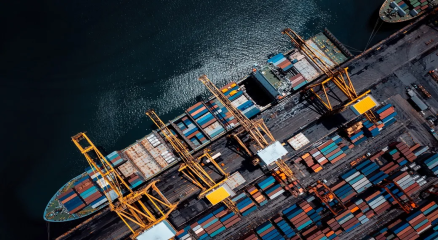

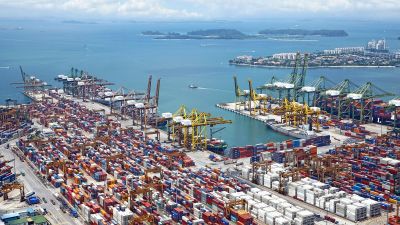
India's major ports experienced a very rare 3.2% year-on-year fall in cargo through October 2024, as official data showed. The total cargo handled at these 12 major ports fell to 68.22 million metric tonnes. A drastic fall in both crude oil and coal imports dragged down the figures. The overall cargo decreased mainly due to a decrease of 5.5% for overseas cargo, which consisted of 52.9 mmt. However, the domestic coastal shipping increased by 5.3% to 15.9 mmt. Crude oil, which comprised nearly 20% of the total cargo traffic, decreased by 8.8%, lowering to 12.9 mmt. The quantity of petroleum products also decreased, leading to the general decline. Its traffic, the most significant revenue earner, was down 13% versus last year, and declined even sharply because of the sharp fall in volumes of non-thermal coal. Yet, with the festival season, October usually witnesses higher cargo volume and the containerised volumes at the government-controlled ports were essentially flat with just a minus 0.2%. Contrasting that, India's overall merchandise exports grew by 17% as its pace marked a 28-month high led primarily by inventory build-up before Christmas and New Year time. On a positive note, private ports witnessed 5.7% growth in cargo volume to 64.2 mmt. Container volume at the private ports has seen an exponential growth of 21.5%, which actually speaks about festival season boosters. Adani Ports and Special Economic Zone, the largest private port operator in the country, reported an 8% Y-o-Y growth in total cargo handled, at 257.7 mmt, pulled up by 19% growth in container volumes and 9% liquid and gas cargo. As of the fiscal year 2024-25, traffic at major ports has increased by 3.9%, with the total touching 481 mmt. However, some individual ports saw drastic falls, as does the Kolkata Port that slipped down 25% in handling cargo whereas Visakhapatnam Port fell by 15.5% for October.
The Syama Prasad Mookerjee Port, Kolkata (SMPK), and the Haldia Dock Complex have experienced a notable downturn in cargo handling during the first half of the fiscal year 2024, reporting an 8.7% decline in combined cargo volumes. In stark contrast, 12 major ports across India collectively achieved a 5% increase in cargo handling during the same period. Key to this decline is the substantial drop in coking coal volumes, which constitutes a major portion of the cargo for these ports. In the April-September 2024 period, coking coal handling plummeted by 33% compared to the previous fiscal year. SMPK handled 28.54 million tonnes (MT) of cargo in this timeframe, a decrease from 31.26 MT last year. The Kolkata Dock System (KDS) was hit particularly hard, with a significant 15.18% drop in tonnage, falling from 8.38 MT to 7.11 MT. Meanwhile, the Haldia Dock Complex recorded a 6.34% decline, with volumes dropping from 22.88 MT to 21.42 MT. Notably, apart from SMPK, only Mormugao port in Goa recorded a cargo handling decrease of 5.67%. Conversely, the 12 major ports together processed 413.74 MT of cargo in the first half of FY24, up from 393.9 MT during the same period last year. The primary factor contributing to SMPK's cargo decline is the diversion of coking coal shipments to nearby ports such as Paradip and the Adani-owned Dhamra, which offer deeper drafts. For instance, coking coal handling at SMPK dropped to 6.86 MT in H1FY24 from 10.22 MT in H1FY23, while Paradip's volumes increased by 1 MT to 8.4 MT. The ongoing spike in seaborne bulk cargo rates, driven by geopolitical tensions in the Red Sea, has further exacerbated the situation. Importers have increasingly avoided anchorages like Sandheads, leading to decreased traffic. The limited draft at Haldia restricts larger vessels, significantly increasing logistics costs and limiting economies of scale for importers. SMPK officials remain hopeful that coking coal volumes will rebound with the onset of fair weather in October, potentially stabilizing operations. Source: The Statesman