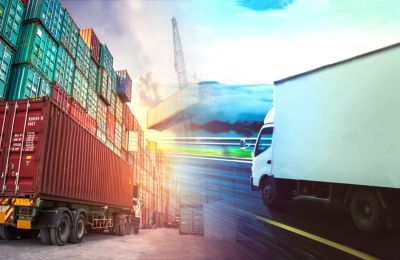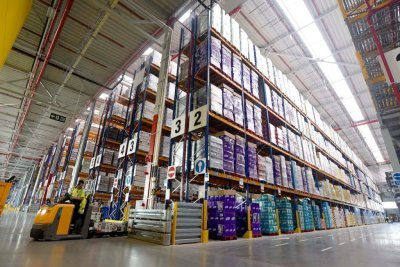
The importance of perishables and those who sell and transport them has immensely grown during the course of the COVID-19 pandemic. While the domestic demand has surged in the last few years for many food products, Indian shippers have been facing major issues including unskilled manpower, shortage of reefer trucks, capacity crunches and inadequate cold storage facilities. So the question is how to make India's perishable logistics market deliver, writes Ritika Arora Bhola
In India, ‘Perishables’ is believed to be the only commodity whose demand remained unhindered even during the disastrous crisis like COVID-19 pandemic. From Himachal Pradesh’s red apples, West Bengal and Uttar Pradesh’s famous potatoes, fresh dairy products to meat and poultry—the demand for perishables country-wide didn’t get affected and in fact, recorded an upsurge in growth in the last few years.
In fact, Indian consumers have also appreciated the undisrupted access to fresh foods especially during the lockdowns, even though the fears of potential food shortages, led some already nervous consumers to panic buying, which actually added pressures on the supply chains.
Notwithstanding the plethora of challenges thrown upon by the pandemic, the domestic perishables logistics industry did a commendable job of continuing with the robust and resilient supply chains of fruits and vegetables and other perishable products.
Key factors which have significantly contributed to this growth are Indian government’s ambitious plans and incentives and new focus on food preservation and transportation.The government has also laid out elaborate plans and incentives to support large scale investments essential for developing an effective and integrated cold chain infrastructure.
According to the reports, Indian cool chain industry will attract more overseas partners in the coming years to learn more about the market so as to take full advantage of the emerging opportunities.
In next 4-5 years Rs 21,000 crore is also believed to be invested in setting up or upgrading cold storages to address the problem of stockpiling of perishable commodities.
According to Crisil Research, investment of Rs 16,000-21,000 crore is being lined up in the sector between 2020 and 2023 for optimising the domestic post-harvest value chain and to feed the downstream food processing industry.
What drives Long-Run Growth?
According to Sanjay Sharma, Vice President- Corporate Sales and Distribution, Coldman Logistics, “Indian cuisine traditionally revolves around eating fresh and hence perishables play a significant role in Indian household. Moreover, the COVID-19 made Immunity the new buzzword making people consume more fruits and vegetables and hence we have been a significant jump in demand for perishables like fruits and vegetables. Our biggest challenge though, is to ensure that we make our reach from farm to household more efficient and faster ensuring least of wastage during transit and intermediary channels and keeping the freshness intact.”
“The pandemic has placed unprecedented stresses on food supply chains across farm labour, processing, transport, and logistics. It even created a momentous shift in demand. The perishables market was the most impacted,” says G Gopi, Regional Business Manager– South, Snowman Logistics.
“At present, as the situation is getting relaxed, there is an increase in the trade of perishable commodities at the global level. The ease of cross-border movement and government regulations are also enabling smooth trading, resulting in significant growth. Today, technological advancements in refrigerated systems, particularly technological solutions introduced by refrigerated transport service providers for reducing the environmental impact has also enabled ease of operations. Integration of multi-temperature systems is further projected to create growth opportunities for refrigerated transport service providers and frozen and chilled food product manufacturers.”
The demand for perishable goods has rapidly grown due to following reasons, as B Sumit Kumar, CEO, TCI Cold Chain Solutions points out:
Despite various challenges like capacity issues, less reefer trucks, inadequate infrastructure for cold storage facilities, etc. a study by Crisil expects the cold storage industry to grow at a CAGR of 13-15 per cent over fiscals 2020-23, mainly driven by rising demand for processed food, fresh fruits and vegetables, and seafood and bio-pharmaceuticals in exports markets.
Currently, 95 per cent of the cold storages are owned by the private sector, 3 per cent by cooperatives and the remaining 2 per cent by the public sector undertakings.
Since, bulk of the capacity is owned by the private sector, there is greater need for the central and state governments to rise up to the occasion and support the beleaguered industry, says industry analysts.
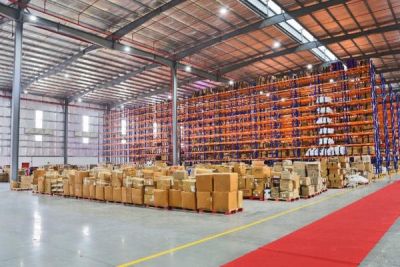
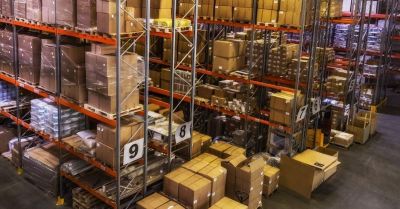
The current cold storage capacity in India is pegged at 37-39 million tonnes (MT). According to official statistics, there are about 7,645 cold storages in the country with 68 per cent of the capacity being used for potato, while 30 per cent is multi-commodity cold storage.
According to another recent study conducted by the Central Institute of Post-Harvest Engineering and Technology (CIPHET), India has wasted a whopping 16 per cent of its fruits and vegetables every year due to a weak cold chain infrastructure.
Analysts in this segment, say that the Indian perishable market requires around 1.5 to 2 lakh reefer trucks to meet the needs of perishables movement within the country.
“The beauty of logistics is that it shall reach wherever it smells demand. While LSPs are in every corner of the globe, the challenge for perishables in our country is the lack of intent to quality over price and this changes the whole game,” highlights Sharma.
“Perishables need a defined environment like temperature and humidity to sustain its quality and enhance its shelf life. This aspect is often overlooked at all channels of distribution leading to high level of wastage which costs more as compared to marginal investment on quality.”
Sharma is hopeful that over the next few years, demand for quality products by consumers will drive the logistics market for perishables and even tier II and tier III cities will see emergence of quality LSPs.
Kumar feels, the weakest link is the strength of the entire supply chain. “Normally when volume is sufficient then there are relatively lesser issues with regard to transportation. But, when it comes to lesser volume or erratic supply, it becomes challenging to provide best quality supply chain. We see in the case of tier II and III cities consistency of volume and leveled supply chain is a major challenge.”
“When the transport companies come with vanilla transport solution, it really creates panic into the system. Then and there, we need to see as how alternative methods can be applied to address these challenges. For example, one can use multi-temp vehicle where all type of perishables (frozen, chilled, and ambient) can move in one truck or use of passive cooling than active cooling methods like eutectics capsules. So, a dry truck can be converted to temperature-controlled truck by way of these recent technologies as and when needed.”
Taking cue of the same, “One of their largest concerns has always been the under-utilisation of the existing fleet and cold storages,” points Swarup Bose, CEO, Celcius Logistics Solutions.
“Due to the lack of a central network, a lot of the transporters are operating under losses as they have to wait for extended periods before their vehicles are loaded for a return trip. Moreover, the assets in the cold chain industry are 2.5 times more expensive than their counterparts in the dry logistics sector. There is a gap between the existing capacity and the requirement of an effective perishable logistics infrastructure.”
Bose argues that capacity shortage can be fulfiled if private participation is aggressively encouraged by the government.
“Perishable cargo spoilage due to insufficient and weak cold perishable logistics infrastructure is a problem. However, that issue can be addressed by adopting a public-private partnership (PPP) model to develop refrigerated transport infrastructure,” he adds.
Gopi agrees. “Transportation is the most challenging function in cold chain logistics. There is a gap between the existing capacity and the requirement of an effective perishable logistics infrastructure— warehouses, temperature-controlled trucks, LCVs, etc. across India.”
“Also, there are many incentive schemes available from the government for cold chain storage set up, but no viable schemes available for transportation at present,” Gopi says.
Importantly, according to Gopi, transporting perishables requires temperature-controlled environment till last-mile delivery. Given the small package sizes of products between tier II and III cities, the large costs incurred in transportation makes conventional solutions unviable for most stakeholders and forces them to break the cold chain or use potentially hazardous substances like dry-ice especially towards consumer/retail end of the chain. This severely impacts product quality.
Snowman, Gopi informs, has designed solutions especially for catering to small volume locations where there are no cold storages (small towns, talukas, villages, etc.) by using refrigerated containers, reach in freezers, etc. for effective temperature-controlled deliveries.
Government and stakeholder Initiatives and Updates
In the last few years, various efficient schemes and incentives have been laid out by the Indian government and private authorities for developing highly reliable and efficient cold chain infrastructure for transportation of perishables.
Reports indicate, MoFPI is striving to establish an integrated and seamless network of cold chain grid and infrastructure for the uninterrupted transfer of perishables from production to consumption areas/centres. This would maintain the safety, quality, and quantity and storage of perishable produce such as fruits and vegetables, dairy products, meat, fish marine, poultry, ready to eat food products.
MoFPI recently announced that 27 projects were approved in Inter-Ministerial Approval Committee (IMAC) meetings under the scheme for cold chain, value-addition and preservation infrastructure of PMKSY.
The projects have been approved across the states of Andhra Pradesh, Bihar, Gujarat, Haryana, Karnataka, Kerala, MP, Punjab, Rajasthan, Tamil Nadu, and Uttar Pradesh. These 27 new integrated cold chain projects will leverage a total investment of 743 crores for the creation of modern, innovative infrastructure and effective cold chain facilities for the food processing sector across the nation. These projects with a grant-in-aid of Rs 208 crores will help increase efficiency and sustainability in India’s food supply chain.
In fact, as many as 85 cold chain projects have been considered for financial assistance throughout the country to boost the government’s efforts towards bridging the gap in supply chain and building world-class cold chain infrastructure.
Recent findings by real-estate consulting firm CBRE stated that the cold storage segment in India is expected to witness significant growth over the next few years on the back of a strong consumer and industrial base. Following the COVID-19 outbreak, the demand for cold storage is being further fueled by a wider omnichannel distribution of food & grocery (F&G) across tier I and II cities in the country.
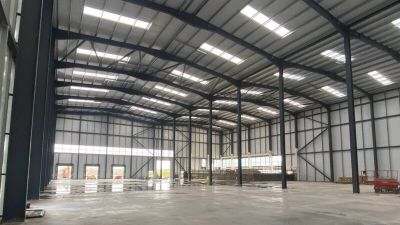
The overall cold storage real-estate stock in India is estimated to reach 1,400–1,500 million sq ft by 2023. The projected growth of F&G retail, dairy, food processing, and pharma industry over the next few years is likely to drive demand for cold storage and reduce product wastage. The emergence of the ‘cloud kitchen’ concept is also likely to boost demand for cold storage facilities.
CBRE has previously stated that government initiatives aim to reduce post-harvest waste, encourage investment, and improve logistics efficiencies to boost the overall cold storage capacity, value and RE stock.
Investment flows to developing India defy COVID-19
Indian perishables logistics market has gained immense foreign interest in the last few years mainly because the industry is believed to present vast opportunities for foreign companies to explore and invest more in this sector.
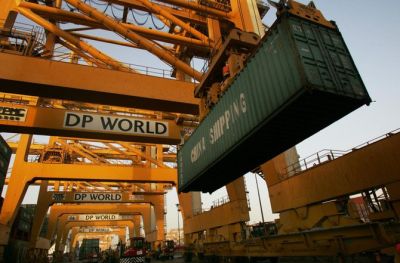
Leading international LSPs like Kuehne+Nagel, DHL, DP World, DB Schenker, etc. have been transporting perishables to and from the country. Consequently, Indian government and private authorities have also done incredible investments in improving the cold chain logistics infrastructure, which has caught the attention of the foreign investors.
“The cold chain industry is very big but mostly dominated by the unorganised players. International players can explore opportunities with organised players who can help them to expand their presence at national level or for getting into tier II and III cities,” Gopi says.
“In fact, perishable logistics market is huge and offers immense growth potential for all players.”
“Foreign companies can definitely play a significant role in bringing the knowledge and expertise on how to extend the shelf life of the products and create a demand for regional specific commodities globally,” also feels Sharma.
“Let’s take an example of a very basic technology called ‘pre-cooling’ which enhances the shelf life of fresh vegetables by multiple times but this is hardly been seen in use in our country. Each commodity needs a different kind of pre-cooling process to enhance its life but we are hardly using any. We can benefit from their knowledge and technique and ensure significant reduction in our food wastages,” he enlightens.
“Indian perishable logistics sector may be unorganised, but not necessarily gives vast opportunity,” feels Kumar.
“One needs to understand that the wastage in India is at the farm level. When farmer sees that the rate what he is getting is lesser than the transport cost from farm to the Mandis, he scraps produce at farmland itself. But all said and done, there are avenues where there is definite opportunity in better quality crop (global standards) and higher produce per hectare of land with new technology like drones, AI, and use of other advanced resources.”
“There is also scope in improving energy consumption and space optimisation in terms of storage, also there can be avenues to shift to ammonia-based refrigerant to CO2-based refrigerant, which is more environmentally-friendly.”
According to sector experts, the transition from conventional operational dynamics to the modern way of functioning has changed the face of perishable logistics in the last few years. And, despite the pandemic-induced operational challenges, the perishable logistics segment has witnessed significant growth.
However, in order to keep up with the growth momentum, the government needs to work upon skilling and training manpower employed in the industry. The government should also work towards aggressively attracting foreign investments in this sector. Offering subsidy on electricity tariffs to develop perishable logistics infrastructure is another route the government should explore.
Acknowledging the same, Kumar says, “Perishable logistics is growing double digits year-on-year. It is considered to be the pandemic and recession proof industry so relatively safe compared to other fields.”
Kumar highlights a few futuristic trends:
What it Means and to Whom it Matters!
Being a fast-moving category, the perishables supply chain requires much advanced technology intervention to ensure minimum spoilages.
“Perishable logistics is still in its nascent stage and would take another 3-5 years to create its impression among the primary users. Creation of quality infrastructure at the farm gate level will bring a huge transformation to this sector. The emerging technologies like solar based cold rooms, PCM-based technology and product traceability applications will define the future of perishable logistics,” Sharma notes.
“Demand is the biggest incentive for any business to thrive upon. We should look beyond financial incentives to create a sustainable cold chain infrastructure. We need to create demand for cold chain by educating the farmers and intermediary channels and the financial benefits they can derive by using an efficient cold chain logistics. Over the years, we have seen a marginal improvement in understanding the benefits of cold chain beyond potato and onions.”
“Organised retail and e-commerce has played a significant role in making users understand the significance of cold chain in ensuring quality products. Government and agricultural bodies can also play a significant role in bridging this knowledge gap, enabling the sector to grow beyond conventional commodities,” Sharma goes on.
Between adversities and hindered quality, Snowman has rise up to be the leader and always remained ahead and adapted well to the changing trends and in terms of integrating technology. The company has successfully incorporated a world-class ERP system that enables real-time traceability and complete tracking of trucks from Gate in/Gate out that helps optimise warehousing operations with 100 per cent inventory accuracy.
Further, in-vehicle and chamber temperature monitoring with alert systems ensures secure and timely measures for absolute accuracy and real time updates, thus, enhancing the customer experience.
Snowman has also introduced an online aggregation platform (SNOWLINK) that has enables it with fast and accurate responses from partners/shippers.
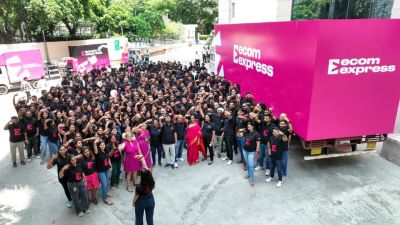
Ecom Express Limited, India’s sole pure-play B2C e-commerce logistics provider as of the Financial Year 2024, has introduced a new brand identity, underscoring its commitment to customer-centricity. This rebranding reflects a focus on addressing specific customer needs, prioritising customer-facing metrics, and integrating innovative technology across its nationwide express logistics network. The goal is to enhance speed, agility, and network reach, ensuring a customer-focused approach. The rebranding includes a dynamic logo and a refreshed visual identity, symbolising Ecom Express’s pursuit of excellence. The new logo features a forward-moving arrow within a square, representing the company’s dedication to delivery. The letter "E" in the logo stands for Expression, Innovation, and Progress, while the bold magenta colour signifies bravery, self-expression, and strength. This vibrant magenta reintroduction reflects Ecom Express's renewed commitment to customers, partners, and team members, as the company aims to simplify and democratise logistics for all. Ajay Chitkara, CEO and MD of Ecom Express, elaborated on the transformation, stating, “Our refreshed brand identity reaffirms our customer-first approach as we continue to integrate technology and innovation to provide reliable, high-speed services with the widest network reach. This transformation also underscores our commitment to our employees and delivery partners, who are essential to our business.” The new logo embodies Ecom Express’s dedication to its core values, focusing on customer welfare and fostering a diverse, inclusive environment. This rebranding signifies a promise to redefine logistics through advanced technology, making life easier for all types of customers.
The Federation of Freight Forwarders’ Associations in India (FFFAI) held its 6th EC Meeting for the term 2021-23 on May 27 and 28 in Bengaluru. The meeting was attended by the Office Bearers and 28 Member Association representative of FFFAI from across the country, there were many issues discussed and updates provided concerning customs, CBLR, EDI, Service Tax/GST, logistics, air cargo, sea cargo, skill development,importance of social media which FFFAI has expanded recently, technology developments, etc. The special focus of the 6th EC meeting was the updates on forthcoming 24th Biennial Convention of FFFAI to be held from August 12 to 14, 2022 in Chennai with the theme LOGISTICS RESHAPE, EMBRACE AND SURGE IN THE DIGITAL ERA. At this EC meeting, FFFAI also implemented Digital Learning platform for members and next generation for e-learning. It has been decided that FFFAI would initiate FIATA eFBL here in India to benefit the trade, which empowers customs brokers, freight forwarders and logistics service providers. In addition, updates on the recently held FIATA HQ Meet was also provided by the concerned members of FFFAI. FFFAI members present at this EC meeting stressed upon enhancing productivity on ICEGATE for trade facilitation and Ease of Doing Business. The FFFAI members also urged for creating a dedicated portal for LSP integration. As regard to skill development initiatives, IIFF’s (training arm of FFFAI) past and forthcoming training programmes (both online and classroom/physical) for the entire logistics industry were presented at the EC meeting. In addition, FFFAI’s various initiatives on capacity building through technology/IT also discussed withadequate importance. Recent activities of FFFAI Women’s Wing including organising interactive meetings with Government of India officials and industry experts were highlighted at this meeting which drew huge appreciation from the members. The members committed to expand the activities of the Women’s Wing in all the 28 member association locations to empower/encourage the women logistics practitioners. At this EC meeting FFFAI has signed an MoU with the National Institute of Industrial Engineering (NITIE) with an objective of skilling the aspiring candidates looking for opportunities in the logistics sector. Notably, a special session was organised at this 6th EC Meeting where N Sivasailam, former Special Secretary (Logistics), Ministry of Commerce, Government of India was present to address the FFFAI members and highlight the recent initiatives of the government in strengthening the logistics infrastructure, thereby leading in increase of international trade through multimodal connectivity and faster cargo clearance. He projected the ambitious growth potential of the logistics industry in India with a strong collaboration between government and industry people. Also speaking on the occasion was Bani Bhattacharya, IRS, who interacted with members of FFFAI on various initiatives of CBIC for the trade facilitation without human intervention. FFFAI Chairman Shankar Shinde thanked all the 28 associations for their support and appreciated the contribution of CBIC/DG systems trade facilitation measures. FFFAI Member Associations are: 1. Ahmedabad Custom Brokers' Association2. Aurangabad Customs House Agents Association3. Association of Custom House Agents Thiruvanthapuram4. Bangalore Custom House Agents Association5. Brihnamumbai Custom Brokers Association6. Calcutta Customs House Agents Association7. Chennai Customs House Agents Association8. Cochin Customs Brokers' Association9. Coimbatore Customs House and Steamer Agents Association10. Custom Brokers Association Hyderabad11. Delhi Customs Brokers Association12. Goa Custom Brokers Association13.Indore Customs House Agents Association14. The Kakinada Customs Brokers Association15. Kandla Custom Brokers Association16. Kanpur Customs Brokers Association17. Ludhiana Customs House Agents Association18. Mangalore Customs House Agents Association19. Mundra Customs Brokers Association20. Nagpur Customs House Agents Association21. Nashik Customs House Agents Association22. Nadia Custom Brokers Association23. Pipavav Custom Brokers Association24. Pune Customs House Agents Association25. Rajasthan Customs House Agents Association26.Tuticorin Custom Brokers Association27.Visakhapatnam Cusotms Brokers' Association28.West Bengal Custom House Agents Society FFFAI welcomes Women in Logistics/Youth in Logistics to participate on FFFAI forums and also invites membership application form logistics service providers in industry as this is a big national and international forum to network.
The Uttar Pradesh government is set to develop a multi-modal logistics hub (MMLH) in Greater Noida’s Dadri, investing Rs 7,064 crore to support its $1 trillion economy goal. This hub will cover 823 acres, with a core development area spanning 455 acres. Key developments include commercial and administrative facilities over 17.5 acres, a rail yard, and other projects across 350 acres. Under Chief Minister Yogi Adityanath’s directives, a detailed action plan has been designed to expedite these initiatives. The Dadri MMLH aims to become a world-class freight handling facility, functioning as a dry port to ensure the swift transit of goods and raw materials. This project is poised to be India's largest logistics hub. Located on the eastern and western dedicated freight corridors, it will serve as a central hub for container handling, warehousing, cold storage, processing, de-stuffing, stuffing, and value-added packing. Providing seamless rail connectivity, the hub will feature rail platforms, customs clearance facilities, cargo segregation areas, truck parking zones, and extensive green spaces. The project is being developed under the Public-Private Partnership (PPP) model, supervised by the Greater Noida Industrial Development Authority and adhering to the guidelines of the National Industrial Corridor Development and Implementation Trust (NICDIT). The Greater Noida Industrial Development Authority has prepared the Master Detailed Project Report (DPR) for constructing the approach track and Rail Over Rail (ROR) bridge from New Dadri station to the MMLH boundary. The Dedicated Freight Corridor Corporation of India (DFCCIL) has approved the DPR for railway tracks and terminal stations within the MMLH. Additionally, the tender documentation for land acquisition and signaling processes for the approach track has been finalized. Concurrently, the development of trunk infrastructure, including boundary work, roads, canals, bridges, utility relocation, and water and power supply, is progressing through various phases.
ESR India, the largest APAC focused industrial and logistics real estate platform, has inked a Memorandum of Understanding (MoU) with the Government of Tamil Nadu for a potential investment of INR 550 crores. The MOU is signed for the launch of two industrial parks in Kancheepuram and Krishnagiri districts of the state over the next five years. Once fully operational, the two projects have the potential to create over 4,400 jobs in the facility, that shall boost the overall socio-economic growth in the region. The MoU was signed at the Investment Conclave 2021 conference held today. It will facilitate ESR India’s proposed investment at Kancheepuram and Krishnagiri industrial parks by helping in streamlining land acquisition, approvals, clearances, and administrative processes as per existing policies, rules, and regulations of the Government of Tamil Nadu. The policy and regulatory reforms unveiled in recent times has accentuated the entry of international institutional players and has set new benchmarks for industrial developments in the country. Commenting on the development, Abhijit Malkani, CEO and Country Head, ESR India said, “We are delighted to announce our affiliation with the state government. The Government of Tamil Nadu has been very supportive in encouraging industrial developments in the state by creating a favourable business climate for industrial players. The MoU will see ESR invest INR 550 crores to develop industrial parks in Tamil Nadu, offering 1,800 direct and 2,600 indirect job opportunities in the facility.” “Our goals are aligned with the vision of the Tamil Nadu government, to create avenues to increase business and trade inclusion opportunities and employment towards garnering better economic growth in the region,” he further stated. ESR India is currently present across 9 cities and 15 locations with a total GFA of 18 mn sq ft. These state-of-the-art facilities will be developed upholding the best practices for ESG and sustainability.
The Uttar Pradesh government is set to develop a multi-modal logistics hub (MMLH) in Greater Noida’s Dadri, investing Rs 7,064 crore to support its $1 trillion economy goal. This hub will cover 823 acres, with a core development area spanning 455 acres. Key developments include commercial and administrative facilities over 17.5 acres, a rail yard, and other projects across 350 acres. Under Chief Minister Yogi Adityanath’s directives, a detailed action plan has been designed to expedite these initiatives. The Dadri MMLH aims to become a world-class freight handling facility, functioning as a dry port to ensure the swift transit of goods and raw materials. This project is poised to be India's largest logistics hub. Located on the eastern and western dedicated freight corridors, it will serve as a central hub for container handling, warehousing, cold storage, processing, de-stuffing, stuffing, and value-added packing. Providing seamless rail connectivity, the hub will feature rail platforms, customs clearance facilities, cargo segregation areas, truck parking zones, and extensive green spaces. The project is being developed under the Public-Private Partnership (PPP) model, supervised by the Greater Noida Industrial Development Authority and adhering to the guidelines of the National Industrial Corridor Development and Implementation Trust (NICDIT). The Greater Noida Industrial Development Authority has prepared the Master Detailed Project Report (DPR) for constructing the approach track and Rail Over Rail (ROR) bridge from New Dadri station to the MMLH boundary. The Dedicated Freight Corridor Corporation of India (DFCCIL) has approved the DPR for railway tracks and terminal stations within the MMLH. Additionally, the tender documentation for land acquisition and signaling processes for the approach track has been finalized. Concurrently, the development of trunk infrastructure, including boundary work, roads, canals, bridges, utility relocation, and water and power supply, is progressing through various phases.



Trade shows are mission-critical, high-investment events where logistics execution directly influences marketing ROI. Exhibitors spend months preparing for a few days on the floor, since a single missed delivery window can jeopardise the entire programme. In this environment, Less-Than-Truckload (LTL) trade show logistics is no longer just transportation; it is an orchestration of timing, compliance, risk control, and venue-specific expertise. While standard LTL carriers can handle general freight, elite trade show shippers excel because they are built for the ecosystem — understanding drayage, marshalling yards, target windows, live-loading rules, equipment constraints, and the high-value nature of exhibits. This updated guide unpacks the differentiators that set the best providers apart, enhanced with additional dimensions such as KPIs, risk mitigation frameworks, technology adoption, sustainability practices, and a practical vendor-evaluation checklist. The Key Differentiators of Elite Trade Show Shippers When shipping general freight, a standard LTL carrier may be sufficient. However, event logistics demand a higher level of specialised service. The top trade show shippers possess four key differentiators that distinguish them from the rest. Proactive and Specialised Support Trade shows operate on rigid move-in schedules tied to booth size, dock flow, and decorator rules. The strongest providers deploy dedicated trade show teams who can interpret show manuals, coordinate with decorators, and time deliveries to avoid re-handling fees. Best-in-class partners also: Pre-audit documentation and labels to avoid show-site rejections Manage drayage coordination to reduce dwell and material-handling charges Offer pre-receiving and staging at regional facilities for smoother Day-1 move-ins This advisory-driven model transforms logistics from a cost center into a risk-mitigation service. Flexible Coordination and Network Access Because no two events are alike, trade show logistics demand configurable access to LTL, FTL, hot-shot, air, and international capacity. Top providers match service levels, route constraints, and budget requirements by tapping into broad asset and partner networks. A sophisticated network allows for: Expedited or guaranteed-capacity moves for high-stakes shows Cost-effective options for booth materials that can stage early Lane-specific equipment (air-ride, liftgate, climate-controlled) This flexibility becomes essential during peak show seasons when capacity is tight and timelines narrow. Guaranteed Performance and Asset Protection Event deadlines are immovable. Leading providers commit to guaranteed on-time service, narrow ETA bands, and contingency planning across linehaul and last-mile execution. They also emphasise exhibit protection through: Air-ride suspension fleets Strapping, padding, and vibration-control practices Secure transport protocols for prototypes and LED/AV assets With show participation costs rising, damage and delay prevention become competitive differentiators. End-to-End Visibility and Services Real-time visibility is no longer optional. Tocay, exhibitors rely on it to make staffing, booth-build, and drayage decisions. The best LTL partners deliver: Live tracking from pickup to booth delivery API connectivity with exhibitor dashboards Pre-emptive exception alerts and delay recovery paths For international events, leading providers integrate customs documentation, Carnet handling, temporary import permits, and venue-specific rules, ensuring frictionless handoffs across borders. What Are the Best LTL Logistics Companies for Trade Shows? Several providers exemplify these differentiators. The following firms are selected based on their demonstrated strength in specialised show support, performance-oriented service design, event fluency, flexible coordination and comprehensive offerings that cover pre-show to teardown. 1. Green River Logistics Solutions A brokerage-led model with deep carrier reach, making it ideal for exhibitors with varied lane structures. Key strengths: Highly personalised coordination and single-point-of-contact support Flexible equipment sourcing — LTL, flatbed, refrigerated, heavy haul Real-time updates and precise timing for fragile builds 2. XPO Logistics A multinational leader with a controlled linehaul network and a dedicated Trade Show Desk. Key strengths: Tight schedule integrity Venue-specific coordination and dock navigation Strong performance management systems. 3. TWI Group A global exhibition logistics specialist excelling in international customs and venue compliance. Key strengths: ATA Carnet expertise and cross-border support On-site liaisons at major venues High-touch service model for global exhibitors 4. Averitt A time-definite, reliability-driven carrier focused on window compliance. Key strengths: Guaranteed performance Expertise with marshaling yards and dock appointments Rapid recovery for last-minute constraints 5. TTI Logistics A specialist for fragile and custom builds requiring maximum protection. Key strengths: Air-ride fleets and vibration-controlled handling Precision timing for target-move-ins Advanced security protocols Comparing the Top LTL Logistics Providers for Trade Shows These providers excel in different areas. This table offers a quick comparison of their key service features to help you align their strengths with your specific needs. New Strategic Enhancements Added for a Modern Exhibitor’s Playbook Technology Advancements Worth Evaluating AI-assisted ETA predictions Digital drayage coordination tools IoT-enabled condition monitoring for AV and prototype freight Automated warehouse cut-off compliance checks Risk-Mitigation Practices That Matter Pre-show risk audits Contingency rerouting plans Venue-specific compliance checklists High-value cargo insurance design Sustainability Expectations from Today’s Exhibitors Low-emission or EV linehaul and last-mile options Carbon-neutral freight programs Reusable or recyclable crating solutions Emissions dashboards linked to booth shipments Performance Metrics That Define Best-in-Class Providers On-time delivery to target windows Damage-free shipment percentage Visibility uptime SLA Drayage handoff accuracy Exception-resolution response time How to Vet Your Trade Show Logistics Partner Applying the key differentiators includes asking potential partners the right questions. When your program includes international stops, ask about their documentation process, how they manage Carnets and how visibility will work across handoffs. The following can further validate fit and execution discipline: What is your detailed experience with my venue and decorator? Can you guarantee delivery within target-window constraints? What risk-mitigation plan is activated if my freight misses staging cutoff? What specialised equipment will you use for fragile or custom exhibits? How do you integrate with drayage contractors and marshaling yards? Which visibility tools and tracking integrations are available? Can you manage international customs documentation end-to-end? What sustainability options can be applied to my show calendar? Your Partner Is Your Most Critical Exhibit A logistics provider is more than a freight handler; they are the enabler of your presence on the show floor. The right LTL partner combines timing discipline, technical fluency, equipment strength, and venue intelligence to protect your brand and maximise your event ROI. Elite trade show shippers don’t just move freight; they orchestrate flawless show execution.
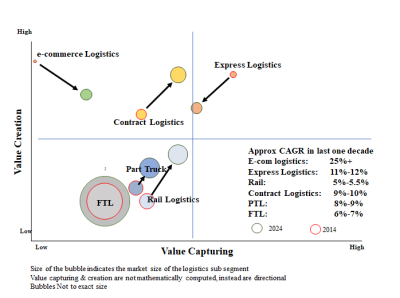


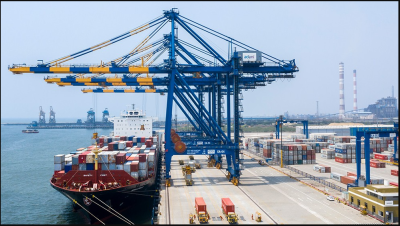
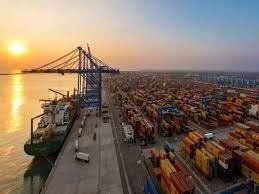
The expansion of Dammam Port in Saudi Arabia has taken a significant step towards strengthening trade relations between India and the Gulf region. The enhanced infrastructure and capacity of the port are set to benefit businesses and industries on both sides, facilitating smoother trade and commerce. The expansion of Dammam Port opens up new opportunities for Indian businesses to engage in import and export activities with the Gulf nations. It also serves as a strategic gateway for goods traveling to and from India, further improving the logistics and transportation landscape for businesses. The project showcases the commitment of both India and Saudi Arabia to enhance economic ties and boost bilateral trade. The increased port capacity will help meet the growing demand for trade between the two regions, ultimately contributing to the economic growth and prosperity of both nations.


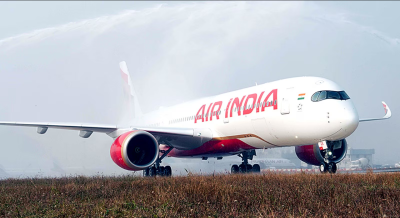
Air India is setting its sights on a promising future as the exclusive carrier for TATA's iPhone exports. This strategic partnership between the renowned Indian airline and the tech giant TATA promises to boost India's manufacturing and export capabilities. The collaboration will enable Air India to become the sole carrier for TATA's iPhone exports, facilitating the efficient transport of these popular devices to international markets. With a reputation for reliability and global reach, Air India is poised to play a crucial role in TATA's supply chain. The move not only strengthens the relationship between two major Indian companies but also underlines India's growing importance in the global technology and manufacturing sectors. Air India's role as the exclusive carrier for iPhone exports is expected to generate significant revenue for the airline and enhance India's position as a hub for high-tech exports.