The emergence of the new type of virus at the end of 2019 put significant pressure on the pharmaceutical industry. For the first time in the world’s history, the global pharma industry witnessed the daunting challenge of distributing medical equipment, PPE kits, vaccines and other critical drugs to as many people in the world as quickly as possible. Alongside this, they also needed to ensure that regular production of other medicines was able to continue to ensure treatments for other conditions were not impacted. Importantly, the rollout of COVID-19 vaccines was an elephantine task like no other full of potential pre- and post-production challenges. But to everyone’s surprise, the global pharma industry successfully combated all of those and proved its mettle—be it rigorous clinical trial programmes to confirm protection against SARS-CoV-2 virus in humans with the invention of vaccines, determining the best form of storage and transportation measures with the right cold chain strategies in place, then scaling up production up till now—thorough risk assessments and reviewing supply chain procedures that are key to building resilience.
Ritika Arora Bhola
Aside from responding to the immediate threats of the pandemic, pharma organisations had to adapt quickly to ensure that they can be resilient to disruption and work in more agile ways, both in a post-COVID environment and in preparation for a possible second wave of the virus. Preparing for multiple possible scenarios became the key to ensuring continuity and the management of risk no matter the situation.
Almost every pharmaceutical company started following suit during the COVID-19 pandemic, and using their own production and supply chain capabilities, tried to lighten the burden of coronavirus on people. GlobalData expects that each pharmaceutical company will find its own unique manufacturing and distribution strategy, as not doing so could lead to detrimental effects on reputation.
“Continuity in services and supplies related to healthcare industry become most crucial in a pandemic of such magnitude, which leads to great amount of pressure on pharma and healthcare supply chains. No doubt, the pharma industry has shown great amount of resilience while responding to such situation,” agrees Vikash Khatri, Founder, Aviral Consulting.
The intricacies of the pharmaceutical supply chain may not have been in the mainstream news a decade ago, but events of the last few years kicked this subject to front page news.
Prior to the pandemic, the industry faced immense pressure to police its own pricing irregularities and link its business results to public health. Another aspect of the industry that the pharmaceutical companies could not gain a hold of was consumer demand prediction, even before the pandemic struck. While it might seem strange for a sector rooted in daily medications and prescriptions to have issues with demand planning, this problem perplexed care providers and manufacturers.
Like other industries in the supply chain, the trends in the pharma supply chain pushed technology innovation and adoption but it is the COVID-19 crisis that made this more prominent. Understanding patient behaviors was considered an impossible dream, but newly integrated platform technologies are making this achievable.
Today, an ongoing industry effort across nations to rebalance the pharmaceutical supply chain is being energised by their respective government’s initiatives to ensure more domestic production of drugs and investment in digital transformation and automation that have become only more important and immediate as companies re-evaluate their supply chain solvency.
“COVID is once in a lifetime scenario but I would say there are so many instances that can disrupt the supply chain. I agree its country specific, but every continent/geography faces unforeseen circumstances that may occur at any given time. In my opinion, these challenges give us an edge to make supply chains shock proof, i.e. remodeling it so as to ensure minimal impact of the external environment,” says Bharat Bhushan Rathi, Head of Logistics at Mankind Pharma.
“Importantly, if we are in the lifesaving drugs manufacturing sector, then it's rather more important as risk are associated with human life and not just limiting to business continuity. We need to continuously evaluate our approaches to debottlenecking and process optimisation which gives a competitive advantage in the market.”
“From the last few months, major economies are now driving self-sufficiency agenda and recalibrating their global business models as COVID-19 has led to significant geo-economic and geopolitical shifts,” says Tushar Jani, Group Chairman at Cargo Service Centre.
“With vaccines and pharma becoming the need of the hour, the spotlight was turned on the pharma industry and by extension to the cold supply chain. No one thought the pharma industry would exhibit such capabilities, but since the players were determined to perform, the outbreak was not able to hinder progress. The pharma industry was quick to adapt to the changing demands and new restrictions. Building a more robust supply chain aided by the latest technology has been a major achievement.”
“Like every other, we also have had to review the way we did business and were put to test. But I am proud to say, we at Mumbai Cargo Service Centre Cold Chain Solutions Pvt Ltd (MCSCCCSPL) alone have handled thousands of tonnes of pharma cargo of which 72 million were COVID-19 doses.”
“There are enough reasons to believe that the existing supply chains have done a commendable job in transporting the pharma raw materials, FG medicines and medical equipment, and other formulations and aid right in time. Air and surface networks did very quick adaptations for transporting pharma goods which included deployment of passenger aircraft as freighter on domestic and international routes for carrying cargo on cabin and seat apart from the belly. A whole lot of reefer and regular trucks operated with pharma goods amid the harsh nationwide lockdowns, while the warehouses operated smoothly to support every possible movement,” says Gaurav Ghuwalewala, Director ofIndia-basedforwarding company EDS International.
“And, to be more specific, the pharma supply chains in India may be technologically nascent, but they are very adaptive and quickly evolved to respond and offer in-time solutions.”
Exploiting opportunities to Boost Performance of India
The Indian pharmaceutical and healthcare supply chains have been under the ‘Limelight’ ever since the COVID-19 crisis hit. The disruptions in the country’s healthcare supply chains are absolutely undesirable, as these supply chains are the singular saving grace for the supply of medical equipment, life-saving drugs, and today, COVID-19 medical essentials, oxygen concentrators, and vaccines in the world’s second populous nation and a rapidly growing sector that is on way to become global pharma hub.
Practically, there have been certain critical gaps and challenges which the Indian pharma supply chains had to overcome at short notice, most notably—inadequate cold chain infrastructure and transportation facilities, market fragmentation, lack of technology intervention and upgradation, apart from trained manpower.
Pharmaceutical cold chain management is an important aspect of the supply chain in the healthcare industry. The cold chain logistics services help the pharmaceutical and healthcare industries maintain a continual stock of drugs from suppliers and distributors across varied locations. The life of a lifesaving medicine can come to an end without proper preservation. What role medicine plays for human life, the same role is played by proper storage for a medicine.
“The cold supply chain sector is one that requires heavy investments. And this is something that not many logistics providers are ready to do,” Jani says, as he reassess the major impediments which have traditionally been existing in the Indian pharmaceutical cold supply chain and needs an urgent makeover.
Ghuwalewala also hints at the major challenges prevailing in the pharma and cold supply chain which needs immediate attention.
“The overall cold supply chain is comprised of a large number of small players who have technology issues and also are not updated with latest trends. They also lag in capital investment into technology.”
“Production by pharma companies is fragmented into many zones which are far away from cities and airports, thereby increasing the complexities. Meanwhile, there are infrastructure issues at airport facilities. The ever increasing product list and different requirements of product categories adds to the complexities that exist at warehouses and within transport systems. Power outages are already a threat to maintaining cold storages, and monitoring of temperature excursions in cold chain movements is a serious problem.”
“Also, many of the pharma raw materials/chemicals are regulated under DGR. Many times, these cannot be transported or are subject to additional regulations which many transporters are not aware of and updated.”
“India being a prominent generic manufacturer of pharma does have a mature pharma supply chain, but on the upstream side, excessive dependence on imports for API clearly indicates a concern for the industry. During initial days of the pandemic, the industry witnessed interrupted supplies of raw materials,” Khatri explains.
Meanwhile, on the domestic front, according to Khatri, downstream supply chain infrastructure is a challenge, especially at the last-mile level. “Most of the companies have very poor visibility post their CFA RDC/CFA level regarding both quality and quantity,” he says.
Technological advances, growth in supply and the ability to scale up or scale down the capacity will likely remain the key factors as long as the pharma supply chain remains. However, it goes without saying new areas, trends and initiatives will arise to predict the constant changing demands on infrastructure services.
So, the mainly question is how can India utilise the emerging opportunities to reorder its own domestic value chain network and emerge as a significant actor to allow more nations to become interdependent and associate with a large developing market?
India’s existing advantage of large-scale pharmaceutical production allows it to significantly leverage its soft power by investing in the outward growth of the healthcare sectors of other nations. It just requires close monitoring and planning of inventory levels, efficient storage and distribution processes, more tech embedment into processes and systems, and smoothing out the strains on last-mile capacity.
“The Indian pharma supply chain is evolving with each passing day but it still has a long way to go,” contends Bhushan.
“There is a gap in terms of lack of visibility/transparency across the value chain, i.e. real-time status is either not available or data sanctity which remains underutilised. Not only that, we have limited trained resources/manpower which make it even more difficult to survive. But, I see, as more and more professionals are now taking supply chain and logistics management as career, and technology startups joining the pharma industry, this gap is getting covered at a fast pace and in short time.”
Transparency and Market Fragmentation
India’s cold chain logistics market has been quite fragmented because of the presence of too many big and small players in the value chain to cater to the growing demand. And, serious consolidation is happening on this front from the last few years.
Jani highlights the same. “Some of the challenges in the market exist because of the lack of ownership or accountability due to fragmentation of the industry, inconsistent operating standards and conditions and the need for high capital investment.”
“One smart solution that have been implemented by bigger cold chain logistics companies is that they have tied up with hyper-local service providers and this has improved connectivity for them, while their local partners gets the taste of the technology and systems at play in the industry. This deal works for everyone. It's a win-win situation.”
Ghuwalewala agrees and says, “Consolidation and more sizeable investments have happened in the recent years across the supply chain domain including in the pharma cold chain space. This includes warehousing, surface transport, and on-airport facilities.”
“With a slew of freighters being added in India, we will soon see consolidation in the air cargo supply chain as well.”
To the extent that competition fragments a market, regulators however need to consider the adequacy of the transparency arrangements as well as the necessity and ability to enforce the same whenever required. This is important not only to optimising scope of services but also for the maintenance of efficient practices. For instance, competition results in fragmentation that leads to significantly different transparency levels across the market and/or excessively high costs for market participants and their customers.
With a similar perspective, Khatri says, “Without any doubt, there are numerous smaller and unorganised players in the market. But at a business model level, we need to understand overall ecosystem and regulatory framework for their existence and success. Until effectuated, there cannot be any consolidation trend.”
Rathi says, “It's not easy for one player to provide customised region-specific services, but yes, there is the need for one common platform which can standardise the services of all regional players. Something that will guarantee standardisation across all service providers and support for reliable and timely delivery of services.”
I don't personally see there will be too much effect on consolidation of services as India is geographically diverse country,” he adds.
Continued expansion of Cold Chain Infrastructure
The pandemic has made the industry take a turn for the good. Pharmaceutical companies are now demanding more transparency while their shipments are in transit. This has led logistics service providers to look for facilities provide the required level of monitoring and tracking. This speaks for itself about the need of the industry to go beyond simply tracking the shipment. A thoroughly temperature-mapped facility that provides the stakeholders down the supply chain with information that ensures their products are safe.
Not only this, cold storage for pharmaceuticals requires high-tech equipment to meet the needs of different drugs. Even drugs that are safe at room temperature may need protocols to avoid the risks associated with ambient temperatures. Today, logistics providers receive more requests for controlled room temperatures (CRT) which include the use of insulated containers, refrigerants, thermal blanketing, and temperature-monitoring electronics.
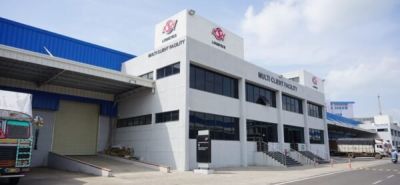
CSC already has the right infrastructure in place and the TURANT-CSC application provides round the clock temperature and tracking details to customers.
“At MCSCCSPL, we are always on the lookout for options that will put our customers at ease that their shipments are being handled carefully. Our flagship tracking and monitoring app TURANT-CSC has been developed for this purpose. The entire facility has been temperature mapped to identify the hot spots and cold spots spread within. This is a time and effort extensive exercise. We took this exercise as a step forward and started monitoring the temperatures at these spots. We extended this visibility to our customers in real-time.”
“Over a period of time, share of pharmaceutical shipments requiring cold chain environment is increasing with more and more bio-similar drugs, but cold chain infrastructure in terms of standards to handle growing pharma shipments pose as a weak link in the overall supply chain,” says Khatri.
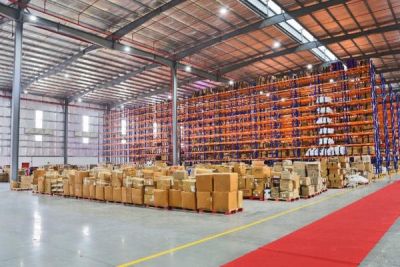
“Although India has 37 million sq ft of cold storage capacity, but out of this most of the capacity is for agri products and less than 1% is contributed for pharma industry.”
“Even in such small storage capacity, there are many weak links, where quality of infrastructure is not up to the mark. In case of transportation, situation is much worse at level of secondary distribution and last-mile. But, it’s a relief to see improvements in infrastructure around cold chain transportation and warehousing from the past few years,” adds Khatri.
Ghuwalewala says, “Consolidation and investments in surface network have also led to substantial cold chain warehouses being set up. In recent times privatisation of airports has led to many cargo complexes getting dedicated cold storages. But, still a lot of addition has to be done to match the infrastructure to the expectations of the pharma industry.”
Rathi takes into account the same. “In recent past, things have changed to a great extent as large amount of investments were floated in the sector. At present, we can say that we have sufficient resources available in A class cities and also infrastructure within B Class cities have improved, but a lot of work is still pending. To offer good healthcare facilities to the entire nation, companies need to penetrate further in B and C class cities, which I absolutely believe will be the future playground for all players.”
Future Forward
Pharmaceutical products are also highly susceptible to temperature and time constraints, making cold chain a key requirement for this industry. In the present scenario where safe delivery of vaccines for mass immunisation against COVID-19 is an absolute priority, the cold chain is in huge demand as evident.
Today, pharmaceutical manufacturers themselves have adopted an unwavering focus on quality and product sensitivity. Transportation, storage and delivery of temperature-controlled pharmaceutical products and medical devices are already witnessing considerable growth. With that, the entire cold supply chain and logistics for the pharmaceutical industry is becoming more strategic and reliable.
Furthermore, future trends in this sector would include built-to-suit (BTS) assets with superior building specifications, diversity in cold storage offerings catering to higher-value commodities and use of sustainable solutions for reducing operational costs.
While all of the above factors are key drivers for growth of the sector, largely brought about due to the global pandemic, the renewed push for manufacturing and vocal for local initiatives are going further to ensure there is a continuous impetus for growth, in the post-COVID era.
Rathi agrees. “State-of-the-art infrastructure that is an amalgamation point for trained manpower and intelligent systems that facilitates real-time visibility across the network with standard operational procedures for safety and reliability is the key to building a strong ecosystem, which needs to be backed by top-class service providers.”
“Today, with the entry of e-commerce, Indian logistics market has been changed drastically and with regards to pharma, a lot of investments have been made by both the government and global private investors, which is one of the biggest reasons that the Indian pharma market is estimated to reach US$150 bn by 2030, making it an even more lucrative area to invest,” he adds.
Last but not least, automation in warehousing and use of AI and ML enabled robotics processes to ensure efficacy and speed will be rapidly adopted by the service providers to fine-tune logistics management.
Ghuwalewala says the two major changes coming in the near future are—a lot of advanced technology integration to offer more real-time visibility which will ultimately bolster shipper’s confidence, and small to medium ULDs which will infuse ‘plug and play’ infrastructure for maintaining an efficient cold chain in pharma air freight.
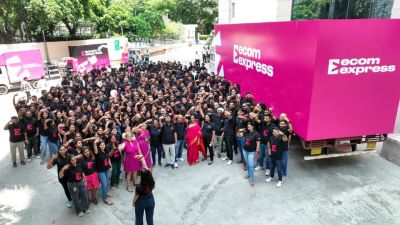
Ecom Express Limited, India’s sole pure-play B2C e-commerce logistics provider as of the Financial Year 2024, has introduced a new brand identity, underscoring its commitment to customer-centricity. This rebranding reflects a focus on addressing specific customer needs, prioritising customer-facing metrics, and integrating innovative technology across its nationwide express logistics network. The goal is to enhance speed, agility, and network reach, ensuring a customer-focused approach. The rebranding includes a dynamic logo and a refreshed visual identity, symbolising Ecom Express’s pursuit of excellence. The new logo features a forward-moving arrow within a square, representing the company’s dedication to delivery. The letter "E" in the logo stands for Expression, Innovation, and Progress, while the bold magenta colour signifies bravery, self-expression, and strength. This vibrant magenta reintroduction reflects Ecom Express's renewed commitment to customers, partners, and team members, as the company aims to simplify and democratise logistics for all. Ajay Chitkara, CEO and MD of Ecom Express, elaborated on the transformation, stating, “Our refreshed brand identity reaffirms our customer-first approach as we continue to integrate technology and innovation to provide reliable, high-speed services with the widest network reach. This transformation also underscores our commitment to our employees and delivery partners, who are essential to our business.” The new logo embodies Ecom Express’s dedication to its core values, focusing on customer welfare and fostering a diverse, inclusive environment. This rebranding signifies a promise to redefine logistics through advanced technology, making life easier for all types of customers.
The Federation of Freight Forwarders’ Associations in India (FFFAI) held its 6th EC Meeting for the term 2021-23 on May 27 and 28 in Bengaluru. The meeting was attended by the Office Bearers and 28 Member Association representative of FFFAI from across the country, there were many issues discussed and updates provided concerning customs, CBLR, EDI, Service Tax/GST, logistics, air cargo, sea cargo, skill development,importance of social media which FFFAI has expanded recently, technology developments, etc. The special focus of the 6th EC meeting was the updates on forthcoming 24th Biennial Convention of FFFAI to be held from August 12 to 14, 2022 in Chennai with the theme LOGISTICS RESHAPE, EMBRACE AND SURGE IN THE DIGITAL ERA. At this EC meeting, FFFAI also implemented Digital Learning platform for members and next generation for e-learning. It has been decided that FFFAI would initiate FIATA eFBL here in India to benefit the trade, which empowers customs brokers, freight forwarders and logistics service providers. In addition, updates on the recently held FIATA HQ Meet was also provided by the concerned members of FFFAI. FFFAI members present at this EC meeting stressed upon enhancing productivity on ICEGATE for trade facilitation and Ease of Doing Business. The FFFAI members also urged for creating a dedicated portal for LSP integration. As regard to skill development initiatives, IIFF’s (training arm of FFFAI) past and forthcoming training programmes (both online and classroom/physical) for the entire logistics industry were presented at the EC meeting. In addition, FFFAI’s various initiatives on capacity building through technology/IT also discussed withadequate importance. Recent activities of FFFAI Women’s Wing including organising interactive meetings with Government of India officials and industry experts were highlighted at this meeting which drew huge appreciation from the members. The members committed to expand the activities of the Women’s Wing in all the 28 member association locations to empower/encourage the women logistics practitioners. At this EC meeting FFFAI has signed an MoU with the National Institute of Industrial Engineering (NITIE) with an objective of skilling the aspiring candidates looking for opportunities in the logistics sector. Notably, a special session was organised at this 6th EC Meeting where N Sivasailam, former Special Secretary (Logistics), Ministry of Commerce, Government of India was present to address the FFFAI members and highlight the recent initiatives of the government in strengthening the logistics infrastructure, thereby leading in increase of international trade through multimodal connectivity and faster cargo clearance. He projected the ambitious growth potential of the logistics industry in India with a strong collaboration between government and industry people. Also speaking on the occasion was Bani Bhattacharya, IRS, who interacted with members of FFFAI on various initiatives of CBIC for the trade facilitation without human intervention. FFFAI Chairman Shankar Shinde thanked all the 28 associations for their support and appreciated the contribution of CBIC/DG systems trade facilitation measures. FFFAI Member Associations are: 1. Ahmedabad Custom Brokers' Association2. Aurangabad Customs House Agents Association3. Association of Custom House Agents Thiruvanthapuram4. Bangalore Custom House Agents Association5. Brihnamumbai Custom Brokers Association6. Calcutta Customs House Agents Association7. Chennai Customs House Agents Association8. Cochin Customs Brokers' Association9. Coimbatore Customs House and Steamer Agents Association10. Custom Brokers Association Hyderabad11. Delhi Customs Brokers Association12. Goa Custom Brokers Association13.Indore Customs House Agents Association14. The Kakinada Customs Brokers Association15. Kandla Custom Brokers Association16. Kanpur Customs Brokers Association17. Ludhiana Customs House Agents Association18. Mangalore Customs House Agents Association19. Mundra Customs Brokers Association20. Nagpur Customs House Agents Association21. Nashik Customs House Agents Association22. Nadia Custom Brokers Association23. Pipavav Custom Brokers Association24. Pune Customs House Agents Association25. Rajasthan Customs House Agents Association26.Tuticorin Custom Brokers Association27.Visakhapatnam Cusotms Brokers' Association28.West Bengal Custom House Agents Society FFFAI welcomes Women in Logistics/Youth in Logistics to participate on FFFAI forums and also invites membership application form logistics service providers in industry as this is a big national and international forum to network.
Building a visionary company requires one percent vision and 99 percent alignment. This analogy resonates deeply when we compare the process of building a company to conducting a symphony orchestra. Just as a conductor leads musicians to create a harmonious masterpiece, a successful business and its management fosters alignment among team members to achieve extraordinary success. In the business world, this vision translates into a clear understanding of where the company wants to go and what it aspires to achieve. The one percent of vision acts as the guiding force that sets the stage for greatness. However, a conductor alone cannot create a symphony. The true magic lies in the collective effort of the musicians, each playing their part to perfection. Similarly, in a visionary company, alignment becomes paramount. Every team member needs to be facing in the right direction, equipped with the right skills, and focused on delivering the right results at the right time. By fostering alignment, harnessing the diverse talents within the team, and continuously fine-tuning performance, savvy teams and visionary leaders carry the potential to transform their companies into harmonious and successful organisations that resonate with greatness. Embracing the power of alignment, inspiring teams with a clear vision, and actively cultivating an environment where every member can contribute their unique talents, RE Rogers India has over the years formed an indispensable pillar of business triumph. Most recently, the company orchestrated a symphony of success handling over 300 events in the fiscal year 2023. Four of these were mammoth events taking place in four different cities at around the same time frame. And these were not merely gatherings, they were milestones. The four gigantic events (CPHI and PMEC 2023 – 28 to 30 November at India Expo Centre, Noida; ENGIMACH 2023 – 6 to 10 December at Helipad Exhibition Centre, Gandhinagar, Gujarat; EXCON 2023 – 12 to 16 December at Bangalore International Exhibition Centre, Bengaluru; PLASTIVISION 2023 – 7 to 11 December at Bombay Exhibition Centre, Mumbai) entailed approximately 650 on-ground manpower, 4300 packages, 370 equipment display, and 3600 vehicles. The symphony of greatness bubbled up in RE Rogers India's operational procedures and functions, and the teams and management leadership soared to create a masterpiece of lasting success as always. "To our heroes who faced the challenges head-on in handling their jobs with total finesse, and to our valuable customers who trusted us blindly during our busiest period pan-India: A HUGE THANK YOU!," the RE Rogers India team was quoted expressing in a LinkedIn post. As the demand for large-scale events and exhibitions continues to rise, the need for comprehensive and reliable exhibition logistics services has never been more critical. In India, where the exhibition industry thrives, one name stands out among the rest — RE Rogers India — who have been delivering unparalleled logistical solutions tailored to the unique demands of the exhibition sector. RE Rogers India have years of first-hand, specialist experience in handling every aspect of exhibitions, ranging from freight forwarding, transportation, customs formalities, secure handling of materials, on-time delivery and site assistance and supervision. Remember that logistics is not just about getting your materials from point A to point B; it’s about ensuring a seamless and stress-free experience for everyone involved in your exhibition, from exhibitors to attendees. So, if you partner with RE Rogers India, you’re not just hiring a logistics company; you’re bringing a dedicated and reliable team on board to ensure your exhibition materials reach their destination in perfect condition and on time. Having served a variety of clients from both the domestic and international arena, the company has developed deep understanding of the unique challenges of delivering time-critical goods in the face of huge crowds, open day pressure, and complex logistical requirements. RE Rogers India fully understands the value of complete exhibition sets in terms of the clients’ reputation and market standing, ranging from trade show booths, exhibits, and other equipment, which include wooden panels, steel frames, prefabricated designs, bunk houses, E-houses, printed material, lights, electronic items and other display resources. The company therefore takes utmost care to pay close attention to critical things like packing, loading, storing, lifting, etc. so as to eliminate any chance of damage. Due diligence is also exercised in choosing optimum and fastest mode of transport to enable the materials to reach the venue well in time, so as to facilitate timely set-up by the clients team at the venue. Post-exhibition, pick-up and delivery back to the shipper is also handled. With RE Rogers India as your esteemed logistics partner, you can focus on wowing your audience and making the most of your exhibition experience. Under the astute leadership of Ravinder Sethi, RE Rogers India is not just reaching new heights; it is setting successive benchmarks. With the innate ability to see through the intricacies and a commitment to perfection down to the minutest detail, Sethi has steered the company towards a trajectory of unparalleled success. His visionary approach complemented by the team's meticulous attention to excellence have become the driving force behind RE Rogers' ascent in the events and exhibition logistics sector. The collective efforts of Sethi and his entire team continue to sculpt a legacy of precision and excellence in the world of logistics that remains exciting, challenging and rewarding.
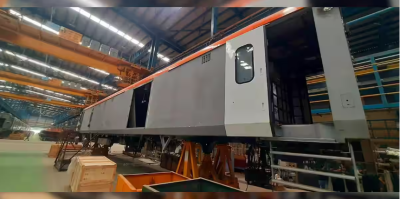
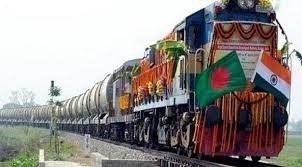
A significant milestone has been achieved in the Indo-Bangla railway project with the inauguration of the inaugural freight train connecting Bangladesh's Gangasagar to Tripura's Nischintanpur. This momentous event marks a significant step forward in strengthening the rail connectivity between the two neighboring countries. The new railway connection is set to enhance trade and commerce between India and Bangladesh, providing a more efficient and cost-effective mode of transportation for goods. It will not only boost bilateral trade but also promote economic development in the region by opening up new opportunities for businesses and industries. The Indo-Bangla railway project is part of a broader effort to improve connectivity and foster closer ties between the two nations. It is expected to play a vital role in facilitating the movement of goods and passengers, ultimately contributing to the economic growth and prosperity of both countries.
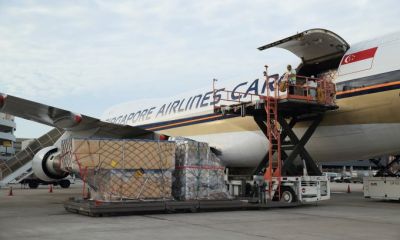
Singapore’s Changi Airport is sharpening its focus on pharmaceuticals and e-commerce shipments to navigate constrained cargo capacity until planned expansion in the 2030s. According to Lim Ching Kiat, Executive Vice President of Air Hub and Cargo Development at Changi Airport Group, current facilities face mounting pressure due to growing regional demand, necessitating strategic tenant and cargo type management. E-commerce continues to be a key growth driver for air cargo globally, fueled by major players like Shein, Temu, and TikTok Shop. At the same time, Singapore is solidifying its position as Southeast Asia’s preferred pharmaceutical hub, attracting investments from global biopharma giants such as Thermo Fisher, Sanofi, BioNTech, and MSD. Looking ahead, Changi Airport plans to launch a second logistics park by the 2030s, aiming to increase its annual cargo capacity from 3 million tons to 5.4 million tons. The new free trade zone will further expedite cargo handling and redistribution. In 2024, Changi Airport reported handling 1.99 million tons of airfreight, a 14.6% rise from 2023, driven by robust cross-border e-commerce demand, improved trade routes with China and the U.S., and recovering electronics exports. Top air cargo markets included China, Australia, the U.S., Hong Kong, and India.



Trade shows are mission-critical, high-investment events where logistics execution directly influences marketing ROI. Exhibitors spend months preparing for a few days on the floor, since a single missed delivery window can jeopardise the entire programme. In this environment, Less-Than-Truckload (LTL) trade show logistics is no longer just transportation; it is an orchestration of timing, compliance, risk control, and venue-specific expertise. While standard LTL carriers can handle general freight, elite trade show shippers excel because they are built for the ecosystem — understanding drayage, marshalling yards, target windows, live-loading rules, equipment constraints, and the high-value nature of exhibits. This updated guide unpacks the differentiators that set the best providers apart, enhanced with additional dimensions such as KPIs, risk mitigation frameworks, technology adoption, sustainability practices, and a practical vendor-evaluation checklist. The Key Differentiators of Elite Trade Show Shippers When shipping general freight, a standard LTL carrier may be sufficient. However, event logistics demand a higher level of specialised service. The top trade show shippers possess four key differentiators that distinguish them from the rest. Proactive and Specialised Support Trade shows operate on rigid move-in schedules tied to booth size, dock flow, and decorator rules. The strongest providers deploy dedicated trade show teams who can interpret show manuals, coordinate with decorators, and time deliveries to avoid re-handling fees. Best-in-class partners also: Pre-audit documentation and labels to avoid show-site rejections Manage drayage coordination to reduce dwell and material-handling charges Offer pre-receiving and staging at regional facilities for smoother Day-1 move-ins This advisory-driven model transforms logistics from a cost center into a risk-mitigation service. Flexible Coordination and Network Access Because no two events are alike, trade show logistics demand configurable access to LTL, FTL, hot-shot, air, and international capacity. Top providers match service levels, route constraints, and budget requirements by tapping into broad asset and partner networks. A sophisticated network allows for: Expedited or guaranteed-capacity moves for high-stakes shows Cost-effective options for booth materials that can stage early Lane-specific equipment (air-ride, liftgate, climate-controlled) This flexibility becomes essential during peak show seasons when capacity is tight and timelines narrow. Guaranteed Performance and Asset Protection Event deadlines are immovable. Leading providers commit to guaranteed on-time service, narrow ETA bands, and contingency planning across linehaul and last-mile execution. They also emphasise exhibit protection through: Air-ride suspension fleets Strapping, padding, and vibration-control practices Secure transport protocols for prototypes and LED/AV assets With show participation costs rising, damage and delay prevention become competitive differentiators. End-to-End Visibility and Services Real-time visibility is no longer optional. Tocay, exhibitors rely on it to make staffing, booth-build, and drayage decisions. The best LTL partners deliver: Live tracking from pickup to booth delivery API connectivity with exhibitor dashboards Pre-emptive exception alerts and delay recovery paths For international events, leading providers integrate customs documentation, Carnet handling, temporary import permits, and venue-specific rules, ensuring frictionless handoffs across borders. What Are the Best LTL Logistics Companies for Trade Shows? Several providers exemplify these differentiators. The following firms are selected based on their demonstrated strength in specialised show support, performance-oriented service design, event fluency, flexible coordination and comprehensive offerings that cover pre-show to teardown. 1. Green River Logistics Solutions A brokerage-led model with deep carrier reach, making it ideal for exhibitors with varied lane structures. Key strengths: Highly personalised coordination and single-point-of-contact support Flexible equipment sourcing — LTL, flatbed, refrigerated, heavy haul Real-time updates and precise timing for fragile builds 2. XPO Logistics A multinational leader with a controlled linehaul network and a dedicated Trade Show Desk. Key strengths: Tight schedule integrity Venue-specific coordination and dock navigation Strong performance management systems. 3. TWI Group A global exhibition logistics specialist excelling in international customs and venue compliance. Key strengths: ATA Carnet expertise and cross-border support On-site liaisons at major venues High-touch service model for global exhibitors 4. Averitt A time-definite, reliability-driven carrier focused on window compliance. Key strengths: Guaranteed performance Expertise with marshaling yards and dock appointments Rapid recovery for last-minute constraints 5. TTI Logistics A specialist for fragile and custom builds requiring maximum protection. Key strengths: Air-ride fleets and vibration-controlled handling Precision timing for target-move-ins Advanced security protocols Comparing the Top LTL Logistics Providers for Trade Shows These providers excel in different areas. This table offers a quick comparison of their key service features to help you align their strengths with your specific needs. New Strategic Enhancements Added for a Modern Exhibitor’s Playbook Technology Advancements Worth Evaluating AI-assisted ETA predictions Digital drayage coordination tools IoT-enabled condition monitoring for AV and prototype freight Automated warehouse cut-off compliance checks Risk-Mitigation Practices That Matter Pre-show risk audits Contingency rerouting plans Venue-specific compliance checklists High-value cargo insurance design Sustainability Expectations from Today’s Exhibitors Low-emission or EV linehaul and last-mile options Carbon-neutral freight programs Reusable or recyclable crating solutions Emissions dashboards linked to booth shipments Performance Metrics That Define Best-in-Class Providers On-time delivery to target windows Damage-free shipment percentage Visibility uptime SLA Drayage handoff accuracy Exception-resolution response time How to Vet Your Trade Show Logistics Partner Applying the key differentiators includes asking potential partners the right questions. When your program includes international stops, ask about their documentation process, how they manage Carnets and how visibility will work across handoffs. The following can further validate fit and execution discipline: What is your detailed experience with my venue and decorator? Can you guarantee delivery within target-window constraints? What risk-mitigation plan is activated if my freight misses staging cutoff? What specialised equipment will you use for fragile or custom exhibits? How do you integrate with drayage contractors and marshaling yards? Which visibility tools and tracking integrations are available? Can you manage international customs documentation end-to-end? What sustainability options can be applied to my show calendar? Your Partner Is Your Most Critical Exhibit A logistics provider is more than a freight handler; they are the enabler of your presence on the show floor. The right LTL partner combines timing discipline, technical fluency, equipment strength, and venue intelligence to protect your brand and maximise your event ROI. Elite trade show shippers don’t just move freight; they orchestrate flawless show execution.
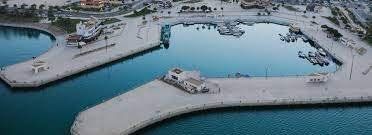
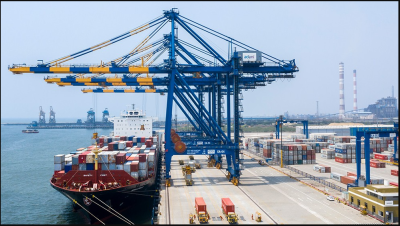
The expansion of Dammam Port in Saudi Arabia has taken a significant step towards strengthening trade relations between India and the Gulf region. The enhanced infrastructure and capacity of the port are set to benefit businesses and industries on both sides, facilitating smoother trade and commerce. The expansion of Dammam Port opens up new opportunities for Indian businesses to engage in import and export activities with the Gulf nations. It also serves as a strategic gateway for goods traveling to and from India, further improving the logistics and transportation landscape for businesses. The project showcases the commitment of both India and Saudi Arabia to enhance economic ties and boost bilateral trade. The increased port capacity will help meet the growing demand for trade between the two regions, ultimately contributing to the economic growth and prosperity of both nations.

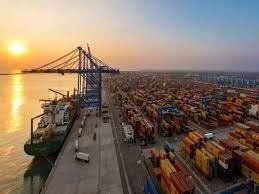
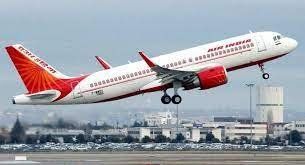
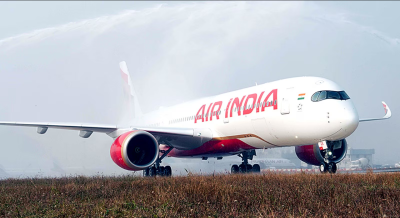
Air India is setting its sights on a promising future as the exclusive carrier for TATA's iPhone exports. This strategic partnership between the renowned Indian airline and the tech giant TATA promises to boost India's manufacturing and export capabilities. The collaboration will enable Air India to become the sole carrier for TATA's iPhone exports, facilitating the efficient transport of these popular devices to international markets. With a reputation for reliability and global reach, Air India is poised to play a crucial role in TATA's supply chain. The move not only strengthens the relationship between two major Indian companies but also underlines India's growing importance in the global technology and manufacturing sectors. Air India's role as the exclusive carrier for iPhone exports is expected to generate significant revenue for the airline and enhance India's position as a hub for high-tech exports.