Loading...

DHL Global Forwarding has strengthened its air freight network across Asia and Europe with the introduction of a new dedicated freighter service connecting Hong Kong, Navi Mumbai and Liège. The twice-weekly operation marks the company's first dedicated freighter service serving the Indian market, reinforcing India's growing importance in global air cargo and international trade. Announced on November 16, 2026, the new service will operate using a Boeing 747 freighter, with DHL Aviation acting as the airline supplier. The initiative is aimed at addressing rising customer demand for reliable air freight capacity across the China-India-Europe trade corridor while providing greater connectivity for businesses operating across these markets. The new Hong Kong-Navi Mumbai-Liège connection is expected to strengthen cargo movement in both directions. It will provide customers in Hong Kong and mainland China with dedicated capacity into the Mumbai region while creating additional opportunities for Indian exporters to access European markets through DHL Global Forwarding's network at Liège. From there, shipments can be further connected to destinations across Europe. Operating twice a week, the Boeing 747 freighter offers approximately 100 tonnes of total aircraft capacity per flight. DHL Global Forwarding initially plans to allocate around 25 to 30 tonnes per flight for the India sectors, translating into approximately 50 to 60 tonnes of weekly capacity. The company may increase this allocation as demand develops. The dedicated operation is expected to support shipments across several key industries, including life sciences and healthcare, technology and electronics, engineering, and advanced manufacturing. Cargo categories are likely to include pharmaceuticals, high-value technology components, industrial machinery and precision engineering components, alongside other time-sensitive shipments requiring dependable international transportation. Commenting on the development, Henk Venema, Global Head of Air Freight, DHL Global Forwarding, said India remains a strategic market for the company and an increasingly important part of its global air freight network. He highlighted that the new service would strengthen connectivity between China, India and Europe, offering customers more dependable capacity and improved access to important growth markets. He also reiterated the company's long-term commitment to expanding its presence in India as customer trade flows continue to grow. The development also forms part of DHL Global Forwarding's broader strategy to expand its dedicated air freight operations in India. The company is planning to introduce another dedicated connection between Bengaluru and Europe in March 2027. The proposed service is expected to further enhance India's international air cargo connectivity and provide businesses in southern India with additional access to European markets. India's expanding manufacturing base, growing export activity and increasing movement of high-value goods have made the country an important market for international air freight operators. Demand for specialised transportation of pharmaceuticals, electronics, industrial equipment and other time-sensitive products is also creating opportunities for logistics providers to develop more reliable and dedicated capacity. With the Hong Kong-Navi Mumbai-Liège service and the planned Bengaluru-Europe connection, DHL Global Forwarding is looking to establish a stronger air freight bridge between India and major global trade markets. The expansion is expected to improve supply chain reliability, provide additional capacity for exporters and importers, and support the evolving requirements of India's international trade ecosystem. 𝐒𝐭𝐚𝐲 𝐭𝐮𝐧𝐞𝐝 𝐭𝐨 CARGOCONNECT 𝐟𝐨𝐫 𝐥𝐚𝐭𝐞𝐬𝐭 𝐮𝐩𝐝𝐚𝐭𝐞𝐬!

Thai Airways and ECS Group have strengthened their long-standing partnership by introducing a unified General Sales and Service Agent (GSSA) structure across Europe, aimed at improving air cargo capacity management, enhancing customer service and strengthening the airline’s commercial presence across key European markets. Under the revised arrangement, ECS Group’s subsidiaries in France, Italy, Belgium, Switzerland, Denmark and Sweden, along with its offline stations in Finland and Central and Eastern Europe (CEE), will operate under a common Thai Cargo Service Level Agreement and a coordinated commercial strategy. The integrated framework is expected to streamline sales operations, improve capacity utilisation and ensure consistent service standards for freight forwarders across the region. The partnership will also enable both companies to manage cargo capacity and revenue more effectively across European markets, with particular attention to shipments of pharmaceuticals, food products and luxury goods. By bringing regional operations under a single commercial framework, the companies aim to improve transparency in sales performance, strengthen coordination between individual markets and minimise cross-border sales competition. The collaboration builds on a relationship that dates back to 2004, when ECS Group’s French subsidiary, Aerocargo, began representing Thai Airways. The partnership expanded to Italy through Globe Air Cargo in 2006 and Central and Eastern Europe in 2010. Belgium and Switzerland joined the network in 2025, while HWF took over representation in Denmark and Sweden during the same year. Nordics GSA has represented Thai Airways in Finland since 2012. The expanded arrangement also extends Thai Airways’ commercial reach to six additional Central and Eastern European markets: the Czech Republic, Slovakia, Poland, Bulgaria, Hungary and Romania, alongside Finland. Regular weekly, quarterly and annual meetings between the companies will support coordinated market strategies and enable them to respond more effectively to changing customer requirements and market conditions. Commenting on the development, Jean Ceccaldi, Chief Executive Officer, ECS Group, said that AVS GSA in Bangkok had worked closely with Thai Airways’ Cargo Team and European subsidiaries to develop a streamlined commercial cargo concept and strategy for Europe. He highlighted capacity optimisation, revenue management and consistent service standards as the key priorities underpinning the initiative. Meanwhile, Thai Airways is preparing to expand its European flight frequencies, creating additional opportunities for air cargo customers. The airline currently operates daily direct services connecting Paris Charles de Gaulle, Milan, Brussels, Stockholm Arlanda, Copenhagen and Zurich with its Bangkok hub. Its fleet of Boeing 787-800, Boeing 787-900, Boeing 777-300 and Airbus A350-900 aircraft offers cargo capacity ranging from five to 20 tonnes per flight. From December 2026, Thai Airways will double its Paris services by introducing a daily Boeing 787-900 flight alongside its existing daily Boeing 777-300 operation. This will increase available cargo capacity from Paris to up to 20 tonnes per day. Services to Zurich will also increase to 11 flights per week from January 2027, with Boeing 777-300 aircraft offering 20 tonnes of cargo capacity per flight. Through the unified European GSSA framework and increased flight frequencies, Thai Airways and ECS Group are looking to strengthen their competitive positioning in the European air freight market while providing freight forwarders with more coordinated cargo solutions and improved access to capacity. 𝐒𝐭𝐚𝐲 𝐭𝐮𝐧𝐞𝐝 𝐭𝐨 CARGOCONNECT 𝐟𝐨𝐫 𝐥𝐚𝐭𝐞𝐬𝐭 𝐮𝐩𝐝𝐚𝐭𝐞𝐬!
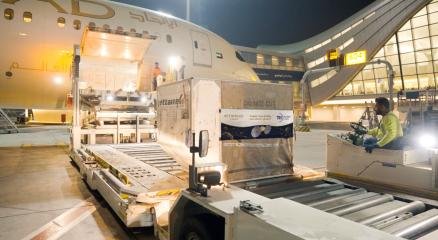
Etihad Cargo has successfully transported a UAE-built space mission probe from Abu Dhabi to the United States, supporting preparations for the Emirates Mission to the Asteroid Belt (EMA). The specialised shipment marks a significant milestone in the UAE's growing space exploration ambitions and highlights the airline's capabilities in handling highly specialised and sensitive cargo. The probe arrived in Colorado on 5 November 2026 after being transported from Abu Dhabi to Chicago on 2 November. The operation followed eight months of close coordination between Etihad Cargo, the UAE Space Agency, the Technology Innovation Institute (TII) and other mission partners to ensure the safe transportation of the specialised equipment. The shipment was undertaken after the probe successfully completed its design, development, assembly and testing in the UAE. It has now been delivered to the Laboratory for Atmospheric and Space Physics (LASP) at the University of Colorado, where it will undergo final integration with the MBR Explorer spacecraft. The next phase will also involve verifying the compatibility of their hardware, software and communication systems ahead of the mission's planned launch from Japan in the first quarter of 2028. The UAE Space Agency is leading and funding the Emirates Mission to the Asteroid Belt, overseeing its execution in collaboration with national and international partners. TII, through its Propulsion and Space Research Centre, led the probe's development in partnership with HEX20, Khalifa University and the National Space Science and Technology Centre at United Arab Emirates University. Commenting on the achievement, Stanislas Brun, Chief Cargo Officer at Etihad Airways, highlighted the airline's role in supporting the UAE's scientific and technological ambitions. He noted that transporting the probe demonstrated Etihad Cargo's ability to deliver safe and reliable solutions for highly specialised shipments while supporting the country's growing presence in advanced technology and space exploration. Eng Mohsen Al Awadhi, Mission Director of EMA, described the transfer as an important transition from the probe's development and testing phase in the UAE to its final integration with the spacecraft. He also highlighted the technical capabilities of the mission team, which achieved flight readiness in less than two years. The Emirates Mission to the Asteroid Belt is expected to cover approximately five billion kilometres, exploring seven asteroids before reaching its ultimate destination, asteroid 269 Justitia. During the final phase, the probe will separate from MBR Explorer and operate autonomously as it approaches the asteroid's surface, capturing detailed images to help scientists examine its characteristics. The successful transportation underscores the growing importance of specialised air cargo solutions in supporting complex scientific, technological and aerospace projects, while reinforcing the UAE's expanding capabilities across the global space ecosystem. 𝐒𝐭𝐚𝐲 𝐭𝐮𝐧𝐞𝐝 𝐭𝐨 CARGOCONNECT 𝐟𝐨𝐫 𝐥𝐚𝐭𝐞𝐬𝐭 𝐮𝐩𝐝𝐚𝐭𝐞𝐬

Frankfurt Airport recorded a 4.5% year-on-year increase in cargo throughput in October 2026, handling 187,701 tonnes of airfreight and airmail, according to monthly traffic figures released by airport operator Fraport. The growth highlights continued demand for air cargo services through one of Europe's major aviation and logistics hubs, despite a decline in aircraft movements during the month. The October performance follows consecutive monthly increases, with cargo volumes rising 2.5% in September to 174,773 tonnes and 2.9% in August to 179,400 tonnes. The latest figures indicate sustained momentum in Frankfurt's cargo operations as the airport continues to play a significant role in facilitating international trade and connecting global supply chains. However, the increase in freight volumes came alongside a reduction in overall flight activity. Aircraft movements at Frankfurt Airport declined by 4.7% year-on-year to 40,498 take-offs and landings in October. The accumulated maximum take-off weights (MTOW), which indicate the total aircraft capacity deployed, also decreased by 1.6% to approximately 2.5 million tonnes. The contrasting movement in cargo throughput and aircraft activity points to stronger cargo volumes being handled despite fewer aircraft movements, reflecting the importance of operational capacity and freight demand at the airport. Exports Drive Cargo Growth as Imports Weaken A closer look at the trade mix reveals that export shipments were the primary growth driver. Frankfurt handled approximately 94,600 tonnes of outbound cargo in October, representing a 10.2% increase year-on-year. In comparison, inbound shipments declined by 1.7% to around 88,100 tonnes. The stronger export performance helped offset the weakness in imports and supported the airport's overall cargo growth. Asian markets were particularly important to the export momentum. Cargo volumes from Frankfurt to Asia increased by 18.8% compared with October 2025. Among individual destinations, exports to India registered a notable 30.9% increase, while shipments to South Korea and Japan grew by 22.5% and 14.9%, respectively. On the import side, shipments from Asia declined by 2.2%. Imports originating from China and Hong Kong fell by 4.3% and 10.1%, respectively. The changing import pattern reflects softer inbound demand, with the European Union's €3 charge on low-value imports, introduced in July 2026, also influencing e-commerce-related cargo flows. Industry data indicated that air cargo volumes from China and Hong Kong to Europe declined by 17% year-on-year in October. North American cargo traffic also recorded positive growth, increasing by 10.2%, supported by stronger import and export activity. Fraport highlighted demand for machinery and high-technology products, including goods linked to the expanding technology and artificial intelligence sectors, as important contributors to transatlantic airfreight performance. Cargo volumes involving Latin America rose by 9.5%, while African traffic increased by 23.4%. In contrast, intra-European and Middle Eastern cargo volumes declined by 10.1% and 13.4%, respectively. Fraport Advances Frankfurt's Cargo Development Alongside traffic growth, Fraport continues to focus on strengthening Frankfurt Airport's cargo ecosystem through infrastructure development, digitalisation and operational improvements. Its Cargo Development team is overseeing initiatives under the CargoHub masterplan, aimed at optimising cargo space, improving infrastructure and streamlining processes in collaboration with airport partners. Felix Toepsch, who was appointed Vice President of Cargo Development at Fraport AG in September 2026, is responsible for advancing these initiatives. His previous experience includes leading the Air Cargo Community Frankfurt, which represents more than 115 companies across the airfreight supply chain. The October figures underline the importance of export demand, particularly from Asian and North American markets, in sustaining Frankfurt's cargo performance. Continued investment in infrastructure and digital processes will remain important as the airport seeks to strengthen its position as a leading European air cargo gateway. 𝐒𝐭𝐚𝐲 𝐭𝐮𝐧𝐞𝐝 𝐭𝐨 CARGOCONNECT 𝐟𝐨𝐫 𝐥𝐚𝐭𝐞𝐬𝐭 𝐮𝐩𝐝𝐚𝐭𝐞𝐬!
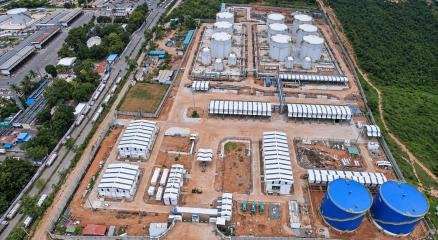
Prime Minister Narendra Modi is scheduled to dedicate Mangalore Refinery and Petrochemicals Limited’s (MRPL) Devangonthi Marketing Terminal in Bengaluru to the nation today. Developed at an investment of ₹330 crore, the facility is expected to strengthen Karnataka’s petroleum storage and distribution infrastructure while improving fuel supply reliability across Bengaluru and neighbouring markets. Spread across 20 acres, the terminal has a storage capacity of 77,000 kilolitres and is connected to MRPL’s Mangaluru refinery through the 363-km Petronet Mangalore-Hassan-Bangalore Pipeline. The pipeline-based arrangement enables the movement of finished petroleum products from the coastal refinery to the Bengaluru terminal, reducing dependence on long-distance road transportation for bulk fuel movement. The Devangonthi facility is designed to handle multiple petroleum products, including petrol, diesel and Aviation Turbine Fuel (ATF). Its customer base includes Bengaluru airport, MRPL’s HiQ retail outlets, other oil marketing companies (OMCs) and industrial consumers. The infrastructure is expected to support the growing fuel requirements of the aviation, retail and industrial sectors in Karnataka. Strengthening Fuel Distribution Infrastructure To streamline terminal operations and improve distribution efficiency, the facility is equipped with 10 automated truck-loading bays and digital control systems. These systems are intended to facilitate efficient loading operations while maintaining operational safety and reliability. The terminal also incorporates dedicated storage and blending infrastructure for ethanol and biodiesel, enabling the blending of biofuels with conventional petrol and diesel. A significant aspect of the project is its potential environmental benefit. By shifting long-distance transportation of petroleum products from road to pipeline, particularly along the ecologically sensitive Western Ghats route, MRPL estimates that the facility could help avoid approximately 40,000 tonnes of carbon dioxide emissions annually. Reduced dependence on fuel tanker movements over long distances is also expected to contribute to improved road safety and lower transportation-related environmental impacts. Beyond its operational advantages, the project is expected to generate more than 280 direct and indirect employment opportunities. It is also expected to facilitate the expansion of MRPL’s fuel distribution network and support industrial and commercial activities across Karnataka and neighbouring markets. Boost to Karnataka’s Energy Infrastructure The dedication of the Devangonthi Marketing Terminal is part of a broader infrastructure development programme being undertaken in Karnataka. During his visit, the Prime Minister is scheduled to dedicate and inaugurate several development projects in Bengaluru, collectively valued at over ₹15,600 crore, covering sectors such as urban mobility, power transmission, renewable energy, petroleum infrastructure, waste management and railways. Among the other petroleum infrastructure projects on the programme is the dedication of an underground LPG storage cavern in Mangaluru, developed at an investment of over ₹850 crore. With a storage capacity of 80,000 metric tonnes, the facility is expected to strengthen the country's LPG storage capabilities. With its pipeline connectivity, substantial storage capacity and automated distribution infrastructure, MRPL’s Devangonthi terminal represents an important addition to Karnataka’s energy logistics network. The project is expected to improve the efficiency of petroleum product movement, strengthen regional fuel availability and support the state's expanding economic and industrial requirements. 𝐒𝐭𝐚𝐲 𝐭𝐮𝐧𝐞𝐝 𝐭𝐨 CARGOCONNECT 𝐟𝐨𝐫 𝐥𝐚𝐭𝐞𝐬𝐭 𝐮𝐩𝐝𝐚𝐭𝐞𝐬!
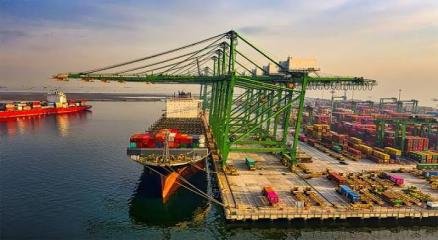
The Directorate General of Maritime Administration (DGMA) has directed all major ports, minor ports and State Maritime Boards across India to submit consolidated information on abandoned, detained, arrested, disabled and other non-operational vessels within 15 days of the issuance of its latest circular. The move aims to strengthen maritime safety, improve monitoring of vessels posing operational risks and maintain a comprehensive record of ships that could threaten port infrastructure, navigation and the marine environment. Issued on 9 November 2026, the notice calls for port authorities to identify vessels within their respective jurisdictions and areas of control, including port limits, berths, anchorages and port approaches. The reporting exercise covers abandoned or suspected abandoned vessels, ships detained by Port State Control or other statutory authorities, and vessels arrested or restrained under court orders or legal proceedings. The directive also extends to vessels that are immobilised, disabled, laid-up, stranded, grounded, drifting, unmanned or otherwise unable to operate safely. Additionally, ports must report any other vessels whose condition, location or circumstances could pose risks to people, maritime security, port operations, infrastructure or the environment. Comprehensive Vessel-Wise Reporting Under the circular, port authorities are required to submit vessel-wise information in the prescribed Annexure-I format. The details must include vessel particulars, identification numbers, type, flag, present location, operational status and the reason and duration of the vessel's non-operational condition. Authorities must also furnish information about the shipowner, operator, manager and agent, along with relevant contact details. Particular attention has been given to seafarer welfare, with ports required to report the number of people on board, their broad particulars and any concerns relating to wages, provisions, medical assistance or repatriation. The reporting format further requires details of the vessel's operational condition, defects, cargo and bunker fuel levels, wherever relevant. Any potential impact on navigation, port infrastructure, ongoing operations, maritime security or pollution must also be highlighted. Ports are expected to document the action already taken, agencies informed, the vessel's current status and any assistance or coordination required from DGMA or other competent authorities. Importantly, the reporting requirement applies irrespective of whether crew members or other personnel remain onboard or whether the vessel has been formally declared abandoned. Information that is unavailable can be marked as 'Not Known'. Immediate Reporting of Fresh Cases Beyond the initial submission, DGMA has established an ongoing reporting mechanism. Any fresh case involving vessels that fall under the specified categories, particularly those presenting an immediate or potential threat to life, port safety, navigation or the marine environment, must be reported to the regulator immediately. Port authorities must also promptly communicate material developments in existing cases and provide periodic updates until the matter is resolved or the vessel no longer falls within the circular's scope. Even ports with no such vessels or cases within their jurisdiction are required to submit a NIL report. The circular clarifies that the information-sharing exercise does not override existing court orders or directions issued by competent statutory authorities. Through this initiative, DGMA seeks to establish a more coordinated monitoring framework for vessels of safety concern in Indian waters, supporting seafarer welfare, uninterrupted port operations and environmentally responsible maritime activities. 𝐒𝐭𝐚𝐲 𝐭𝐮𝐧𝐞𝐝 𝐭𝐨 CARGOCONNECT 𝐟𝐨𝐫 𝐥𝐚𝐭𝐞𝐬𝐭 𝐮𝐩𝐝𝐚𝐭𝐞𝐬!

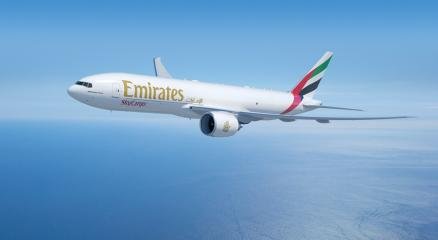
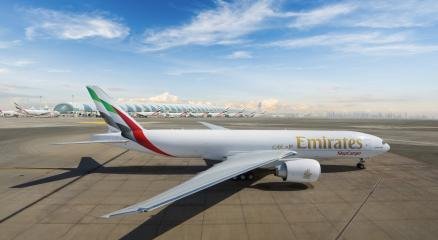
Emirates SkyCargo has announced the launch of a new weekly freighter service between Milan Malpensa Airport (MXP) and John F. Kennedy International Airport (JFK), New York, effective 5 December 2026. The new route is aimed at addressing growing demand for air cargo capacity between Northern Italy and the United States while providing businesses with improved access to international markets. Operated by the airline's Boeing 777-F freighter aircraft, the service will offer approximately 100 tonnes of cargo capacity per flight. It will primarily support exports from Italy's Lombardy region, including pharmaceuticals, vaccines, clinical trial medicines, luxury goods, fashion products, industrial equipment, automotive components, fresh produce and speciality food products. The development comes amid strong growth in Emirates SkyCargo's export volumes from Milan, which increased by 13% in FY2025-26 compared with the previous financial year. The airline currently provides more than 500 tonnes of weekly export capacity from Milan to global destinations, including over 100 tonnes of weekly bellyhold capacity on passenger flights to New York. Commenting on the expansion, Badr Abbas, Divisional Senior Vice President, Emirates SkyCargo, said the additional freighter capacity would provide exporters with greater access, flexibility and reliability in serving the US market. He also highlighted the growing export demand from the Greater New York region and the importance of strengthening international cargo connections through Dubai. Strengthening Two-Way Trade Connectivity Beyond supporting Italian exports, the new service will improve cargo connectivity for businesses in the Greater New York region and the Northeastern United States. Emirates SkyCargo reported a 23% increase in export volumes from New York's JFK and Newark Liberty International Airport (EWR) between FY2024-25 and FY2025-26. Key commodities moving out of the US include pharmaceuticals and healthcare products, perishables, e-commerce shipments, machinery and industrial components. Through its Dubai hub, the airline will offer onward connections to markets across the Middle East, Asia and Oceania, creating additional opportunities for international freight movement. The new route also complements Emirates SkyCargo's existing operations in Italy. The carrier operates a weekly freighter service between Milan and Dubai World Central (DWC), alongside passenger bellyhold capacity and road feeder services. Across its four Italian gateways – Bologna, Milan, Rome and Venice – the airline provides more than 1,000 tonnes of weekly export cargo capacity. Expanding Global Freighter Network The Milan–New York launch forms part of Emirates SkyCargo's broader network expansion strategy in North America. The carrier introduced freighter services to Los Angeles and Dallas while increasing frequencies to Miami in 2026. Fleet expansion has further supported this growth. Emirates SkyCargo took delivery of eight freighter aircraft, comprising seven new-production Boeing 777-F freighters and one Boeing 777-300ER converted freighter. Consequently, its dedicated freighter network expanded from more than 40 destinations in March 2026 to over 60 destinations by July 2026. With the additional Milan–New York connection, the carrier aims to strengthen its transatlantic cargo operations, improve access to international markets and support the evolving logistics requirements of global businesses. 𝐒𝐭𝐚𝐲 𝐓𝐮𝐧𝐞𝐝 𝐭𝐨 CARGOCONNECT 𝐟𝐨𝐫 𝐥𝐚𝐭𝐞𝐬𝐭 𝐮𝐩𝐝𝐚𝐭𝐞𝐬!
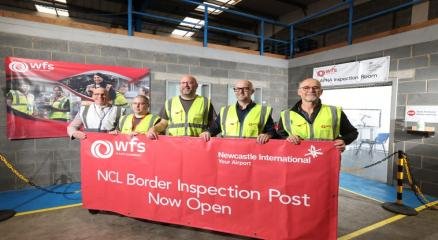
Newcastle Airport has strengthened its air cargo infrastructure with the opening of a new government-approved Border Control Post (BCP), enhancing its ability to handle regulated imports and expand its role as an international trade gateway in North East England. Worldwide Flight Services (WFS), a global air cargo logistics and ground handling provider, has opened the facility at its operational hub within the airport’s freight village. The new Border Control Post will enable regulated goods, including flowers, plants and plant products, fruits and vegetables, to undergo mandatory inspections and clearance directly at the airport. The facility is expected to improve the movement of time-sensitive and perishable consignments by allowing goods to be cleared closer to their final destinations. This will help importers and businesses reduce transit times, minimise logistics costs and improve supply chain efficiency. It also broadens the range of products that can enter the UK directly through Newcastle Airport, offering businesses across the region an additional route for international imports. The development forms part of Newcastle Airport’s wider strategy to strengthen its cargo handling capabilities. The airport currently handles more than 5,000 tonnes of freight annually and continues to invest in infrastructure and operational capacity to support growing demand. Earlier in 2026, Samson Aviation, the airport’s executive jet centre and handling partner, expanded its equipment fleet with the addition of a main deck loader and supporting ground service equipment. The investment has enhanced the airport’s ability to accommodate a wider range of narrowbody and widebody passenger, charter and cargo aircraft, while supporting specialised and oversized shipments, including heavy machinery and luxury vehicles. With 24-hour operations, on-site refuelling facilities, professional cargo handling services and direct access to the region’s strategic road network, Newcastle Airport is strengthening its proposition for cargo operators and freight forwarders. Commenting on the development, Leon McQuaid, Director of Aviation Development at Newcastle Airport, said: "The new Border Control Post marks another important milestone in the growth of Newcastle Airport's cargo services, strengthening our position as a gateway for international trade." He added that the investment by WFS would help businesses move goods more efficiently, provide faster market access and support economic growth across North East England and beyond. The latest development reinforces Newcastle Airport’s ambition to expand its cargo operations and attract further aviation and logistics businesses, positioning it as an increasingly important gateway for regional and international trade. 𝐒𝐭𝐚𝐲 𝐓𝐮𝐧𝐞𝐝 𝐭𝐨 CARGOCONNECT 𝐟𝐨𝐫 𝐥𝐚𝐭𝐞𝐬𝐭 𝐮𝐩𝐝𝐚𝐭𝐞𝐬!
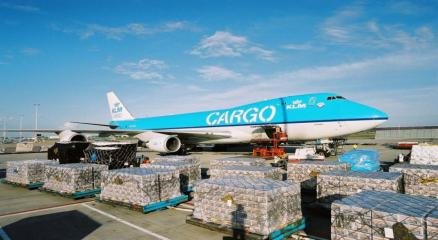
Air France-KLM Martinair Cargo (AFKLMP Cargo) is witnessing strong growth in its air freight business as global supply chain disruptions and rising demand for artificial intelligence (AI) infrastructure shipments encourage shippers to move time-sensitive cargo from sea to air. The trend has strengthened the group's cargo performance in the third quarter of 2026, with demand continuing to outpace available capacity. The cargo division reported a 25.2% year-on-year increase in third-quarter revenue to €677 million, while cargo traffic revenue climbed 24.9% to €566 million. Total cargo volumes increased 5% to 236,000 tonnes, while traffic, measured in revenue tonne-kilometres (RTK), grew 8%. Capacity expanded by a comparatively modest 2.3%, taking the cargo load factor up 2.4 percentage points to 46%. The airline attributed the improved performance to disruptions along key maritime trade routes, particularly around the Suez Canal and Strait of Hormuz, which prompted shippers to shift urgent and high-value consignments to air freight. Additionally, growing demand from AI-related supply chains, including infrastructure and technology shipments, has tightened global air cargo capacity. These developments have enabled the group to secure additional volumes and full-freighter charter opportunities, supporting yields across its network. Alongside the demand-led growth, KLM is restructuring its cargo handling operations at Amsterdam Schiphol Airport. The airline plans to consolidate freight carried on both passenger aircraft and freighters within its own warehouse. The move is aimed at simplifying processes, increasing automation and improving workforce productivity, allowing higher cargo volumes to be managed without additional recruitment. The consolidation will also prepare KLM Cargo for a new cargo terminal planned for completion in 2035, while strengthening Schiphol's potential to attract transfer cargo. KLM intends to expand support services for customers as part of the operational changes. The developments underline how changing global trade patterns, technology-driven demand and operational automation are reshaping the air cargo sector. For AFKLMP Cargo, the ability to respond to shifting freight flows while improving handling efficiency will remain central to sustaining growth. 𝐒𝐭𝐚𝐲 𝐓𝐮𝐧𝐞𝐝 𝐭𝐨 CARGOCONNECT 𝐟𝐨𝐫 𝐥𝐚𝐭𝐞𝐬𝐭 𝐮𝐩𝐝𝐚𝐭𝐞𝐬!
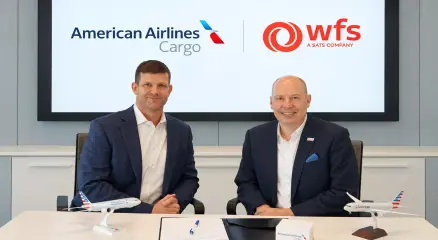
American Airlines Cargo has extended its longstanding partnership with Worldwide Flight Services (WFS), a SATS company, through a new five-year cargo handling agreement covering eight European countries. The agreement reinforces a relationship spanning more than four decades and aims to strengthen the airline's cargo operations across key European markets while supporting its extensive transatlantic network. Under the renewed agreement, WFS will continue providing cargo handling services at major American Airlines Cargo stations in Denmark, France, Germany, Ireland, Italy, the Netherlands, Spain and the United Kingdom. The partnership will facilitate the movement of shipments between Europe, the United States and other destinations across American Airlines' global network, ensuring continued connectivity for freight forwarders and cargo customers. The agreement covers a comprehensive range of services, including general cargo and mail handling, security screening, customs support and documentation. WFS will also continue managing specialised shipments requiring dedicated handling capabilities, including pharmaceuticals, live animals, dangerous goods and e-commerce consignments. Commenting on the extended partnership, Greg Schwendinger, President at American Airlines Cargo, said, “Our longstanding partnership with WFS has played an important role in supporting our operations across Europe. Together, we’re continuing to provide the reliable service and global connectivity our customers expect from American Airlines Cargo.” A key component of the renewed arrangement is the continuation of WFS' European road feeder services network. The network provides additional connectivity between major cargo gateways and regional destinations, offering customers greater flexibility in moving freight across the continent. By combining airport cargo handling with road transportation capabilities, the arrangement will help support integrated cargo movements across European markets. Dan Parker, SVP Commercial EMEA at WFS, highlighted the strength of the relationship, stating, “Our relationship with American Airlines Cargo spans more than 40 years and continues to grow in strength. This long-term renewal reflects the trust we have built together and the strength of WFS’ European network in supporting American Airlines Cargo’s operations.” He added, “By combining our network and cargo handling expertise with American’s global connectivity, we can continue delivering reliable service for customers across Europe and beyond. We are proud to continue this longstanding partnership.” The renewed agreement also reflects the wider international scope of the two companies' collaboration. Beyond Europe, WFS continues to support American Airlines Cargo at several key international cargo gateways in North America and Asia, extending the partnership's operational reach across multiple regions. The five-year extension underscores the importance of dependable ground handling infrastructure, specialised cargo expertise and integrated surface transportation in supporting international air freight operations. With growing requirements for temperature-sensitive pharmaceuticals, e-commerce shipments and other specialised commodities, the continued collaboration is expected to provide greater operational continuity and connectivity for customers across American Airlines Cargo's European network. The agreement further strengthens WFS' position as a key cargo handling partner for international airlines, while enabling American Airlines Cargo to maintain reliable services across its major European gateways and global freight network. 𝐒𝐭𝐚𝐲 𝐓𝐮𝐧𝐞𝐝 𝐭𝐨 CARGOCONNECT 𝐟𝐨𝐫 𝐥𝐚𝐭𝐞𝐬𝐭 𝐮𝐩𝐝𝐚𝐭𝐞𝐬!

Jeena & Company has appointed Priyank Jain as its new Chief Financial Officer (CFO), strengthening its financial leadership as the 125-year-old logistics and supply chain solutions provider prepares for its next phase of growth. The appointment is aimed at driving financial transformation, improving operational efficiency and strengthening the company's financial systems. Based at the company's corporate office in Mumbai, Jain will report directly to Chief Executive Officer Prediman K. Koul and lead the Finance & Accounts function, with the entire finance team reporting to him. A Chartered Accountant with over 15 years of experience in corporate finance, accounting and strategic leadership, Jain brings extensive expertise in financial management, business planning and process optimisation. He began his career at SBS Group as a Manager, where he handled internal audits, account finalisation and mergers and acquisitions, while contributing to the company's geographical expansion. Subsequently, during his tenure at BDP International, he established an annual business planning and budgeting process and introduced a stronger Management Information System (MIS) framework to improve the monitoring of operational and financial performance. Before joining Jeena & Company, Jain served as Deputy General Manager at Mahindra Logistics Ltd. He led system and process improvements that delivered annual cost savings, helped develop an integrated finance system and spearheaded a revenue assurance initiative to improve revenue estimation through better data extraction and validation. At Jeena, his initial focus has been on streamlining financial processes, strengthening accountability and fostering operational excellence to support informed decision-making across the organisation. Jain holds a Bachelor of Commerce degree from Mumbai University, is a Chartered Accountant from ICAI Mumbai and holds a Diploma in International Financial Reporting Standards (IFRS) from the UK. He has also completed a finance leadership programme at the Indian Institute of Management Ahmedabad. Commenting on his appointment, Priyank Jain said, “I am excited and look forward to my journey at Jeena and I am deeply grateful to our Partners and the CEO for showing their trust upon me. Jeena’s 125-year journey will help me witness both the sides of the coin- the old legacy and the digital transformation it is going through.” He further added, “My focus will be on building financial systems and processes that are strong enough to support the company’s next phase of growth, while staying true to the discipline and reliability that have defined Jeena for over a century. I look forward to working closely with the leadership team and the finance function to help drive that forward,” Commenting on the appointment, CEO Prediman K. Koul said, “Priyank brings a strong mix of financial discipline and hands-on operational experience in logistics, which fits well with where we are headed as a business. As we scale toward our next phase of growth, his ability to build robust systems and drive financial rigour will be a real asset to the team.” The leadership appointment underscores Jeena & Company's focus on strengthening financial capabilities and building a robust operational foundation for sustainable business growth. 𝐒𝐭𝐚𝐲 𝐓𝐮𝐧𝐞𝐝 𝐭𝐨 CARGOCONNECT 𝐟𝐨𝐫 𝐥𝐚𝐭𝐞𝐬𝐭 𝐮𝐩𝐝𝐚𝐭𝐞𝐬!

NITI Aayog and Germany’s international cooperation agency, Deutsche Gesellschaft für Internationale Zusammenarbeit (GIZ) GmbH, have signed an implementation agreement to accelerate the decarbonisation of India's road freight sector, with a focus on promoting electric medium- and heavy-duty trucks. The agreement was signed on November 3, 2026, under the second phase of the Nationally Determined Contribution–Transport Initiative for Asia (NDC-TIA II). The regional initiative is supported by the German Government's International Climate Initiative (IKI) and aims to support participating countries in reducing transport-related emissions and advancing their climate commitments. The collaboration comes at a time when India is seeking to transition towards a more sustainable, energy-efficient and low-carbon transportation ecosystem. Road freight remains critical to the country's supply chain and logistics operations, making the adoption of cleaner commercial vehicles an important part of its broader decarbonisation strategy. However, the electrification of medium- and heavy-duty freight vehicles remains at an early stage. Limited charging infrastructure, high upfront vehicle costs, access to financing and the need for supportive regulations continue to present challenges to wider adoption. The NITI Aayog–GIZ partnership will focus on addressing these structural barriers by supporting the development of adequate charging infrastructure, exploring innovative financing mechanisms and strengthening the regulatory framework required to facilitate electric truck deployment. The initiative brings together several knowledge and implementation partners, including World Resources Institute (WRI) India, the International Council on Clean Transportation (ICCT) India and Agora Energiewende. Their participation is expected to support policy development, technical expertise and coordinated efforts towards cleaner freight transportation. The regional programme also covers China and Vietnam, encouraging collaboration on transport decarbonisation across Asia. For India's logistics industry, the partnership could help create a more conducive environment for fleet electrification, particularly across high-volume freight corridors connecting manufacturing centres, ports and distribution hubs. Improved charging access and financing options will be essential to building confidence among fleet operators and logistics service providers. The agreement marks another step in India's efforts to advance green freight mobility, strengthen energy efficiency and meet its Nationally Determined Contribution (NDC) targets. By addressing infrastructure, financing and policy challenges together, the collaboration aims to support the gradual transition towards a commercially viable and lower-emission road freight ecosystem. 𝐒𝐭𝐚𝐲 𝐓𝐮𝐧𝐞𝐝 𝐭𝐨 CARGOCONNECT 𝐟𝐨𝐫 𝐥𝐚𝐭𝐞𝐬𝐭 𝐮𝐩𝐝𝐚𝐭𝐞𝐬!
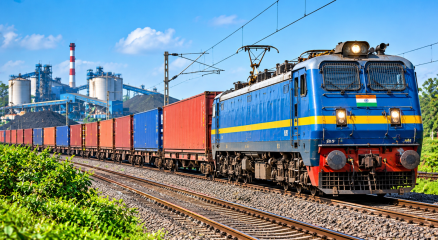
Indian Railways has registered its highest-ever freight loading for October, transporting 145.07 million tonnes (MT) of goods in October 2026, marking an 8.32% year-on-year increase over the 133.93 MT recorded in October 2025. The record performance reflects rising freight demand across key sectors, including agriculture, power, steel, cement and manufacturing, strengthening the rail network's role in India's logistics and supply chain ecosystem. According to the Ministry of Railways, the network handled an additional 11.14 MT of freight during the month compared with the corresponding period last year. The growth was supported by higher transportation volumes across several major commodity categories, with food grains and domestic coal emerging as the strongest contributors. Food grain loading registered the highest growth among the reported commodities, increasing 26.3% year-on-year. Domestic coal transportation rose 16%, while the balance other goods category recorded an 11% increase. Clinker loading, an important input for cement manufacturing, grew 10.4%, reflecting sustained movement of construction-related materials. Other commodity segments also reported positive growth. Domestic container traffic increased 6.3%, while iron ore loading rose 5%. Mineral oil and finished steel registered comparatively moderate growth of 1.9% and 0.5%, respectively. The increase in container volumes also indicates continued demand for rail-based freight movement for domestic cargo transportation. A significant component of October's freight performance was the increased movement of domestic coal to power plants. To meet higher requirements from power houses, Indian Railways supplied an average of 469.8 coal rakes per day during October 2026, compared with 393.2 rakes per day in October 2025. This represents a growth of 19.5%, translating into approximately 77 additional coal rakes daily. The increase highlights the importance of rail transportation in maintaining fuel supply chains and supporting uninterrupted power generation. Efficient coal movement remains a critical operational priority, particularly amid rising energy requirements from industrial and economic activities. The strong October performance has further strengthened Indian Railways' cumulative freight loading during the ongoing financial year. Between April and October 2026, the national transporter handled 978.78 MT of freight, compared with 935.10 MT during the corresponding seven-month period of the previous financial year, registering growth of 4.67%. The network's expanding freight volumes underline the importance of capacity augmentation, improved terminal infrastructure and operational efficiency in supporting India's growing cargo requirements. Dedicated Freight Corridors (DFCs), improved freight handling facilities and stronger connectivity between industrial centres, ports and consumption markets remain important components of the country's rail logistics development. Therefore, the latest figures highlight the growing contribution of railways to bulk cargo transportation and domestic supply chain connectivity for the logistics industry. Sustained growth in freight loading will be important in strengthening multimodal transportation, improving cargo movement efficiency and supporting India's long-term logistics competitiveness. 𝐒𝐭𝐚𝐲 𝐓𝐮𝐧𝐞𝐝 𝐭𝐨 CARGOCONNECT 𝐟𝐨𝐫 𝐥𝐚𝐭𝐞𝐬𝐭 𝐮𝐩𝐝𝐚𝐭𝐞𝐬!
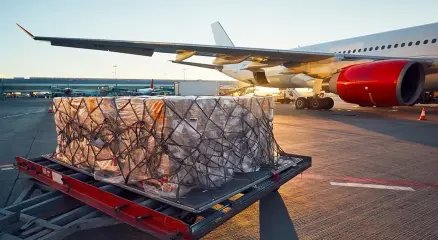
Global air freight rates recorded a marginal decline in the week ending November 2, 2026, even as demand remained resilient and pricing levels continued to stay significantly above those of the previous year. According to the latest data from TAC Index, worldwide air freight rates fell 1.1% week on week but remained 22.8% higher year on year, reflecting sustained demand, elevated jet fuel costs and ongoing capacity constraints during the traditional fourth-quarter peak season. The global Baltic Air Freight Index (BAI00) registered the weekly decline, although rates remained above the highest levels recorded during the previous two peak seasons. With several weeks of the year-end peak period still remaining, the market continues to experience firm pricing conditions. Asia-Pacific Markets Show Mixed Performance Air freight rates across major Asian markets displayed varied trends. Outbound rates from Hong Kong increased 0.7% during the week, taking the index 28% above its year-ago level. Shanghai recorded a stronger weekly increase of 2.8%, with rates standing 14.4% higher year on year. Rates from India also firmed slightly on both Europe- and US-bound routes, with year-on-year increases reaching approximately 80%. This highlights the continued strength of demand for Indian air cargo capacity. In contrast, rates from China to Europe experienced a slight decline, partly reflecting weaker shipment volumes following the European Union's removal of the de minimis exemption for low-value parcels in July 2026. Transpacific routes to the US, however, continued to register strong rate increases. European outbound markets also experienced mixed movements. Frankfurt's outbound index declined 6.5% week on week, while London's Heathrow index dropped 23.2%. Despite these corrections, both remained substantially higher than their levels a year earlier. Spot Rates Reflect Tight Capacity Conditions A separate assessment by WorldACD Market Data highlighted the continued upward pressure on spot prices. Global air cargo spot rates increased 5% in the week ending October 25, reaching US$3.80 per kg, representing a 38% year-on-year increase. Full-market rates, combining spot and contract prices, rose 3% to US$3.33 per kg, up 31% annually. Global cargo tonnages declined 2% week on week, while capacity slipped 1%. The contrasting weekly movements reflect different reporting periods and pricing indices rather than a reversal in the broader market trend. Peak Season Outlook With Diwali, Thanksgiving, Black Friday and Christmas driving seasonal shipment activity, air cargo operators and freight forwarders face continued pressure to secure capacity. Elevated fuel costs, geopolitical uncertainties and shifting trade flows are further influencing pricing across major international corridors. Despite the modest weekly correction reported by TAC Index, strong year-on-year rate increases indicate that the global air freight market remains firm. Capacity availability and demand patterns over the coming weeks will be crucial in determining how rates evolve through the remainder of the peak season. 𝐒𝐭𝐚𝐲 𝐓𝐮𝐧𝐞𝐝 𝐭𝐨 CARGOCONNECT 𝐟𝐨𝐫 𝐥𝐚𝐭𝐞𝐬𝐭 𝐮𝐩𝐝𝐚𝐭𝐞𝐬!
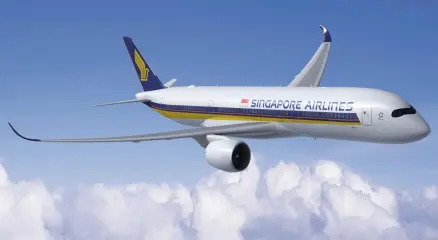
Singapore Airlines (SIA) has appointed Menzies Aviation to provide cargo, ramp and passenger handling services at Western Sydney International (Nancy-Bird Walton) Airport (WSI), strengthening the airport's operational readiness ahead of its launch later this month. The agreement will see Menzies support Singapore Airlines' daily passenger flights as well as ad hoc freighter operations from 23 November 2026, when the airline commences services at the new 24-hour airport in Sydney, Australia. The appointment marks an important development in Menzies Aviation's expansion at Western Sydney International Airport, where the company has established a 12,500-square-metre cargo facility with an annual handling capacity of up to 200,000 tonnes. The warehouse is Menzies' largest cargo facility across Oceania and Southeast Asia, positioning it to support growing air freight requirements in the region. Located within the airport's dedicated cargo precinct, the facility is designed to handle a diverse range of shipments, including pharmaceuticals, perishables, e-commerce consignments and heavy freight. It will also deploy Menzies' next-generation cargo management platform, MACH (Menzies Aviation Cargo Handling), to improve shipment visibility, operational efficiency and real-time tracking for customers. The partnership builds on the established relationship between the two aviation companies. Menzies already provides freighter ramp handling services for Singapore Airlines in Sydney and Melbourne. Earlier this year, the ground handling company also secured Singapore Airlines' ground handling contracts in Brisbane and Cairns. Darren Masters, Executive Vice President Oceania, Southeast Asia and China, Menzies Aviation, described the appointment as a significant milestone, as Singapore Airlines becomes the company's first airline customer at Western Sydney International Airport. He highlighted the role of its integrated passenger, ramp and cargo capabilities in supporting airline growth and strengthening Australia's supply chains. Foo Chai Woo, Regional Vice President South West Pacific, Singapore Airlines, said the airline was working closely with Menzies to ensure operational preparedness and maintain the service standards expected by its passengers and cargo customers. The latest contract further expands Menzies Aviation's Australian network, where it provides air cargo and ground handling services across 15 airports. Western Sydney International will become its 11th cargo operation in the country. With dedicated cargo infrastructure, digital handling capabilities and integrated ground services, the partnership is expected to contribute to the development of Western Sydney International Airport as an important aviation and cargo gateway for Australia, supporting exporters and the country's wider logistics network. 𝐒𝐭𝐚𝐲 𝐓𝐮𝐧𝐞𝐝 𝐭𝐨 CARGOCONNECT 𝐟𝐨𝐫 𝐥𝐚𝐭𝐞𝐬𝐭 𝐮𝐩𝐝𝐚𝐭𝐞𝐬!
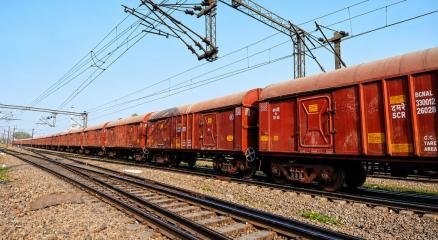
Indian Railways has strengthened its freight transportation capacity by placing additional orders for 9,638 wagons worth approximately ₹3,925.41 crore across five manufacturers. The latest procurement expands the existing wagon supply contracts by 24.57%, reflecting the national transporter’s efforts to improve freight-handling capabilities and accommodate rising demand for bulk commodity transportation. The Railway Board has exercised the 30% option clause included in the existing procurement agreements to increase the contracted quantities. With this addition, the total number of wagons covered under seven contracts has increased to 48,864 units, according to reports. The additional orders have been distributed among five wagon manufacturers, with Titagarh Wagons receiving the largest share. Under the expanded procurement programme, Titagarh Wagons will manufacture and supply 4,955 additional wagons valued at ₹2,025.95 crore, taking its total contracted quantity to 21,804 units. Jupiter Wagons has received an additional order for 2,583 wagons worth ₹1,050.55 crore across two contracts, increasing its total contracted quantity to 13,005 wagons. Texmaco Rail & Engineering will supply 1,020 additional wagons valued at ₹412.32 crore, taking its cumulative order quantity to 4,420 units. The remaining orders have been allocated to Besco and Oriental Foundry. Besco will supply 720 additional wagons worth ₹291.05 crore across two divisional contracts, taking its total contracted quantity to 3,120 wagons. Oriental Foundry has secured an order for 360 wagons valued at ₹145.53 crore, increasing its contracted quantity to 1,560 units. The additional procurement comprises exclusively open wagons designed for transporting bulk commodities. These wagons play an important role in supporting large-volume freight movement across the railway network, particularly for industries dependent on reliable and cost-efficient transportation. The expanded orders are scheduled for delivery by June 2027. The procurement comes as Indian Railways prepares for another year of record freight loading and seeks to strengthen its ability to accommodate growing cargo volumes. Increasing wagon availability is an important component of improving freight operations. A larger fleet can provide greater flexibility in managing cargo requirements, support the movement of higher volumes and help address capacity constraints across busy freight corridors. The addition of wagons is also expected to support more efficient utilisation of railway infrastructure and strengthen the overall freight transportation ecosystem. The latest ₹3,925-crore procurement expansion underlines Indian Railways' continued focus on enhancing freight capacity and strengthening its partnership with domestic railway equipment manufacturers. This move also provides additional business opportunities for the wagon manufacturing industry, with five suppliers receiving increased orders under existing contracts. For manufacturers, the expanded requirements offer greater production visibility, while the scheduled deliveries provide a defined timeline for executing the additional orders. As India continues to prioritise rail-based freight transportation, investments in rolling stock will remain important for supporting industrial supply chains. Therefore, the additional 9,638 wagons represent another step towards building a more capable freight network, aligned with Indian Railways' broader ambition of increasing rail's role in the country's transportation landscape. 𝐒𝐭𝐚𝐲 𝐓𝐮𝐧𝐞𝐝 𝐭𝐨 CARGOCONNECT 𝐟𝐨𝐫 𝐥𝐚𝐭𝐞𝐬𝐭 𝐮𝐩𝐝𝐚𝐭𝐞𝐬!

India is looking to strengthen coastal shipping and inland waterways as key components of its multimodal logistics network, with the Centre setting an ambitious target of doubling their combined share in freight transportation to 12% by 2047. Union Minister for Ports, Shipping and Waterways Sarbananda Sonowal outlined the roadmap during a Consultative Committee meeting in Puri, Odisha, on 3 November 2026. The proposed expansion is aimed at shifting a greater volume of cargo from road and rail networks to waterways, improving logistics efficiency, reducing transportation costs and supporting more sustainable freight movement. Alongside the freight target, the government has announced a series of infrastructure and policy initiatives, including a proposed ₹1,500-crore international cruise terminal in Puri. India's maritime strategy is also gaining momentum, with coastal cargo volumes witnessing substantial growth over the past decade. According to Sonowal, cargo handled through coastal shipping at Indian ports has increased from 74 million tonnes to 177 million tonnes in the last 12 years, registering growth of approximately 140%. The country’s coastline of more than 11,000 km offers considerable potential to expand maritime freight movement and improve connectivity between industrial centres, ports and consumption markets. Coastal Cargo Promotion Scheme to Drive Modal Shift A key component of the government's strategy is the Coastal Cargo Promotion Scheme, announced in the Union Budget 2026–27. The scheme will provide incentives to cargo owners, coastal vessel operators and multimodal transport operators to encourage greater utilisation of coastal shipping and inland waterways. By promoting the movement of goods through a combination of waterways, rail and road, the initiative seeks to strengthen multimodal connectivity and make freight transportation more efficient. The broader objective is to reduce dependence on conventional road-based transportation, ease pressure on highways and improve the environmental sustainability of India's logistics network. The government is also planning to operationalise 20 additional National Waterways over the next five years, further expanding the country's inland water transport infrastructure. National Waterway-5 to Strengthen Odisha's Industrial Connectivity Sonowal also highlighted the development of National Waterway-5 (NW-5) in Odisha, an infrastructure project estimated to cost more than ₹13,000 crore. The proposed waterway will connect important mineral-producing and industrial centres, including Talcher, Angul and Kalinganagar, with the eastern coast's major ports, particularly Paradip and Dhamra. Integrating the Brahmani and Mahanadi river systems, the waterway is expected to create additional cargo transportation options for the state's mining, manufacturing and industrial sectors. Improved river-sea connectivity could also help reduce the logistical burden on existing road and rail corridors. To support the expansion of inland water transportation, the government is working towards developing Regional Centres of Excellence along National Waterway-5 and establishing dedicated inland vessel repair facilities in Varanasi and Patna. ₹1,500-Crore Puri International Cruise Terminal Announced Alongside freight infrastructure, the government is looking to strengthen India's cruise tourism ecosystem. Sonowal announced that the proposed Puri International Cruise Terminal will be developed by Paradip Port Authority (PPA) in partnership with the Government of Odisha, with an estimated investment of ₹1,500 crore. The project is expected to support the expansion of cruise tourism in Odisha and strengthen the state's position on India's emerging maritime tourism map. The development aligns with the Cruise Bharat Mission, launched in September 2024, which aims to attract one million sea cruise passengers and generate 400,000 jobs by March 2029. India recorded 462,661 ocean cruise passengers and 212 vessel calls during FY2025–26. On the inland waterways front, 20 river cruise circuits across 16 National Waterways are already operational, while another 51 circuits have been identified for phased development. Additionally, 143 river cruise terminals and landing points are currently operational. Focus on Employment and Sustainable Maritime Growth The Coastal Cargo Promotion Scheme and Cruise Bharat Mission are expected to collectively generate more than 560,000 employment opportunities and help avoid approximately 16 million tonnes of carbon dioxide emissions, according to the government. The twin initiatives reflect India's broader ambition to develop a competitive and sustainable maritime ecosystem by strengthening cargo transportation, expanding port infrastructure and promoting cruise tourism. With the 2047 freight target, additional National Waterway development and investments in cruise infrastructure, the government is seeking to unlock the economic potential of India's coastline and river networks. The success of these initiatives will depend on effective infrastructure development, multimodal integration and sustained participation from cargo owners and logistics operators. 𝐒𝐭𝐚𝐲 𝐓𝐮𝐧𝐞𝐝 𝐭𝐨 CARGOCONNECT 𝐟𝐨𝐫 𝐥𝐚𝐭𝐞𝐬𝐭 𝐮𝐩𝐝𝐚𝐭𝐞𝐬!
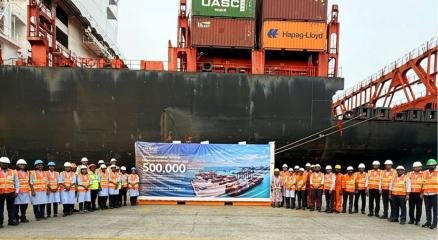
Tuticorin Container Terminal (TCT), operated by J M Baxi Ports & Logistics, has handled a cumulative 500,000 twenty-foot equivalent units (TEUs) since commencing commercial operations in September 2024. The achievement marks an important milestone in the terminal’s operational journey and reflects its growing contribution to containerised cargo movement through V.O. Chidambaranar Port in Tamil Nadu. Reaching the half-million TEU mark within approximately two years highlights the terminal’s progress in strengthening container-handling capabilities and supporting India's maritime trade infrastructure. The milestone also underscores the increasing importance of Tuticorin as a gateway for export-import (EXIM) cargo and coastal shipping along India's southeastern coastline. Inaugurated on September 16, 2024, by Union Minister for Ports, Shipping and Waterways Sarbananda Sonowal, Tuticorin International Container Terminal was developed with an investment of over ₹434 crore. The facility has an annual handling capacity of 600,000 TEUs and became the port’s third container terminal, adding significant capacity to its container-handling infrastructure. Spread across approximately 10 hectares, the terminal features a 370-metre quay and a berth with a draft of up to 14.2 metres. Its equipment infrastructure includes three rail-mounted quay cranes and nine rubber-tyred gantry (RTG) cranes to support vessel operations, container movement and yard management. The facility caters to both international and coastal cargo, with road and rail connectivity linking it to industrial and commercial centres across southern India. A notable aspect of the milestone is the contribution of the terminal's workforce, particularly women employees who are involved across operational and administrative functions, including leadership positions. The terminal has acknowledged their role in supporting its operational performance and development. It has also recognised the continued cooperation of V.O. Chidambaranar Port Authority, vessel operators, shipping lines, customers and other business partners in achieving the milestone. The terminal's hinterland extends across Tamil Nadu, Karnataka and Kerala, while its proximity to international east-west shipping routes offers access to important maritime trade corridors. With the 500,000 TEU milestone achieved, TCT is positioned to further strengthen its role in regional container logistics, facilitate EXIM trade and contribute to the expansion of India's port-led economic growth. 𝐒𝐭𝐚𝐲 𝐓𝐮𝐧𝐞𝐝 𝐭𝐨 CARGOCONNECT 𝐟𝐨𝐫 𝐥𝐚𝐭𝐞𝐬𝐭 𝐮𝐩𝐝𝐚𝐭𝐞𝐬!
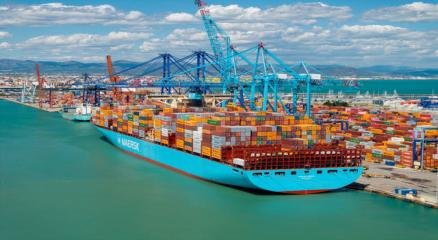
Maersk and Hapag-Lloyd are shifting their joint India-Europe container service back to the Suez Canal and Red Sea corridor, replacing the longer route around the Cape of Good Hope. Announced on November 2, 2026, the move is expected to reduce transit times for cargo moving between India and Europe, subject to regional security conditions. Operating under the Gemini Cooperation, the service is designated ME1 by Maersk and Indian Ocean Service (IOS) by Hapag-Lloyd. The revised routing marks another step in the carriers’ gradual return to the Suez corridor following disruptions that prompted vessels to divert around southern Africa. According to Maersk, the first westbound sailing on the revised route will be Atlanta Express, voyage 644W, departing Salalah, Oman, on November 4. The first eastbound sailing will be Savannah Express, voyage 644E, departing Tangier, Morocco, with Maersk listing November 13 as the scheduled date. The updated port rotation is Mundra–Nhava Sheva–Salalah–Suez Canal–Tangier–Rotterdam–Wilhelmshaven–Hamburg–London–Algeciras–Tangier–Suez Canal–Salalah–Mundra. The revised schedule retains Mundra and Nhava Sheva as the service’s Indian port calls, while maintaining connections to major European trade gateways, including Rotterdam, Hamburg, Wilhelmshaven, London and Algeciras. The route will use the Suez Canal in both directions, avoiding the extended voyage around the Cape of Good Hope. The return to the Suez route is expected to improve transit efficiency for Indian exporters and importers shipping goods to European markets. A shorter maritime route can support better shipment planning, inventory management and supply chain coordination, particularly for businesses dependent on predictable international container schedules. However, Maersk has not specified the number of days that will be saved or published revised port-to-port transit times. Shippers are advised to confirm updated schedules with their respective carriers before finalising shipment plans. The carriers have emphasised that the routing decision remains dependent on the security situation in the Red Sea and surrounding waters. Both companies will continue monitoring regional developments, with the safety of crews, vessels and cargo remaining their priority. However, the change applies specifically to the ME1/IOS service and does not mean that all Gemini Cooperation services have returned to the Suez Canal. The move underscores the importance of the Suez Canal as a strategic maritime corridor connecting Asia and Europe. If security conditions remain stable, the revised routing could help improve transit efficiency and strengthen connectivity across the India-Europe container trade. 𝐒𝐭𝐚𝐲 𝐓𝐮𝐧𝐞𝐝 𝐭𝐨 CARGOCONNECT 𝐟𝐨𝐫 𝐥𝐚𝐭𝐞𝐬𝐭 𝐮𝐩𝐝𝐚𝐭𝐞𝐬!

Andhra Pradesh has secured investment commitments worth ₹1,614 crore from three South Korean automotive component manufacturers supplying Hyundai and Kia, strengthening its ambitions to develop an automotive manufacturing hub in Anantapur district. The companies have chosen Andhra Pradesh over Tamil Nadu for their expansion plans, highlighting the intensifying competition among southern states to attract global manufacturing investments. Hwashin, Seoyon and Iwamet have signed memorandums of understanding (MoUs) with the Andhra Pradesh government to establish manufacturing facilities in the state. The projects are expected to generate 1,418 jobs collectively and expand the regional ecosystem supporting automotive production. Investment Commitments and Employment Potential The proposed investments are distributed across the three companies, with Hwashin accounting for the largest share of the capital commitment. Hwashin: ₹850 crore, with an estimated employment potential of 100. Seoyon: ₹514 crore, expected to generate 918 jobs. Iwamet: ₹250 crore, with around 400 jobs anticipated. Together, the projects represent a significant addition to Andhra Pradesh's automotive component manufacturing capacity. Their proposed location is strategically important because of the presence of Kia's existing vehicle manufacturing operations in the region. A stronger network of component suppliers could support local sourcing, improve coordination between manufacturers and suppliers, and reduce transportation distances for components delivered to assembly facilities. South Korea Outreach Drives Investment Push The investment commitments follow Andhra Pradesh IT, Electronics and HRD Minister Nara Lokesh's visit to South Korea in July 2026. During the visit, he held discussions with automotive component manufacturers associated with the Hyundai-Kia supply chain and invited them to explore investment opportunities in Andhra Pradesh. All three companies participated in the engagement. The state subsequently pursued the discussions through its Economic Development Board, helping convert the outreach into investment commitments. The development is a setback for Tamil Nadu, which had also engaged with the companies to attract fresh investments or expansions. Hwashin and Seoyon already have operations in Tamil Nadu, while Iwamet had registered an entity in the state. The latest commitments demonstrate how targeted investor engagement is becoming increasingly important in determining where global manufacturers establish their next production facilities. Strengthening Anantapur Automotive Hub The proposed investments could help Anantapur develop a more integrated automotive manufacturing cluster, supported by Kia's established presence and a growing base of component suppliers. Locating component manufacturing closer to vehicle assembly operations can improve delivery coordination, reduce dependence on long-distance transportation and help manufacturers manage inventory more efficiently. The projects could also generate demand for ancillary services, including warehousing, industrial transportation, material handling and other supply chain operations. However, these benefits will depend on the implementation of the proposed projects and the development of supporting industrial infrastructure. The investment commitments also reflect the broader competition between Andhra Pradesh and Tamil Nadu for South Korean manufacturing investments. While Tamil Nadu has an established automotive ecosystem and a substantial Korean industrial presence, Andhra Pradesh is seeking to attract suppliers by building on its existing manufacturing base and strengthening its investment facilitation efforts. The proposed facilities mark a step towards expanding Andhra Pradesh's role in India's automotive supply chain. If implemented as planned, the investments could strengthen local sourcing capabilities, generate employment and create opportunities for supporting logistics businesses, further positioning Anantapur as an emerging automotive manufacturing destination. 𝐒𝐭𝐚𝐲 𝐓𝐮𝐧𝐞𝐝 𝐭𝐨 CARGOCONNECT 𝐟𝐨𝐫 𝐥𝐚𝐭𝐞𝐬𝐭 𝐮𝐩𝐝𝐚𝐭𝐞𝐬!

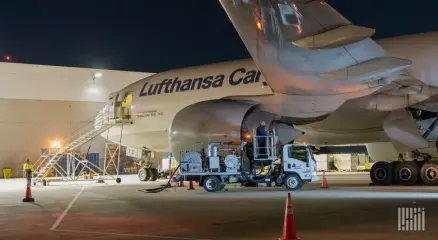
Lufthansa Cargo has completed its acquisition of LUG aircargo handling GmbH, strengthening its cargo handling infrastructure in Germany and adding capacity to support future growth. The transaction was finalised after receiving all required antitrust approvals, making LUG a wholly owned subsidiary of Lufthansa Cargo. The agreement to acquire LUG from the Dettmer Group was signed on 7 September 2026. The completion marks a strategic step in Lufthansa Cargo’s efforts to expand its operational capacity, improve flexibility and strengthen its competitiveness in the German air freight market. LUG To Retain Its Brand and Customer Relationships Despite the change in ownership, LUG will continue to operate as a separate company under its existing brand within the Lufthansa Cargo group. Its current customer contracts and business relationships will remain unchanged, and the company will continue providing cargo handling services to other airlines. Maintaining its third-party customer base is an important part of LUG’s business model. The integration into Lufthansa Cargo is also expected to create new growth opportunities, allowing the handler to build on its established expertise, strengthen its service capabilities and explore additional business prospects. Frank Bauer, Chief Operations Officer of Lufthansa Cargo, said the acquisition would provide greater flexibility and support further growth in the company’s home market. He also highlighted the experience and technical knowledge of LUG’s employees as valuable assets for the continued development of both businesses. Strengthening Cargo Handling Infrastructure in Germany LUG brings more than 60 years of experience in air cargo handling and employs approximately 400 people. Its expertise spans multiple cargo categories and the operational requirements of international airlines, supported by long-standing customer relationships. The company’s existing infrastructure includes around 50,000 sq m of covered warehouse space in Germany, along with approximately 18,000 sq m of office and other infrastructure space. These facilities and capabilities will complement Lufthansa Cargo’s existing handling network, providing additional capacity to accommodate future demand. The acquisition also aligns with Lufthansa Cargo’s ongoing infrastructure modernisation programme at Frankfurt Airport. Under its LCCevo initiative, the company is investing approximately €600 million to modernise its cargo facilities and strengthen operational capabilities. By combining the additional handling capacity from LUG with investments in its own infrastructure, Lufthansa Cargo aims to build a stronger foundation for reliable cargo operations and profitable growth. The move is expected to enhance operational flexibility while supporting the needs of customers across its air freight network. As demand for efficient air freight services continues to shape the logistics industry, the acquisition strengthens Lufthansa Cargo’s control over its handling infrastructure while preserving LUG’s established position as a service provider to multiple airlines. 𝐒𝐭𝐚𝐲 𝐓𝐮𝐧𝐞𝐝 𝐭𝐨 CARGOCONNECT 𝐟𝐨𝐫 𝐥𝐚𝐭𝐞𝐬𝐭 𝐮𝐩𝐝𝐚𝐭𝐞𝐬
India’s two largest container gateways, Mundra and Nhava Sheva, are facing mounting congestion as rising cargo volumes, truck driver shortages and rerouted shipments from the Middle East strain operations across the country’s logistics network. Shipping lines and logistics operators are reporting worsening turnaround times at both ports, with vessel delays averaging nearly two and a half days and some unscheduled ships waiting up to five days for berthing. The disruptions are slowing cargo movement, tightening yard space and forcing carriers to make last-minute operational changes. According to industry reports, a shortage of truck drivers has become a major bottleneck for container transfers between terminals and inland transport hubs. The issue has reduced the pace of cargo evacuation from ports, adding pressure on already crowded container yards. Terminal operators have intermittently restricted gate access to control container inflow, while export gate schedules continue to shift frequently. These changes are complicating truck planning and increasing uncertainty for exporters and freight forwarders. The congestion is being intensified by cargo diversions linked to disruptions in the Middle East, particularly around Gulf trade routes. Shipping lines have increasingly redirected transshipment cargo to Indian ports as alternatives to facilities in the Persian Gulf, sharply increasing container volumes in recent weeks. The pressure has begun affecting carrier schedules. Some shipping companies are rerouting vessels between terminals at short notice to avoid yard congestion. Danish shipping giant Maersk recently shifted several sailings from its regular terminal at Nhava Sheva to PSA Mumbai after facing space constraints and a growing container backlog. Industry stakeholders say these sudden terminal changes are creating operational and financial challenges for shippers, including higher handling costs and difficulties coordinating customs clearance and inland transportation. The latest disruption comes at a time when India has been positioning itself as a major global manufacturing and logistics hub. Over the past decade, the country has expanded port capacity, improved freight corridors and modernised customs processes to strengthen supply chain efficiency. However, the current congestion highlights the vulnerability of port infrastructure during periods of sudden trade realignment and geopolitical disruption. Logistics experts warn that prolonged delays could increase freight costs, extend delivery timelines and place additional pressure on exporters already dealing with volatile global shipping conditions. Follow CARGOCONNECT for more such updates.
The diversification process by Apple continues to progress as India becomes one of the centers for manufacturing operations. Based on an analysis by Smart Analytics Global (SAG), the percentage share of Indian manufacturing of iPhones has increased from 14% in 2024 to 23% in 2025 and further to 28% by 2026, whereas China’s share has decreased from 83% to 74% within the same timeframe. As Apple continues to lower its reliance on China, India is all set to emerge as the major assembly hub for 28 percent of all iPhones exported around the world by 2026, compared to just 23 percent in the prior year. This change is due to the company's overall strategy of spreading its manufacturing operations in order to mitigate potential tariff risks and geopolitical risks, in addition to creating a more flexible manufacturing network beyond China. Based on the estimates of Smart Analytics Global (SAG), China's share in global iPhone production dropped from 83% in 2024 to 74% in 2025, while India's share increased from 14% in 2024 to 23% in 2025. Estimates provided by another market research firm, Counterpoint Research, indicate that India's share in global iPhone manufacturing could increase to approximately 26% in 2026 from 23% in 2025. As per SAG, “India will account for the manufacture of 28 percent of iPhones shipped globally in 2026, rising from 23 percent in 2025. This growth will be fueled by the ongoing diversification of Apple outside China and capacity build-up at existing manufacturers in India like Tata Electronics,” said Abhilash Kumar, an analyst at Smart Analytics Global. According to Tarun Pathak, research director at Counterpoint Research, “Apple's manufacturing partners have substantially increased their manufacturing capacities and assembly lines in India. They have also diversified their product portfolio made in India.” He further stated that the increase in manufacturing capacity of Tata Electronics is another factor aiding the growth. Apple has managed to localize production substantially in India through manufacturers like Foxconn and Tata Electronics. The recent takeover of Wistron and Pegatron in India by the Tata Group represents a huge step forward in Apple’s localization efforts in India. At present, India is assembling a larger number of iPhones, even the latest versions, and has become an important source of exports, targeting countries like the US and European nations. Over the past five years, Apple has manufactured iPhones worth almost $70 billion in India using its PLI scheme, where around $51 billion, or almost 73% of all iPhones manufactured, were exported from India. Moreover, iPhones have become the most exported goods from India during the previous financial year. India has become the biggest beneficiary of Apple’s changing supply chain. From initially assembling iPhones on a smaller scale, it has grown to become a manufacturing cluster for iPhones through government incentives, increased manufacturing capabilities, and the growing presence of suppliers. Several of the most important suppliers and manufacturers for Apple are still highly entrenched within China, allowing the country to enjoy an unrivaled capacity and adaptability when it comes to managing mass-scale productions and product shifts. For more such news and updates, visit CARGOCONNECT.
Shadowfax is significantly expanding its quick commerce infrastructure, announcing plans to scale its dark store network from 15 facilities to 100 by FY27. The move underscores the company’s growing focus on hyperlocal deliveries, same-day fulfilment, and direct-to-consumer (D2C) logistics as competition intensifies in India’s fast-evolving quick commerce ecosystem. The Bengaluru-based company plans to add 85 new dark stores over the next fiscal year, targeting metro cities with delivery radiuses of approximately seven kilometres and fulfilment timelines of around 30 minutes. The expansion is expected to support rising demand from vertical quick commerce platforms and D2C brands that increasingly rely on third-party logistics (3PL) partners for rapid deliveries. According to company executives, vertical marketplaces are emerging as a profitable segment because of their dependence on outsourced logistics infrastructure rather than captive fulfilment networks. Shadowfax believes this trend creates a strong opportunity for scalable 3PL-led quick commerce models. The dark store expansion will account for nearly 10% of Shadowfax’s planned capital expenditure of ₹180–190 crore in FY27. The company is simultaneously strengthening its automation and artificial intelligence capabilities to improve operational efficiency. AI-led demand forecasting, automated slotting, and smarter sorting centre operations are expected to reduce overhead costs while accelerating breakeven timelines for new facilities. Shadowfax’s aggressive expansion comes on the back of strong financial performance. The company reported a consolidated net profit of ₹55.8 crore in Q4 FY26, compared to a net loss of ₹9.9 crore during the same period last year. Revenue from operations surged 73.6% year-on-year to ₹1,237 crore, reflecting growing order volumes and increased adoption of quick commerce delivery services. Founded in 2015, Shadowfax has evolved into one of India’s largest logistics and last-mile delivery networks, serving over 2,500 cities and more than 15,000 pincodes. The company currently handles millions of shipments daily through a technology-driven delivery ecosystem that supports e-commerce, grocery, hyperlocal, and D2C brands. Industry analysts believe the dark store expansion reflects a broader shift within India’s logistics sector, where speed, proximity-based fulfilment, and automated operations are becoming central to supply chain competitiveness. As quick commerce adoption accelerates beyond groceries into categories such as fashion, electronics, and personal care, logistics providers like Shadowfax are positioning themselves as critical enablers of ultra-fast retail fulfilment. 𝐒𝐭𝐚𝐲 𝐓𝐮𝐧𝐞𝐝 𝐭𝐨 https://cargoconnect.co.in/ 𝐟𝐨𝐫 𝐥𝐚𝐭𝐞𝐬𝐭 𝐮𝐩𝐝𝐚𝐭𝐞𝐬!
India’s Dedicated Freight Corridors (DFCs) are rapidly reshaping the country’s logistics landscape, with the Western Dedicated Freight Corridor (WDFC) between Dadri and Jawaharlal Nehru Port Authority (JNPA) emerging as a game-changing infrastructure project for supply chains and multimodal freight movement. Designed exclusively for cargo operations, the corridor is significantly reducing transit times, improving reliability, and easing congestion on conventional rail routes. Stretching nearly 1,500 km from Dadri in Uttar Pradesh to JNPA near Mumbai, the corridor forms the backbone of India’s western logistics artery, connecting manufacturing centres, inland container depots, industrial clusters, and ports. With dedicated tracks for freight trains, the network allows uninterrupted cargo movement at higher average speeds, eliminating delays caused by mixed passenger and freight operations. One of the biggest outcomes has been a sharp reduction in transit time. Freight movement between Dadri and JNPA that traditionally took close to 72 hours on congested rail routes is now being completed in nearly half the time, improving turnaround efficiency for exporters, importers, and logistics operators. Industry stakeholders believe the reduction in transit duration will strengthen India’s competitiveness in global trade and support the government’s target of lowering logistics costs as a percentage of GDP. The DFC network has also enabled the operation of longer and heavier freight trains, including double-stack container services on electrified routes. This has increased carrying capacity while lowering per-unit transportation costs. According to sector estimates, rail freight on dedicated corridors is considerably more energy-efficient and environmentally sustainable than road transport, aligning with India’s broader decarbonisation goals. Beyond operational efficiency, the corridors are catalysing the growth of integrated logistics ecosystems. Regions such as Dadri, Greater Noida, and Jewar are witnessing accelerated development of multimodal logistics parks, warehousing zones, and industrial hubs due to their strategic connectivity with both the Eastern and Western DFCs. The emerging “rail-road-air” logistics triangle around the National Capital Region is expected to attract substantial investments in manufacturing and distribution infrastructure. The Dedicated Freight Corridor Corporation of India (DFCCIL) has reported rising freight train volumes on the operational stretches, indicating growing industry adoption. The completion of key links on the western corridor is expected to further enhance throughput and reduce dependency on road transport for long-haul cargo. Analysts say the dedicated rail network could become central to India’s ambition of creating faster, greener, and more resilient supply chains. As India continues investing in additional freight corridors across the country, the success of the Dadri-JNPA route demonstrates how infrastructure modernisation can directly influence trade efficiency, logistics performance, and industrial growth. 𝐒𝐭𝐚𝐲 𝐓𝐮𝐧𝐞𝐝 𝐭𝐨 https://cargoconnect.co.in/ 𝐟𝐨𝐫 𝐥𝐚𝐭𝐞𝐬𝐭 𝐮𝐩𝐝𝐚𝐭𝐞𝐬
In a strategic warehousing move, the South Eastern Coalfields Limited (SECL), the second largest coal-producing subsidiary of Coal India Limited, has signed a Memorandum of Understanding (MoU) with Central Warehousing Corporation (CWC) for collaboration in coal logistics, railway rake provisioning under GPWIS and similar schemes, and integrated transportation services. Guided by the Union Ministry of Coal, SECL is rapidly working to improve India’s energy security and coal logistics infrastructure. The company is taking steps to boost coal evacuation efficiency and ensure a steady fuel supply to essential sectors. This partnership with CWC is a significant move in that direction. The goal of the partnership with CWC is to strengthen SECL’s coal evacuation capabilities by providing reliable and efficient rail logistics solutions to meet the rising demand from the power, steel, cement, and other sectors. The MoU outlines collaboration in various areas, including dedicated railway rake operations, integrated coal transportation solutions, multimodal logistics, first-mile and last-mile connectivity, and the deployment of digital systems for logistics monitoring and operational efficiency. Under the agreed framework, both organizations will explore provisioning and operation of GPWIS and equivalent racks, integrated rail logistics services, and long-term transportation solutions aimed at improving dispatch efficiency and reducing logistical obstacles. The MoU was signed in the presence of Harish Duhan, Chairman-cum-Managing Director of SECL, and Santosh Sinha, Managing Director of CWC. Functional Directors and senior officials from SECL, as well as representatives from CWC, attended the signing ceremony. SECL plays a vital role in meeting the country's growing coal demand. In the current financial year 2026-27, Coal India Limited has already surpassed the 100 million tonne production mark, with SECL contributing more than 26.8 million tonnes. Central Warehousing Corporation (CWC), a Navaratna Central Public Sector Enterprise under the Government of India, is a leader in integrated logistics and warehousing services. It has extensive experience in rail-linked cargo movement and multimodal transportation solutions. For more such news and updates, visit CARGOCONNECT.