Loading...
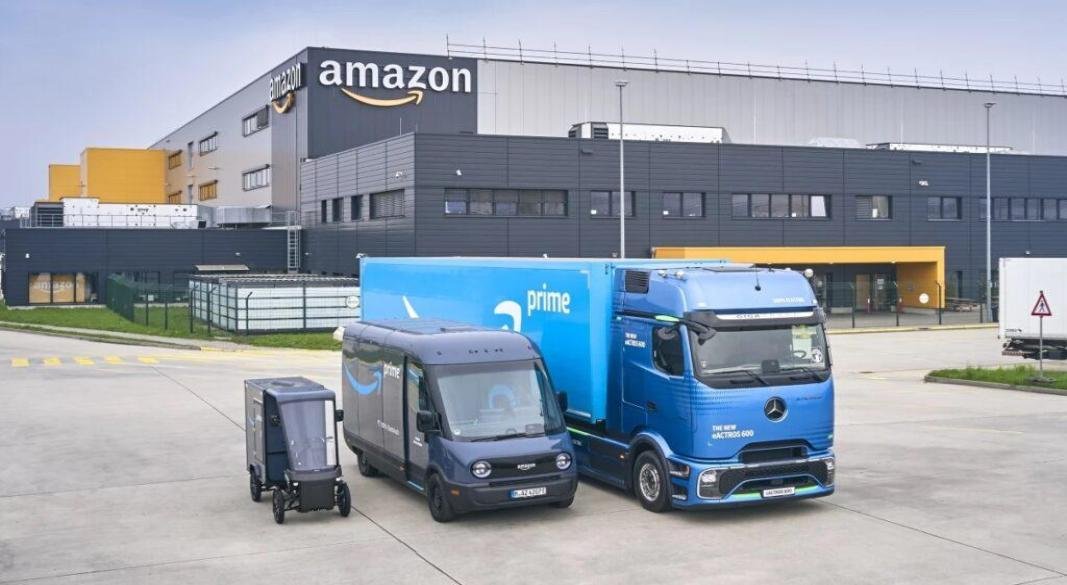
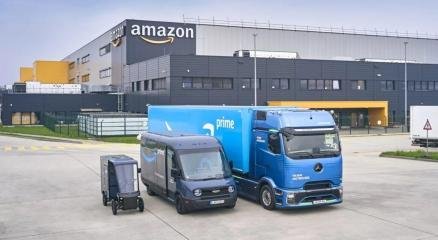
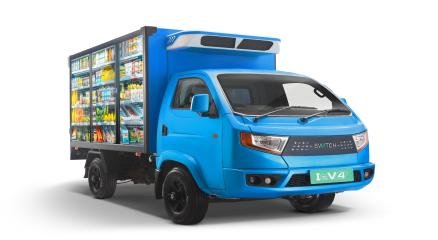
A key step for India's logistics and sustainable transportation sector is a collaboration between Amazon India and VE Commercial Vehicles (VECV) to introduce nearly 1,000 Eicher Pro-X electric small trucks by 2028. It becomes one of the biggest introductions of electric commercial vehicles in India's e-commerce industry. It is expected to help boost Amazon's middle-mile logistics operation for its rapid delivery system, Amazon Now, in several cities.
The adoption of these custom electric trucks is likely to enhance the intra-city cargo transportation and help Amazon India move forward towards its sustainability goals. Recent studies in the industry have emphasized that electric commercial vehicles are playing a crucial role in reducing emissions from urban transportation and enhancing efficiency in last-mile/middle-mile distribution networks.
As per the joint official statements, the essential electric fleet deployment will implement two significant industry directives:-
• Quick Commerce Infrastructure Scaling: To dominate India’s intensifying quick commerce race, the electric trucks will support Amazon Now’s rollout across 100 Indian cities. The platform is scaling its network to more than 1,000 technology-enabled MFCs to deliver groceries, personal care items, and electronic accessories within minutes, ensuring seamless, real-time inventory replenishment across high-demand urban nodes.
• The Green Shipping Transition: Operating with an operational range of 100 to 180 kilometers per day, the Eicher Pro-X trucks feature advanced fast-charging capabilities that top up batteries in roughly 50 minutes. This technology establishes a strong foundation for zero-emission transit across high-frequency daily turnaround trips, directly targeting the reduction of Scope 3 logistics emissions.
The commercial and industrial aspects of this partnership are progressing rapidly. Alongside urban transport, the strategy prioritizes strengthening the logistics supply chain through advanced, co-created technology. The Eicher Pro-X electric truck was co-developed in close collaboration between VECV and Amazon since 2022, specifically optimized to meet the rigorous uptime and high-payload demands of rapid e-commerce fulfillment.
The live deployment of these first 50 units across major metropolitan hubs signals that heavy-payload electric commercial vehicles (e-CVs) have moved past the pilot phase and into full commercial viability. For original equipment manufacturers (OEMs), corporate shippers, and freight forwarders, this partnership changes the conversation around middle-mile infrastructure. It proves that co-created, vehicle-to-grid tech can seamlessly absorb the heavy workload of modern just-in-time supply chains.
For more such news and updates, visit CARGOCONNECT.
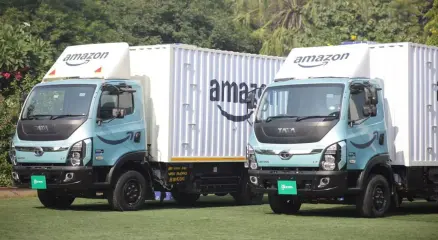
Amazon has partnered with Tata Motors to deploy 3,000 electric trucks across its transportation network in India, marking what the companies describe as the largest electric-truck deployment by an e-commerce company in the country. The rollout will begin in Delhi during the festive season, with light- and medium-duty electric trucks, including the Tata Ultra E.7, operating across Amazon's middle-mile logistics network. The vehicles will transport shipments between fulfilment and logistics facilities and support freight movement within and between cities. The next phase is planned to extend electric truck operations along a 2,800-km freight corridor connecting Delhi, Bengaluru and Chennai via National Highway 48 (NH48), linking major commercial and e-commerce markets across northern and southern India. Tata Motors will supply the vehicles, while Amazon's transportation service partners will own and operate the trucks. Union Minister for Heavy Industries and Steel H.D. Kumaraswamy flagged off the initial batch in Delhi. Electric trucking expands beyond last-mile delivery The partnership marks a significant expansion of Amazon's fleet electrification programme, extending its focus beyond delivery vans and smaller electric vehicles to commercial freight transportation. Amazon said it already operates more than 15,000 electric vehicles across over 500 cities in India. The planned electric truck deployment will add capacity to its middle-mile network, which connects logistics facilities and supports the movement of shipments between operational hubs. Abhinav Singh, Vice President of Operations at Amazon, said electrifying the company's transportation network was an important part of its commitment to achieve net-zero carbon emissions by 2040. He noted that scaling electric trucking would require collaboration across vehicle manufacturing, charging infrastructure and logistics operations, with the partnership intended to support deployment across additional routes. Tata Motors to supply trucks and operational support Tata Motors will provide the electric trucks, including the Tata Ultra E.7, designed for urban and regional freight operations. Features include fast-charging capability and regenerative braking. Rajesh Kaul, Vice President and Business Head – Trucks at Tata Motors, said electric trucking was moving beyond pilot projects towards wider commercial adoption. He highlighted vehicle localisation, operating economics and total cost of ownership as factors supporting the business case for electric commercial vehicles. The partnership will also extend beyond vehicle supply, with charging infrastructure, servicing and operational support forming part of the wider deployment effort. Charging infrastructure to support expansion The companies are working to develop the infrastructure needed to support electric truck operations along urban routes and longer freight corridors. Amazon is working with charging infrastructure provider Yahhvi, with 10 charging yards developed across India to support electric vehicle operations. Reliable charging access will be important as deployment expands from shorter middle-mile routes towards longer intercity freight operations. Fleet performance will depend on the availability of charging facilities, route planning, vehicle utilisation and coordination between charging and delivery schedules. The planned Delhi–Bengaluru–Chennai corridor is intended to connect major commercial hubs and provide a framework for expanding electric freight operations across key highways. Policy support and freight decarbonisation The initiative comes amid wider efforts to promote electric mobility in commercial transport. Delhi's Electric Vehicle Policy 2026 included a provision exempting the first 1,000 eligible privately owned N2 electric trucks, purchased and registered within three months of the policy's notification, from normal no-entry timing restrictions for 10 years. The policy was notified on 30 June 2026. The three-month registration window should therefore not be treated as an ongoing incentive without updated official guidance. Amazon is also supporting freight decarbonisation through initiatives such as Laneshift, developed in collaboration with C40 Cities, and SUPEREV, which seeks to simplify commercial electric vehicle adoption by connecting relevant services and stakeholders. Scaling operations will be the next test Large-scale electric freight deployment depends on more than vehicle availability. Charging access, vehicle uptime, maintenance support, fleet economics and reliable operating schedules will all influence how quickly electric trucks can be integrated into commercial logistics. For Amazon and Tata Motors, the 3,000-truck plan represents an effort to move electric freight towards wider operational adoption. The initial rollout in Delhi will be followed by plans to extend operations to major highway corridors, including the proposed Delhi–Bengaluru–Chennai route. The success of the initiative will ultimately depend on how effectively the trucks and supporting infrastructure deliver reliable, cost-efficient freight movement at scale. Follow CARGOCONNECT for more such updates
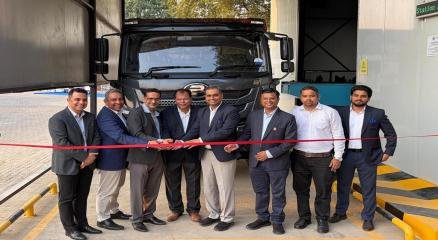
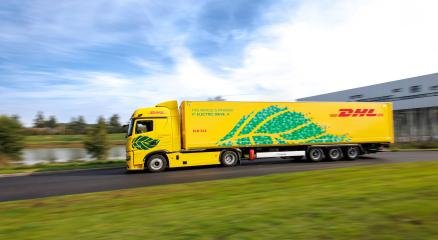
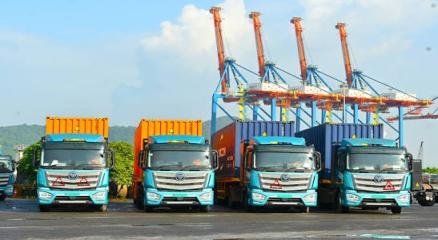

New Delhi: NITI Aayog-led e-FAST India has launched the Platform for Aggregating Clean Transport (PACT) to accelerate the deployment of zero-emission trucks and strengthen the commercial case for electric freight in India. Rajiv Gauba, Member, NITI Aayog, launched the platform at the 5th e-FAST India Summit 2026. PACT is designed to aggregate freight demand from shippers, logistics service providers (LSPs) and other stakeholders and translate that demand into electric-truck deployment opportunities across identified freight corridors. The initiative brings together key participants across the electric freight ecosystem, including shippers, LSPs, vehicle manufacturers, financiers, charge point operators and technology providers. By creating greater visibility around freight demand, PACT aims to help stakeholders plan charging infrastructure, improve access to financing and support larger-scale deployment of electric medium- and heavy-duty vehicles (e-MHDVs). The platform comes as India's electric freight market moves beyond small-scale pilots. E-freight vehicle deployments increased more than fourfold, from 201 vehicles in FY2024-25 to 826 in FY2025-26, while more than 3,000 electric medium- and heavy-duty trucks are now operating across the country. NITI Aayog said sustaining this growth will require greater coordination across the ecosystem, particularly in aggregating freight demand, developing charging infrastructure, improving financing access and providing greater certainty to fleet operators and investors. Speaking at the summit, Gauba said the next phase of India's electric freight transition would depend on collaboration across the ecosystem. He highlighted innovative financing models, corridor-based charging infrastructure and market-driven partnerships as important levers for accelerating the commercial adoption of electric trucks. Alongside PACT, the summit also introduced the ZET Marketplace, an interactive business platform intended to connect e-truck manufacturers, LSPs, charge point operators, financiers and technology companies. The marketplace will allow participating companies to showcase products, identify commercial opportunities and develop partnerships for zero-emission freight projects. Discussions at the summit focused on financing and de-risking mechanisms, charging infrastructure, policy priorities and lessons from early electric-freight deployments. A central theme was the need to move beyond individual demonstration projects towards coordinated, commercially viable deployments at scale. Follow CARGOCONNECT for more such updates.
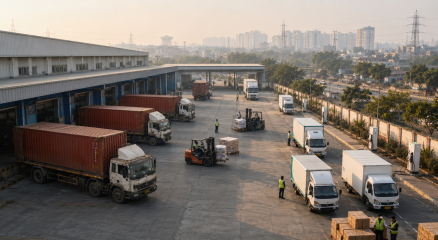
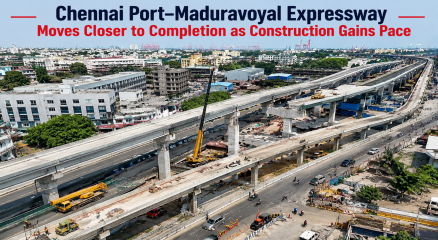
Construction of the long-delayed Chennai Port–Maduravoyal elevated corridor has entered an accelerated phase, with authorities targeting completion by November 2027 to improve cargo evacuation from Chennai Port and ease freight congestion across the city. The 20.5-km four-lane elevated expressway, being developed by the National Highways Authority of India (NHAI), is designed primarily to facilitate seamless movement of container traffic between Chennai Port and the city’s outer road network. The project is expected to significantly reduce transit delays for trucks transporting export-import cargo. The expressway project, originally conceived more than a decade ago, has faced repeated interruptions due to legal disputes, environmental concerns and changes in design alignment. Construction activity had remained stalled for years before being revived with revised plans and fresh clearances. Once operational, the dedicated freight corridor is expected to reduce heavy vehicle movement on congested arterial roads within Chennai, particularly in areas surrounding the port. Industry stakeholders believe the infrastructure will improve turnaround time for container trucks and strengthen the efficiency of cargo movement linked to one of India’s busiest ports. The elevated corridor will connect Chennai Port directly to Maduravoyal on National Highway 48, creating faster access to industrial clusters and hinterland markets in Tamil Nadu and neighbouring states. Logistics operators have long argued that the absence of a dedicated evacuation corridor has contributed to delays, higher fuel consumption and operational inefficiencies for cargo transporters serving the port. According to project authorities, the revised execution strategy includes parallel construction packages and tighter monitoring mechanisms aimed at avoiding further delays. Several supporting activities, including drainage works and relocation of utilities, are also being carried out alongside the main structural construction. The project is considered strategically important for Chennai Port’s long-term cargo handling competitiveness, particularly as container volumes continue to grow and pressure on urban transport infrastructure increases. Analysts say the dedicated elevated link could help improve supply chain reliability for exporters and importers dependent on the port. The Chennai Port–Maduravoyal corridor is among the major port connectivity infrastructure projects being pursued to strengthen multimodal logistics efficiency and reduce urban freight congestion in key maritime gateways across India. Follow CARGOCONNECT for more such updates.